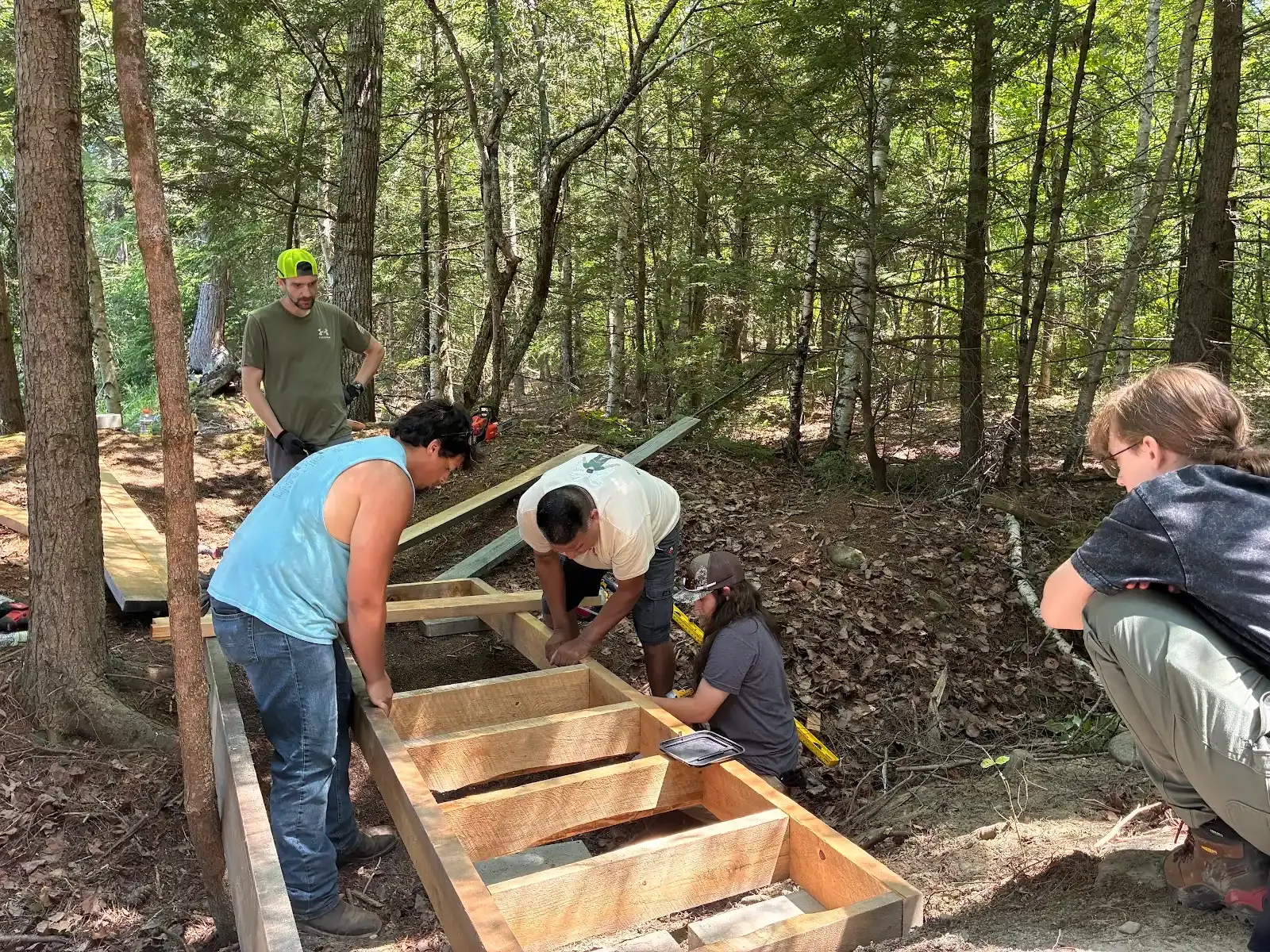
Every acre restored represents an investment in the future of our forests. Over the past two weeks, our crew continued oak restoration efforts throughout New River Gorge National Park & Preserve, working across rugged terrain, adapting to changing weather conditions, and helping create healthier forests where native oak species can thrive for generations to come.
The reporting period began at Laurel Creek Headwaters, where our crew continued oak restoration efforts by treating competing tree species and invasive vegetation. Although our work at Laurel Creek is not yet complete, each day spent in the field contributed to the long-term goal of giving native oaks a better opportunity to thrive. Restoration is rarely about seeing immediate results; instead, it requires patience and understanding that today's work creates healthier forests for future generations.
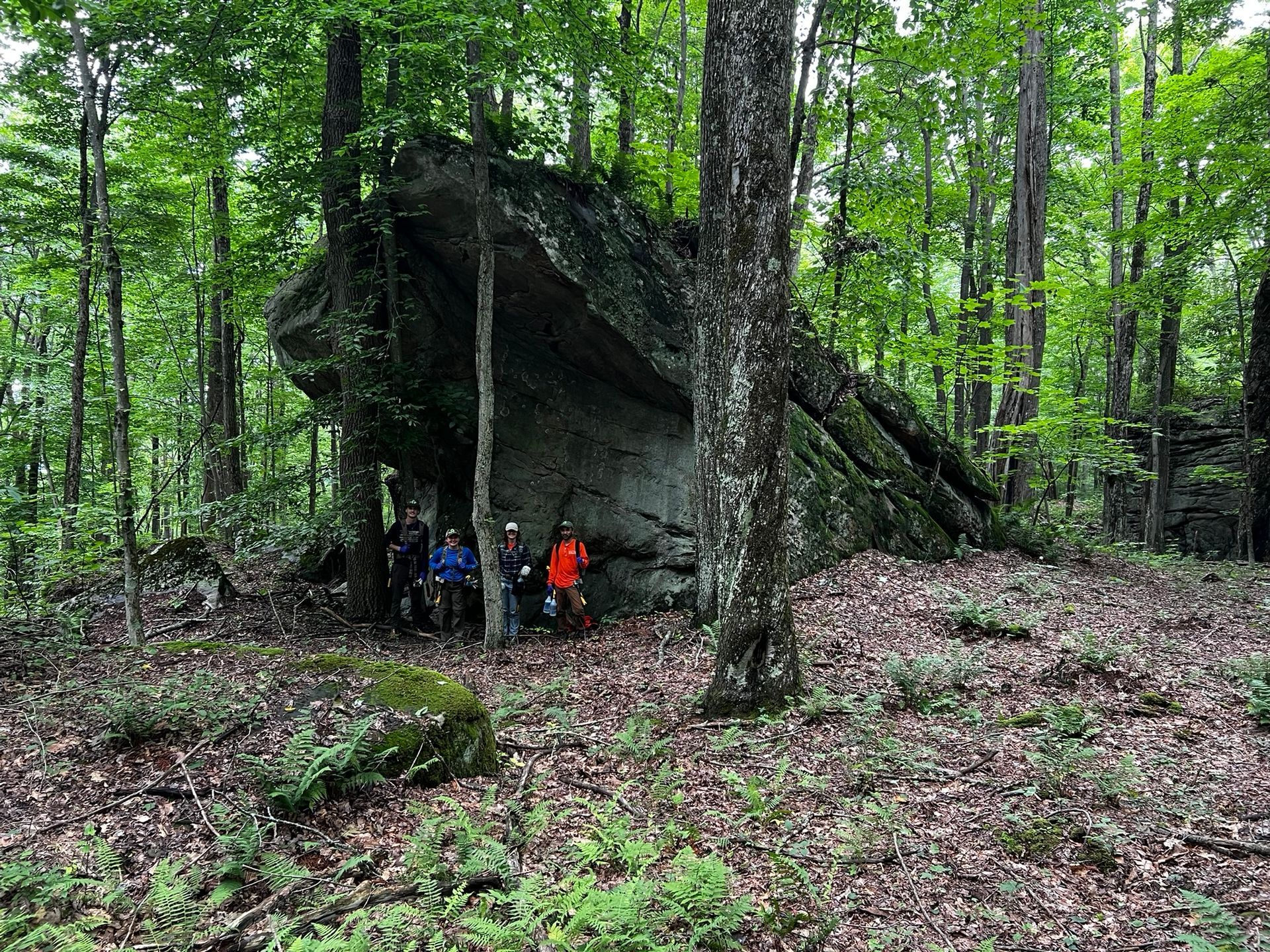
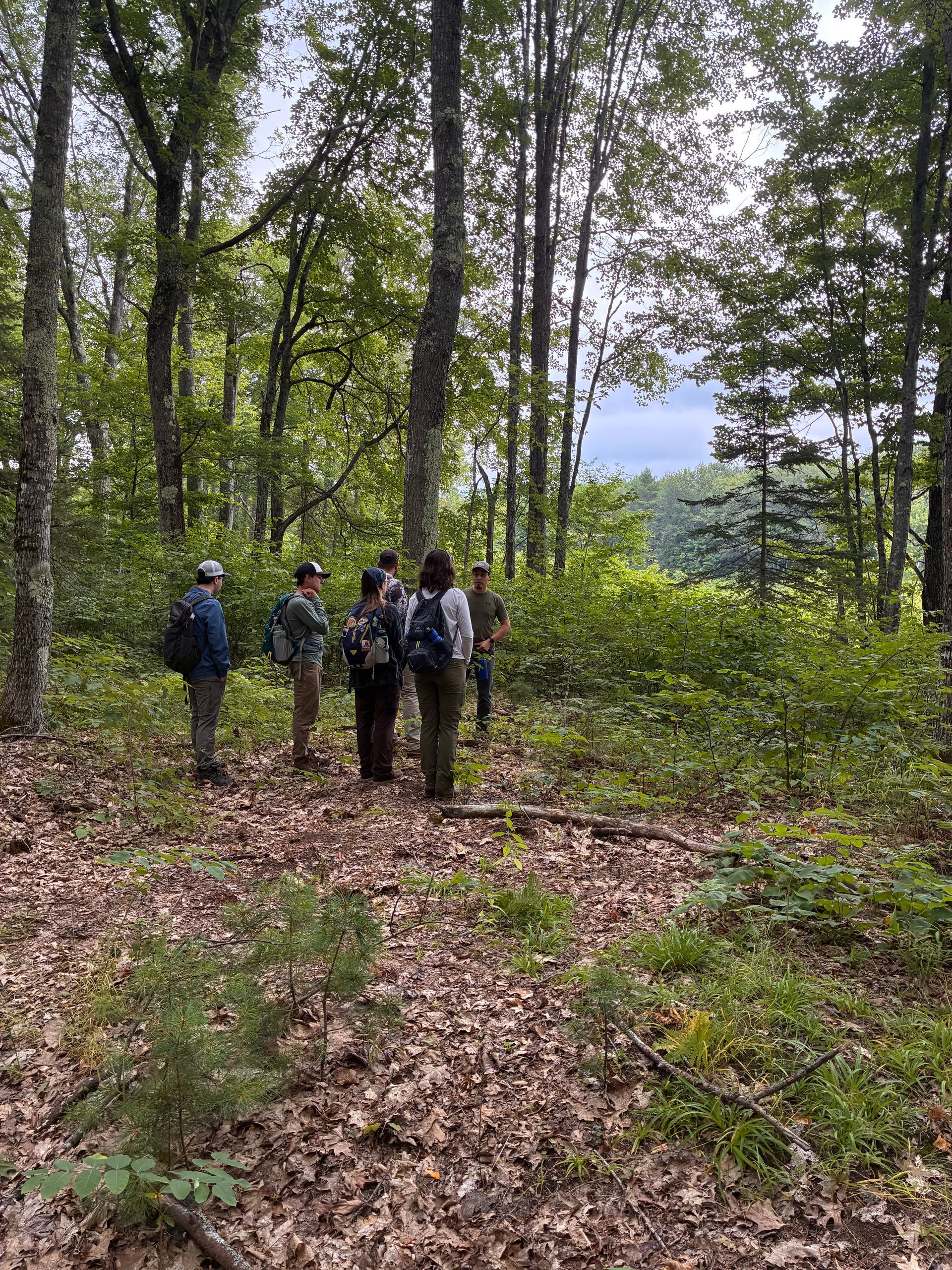
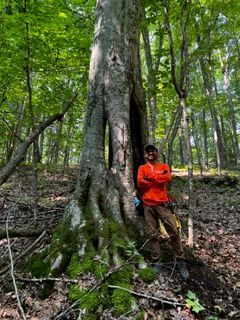
One of the highlights of the week was scouting a new treatment area. Over the course of the day, we hiked approximately 4.5 miles through rugged terrain, navigating steep hillsides, massive boulder fields, and impressive cliff formations. Experiencing these untouched landscapes reminded me why conservation work is so rewarding. While our purpose was to evaluate future treatment areas, it was impossible not to appreciate the incredible geology and natural beauty surrounding us. Moments like these reinforce the importance of protecting these ecosystems while allowing future visitors to experience them as we did.
Following the Fourth of July holiday, our crew shifted priorities to the Backus Mountain project area, where restoration efforts focused on treatment sites located both inside and outside of high deer management fences. Throughout the week, we worked to reduce competition from red maple, sourwood, stilt grass, and multiflora rose. By the end of the reporting period, our crew had successfully treated approximately 20.64 acres, completed one deer management enclosure, and made substantial progress across the remainder of the site. During work inside the second fenced area, we found very little oak regeneration.
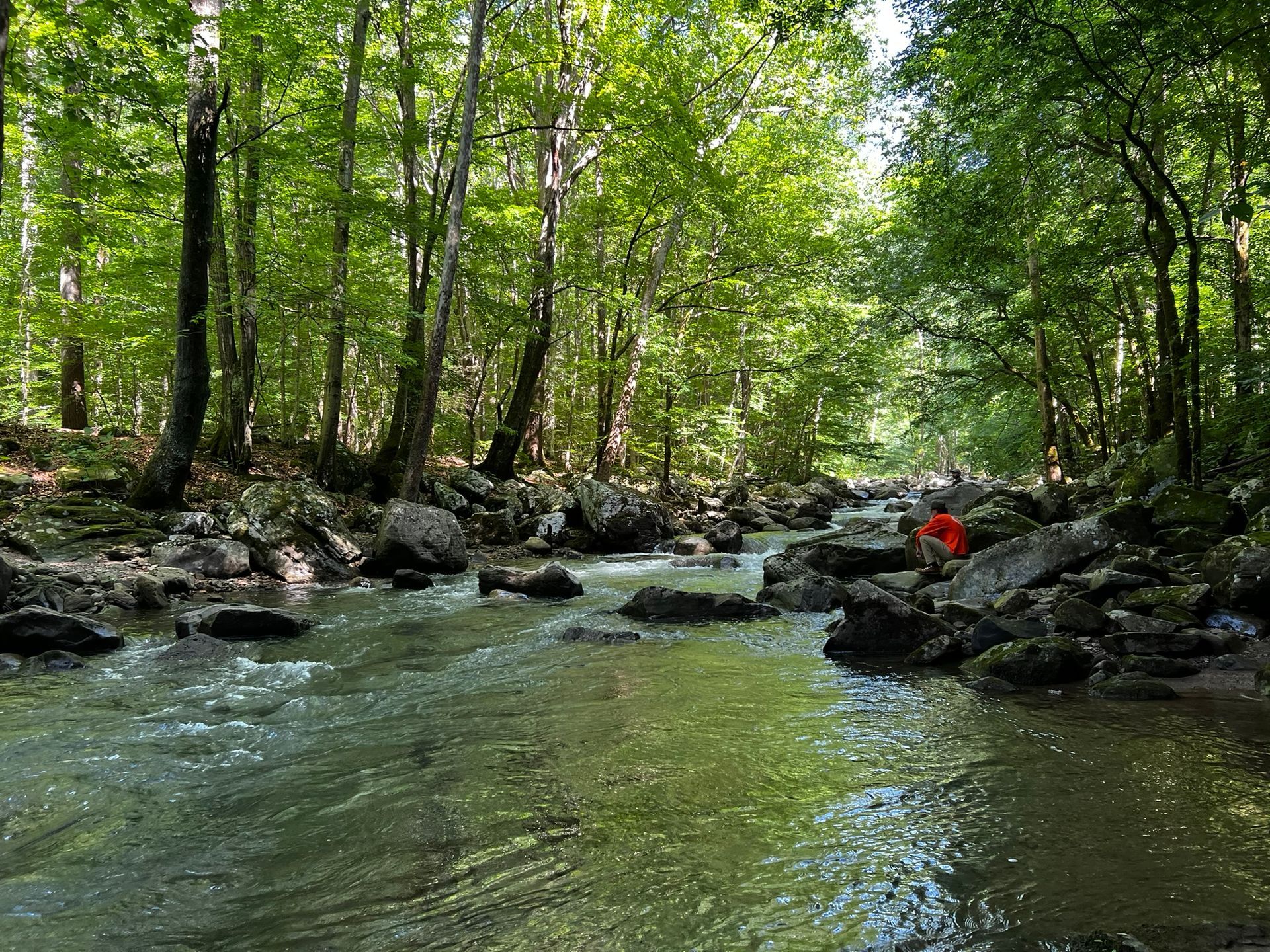
Working outdoors during the peak of summer brought its own challenges. High temperatures and humidity demanded constant attention to hydration, pacing, and crew safety. Although the heat could be exhausting at times, everyone continued encouraging one another and maintained a positive attitude throughout the week. After one particularly hot day in the field, our crew stopped at Glade Creek to cool off before heading home. It was a simple moment, but one that reminded me how important it is to appreciate both the work we do and the landscapes we have the privilege to experience.
Weather was another factor that required constant awareness. Throughout the week, we carefully monitored changing conditions while working in remote areas. On a Thursday afternoon, passing rain showers and nearby lightning required us to temporarily suspend operations until it was safe to continue. These moments served as a reminder that successful fieldwork depends not only on accomplishing the job but also on making sound decisions that keep everyone safe.