NPS RFI Interns Articles - October

October 13, 2026

Written by Nick Alpeza

Forests throughout the Northeast are under threat.  Two of the main issues facing these forests are rarely discussed and poorly understood by the public.  These two issues being the high prevalence of invasive species and an overabundance of deer. 


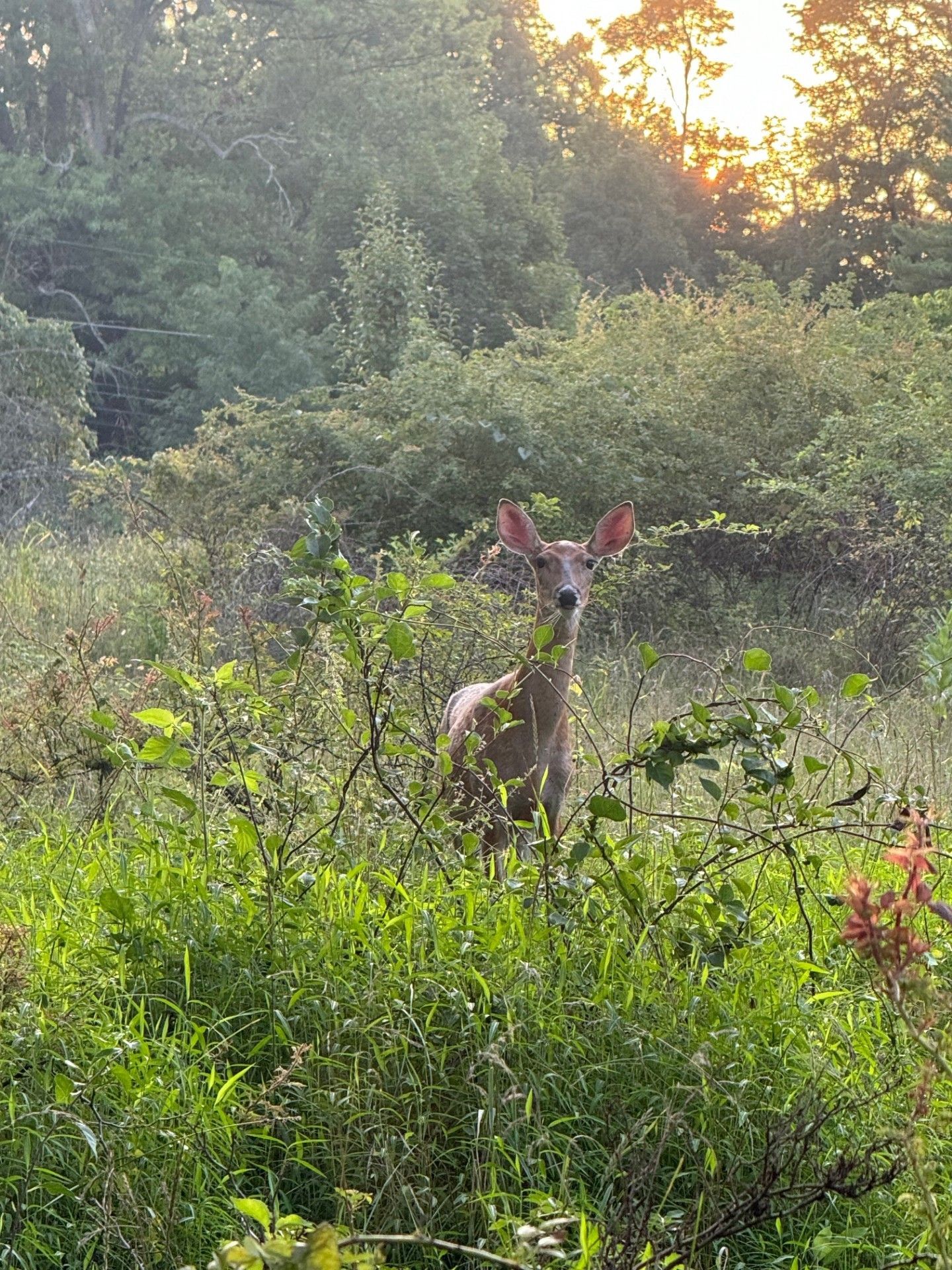
Historically, white-tailed deer were far less abundant in many natural ecosystems than they are today.  For thousands of years, deer  were an important food source for wolves and humans, which served to control the deer population.  Fast forward to today and wolves are gone from the landscape.  White-tailed  deer are no longer a major food source for humans, and many areas are too developed for hunting to safely occur.  As a result, the deer population has risen to catastrophically high levels. 


Deer depend on native vegetation for food, and most native plant species are palatable to hungry deer.  The result of this overpopulation in forests and other natural areas means that the overwhelming majority of native plants will be killed by deer browse, including young tree seedlings.  Bucks also kill and injure young trees by rubbing their antlers on them, which can strip the bark off of the tree. 


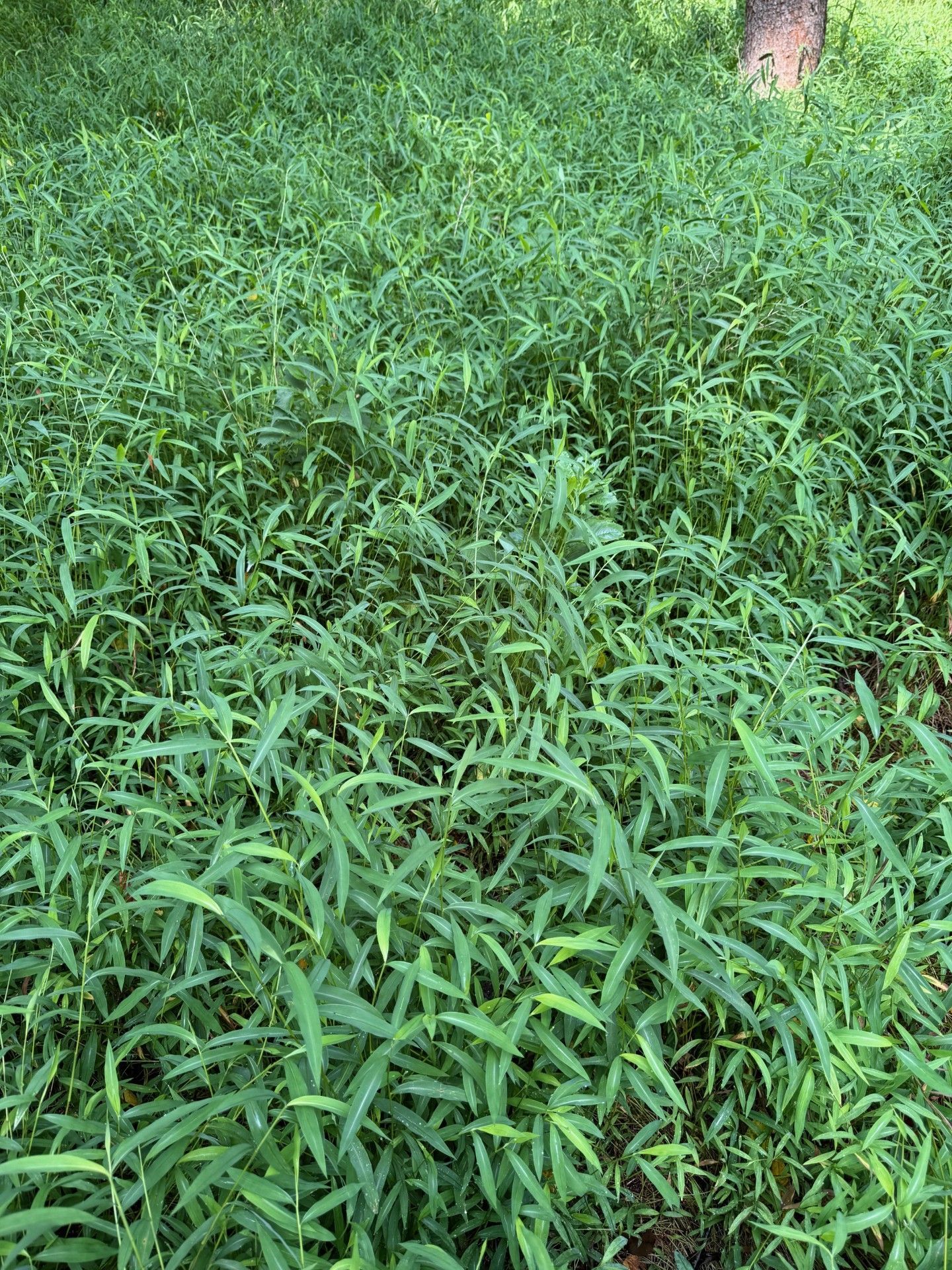
There are countless invasive plants in the Northeast, mostly originating from Europe and Asia.  Many were originally brought over for landscaping, or other beneficial purposes.  These include all kinds of plants, such as grasses, forbs, shrubs and trees.  Invasive plants often have significant advantages over other species,  such as the ability to adapt to a wide range of growing conditions.  Deer typically do not eat many invasive plant species.  This further allows them to spread, leaving less room for native plants. 


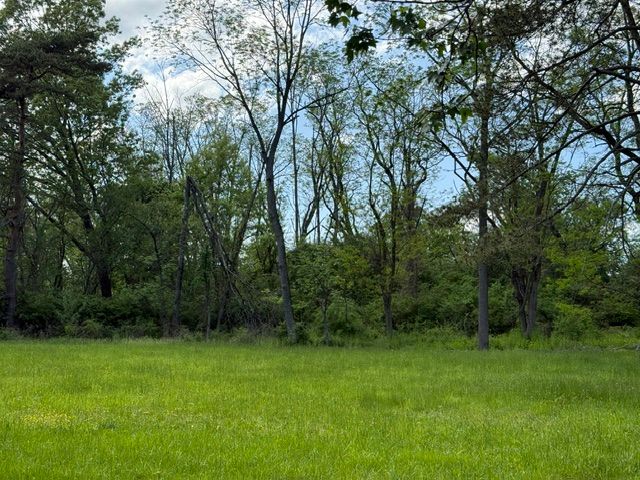
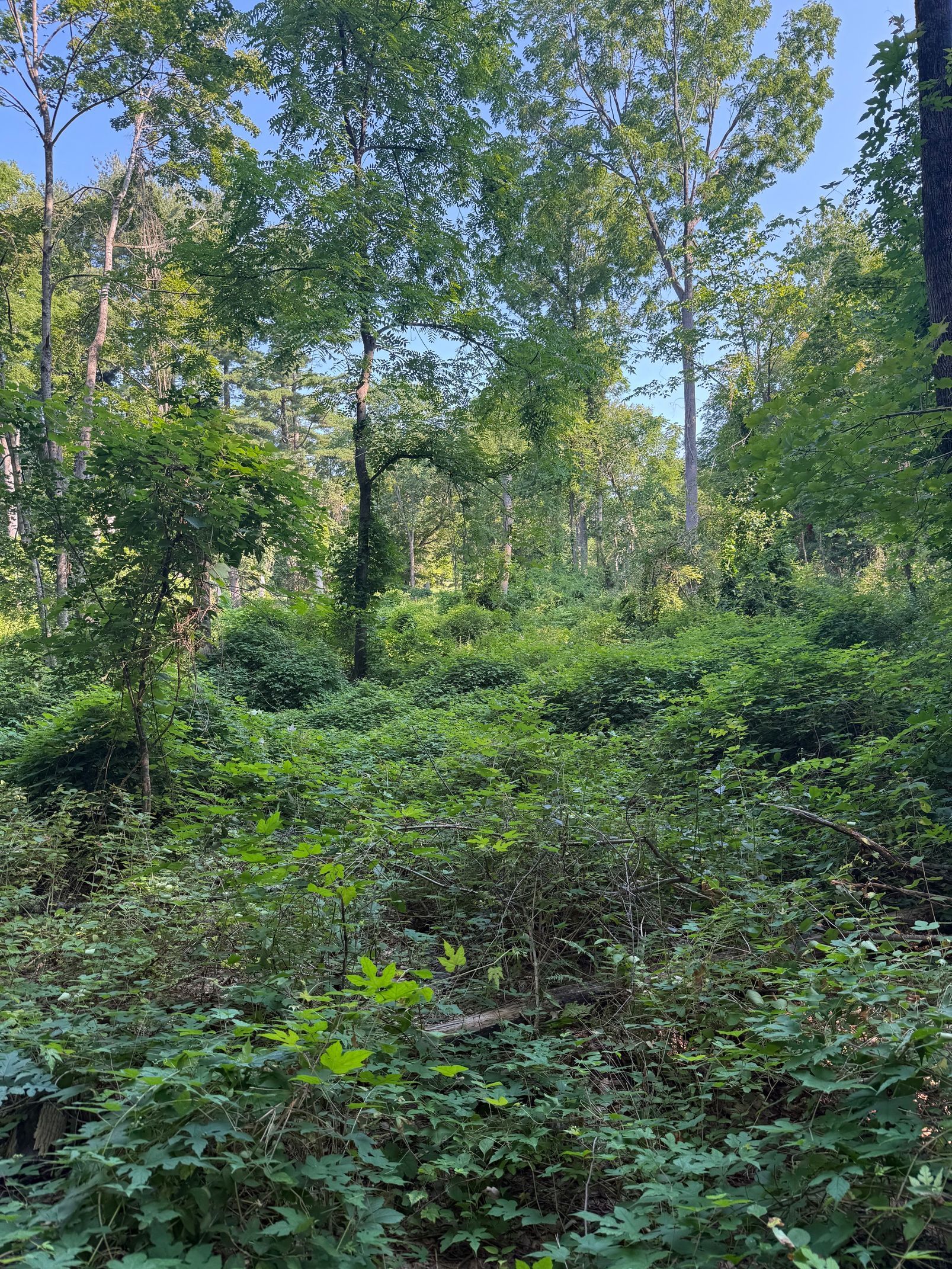
As a result of invasive species and high deer populations, many forests in the Northeast contain mature trees and an understory consisting almost entirely of invasive species.  Few, if any, tree seedlings can survive the hungry deer and competition from invasive plants.  Eventually, when the mature trees die, there will be no trees left to replace the dead ones, and the area will become a shrubland or meadow dominated by invasive plants. 
Valley Forge National Historical Park is one area facing these threats.  Valley Forge has three main management strategies to protect its forests, ensuring they are still present for future generations.  


One strategy is to directly harvest deer.  This harvesting is done annually, November through March, by hired professionals, ensuring that it is done as safely and humanely as possible.  When deer management activities started in 2010, there were roughly 240 deer per square mile in the park.  That number has since dropped to 35 deer per square mile.  This reduction in deer numbers has allowed some forests in the park to regrow sufficient seedlings and saplings for the forests to survive on their own, without any other management done.  Meat from the deer is donated to a food bank.  The population reduction has also decreased the frequency of deer deaths from vehicle collisions and starvation in the park. 


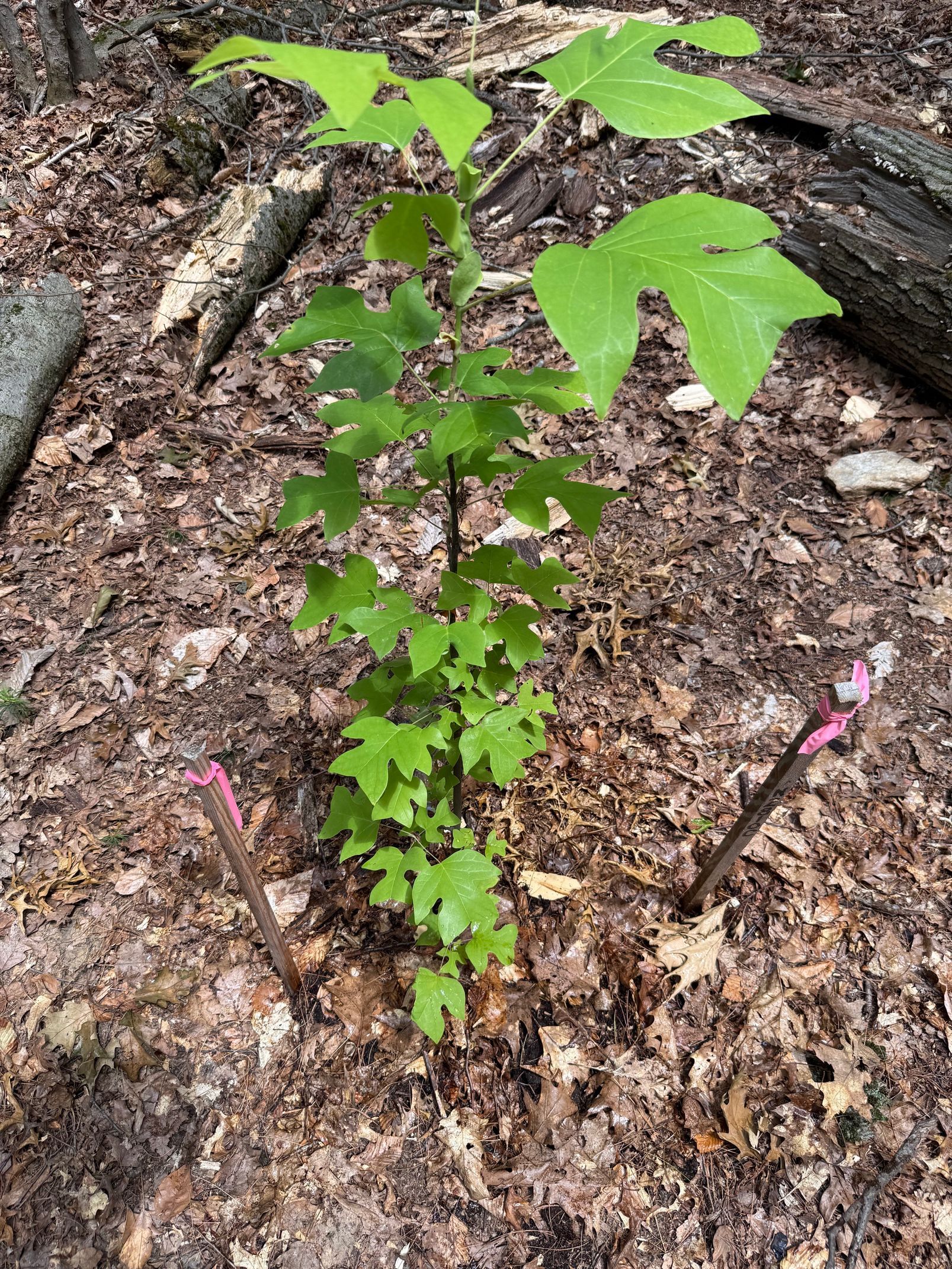
Another strategy is to plant trees.  Tree plantings occur in targeted areas of the park, and are often assisted by volunteers.  To protect the trees, they are surrounded with chicken wire, until they become big enough to survive deer browse and buck rub. 


The third strategy is to directly remove invasive species.  The park created the Weed Warriors program, which uses volunteer events to help with hand removal of invasive species, without pesticides.  However, most invasive species can only be controlled by pesticides.  Some forested areas in the park have been targeted for  heavy removal of all invasive species.  This is mostly carried out by staff, who are licensed pesticide applicators.  Care is taken to avoid unnecessarily harmful pesticides and to avoid damage to natural areas.  Some species, present in smaller numbers, are also targeted throughout the park.   


I had the privilege of working as an intern at Valley Forge this summer, on behalf of the Forest Steward’s Guild.  I firsthand saw the care and effort put into helping the forests, both by park rangers and volunteers.  


I was able to help with the protection of the park forests, primarily through invasive species removal.  Most of my experience focused on using herbicide to control invasive plants.  This included grasses, such as Japanese stiltgrass, Miscanthus, and phragmites; oriental bittersweet, a vine; callery pear, a tree; Japanese knotweed, a forb; as well as shrubs, such as bush honeysuckle, wineberry, burning bush and multiflora rose.  I also worked on hand pulling species, such as garlic mustard, which is a forb.  


Overall, the result of deer management, tree planting and invasive plant removal has led to healthier forests in Valley Forge. 

Building Forest Resilience at Minute Man

Written by Holden Moore

For the past six months, I have been working with the Forest Stewards Guild at Minute Man National Historical Park as a Resilient Forestry Intern, supporting forest restoration through the National Park Service’s (NPS) Resilient Forests Initiative (RFI). At the center of this work is a seemingly simple question: What makes a forest resilient? 


Across the Northeast, forests face a range of stressors, including invasive plants, introduced pests and pathogens, heavy deer browse, extreme weather, and the effects of climate change (National Park Service, 2024). Ash trees have been heavily impacted by emerald ash borer (EAB) (D’Amato et al., 2023), while beech leaf disease and beech bark disease threaten our American beech populations (Shepherd et al., 2025; Coe et al., 2023). Together, these stressors can make it increasingly difficult for our native forests to regenerate and persist in the future. 


This is an important concern across Eastern national parks. Long-term NPS monitoring has shown that many park forests retain the structure of older forests, with large trees, standing deadwood, and fallen woody material (Miller et al., 2016). However, many of these forests lack enough young trees in the understory to eventually replace the existing canopy, a condition known as regeneration debt (National Park Service, 2024). 


The Resilient Forests Initiative was started to address these regeneration challenges through active forest management (National Park Service, 2025). At Minute Man, three forest parcels have been selected for this restoration work. Much of my work this season has focused on assessing these sites and preparing the next generation of forests for sustained success. Long-term goals include encouraging natural regeneration and planting native trees to establish a diverse future forest canopy. However, building the next forest does not necessarily begin with planting. 


One of the largest challenges is invasive vegetation. Invasive species management at Minute Man takes many forms, from hand-pulling plants such as garlic mustard and black swallow-wort to foliar herbicide applications across larger areas of plants like barberry and multiflora rose. In areas with particularly dense invasive cover, we can also utilize large-scale mechanical treatment using mulching equipment. The goal is to reduce invasive vegetation to a level where native plants and future tree plantings have the space, light, and resources necessary to establish. Because invasive plants can resprout or return from existing seed banks, reaching this point may require several years of treatment and continued follow-up.   

Once these pressures have been reduced, natural regeneration and planting can begin shaping the next generation of forests. This is where species selection becomes particularly important. Another important part of my work has been evaluating potential tree species for these restoration sites. For plantings to be successful, we must consider soils, hydrology, light, existing vegetation, and how conditions may change in the future. It is also important to consider how each species will fit into and contribute to the existing ecosystem. 


Ash decline is a good example. In areas where EAB has removed ash trees from the canopy, there may not be a single species capable of replacing the role of ash in the ecosystem. In floodplain forests where ash occurs, restoration can instead encourage a diverse group of native trees capable of tolerating wet conditions while contributing to future canopy cover, wildlife habitat, and other ecological functions.  

Beech decline presents a similar challenge. As beech trees decline due to beech leaf and beech bark disease (Shepherd et al., 2025; Coe et al., 2023), changing canopy and light conditions create new opportunities for regeneration. Rather than replacing beech with a single species, we can encourage a diverse group of native trees suited to these conditions through planting that can contribute to a healthy, long-lived future forest. 


This gets at what I have come to understand as one of the most important parts of forest resilience: A resilient forest is one that can regenerate, adapt, and continue functioning in the face of disturbance. A forest made up of different species, ages, and structures has more ways to respond when conditions change. 


Over the course of my season, I have learned that building a resilient forest is not simply about planting trees. It is about controlling invasive vegetation, protecting native regeneration, understanding each site, and creating the conditions that allow the next forest to grow and thrive.

References 

Coe, N., Mulder, O., & Mulder, K. (2023). Examining the effect of beech bark disease on radial growth in American beech. Forests, 14(2), 312. https://doi.org/10.3390/f14020312 

D’Amato, A. W., Orwig, D. A., Siegert, N. W., Mahaffey, A., Benedict, L., Everett, T., Daigle, J., Johnson, L., Catanzaro, P., & Cusack, C. (2023). Towards tree species preservation: Protecting ash amidst the emerald ash borer invasion in the Northeast. Journal of Forestry, 121, 480–487. https://doi.org/10.1093/jofore/fvad025 

Miller, K. M., Dieffenbach, F. W., Campbell, J. P., Cass, W. B., Comiskey, J. A., Matthews, E. R., McGill, B. J., Mitchell, B. R., Perles, S. J., Sanders, S., Schmit, J. P., Smith, S., & Weed, A. S. (2016). National parks in the eastern United States harbor important older forest structure compared with matrix forests. Ecosphere, 7(7), e01404. https://doi.org/10.1002/ecs2.1404 

National Park Service. (2024). Managing resilient forests: A regional initiative. https://www.nps.gov/articles/000/managing-resilient-forests-initiative.htm 

National Park Service. (2025). Resilient Forests Initiative. https://www.nps.gov/im/resilient-forests-initiative.htm 

Shepherd, B. L., Burke, D. J., & Stuble, K. L. (2025). Fagus grandifolia growth and mortality a decade after the emergence of beech leaf disease. Trees, Forests and People, 20, 100836. https://doi.org/10.1016/j.tfp.2025.100836 


Recent Posts

October 9, 2026
The Paper Birch: A Central Character in the Story of Ecological Succession
October 1, 2026
Written by Dave Wager, forest ecologist
September 17, 2026
Written by Eytan Krasilovsky 
September 14, 2026
Written by Mackenzie Alexander and Eytan Krasilovsky
September 14, 2026
The Fight to Keep Beech on the Landscape
August 27, 2026
Written by Nora Sappier
August 24, 2026
Written by Kat Smallwood
August 18, 2026
Written by Lilly Roehrig
August 18, 2026
Written by Ami Kane, Chief Development Officer
Show More