
NPS RFI Interns Articles - September

September 14, 2026

 The Fight to Keep Beech on the Landscape 

Written by Ally Fetterman

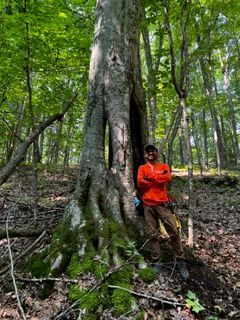
American Beech (Fagus grandifolia) is a fundamental species for Northern hardwood forests like the one I’ve been able to help steward at Marsh-Billings-Rockefeller National Historical Park (MABI) as a Resilient Forestry Intern this summer! This internship is made possible by the Resilient Forests Initiative, a partnership between the Forest Stewards Guild (the Guild) and the National Park Service (NPS). Alongside beech, the Marsh-Billings-Rockefeller forest is comprised of other hardwood species such as maples and ash, as well as softwoods like white pine and hemlock. Like many of the National Parks in the Northeast, Marsh-Billings-Rockefeller’s forest is increasingly threatened by invasives, deer overabundance, pests, and diseases. Kate Miller, an NPS Quantitative Ecologist, claims that many NPS sites are just one major disturbance away from losing their forests altogether (Miller et al., 2023). That is why the MABI’s Natural Resources team has begun their own Beech Leaf Disease Treatment & Monitoring Protocol, aiming to address one of the many challenges facing our forests.  


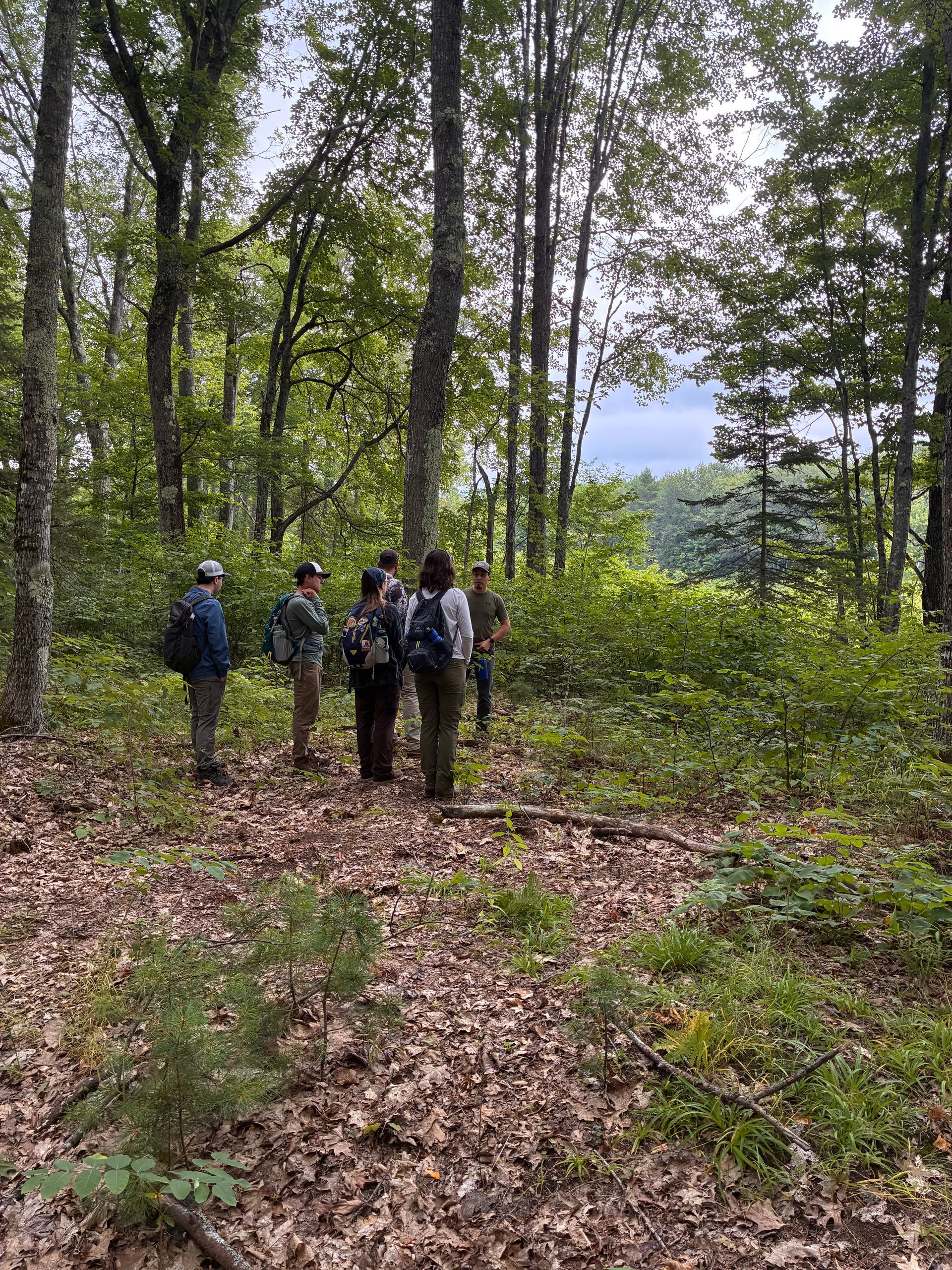
In partnership with the Guild, I have had the incredible opportunity to work for a second season (previously contracted by the American Conservation Experience) at MABI to address beech mortality in the park with the Natural Resources team. Beech are susceptible to many different pathogens and pests (i.e., beech bark disease, beech leaf disease, beech erineum mite, leaf curling aphid, and wooly aphid) and comprehensive monitoring of canopy conditions is critical to diagnosing early signs of beech leaf disease (BLD) and ultimately preventing severe forest decline. After receiving specialized training to identify and assess different canopy conditions, I have been able to contribute meaningfully to MABI’s beech inventory by collecting field data. Data collection consists of assessing several conditions, including but not limited to; presence of BLD in various stages, determination of a tree’s crown class, and phenotypic foliage and canopy conditions.  


The Natural Resource team has a database of approximately 300 trees that have been assessed for the presence of BLD and other conditions. Upon completion of this assessment, each tree will be treated with a phosphite-based fungicide applied as a basal bark drench in accordance with the beech leaf disease management strategy. By actively working to address threats to the American beech, it is inspiring to see how the Natural Resources team here at MABI has committed to safeguarding natural native regeneration and overall forest robustness by extending the lifespan of the beech in this park. This ties directly to the objectives of the Resilient Forests Initiative, ensuring the forest remains diversified and resilient against emerging pests, pathogens, and climate pressures.  


This hands-on experience gave me a range of transferable skills, combining field data management with a greater understanding of Northeastern tree species and the pests and diseases impacting them. I’ve learned how to identify and monitor the symptoms of stress and mortality in the forest across a multitude of species. As I’m nearing the end of my term with the Guild soon, I feel excited as I’ve gained a heightened awareness of the landscape around me. MABI’s Natural Resources team taught me so much this season and last, and I’ve learned so much about myself by just being in the forest and seeing that a day’s work, or a season’s work, can make a difference. There is nothing more satisfying than knowing my work contributes to real actionable change for healthier and more resilient forests. I can’t wait to continue on my path as a future forest steward. 
 

How the Restoration of Native Grasslands Benefits Forests 

Written by Claire Fitter 

When considering resilient forestry practices, grassland restoration may not be the first method that comes to mind. However, the benefits of native grasslands in forested areas are abundant. True native grasslands consist of indigenous plant species growing in areas free from competing invasive shrubs and trees, fostering space for abundant biodiversity. With over 285 million acres (roughly 90%) of U.S. grasslands being converted for agricultural uses between 1850 and 1990, the 2024 Eastern Grasslands Initiative aims to restore and improve native grasslands in National Parks across the eastern United States. By creating spaces that provide an important transition between ecosystems, such as wildlife corridors, and providing food and cover for native species, grasslands and forests work together to promote biodiversity and ecosystem sustainability.  


At Marsh-Billings-Rockefeller National Historical Park (MABI) in Woodstock, Vermont and Saint-Gaudens National Historical Park in Cornish, New Hampshire (SAGA), the restoration of approximately 30 acres of grasslands is in progress. The process of transforming these areas into native pollinator habitats consists of planting a resilient and ecologically valuable mix of native species in fall 2027, which will provide critical habitat for wildlife and support the future of the forests. According to the U.S. Fish & Wildlife Service, native grassland restoration has proven to increase the abundance of pollinator species, including bees, birds, and butterflies that are essential for the livelihood of wildlife throughout the forest.  


In alignment with the Forest Stewards Guild’s mission of promoting forest stewardship to create a healthier future for forests, these grasslands will act as a carbon sink due to their deep-rooted nature, providing resources to the diverse ecosystem. The wildlife corridors created by these areas will also promote the spread of seeds and migration of trees and understory species for a more diverse forest. Additionally, the edge effect of the transition from forest to grassland provides ample sunlight for growth of necessary plants for wildlife and creates cover or nesting for species in need, such as the Eastern Meadowlark. Data from the North American Breeding Bird Survey shows that the Eastern Meadowlark populations have declined by >95% over the last 50 years primarily due to the loss of native grasslands. With the Eastern Meadowlark’s reliance on these native spaces, this restoration will benefit the species greatly in future years.  


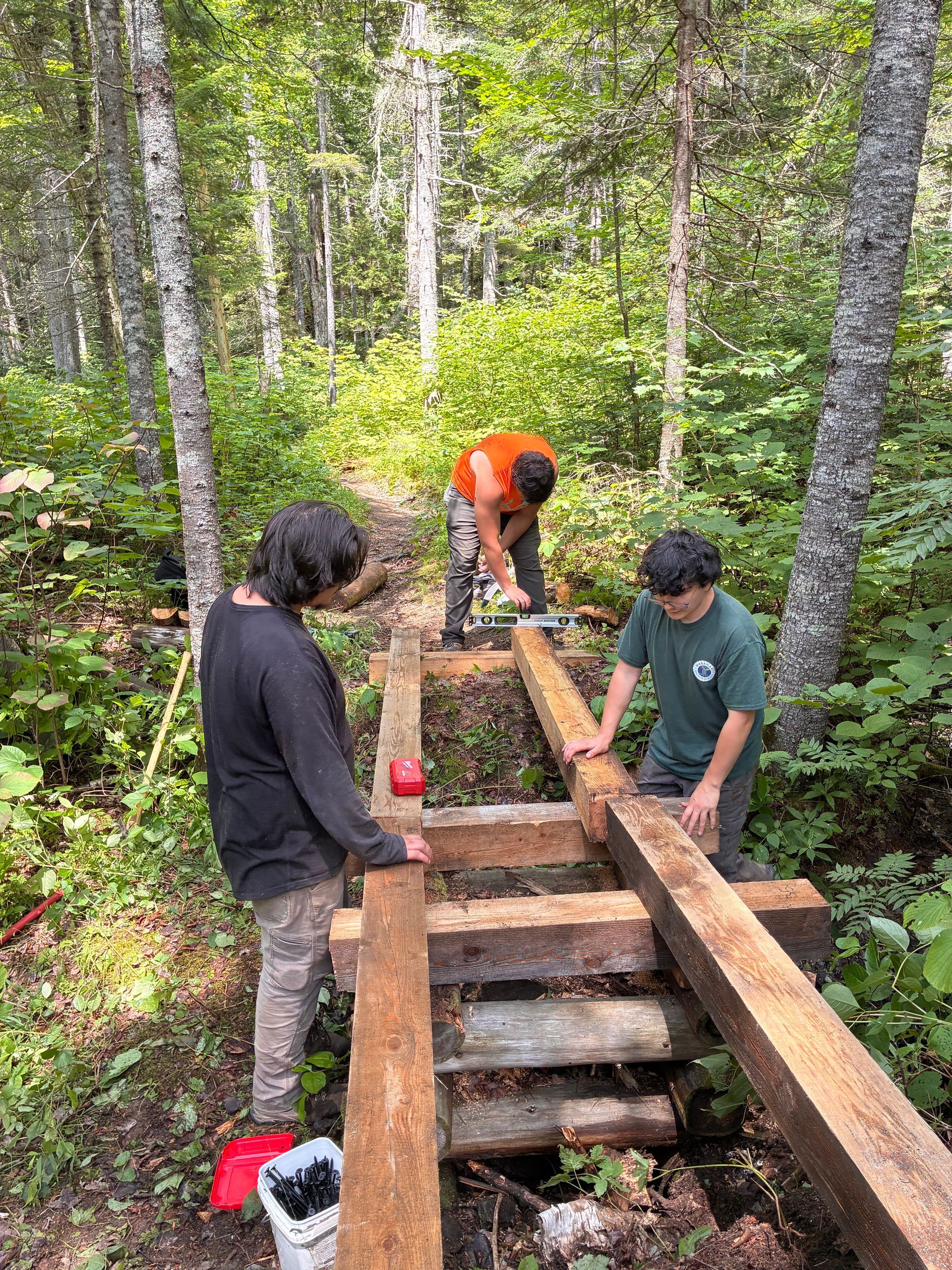
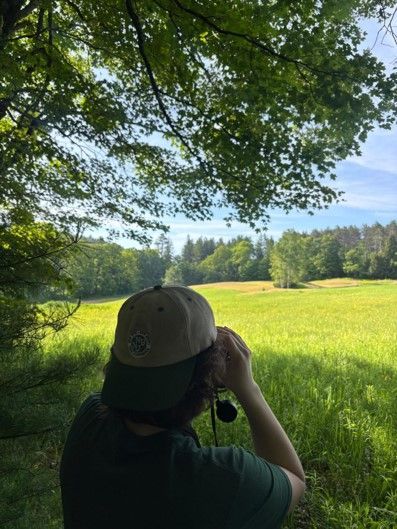
Throughout my time working as a Resilient Forestry Intern at both MABI and SAGA through the Resilient Forests Initiative, a partnership between the Guild and the National Park Service, I have had the opportunity to assist with wildlife monitoring, such as bobolink monitoring, and trail management in preparation for the implementation of the grasslands projects.  My time working with the landscapes in these parks has allowed me to better understand the symbiosis between grasslands and forests and the importance of biodiversity in forested ecosystems. With the proper management of both grasslands and forests, the ecosystem will continue to thrive for future generations.  

Recent Posts

September 14, 2026
Written by Mackenzie Alexander and Eytan Krasilovsky
August 27, 2026
Written by Nora Sappier
August 24, 2026
Written by Kat Smallwood
August 18, 2026
Written by Lilly Roehrig
August 18, 2026
Written by Ami Kane, Chief Development Officer
August 18, 2026
Written by Eytan Krasilovsky. Photos by Hannah Niknow.
August 12, 2026
Written by Kaden Gray
By Daisy Smith August 10, 2026
Written by Madison Morton
Show More