By largely ignoring the urgent calls to action over the last three decades, humanity has arrived at the dangerous ‘find out’ phase of our collective climate experiment. While the threat of global ecological collapse is closer and more likely than any of us want to admit, we can still avoid disaster. Combining collaborative conservation with the power of new technology presents a path forward.
Locally-led collaborative conservation has proven to be a durable and effective way to enhance ecological and community resilience, both in the U.S. and around the world. In fact, it is so successful that the most frequent challenge is acceleration and expansion. New technologies, including high resolution geospatial data and AI-driven modeling, offer tremendous potential to accelerate and expand locally-led adaptation and conservation solutions.
This essay details a rationale for building a nation-wide stewardship decision support system with high resolution geo-spatial data and AI-powered modeling of impacts—essentially a digital twin of real-world ecosystems. This digital twin could give land managers, communities, and the general public the ability to model scenarios, explore alternative outcomes, track progress, and contribute to decisions that account for the diverse values of public landowners and enhance resilience.
Creating this system is a Herculean task. The difficulties surrounding the cost, equity, accessibility, legality, governance, and maintenance of a decision support system for land management will require the combined creativity of experts from just about every discipline. But now is the time to start the discussions, debates, and convenings it will take to hammer out details and craft a robust strategy. With Earth’s life support systems teetering toward breakdown, we must embrace this sort of challenging, novel solution.
Climate disruption requires bold action now!
The current and growing harm from human-driven, rapid climate disruption is hard to underestimate and must drive bold, urgent action. We may have already crossed irreversible tipping points that threaten the basic stability of systems that make Earth habitable. While reducing carbon emissions could ameliorate climate disruption, given our current political and economic trajectory, the most likely future is 2°C or even 4°C of warming with a cascade of alarming consequences. The economic cost of climate disruption in the U.S. is nearly a trillion dollars annually and likely to continue rising. For example, the cost of wildfire management is projected to double by the end of the century, as will the cost of hurricanes, floods, droughts, and winter storms. We are significantly underinvesting in mitigating climate disruption. For instance, the US Forest Service estimates $11 billion and the Department of Interior estimates $35 billion in deferred maintenance. To make matters worse, our ability to invest is declining because of the nation’s growing debt burden and shrinking labor force.
Increasing costs and shrinking resources force triage, focusing scarce resources where success is achievable. To put it bluntly, we do not have sufficient money or people to make all communities resilient or to save all the threatened ecosystems. As distasteful as the idea of triage is, a realistic assessment of our options leaves us with unpalatable choices. Acknowledging the gravity of our situation is a crucial step towards solutions.
Locally-led Collaborative Conservation is Essential
Collaboration, the explicit decision of diverse individuals and organizations to work in good faith toward shared goals by combining resources and with open decision-making, fosters effective and durable stewardship. Successful natural resource management collaborations have been documented for a wide range of issues including watershed health, conservation of threatened ecological communities, and wildfire mitigation.
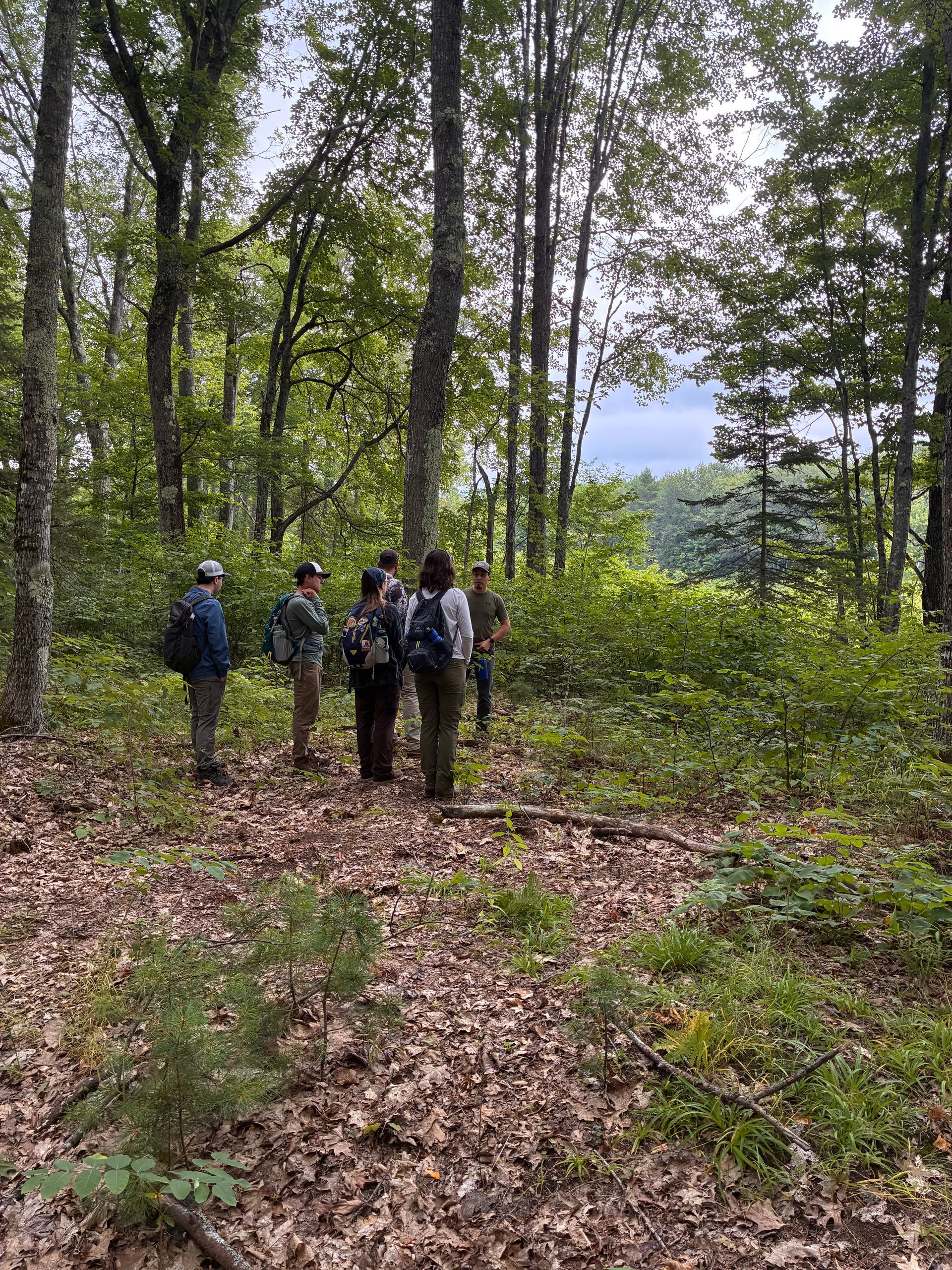
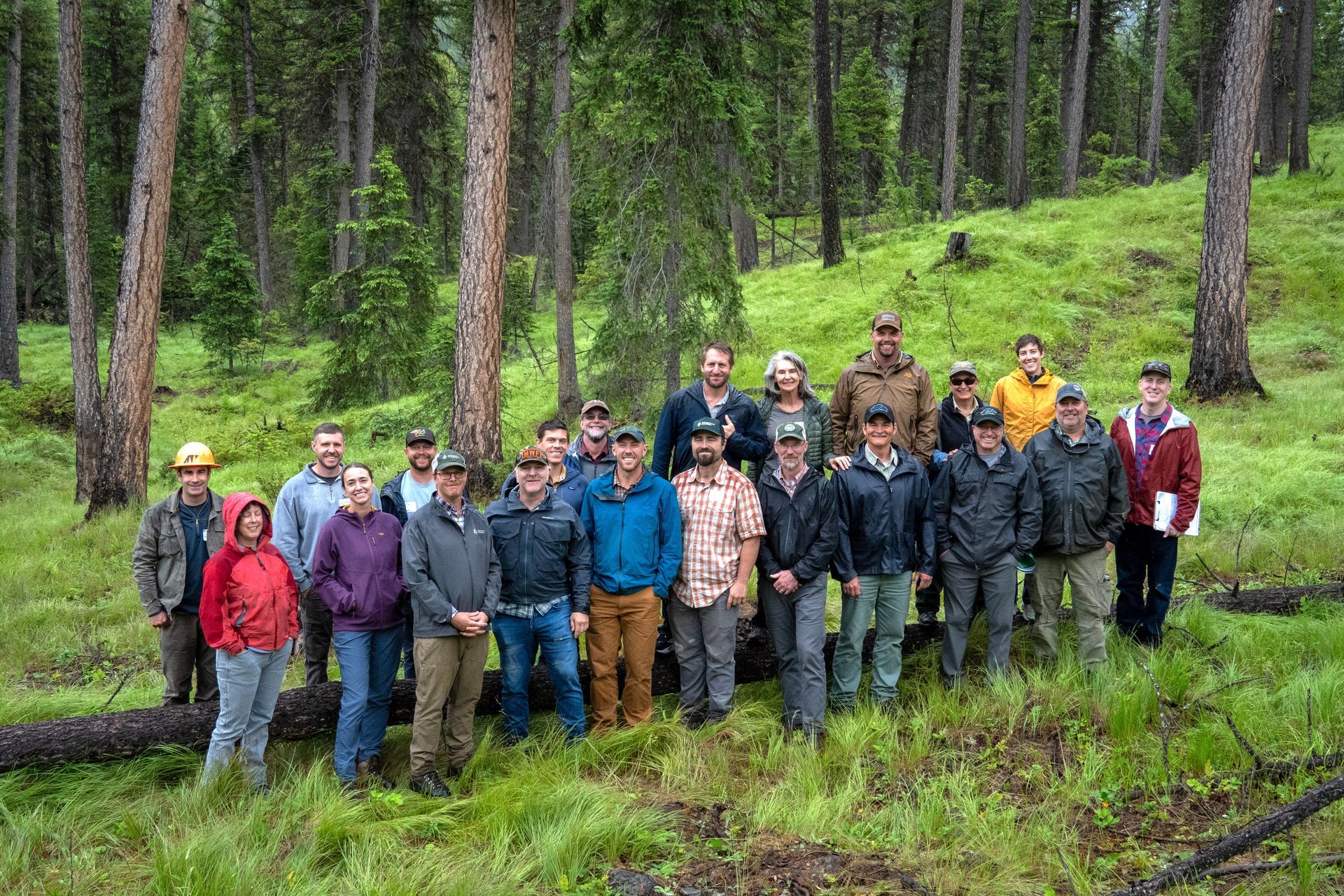
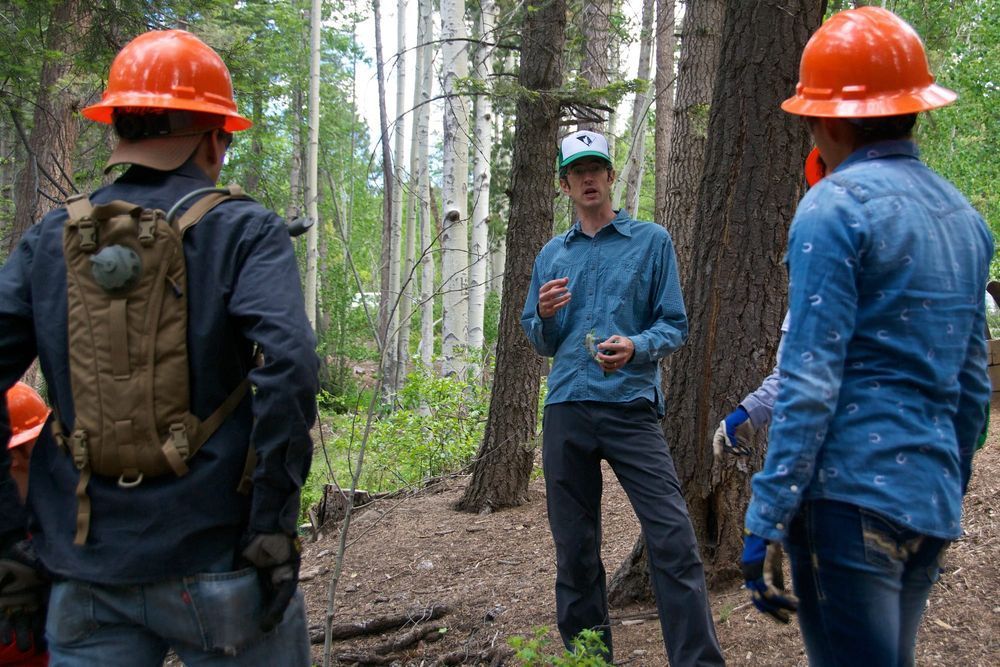
Personally, I have experienced the power of collaboration in the forests of the Southwest. In 2006, diverse groups codified their zone of agreement in restoration principles and built a shared foundation for action across New Mexico. Setting aside polemic positions and working with people of all perspectives for the health of our forests is energizing. Importantly, many of the same folks gathered again and again over years, often in the woods where conversations are easier. Standing together to see the results of different restoration approaches or the negative impacts of uncharacteristic, high-severity wildfire kept us focused on shared values. At the same time, local communities saw momentum and supported the progress. The first prescribed burn I assisted with drew intense community interrogation. The fourth burn brought community participation. I benefit from the tangible results of collaborative conservation everyday – the water I drink was protected from the 2020 Medio Fire by decades of collaborative watershed restoration, specifically the Pacheco Canyon Prescribed Burn.
Of course, issues and disagreements over public lands management remain, but with so much work to do in areas where we agree, the divisive topics are less important. In addition, the disastrous toll of drought and high-severity wildfires continue to incentivize working together and demonstrate the consequences of inaction. Locally-led collaborative conservation is one way to connect “nature loss to the kitchen table issues that keep working class people up at night,” which Amanda John Kimsey’s recent essay argues is crucial for durable progress. The most radical voices on either end of the spectrum still stoke conflict, but, because most practitioners and residents work in the zone of agreement, absolutists fail to incite discord.
Collaboration is not easy. It is slow, costly, and sometimes painful. Participants deal with meeting fatigue, turnover, and shifting funding. However, as Lynn Scarlett’s essay Collaborative Conservation in a Time of Discord eloquently states “locally-led problem solving and cooperative decision making may not be an easy or glamorous solution, but it is the only way to tackle the big challenges facing our public lands and waters.”