Stories from our USFWS Forestry Technicians

November 13, 2026

The Guild has partnered with U.S Fish and Wildlife Service and hired forestry technician at the Moosehorn National Wildlife Refuge in Maine. Below, read about some of what two of these technicians have learned and accomplished this season.

The American Woodcock

Written by Aidan Justino

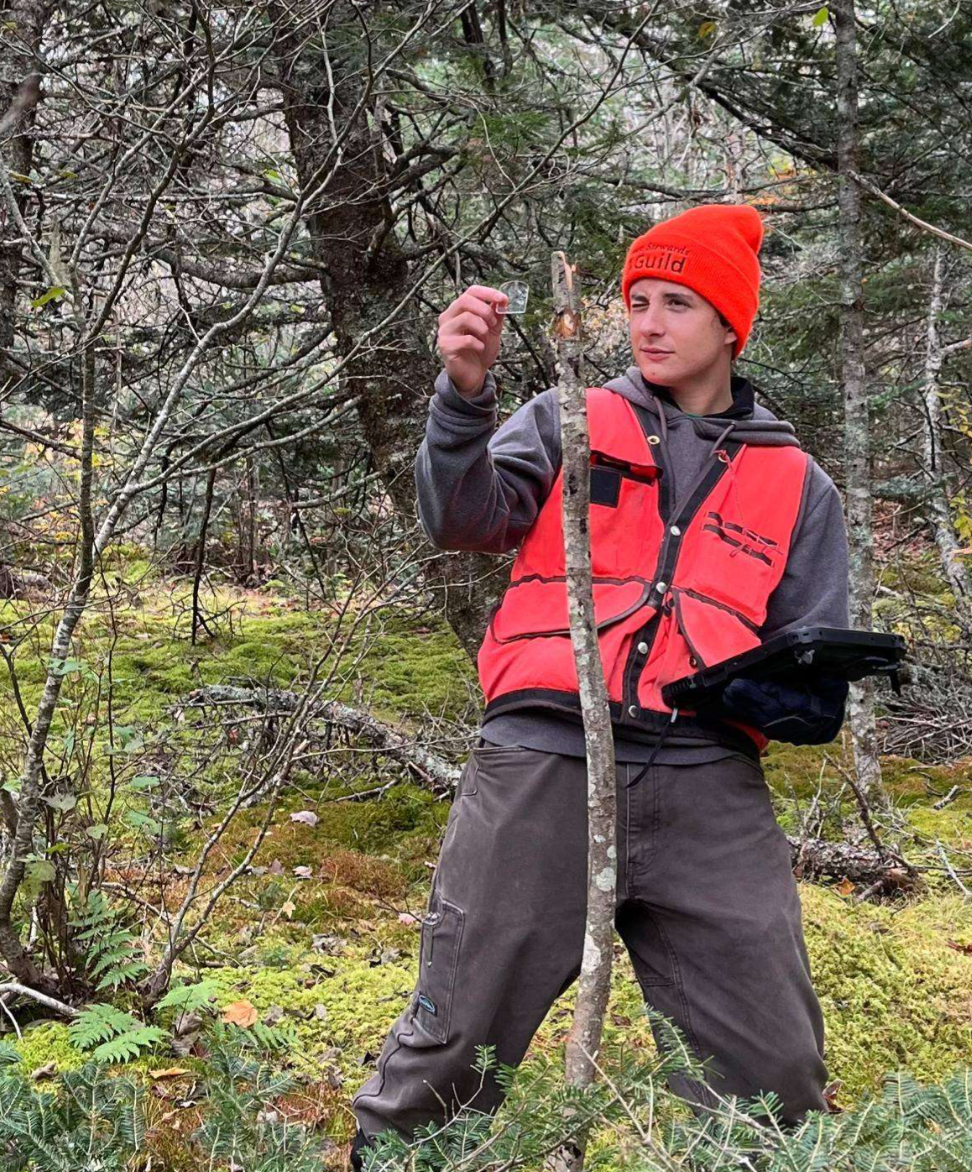
In the summer of 2026, I started working for the Forest Stewards Guild as a seasonal forestry technician at the Moosehorn National Wildlife Refuge in Maine. At the time, I knew very little about the history of the refuge and what made it unique amongst many of the country's wildlife refuges. All I knew was that I was moving to Moosehorn to install long term forest monitoring plots across the refuge, as part of a partnership between the Forest Stewards Guild and the US Fish and Wildlife Service. As I prepared to pack up my life and go to Maine, I was excited and honestly quite scared to set out on this adventure. 


Four years earlier, I started my first semester at the University of Vermont and began pursuing a degree in forestry. Like all forestry majors at UVM, I was required to take a three-week intensive, field-based summer class to graduate. I took it before my senior year in 2025, and our cohort affectionately called it “forestry boot camp” for its fast pace and intensity. We practiced a variety of skills that would be useful for our future careers, including how to identify common birds, frogs, and mammals of the northeast. Between the time spent in class and studying for the final exam, the three weeks felt like a blur, but one bird species stood out to me: the American Woodcock. 


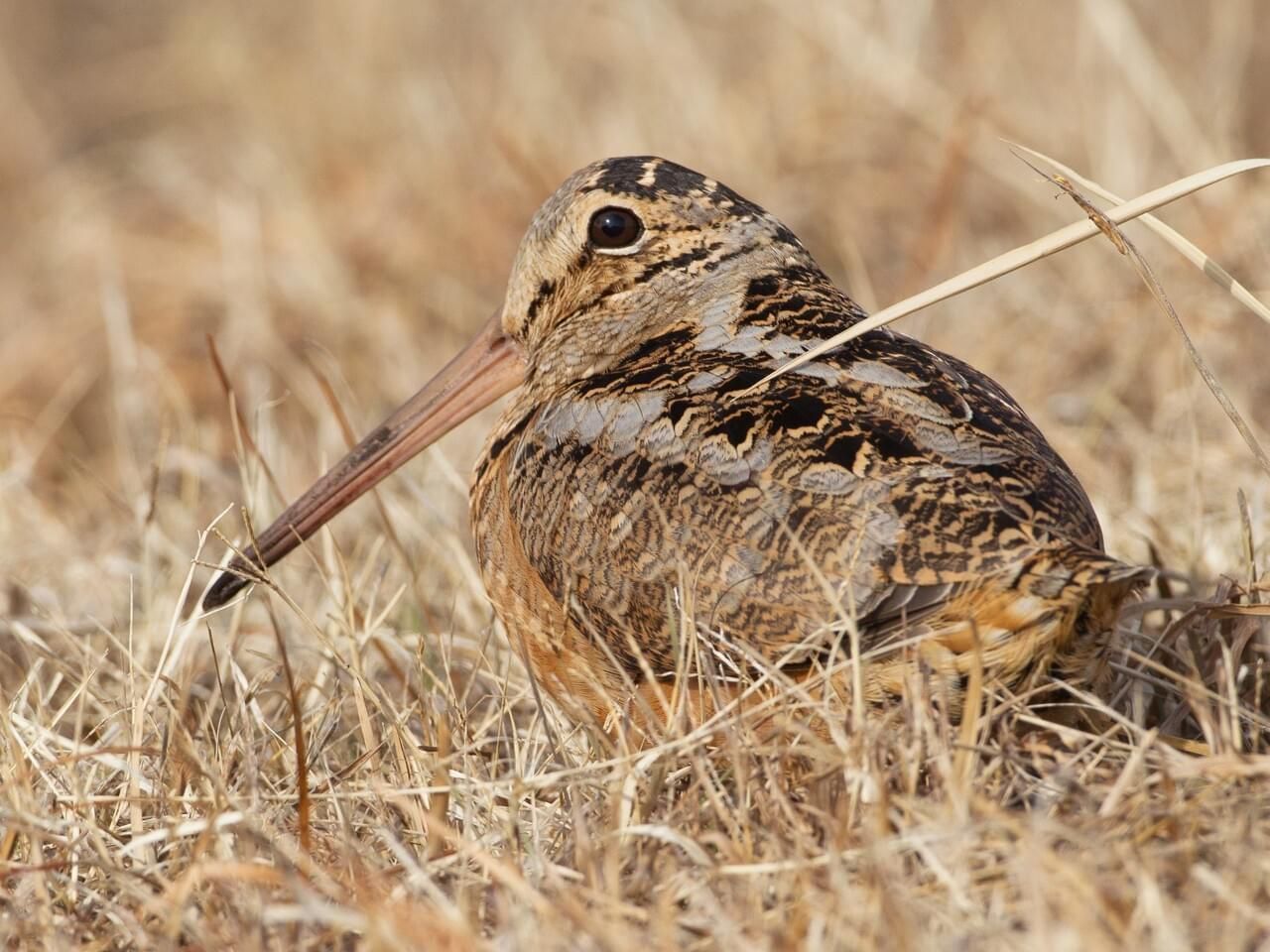
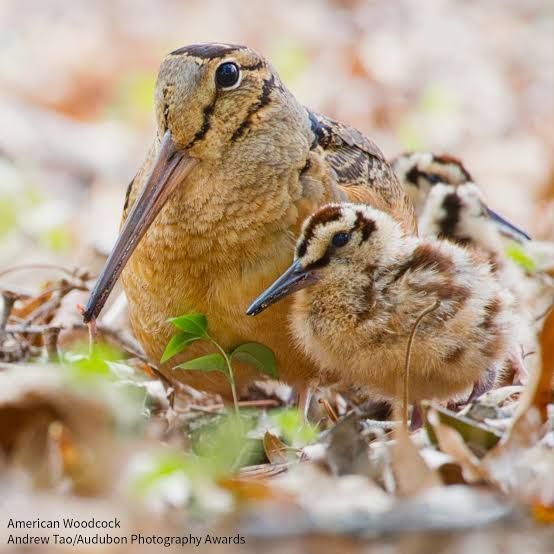
The American Woodcock is not large, or colorful, or loud, but is nevertheless memorable. They are wholly odd in both appearance and behavior. When I was introduced to them in class, it was through audio recordings and images, and I was immediately struck by their stout bodies, beady eyes, and long beaks they use to hunt earthworms. By the end of the course, I had learned to identify them by sight, and by their “peenting”; the word used to describe their characteristic mating call (If you have never heard them peent, I highly recommend watching a video of this display, you won’t regret it). These two features combine to give them a charismatic and comedic persona that I fell in love with. Although I had never seen one in the flesh, I already had begun thinking of them as my favorite bird and was hoping to one day encounter one. 


Fast forward one year, and I am on the cusp of the biggest and scariest transition I have ever made in life: I am about to graduate from college. In just a few weeks, I will say goodbye to the city of Burlington, as well as the closest friends I have ever had, and I am terrified. The only things that feel certain are that everything I have grown accustomed to is about to end, and that I will be going to the Moosehorn Wildlife Refuge for six months to be away from all my loved ones. 


I’ve packed up all my belongings, spent one last night in an apartment full of empty walls, and said more tear-filled goodbyes than I’d like to admit, but there is one more thing on my list of to-dos. I am going up to the Northeast Kingdom before I finally have to say goodbye to Vermont. The summer had just begun in Burlington, but that far north, spring still clung to the air. That first day is beautiful and full of new life, but as dusk begins to settle, the feeling of loss begins to creep in. As I walk through the crisp night air, the many goodbyes still weigh heavy in my chest, and the fear of the future nips at my heels. It is then, as I walk through the evening fog, that a sound pierces through the drone of crickets and spring peepers: 


“Meep… meep…” 


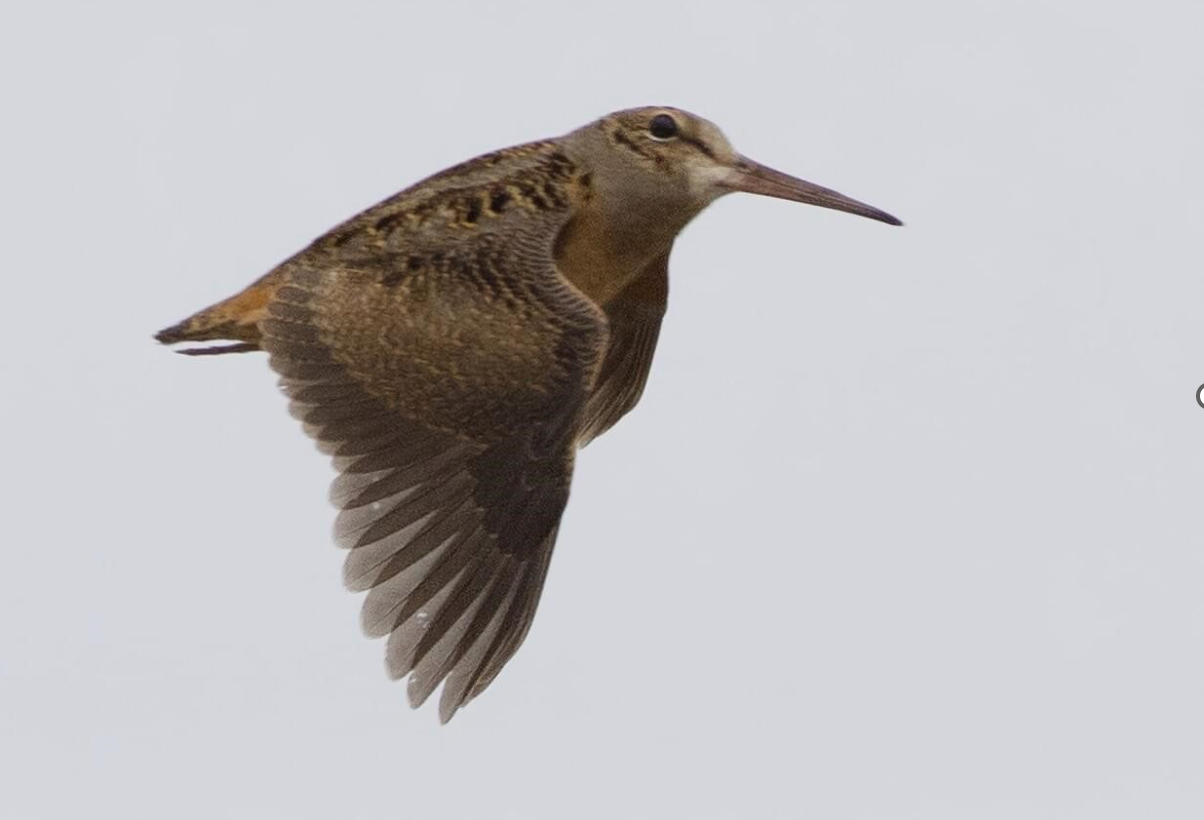
I stop, and as I listen to this familiar sound, the image of a bird pops into my head. It is round and stout, with brown and black mottled plumage. It’s about 4-10 ounces in weight, and 10-19 inches long, with a wingspan of about 16.5-19 inches. Its black, beady eyes are set far back in its skull, and its beak is long, thin, and flexible. I smile as its silly peenting breaks through the foliage to my left, and I cautiously step off the road and into a small clearing. 


American Woodcocks are very shy, and they are mainly crepuscular, meaning they are active during dawn and dusk. They use the cover of darkness to their advantage as they roam open fields for food and mates. They feed on invertebrates like centipedes and earthworms, using their long beaks to probe the soil for their cryptic prey. Males will attempt to attract females with their peenting, and will then launch into the air to perform a “sky dance” of twirling flight. During this display, their wings produce a “tittering” sound as they flap rapidly. 


Peering around in the dimming twilight, it seems I have interrupted this ritual with my blundering footsteps. The noise is gone, along with any sign of its maker, but through the sheepish guilt I feel at my intrusion, my smile remains. I may have scared off my quarry, but this was the closest I’ve come to seeing the bird that had fascinated me for over a year. As I turn back to the road, it is not disappointment that I feel, but hope. 

When I first arrived at Moosehorn, I was introduced to my new home. Above the front door to the old one-story building hung a sign: “Woodcock shack”. It is a small bunk house, with a kitchen, three bedrooms, and two bathrooms. The exterior is somewhat dingy, but the interior is wood paneled and has what one might call personality. An assemblage of items left here by previous seasonals line the shelves: a deer jawbone, a DVD of ‘Shawshank Redemption’, but my favorite part of the shack is my room. One bed, warm lighting, windows facing the sunrise, and of course, a taxidermy American Woodcock hanging on the door. 


It was during my first week at Moosehorn that I finally saw an American Woodcock. The sprawling stems of speckled alders criss-crossed this way and that as I bushwhacked towards plot #92, causing me to focus almost entirely on where my next footstep would land. As I lunged over a knee-high branch, I was startled by a flurry of wings, and a burst of short, high-pitched sounds as a small brown mass zipped up from the mud and out of sight above the alder thicket. For a moment, I just stood there, trying to catch my breath, and chuckling at how something so small could make my heart nearly jump out of my chest. 


Through my mild shock, I could feel the excitement of what I had witnessed. I had finally seen an American Woodcock. When I arrived at Moosehorn I learned that since the establishment of the Refuge, it had been the central hub for American Woodcock research. It had even been created because it was such a valuable habitat for them. I had hoped it was only a matter of time before I saw one, and to my joy, I was right. 


When I got back from the field that day, I began researching their daytime behavior. I found that they often use dense marshes and bogs as cover from predators while they forage prey during the day. This is likely how they earned the nickname “bogsucker”. That burst of high-pitched sounds I had heard was likely the “tittering” sound produced by the wings of males while they are in flight. 


As I began to settle in at the refuge, I would spend my evenings sitting outside on the lamplit porch of the headquarters building, enjoying the hilltop view overlooking the refuge. Every night at dusk during their breeding season, which lasts throughout the spring and into summer, the sound of American Woodcocks peenting gave me comfort. As my departure nears, I am grateful I got to spend this time here. The refuge is beautiful and is home to these magical humorous birds that provide food, diversity, and ecological structure. Their appearance and call make me want to laugh, yet their courtship displays are nothing short of beautiful. 


This place is special, not just because they are here, but because of what the refuge does for them. American Woodcock populations have been declining since 1976, and they face several threats, chief among them being habitat loss. The American Woodcock relies heavily on early successional habitat, typically open areas created right after a disturbance such as wildfires or timber harvests. These disturbances provide the open areas they use to forage food, find mates, and lay eggs. In recent years, this kind of habitat has become less common due to lack of fires and increasing human development. 

Even on the refuge, habitat loss for American Woodcock is a concern. The refuge used to conduct controlled burns in certain areas on specified intervals of time, but since their burn crew was reassigned, they have not been able to. They have tried to replicate the effects of the burns by mowing the fields, but the beneficial conditions created by a fire are difficult to replicate. 


Even with all these challenges, the refuge is still fighting to provide these birds with a home, and the work they do inspires me to continue working in conservation. The data I am collecting at this refuge can contribute to the efforts to maintain habitat for a wide range of species on this land, including the American Woodcock. As I move into the next chapter of my life, I will think of the refuge and the woodcock, and it will serve as a model for what we can do to coexist with all the creatures we share the land with. 


Aidan graduated from the University of Vermont in 2026 with a B.S. in Forestry. He worked as a seasonal forestry technician with the Guild in the summer and fall of 2026 at the Moosehorn National Wildlife Refuge in Maine. His goal is to use forest management to provide resources to people, protect ecosystems, and eliminate mosquitoes. 

Why Are Moose Calling Out Sick? The Impact of Winter Ticks on Moose Populations in Maine 

Written by Emma Leary

When I was hired as a Forestry Technician for the Refuge Stewardship project with the Guild and U.S. Fish & Wildlife, I thought it was destiny that I would be working at Moosehorn National Wildlife Refuge. I have always found moose fascinating. Growing up in New Jersey, I was familiar with only one member of the Cervidae family: white-tailed deer. When I learned about moose, the white-tailed deer’s larger-than-life relative, I was instantly enchanted. Moose are among the few surviving large mammal species from the Pleistocene epoch, which is commonly known as the Ice Age (Groves, n.d.).  


I developed a lifetime goal to see a moose at a young age. This goal was accomplished in the summer of 2024, but not in the way I would have hoped. I worked as a forestry technician at Umbagog National Wildlife Refuge in New Hampshire. I was told this was a hot spot for moose, and to be very cautious when driving.  


 The first moose I saw -while driving into the field at 7am- was roadkill. It was truly devastating to see the charismatic megafauna sprawled onto the rural road. I had to alter my original goal: I needed to see a living moose.  

To encounter a moose, you must first understand their lifestyle. Moose are diurnal, meaning they are most active at dawn and dusk. In the spring and summer, moose feed on plant pond roots in ponds and wetlands. In the fall and winter, moose transition to eating in the forest, with a focus on woody bark, buds, and twigs. The Algonquin word “moose” means “eater of twigs” or “stripper of bark”. This name fits their requirement of 40-60 pounds of vegetation each day. Coniferous species, such as balsam fir, are essential for moose survival in the winter when deciduous trees lose their leaves (Maine Department of Inland Fisheries and Wildlife, n.d.). If you have ever been to Umbagog National Wildlife Refuge, you know it is crawling with balsam fir.  


I stayed on the prowl for moose, day in and day out. I kept my eyes glued to the windows, searching for a moose every time we drove to and from the field. My impatience got the best of me, and I quickly lost hope that I would accomplish my goal after only a month of careful searching.  


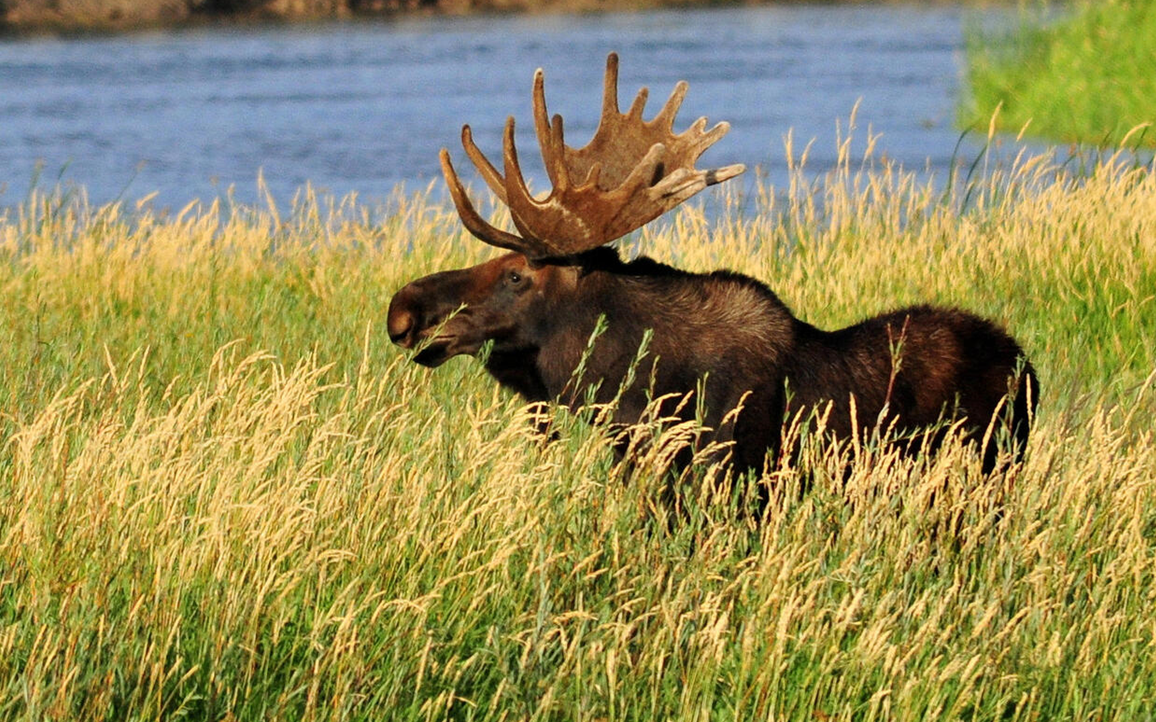
On one July morning, when I was casually looking out the window on Route 16 in Errol, NH with no intention behind my eyes, I saw a bull moose posed majestically behind a stream next to the road. I could hardly believe my eyes. “MOOSE!” I yelled to my crewmates in the car. We turned around and drove back so everyone could have a look. This moose almost looked like a mythical creature. He stood majestically over a pond in the morning dew. Was that real? I continued to question my encounter with this animal that seemed to be pulled out of a fairytale for quite a while. I searched for another moose for confirmation in the following months, but the moose must have sensed that I was trying too hard to find them. One thing I have learned about moose is they love playing hard to get, and my desperate attempts to see them only made them become more elusive. 

Hope swelled again in June 2026, as I begin my role as a seasonal forestry technician with the Forest Stewards Guild and the U.S. Fish & Wildlife Service. I worked at Moosehorn National Wildlife Refuge in Baring, Maine. Maine is home to the largest moose population in the contiguous United States.  


Maine’s northern forest provides ideal habitat for moose. The regular harvesting of trees for timber allows young trees and shrubs to grow in the understory, which provides the perfect nutrition for these twig eaters. As I drove into Maine, east, east, finally downeast, and still further east, I was full of excitement for many moose sightings to come.  


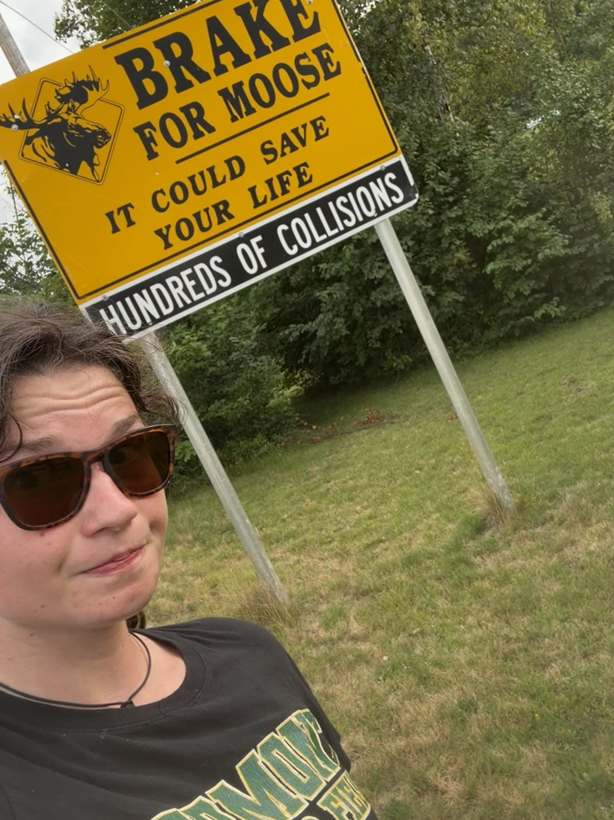
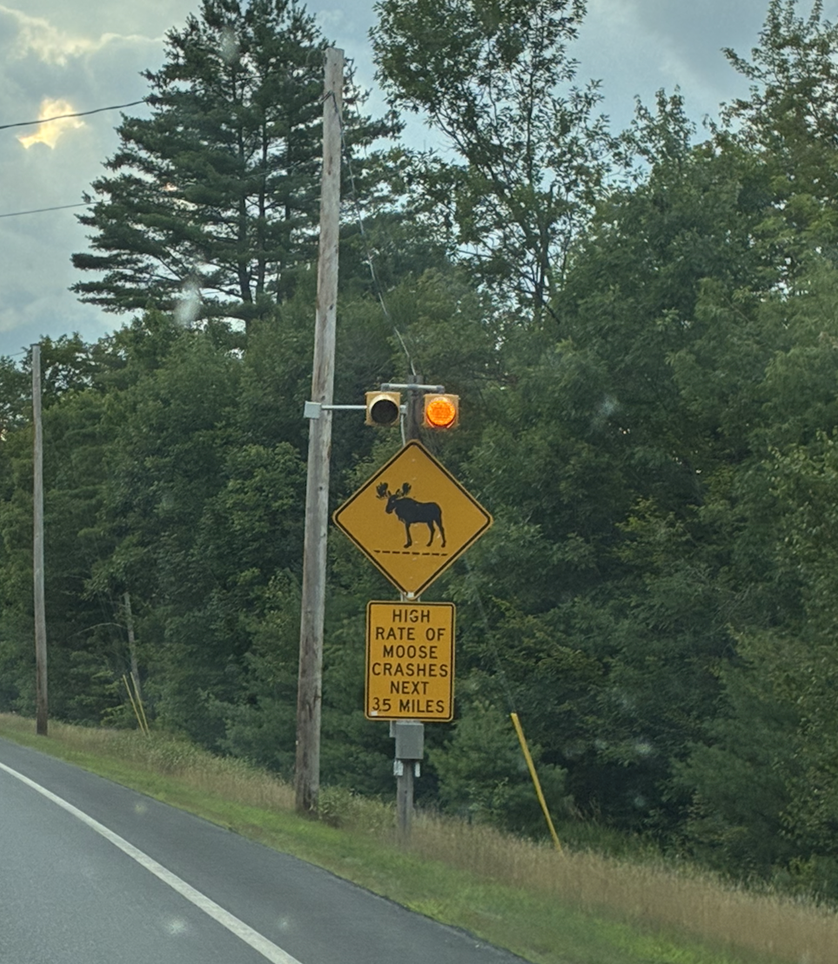
Unfortunately, moose have recently been scarce around the refuge according to the Moosehorn’s Refuge Biologist, Maurry Mills, who has worked at Moosehorn since 1985. The population is declining in part due to an abundance of winter ticks.  


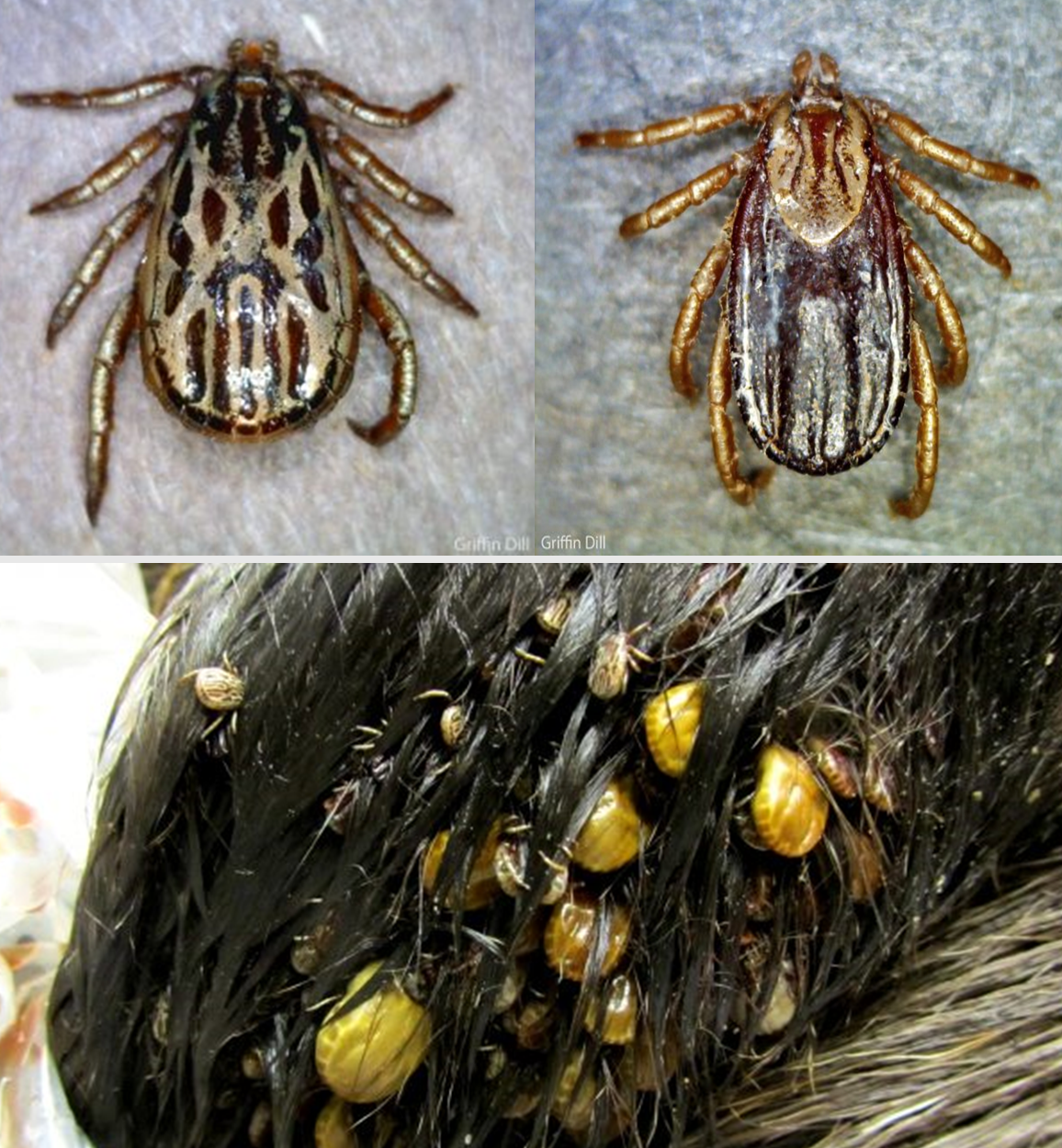
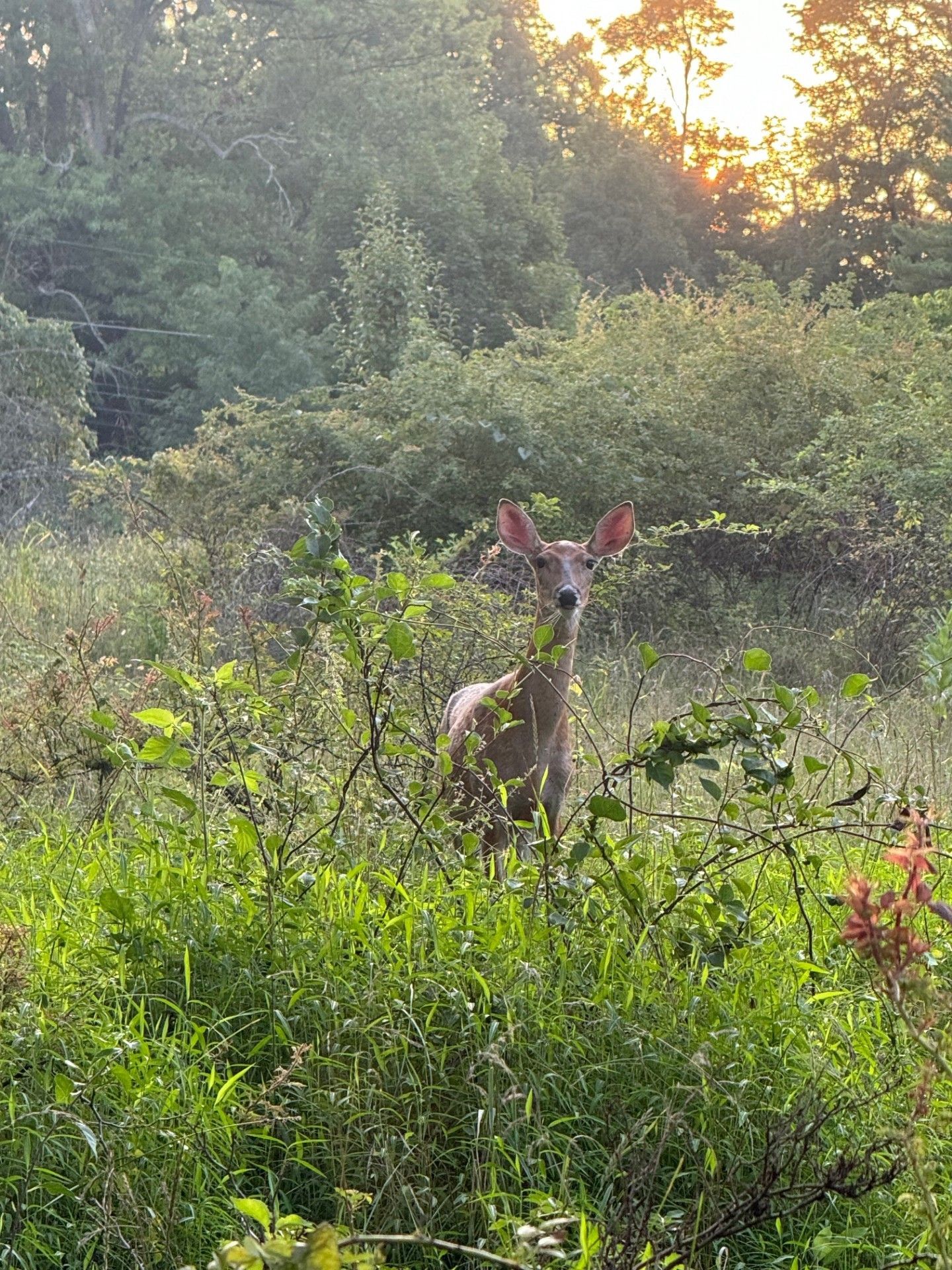
The winter tick’s scientific name is Dermacentor albipictus, combining ancient Greek and Latin roots to translate roughly to “white painted skin piercer”. This tick is a small, external parasite which survives on the blood of mammals, with moose being the preferred host.  Milder winters and shorter snow seasons due to climate change give ticks more time to reproduce in the spring and find a host in the fall. These ticks bite by the thousands and stay on moose for their entire life; up to 90,000 ticks can be found on a moose at one point in time (Kim, 2020). Winter ticks can attach to other species, such as white-tailed deer. Unlike moose, deer are very efficient groomers. Deer remove winter ticks, interfering with their need to stay on one host for their entire life cycle. 

Though adult survival rates remain at around 90%, calves are unable to withstand blood loss at a smaller size. These parasites on moose calves result in severe anemia and weight loss. Maine moose biologist Lee Kantar said 72% of the state’s GPS-collared moose calves died before reaching their first birthday in 2026 (McGuire, 2026). 


But all hope is not lost! Research in other parts of North America has found that reducing moose population densities leads to a decrease in food source availability for winter ticks and therefore decreases the chance of tick survival. The Maine Department of Inland Fisheries & Wildlife is conducting a multi-phase adaptive management study to determine if moose density reduction will solve the winter tick crisis in Maine. 


In phase 1 of the study, adult cow and calf moose were fitted with GPS collars and sampled for winter ticks, blood parameters, and internal parasites over seven years (2014 -2020) to investigate winter tick impacts on annual survival of adult cows and calves. 


In phase 2 of this study (2020 - 2025), the harvest of adult cows and calves was increased in specific adaptive hunting zones to evaluate if lower host densities, regulated through controlled hunting, might disrupt winter tick cycles and increase calf survival rates over the winter months.  


There was a significant pushback regarding phase 2 of the study. A moose hunting permit in Maine is one of the most competitive and sought after hunting opportunities in North America. The strategy of killing moose to save moose is very counterintuitive. Hunters invest significant time and money into the moose permit lottery and have expressed frustration over the targets on breeding cows and calves. Along with a sentiment of discomfort, hunter success rates were low due to a delayed start to the season. As a result, the decline in moose populations the study was hoping to produce was unsuccessful. Researchers are continuing long-term monitoring of moose calves using GPS collars to gain more information on how winter ticks impact mortality. 


If you’re as fond of moose as I am, you may be wondering: what can I do about winter tick management? Individuals can support broader conservation efforts by participating in regulated hunting, reporting unusual wildlife observations to the Maine Department of Inland Fisheries and Wildlife, and submitting tick specimens to the University of Maine Cooperative Extension Tick Lab. With more people aware of this issue, and more eyes on the problem, more minds can come together to find a solution. 

Emma Leary graduated from The University of Vermont with a degree in environmental science and a minor in geospatial technologies (‘26). Her time as a forestry technician with the Forest Stewards Guild allowed her to gain a deeper appreciation for the environment around her. Emma’s mission? Protecting forest creatures big and small—even the bees that make their appreciation known with a sting


Works Cited 


Groves, P. (n.d.). Pleistocene megafauna in Beringia (U.S. National Park Service). Nps.Gov. Retrieved November 6, 2026, from https://www.nps.gov/articles/aps-17-1-4.htm 


Kim, A. (2020, February 26). Huge numbers of ticks are wreaking havoc on the moose population in Vermont. CNN. https://www.cnn.com/2020/02/25/us/ticks-moose-vermont-trnd 


Maine Department of Inland Fisheries and Wildlife. (n.d.). Moose: Mammals: Species information. Maine.gov. https://www.maine.gov/ifw/fish-wildlife/wildlife/species-information/mammals/moose.html 


McGuire, P. (2026, June 17). Drought fails to dull tick harms to Young Moose. Maine Public. https://www.mainepublic.org/climate/2026-06-17/drought-fails-to-dull-tick-harms-to-young-moose 

.  

Recent Posts

October 13, 2026
Written by Nick Alpeza
October 9, 2026
The Paper Birch: A Central Character in the Story of Ecological Succession
October 1, 2026
Written by Dave Wager, forest ecologist
September 17, 2026
Written by Eytan Krasilovsky 
September 14, 2026
Written by Mackenzie Alexander and Eytan Krasilovsky
September 14, 2026
The Fight to Keep Beech on the Landscape
August 27, 2026
Written by Nora Sappier
August 24, 2026
Written by Kat Smallwood
Show More