Guild convenes Shared Stewardship Peer Exchange in Northwest Montana

August 18, 2026

Written by Eytan Krasilovsky. Photos by Hannah Niknow. 

2025 saw more than 10 new or updated Shared Stewardship agreements between the USDA Forest Service and states, Tribes, and organizations. Very quickly, the Guild became interested in learning more.  


How were these agreements structured? Who was involved? What type of forest management was being pursued? Are these models of working together scalable? Are people facing similar or disparate challenges?  


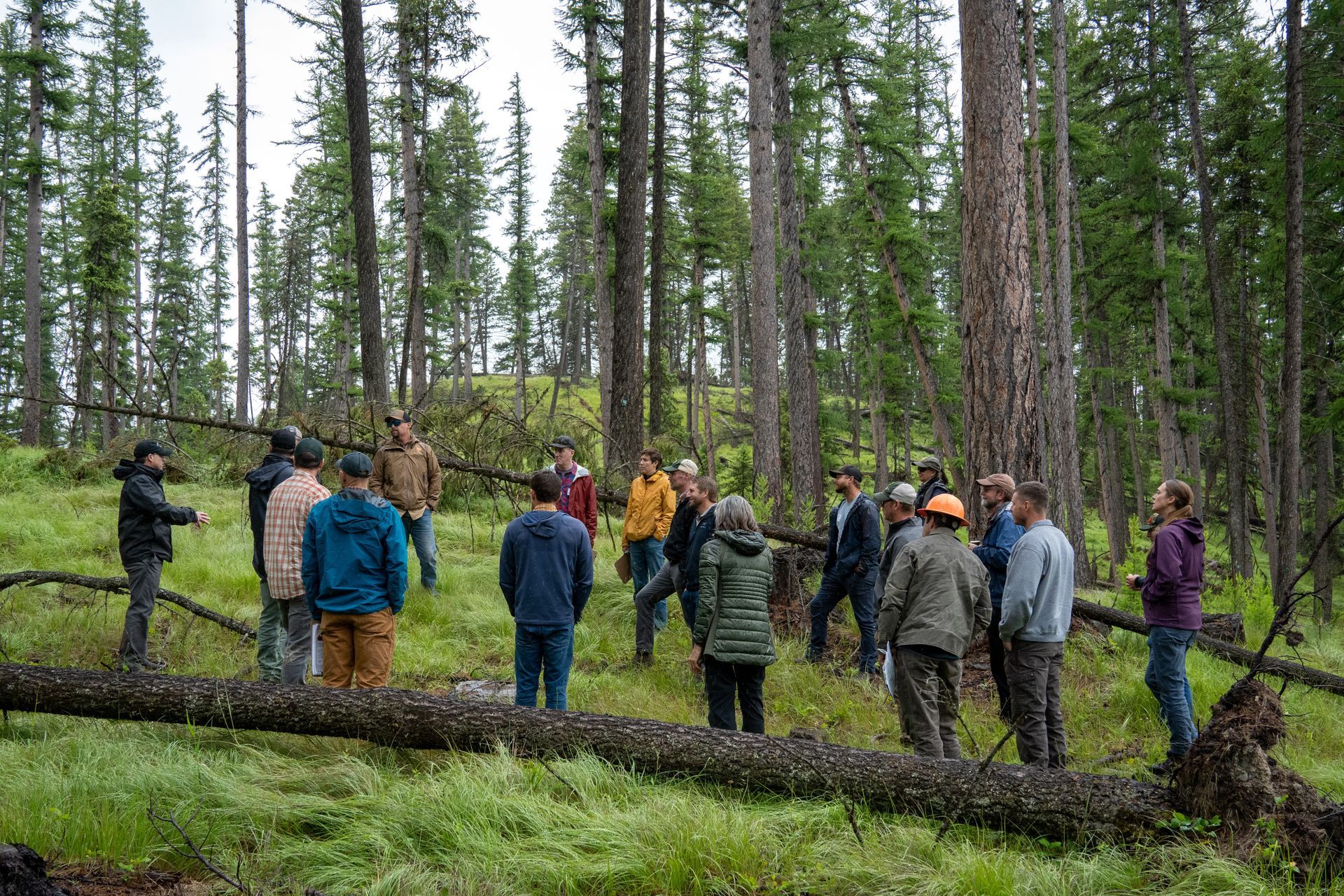
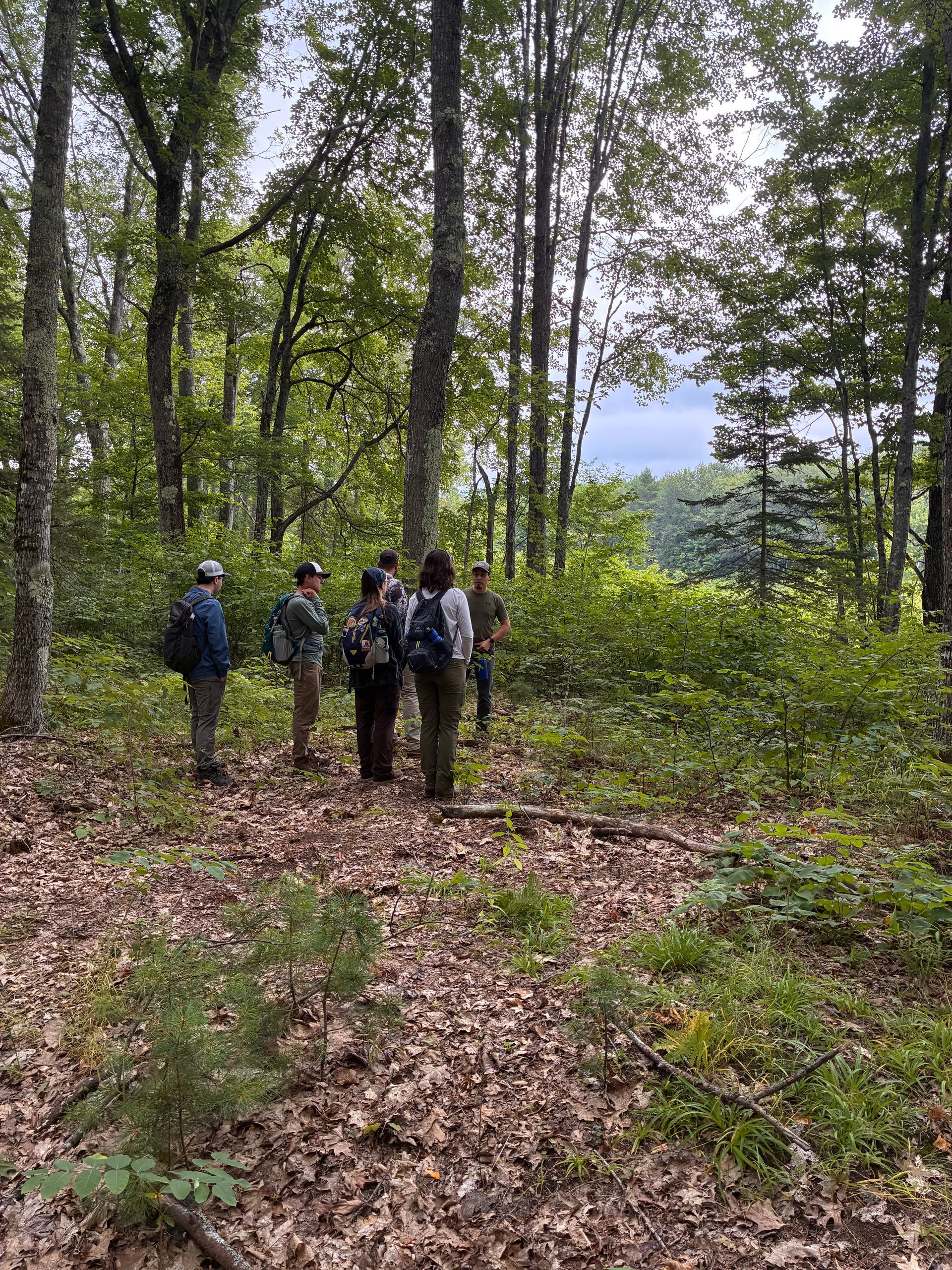
With all these questions brewing, and with some generous foundation funding in hand, we set out to convene some peer exchanges in 2026 to dig deeper and do what the Guild does best - bring people together in the woods to share, learn, and connect

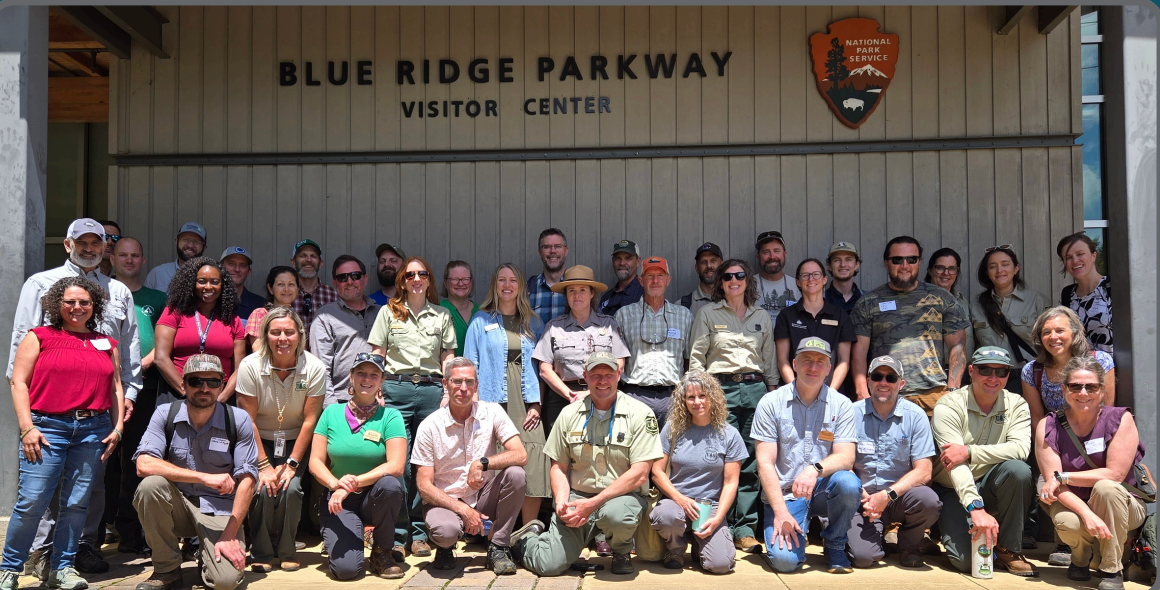
After several months of planning with staff from the Montana Department of Natural Resources and Conservation (MT DNRC) and the Flathead National Forest (Flathead NF), our first event was June 26th in Kalispell, Montana.  


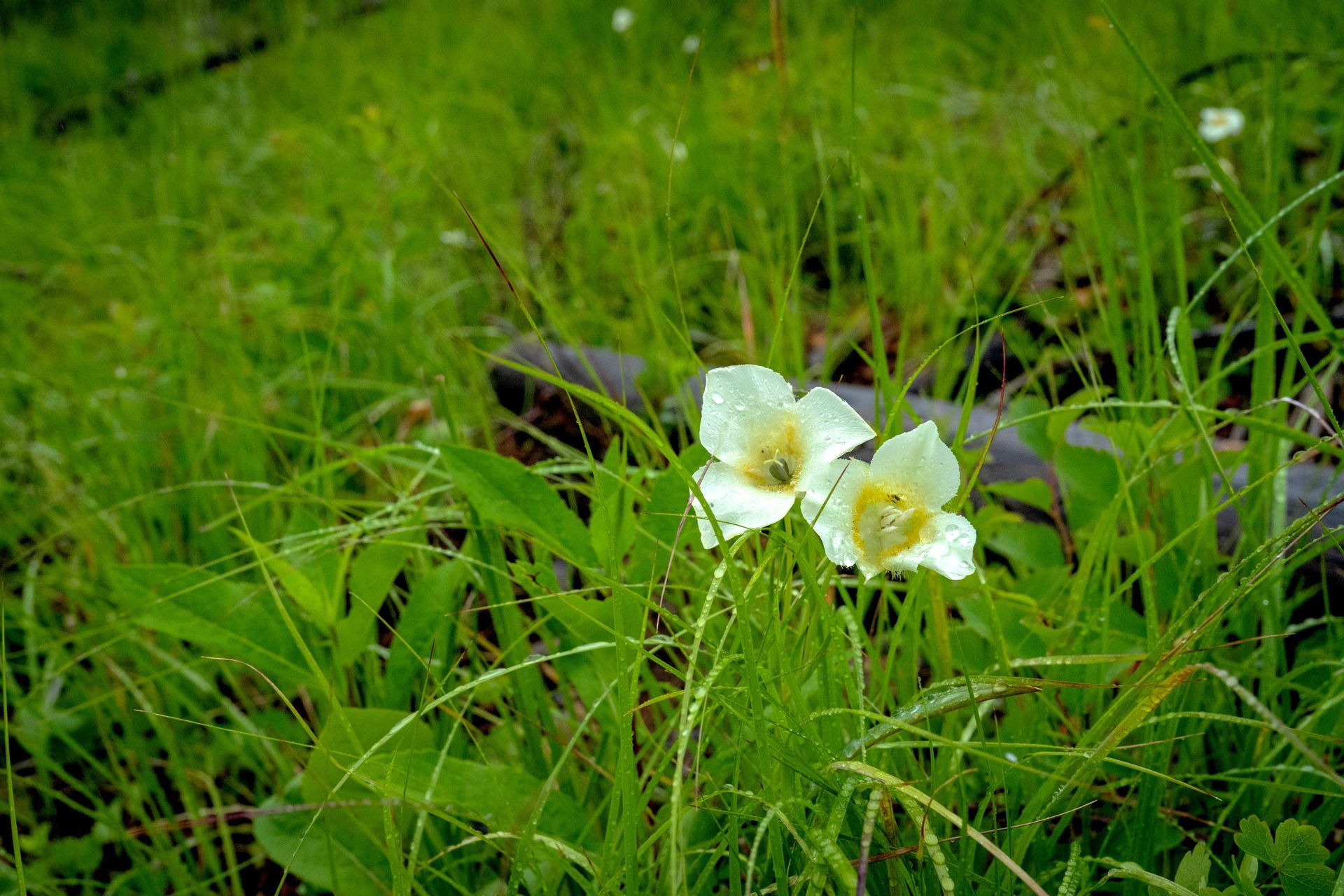
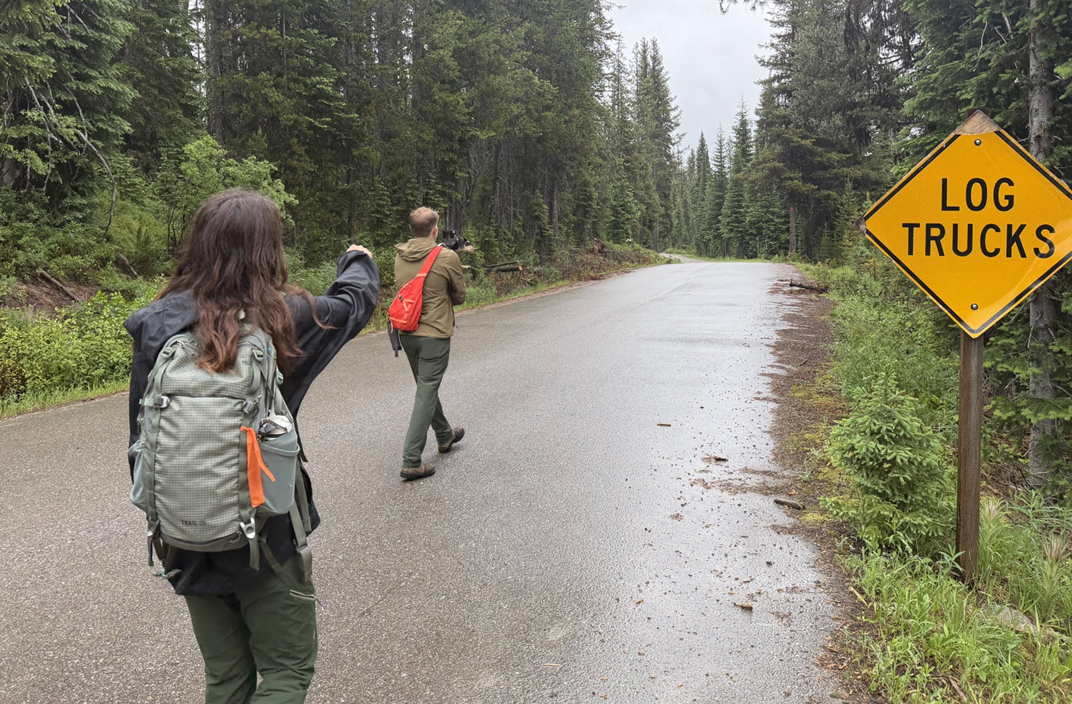
We were already deep into a hot, dry, and windy fire season in the Southwest when me, Cody Dems, and Maya Hilty traveled to Montana to coordinate and facilitate the field day. Montana welcomed us with light rain, clouds, and a beautiful green forest understory.  

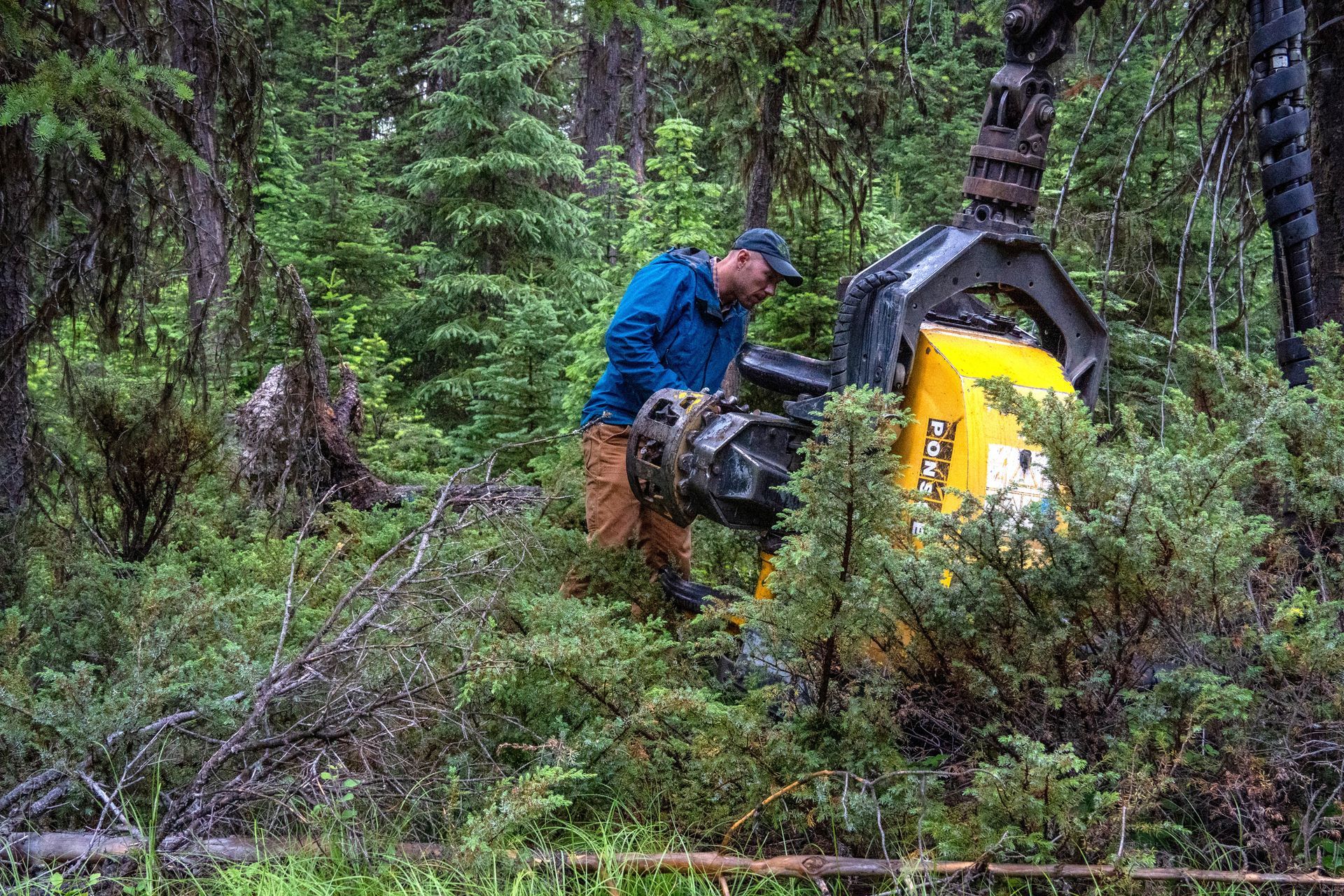
I was surprised to learn that unlike drier areas of the West and Southwest that have very diminished sawmill infrastructure, the Shared Stewardship treatments on the Flathead National Forest are paying their way out of the woods. The timber sale funds are used to sustain and grow the small and efficient team at the MT DNRC that are doing regulatory planning and compliance, sale management and procurement, and generating enough additional funds to repair roads, address invasive species, and fund follow-up pile burns. Having state employees conducting planning, compliance, procurement, and forest management on federally managed public lands is still very much a new model in much of the West and elsewhere. 


Flathead NF staff relayed how they can have increased capacity via their partnership with the MT DNRC and accomplish more forest management than they could without the partnership.  


Is it scalable? We found out that yes, it is, but expansion will have to account for proximity to mill infrastructure, timber quality, and where partnerships exist or can be fostered.  


What type of forest management is being implemented? We saw stands treated to remove fir and lodgepole pine trees (ladder fuels) and highlight the fire and drought resistant western larch and ponderosa pine. We saw powerlines being treated to protect infrastructure, forests, and watersheds since powerlines are a common wildfire ignition point. We saw treatments around communities for protection from high intensity wildfires.  


You can read more in this PDF summary and key takeaways from Kalispell. 

Recent Posts

August 18, 2026
Written by Ami Kane, Chief Development Officer
August 12, 2026
Written by Kaden Gray
By Daisy Smith August 10, 2026
Written by Madison Morton
July 31, 2026
Written by Auldon Perkins
July 16, 2026
Written by Ami Kane, Chief Development Officer
July 15, 2026
Written by Natalie Warrick
July 15, 2026
Written by Esmé Cadiente
July 15, 2026
Written by Michelle Giles
Show More