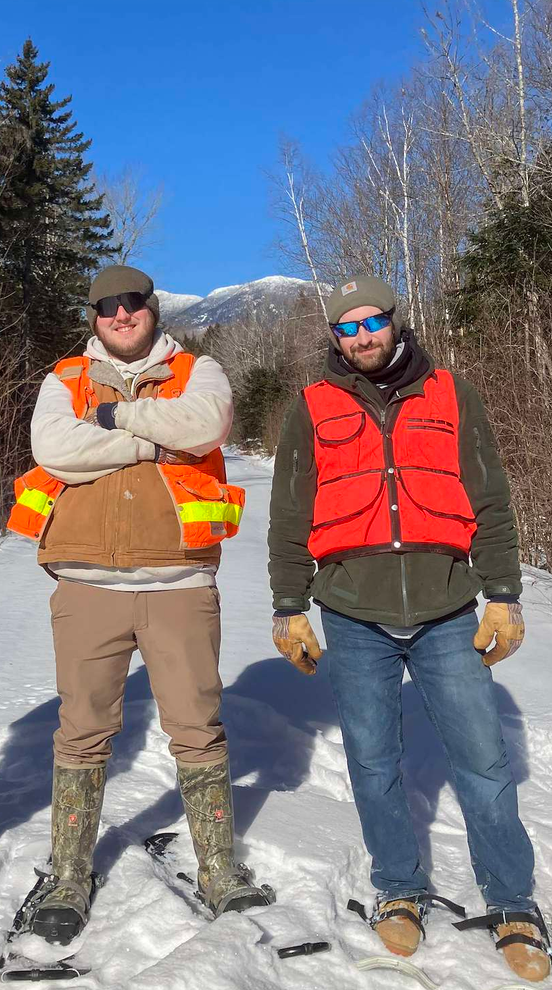
The Future of Forestry Highlight: A Discussion with Gabe Stewart and Jacob Baker

November 18, 2026

Written by Ami Kane, Chief Development Officer 

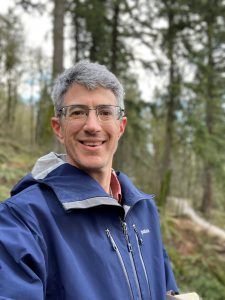
One of my favorite things about my role at the Guild is being part of the team that gets to share stories about the incredible work my colleagues and our members are up to, across the landscape. Below, I share highlights from a recent conversation I had with Gabe Stewart and Jacob Baker, forestry professionals in Maine. Gabe and Jacob are not only doing the important work of stewardship today, but will lead this work forward into the future.  


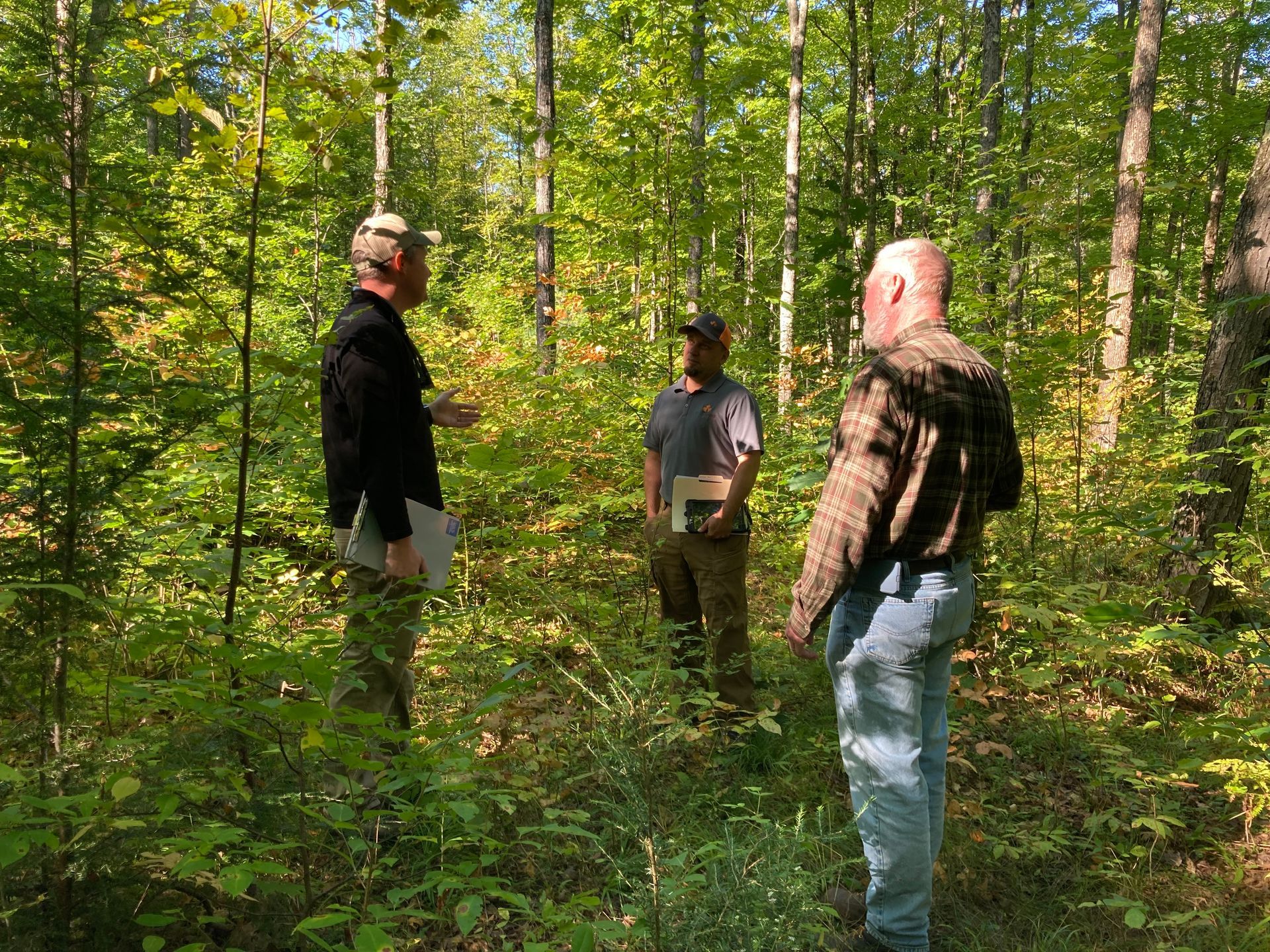
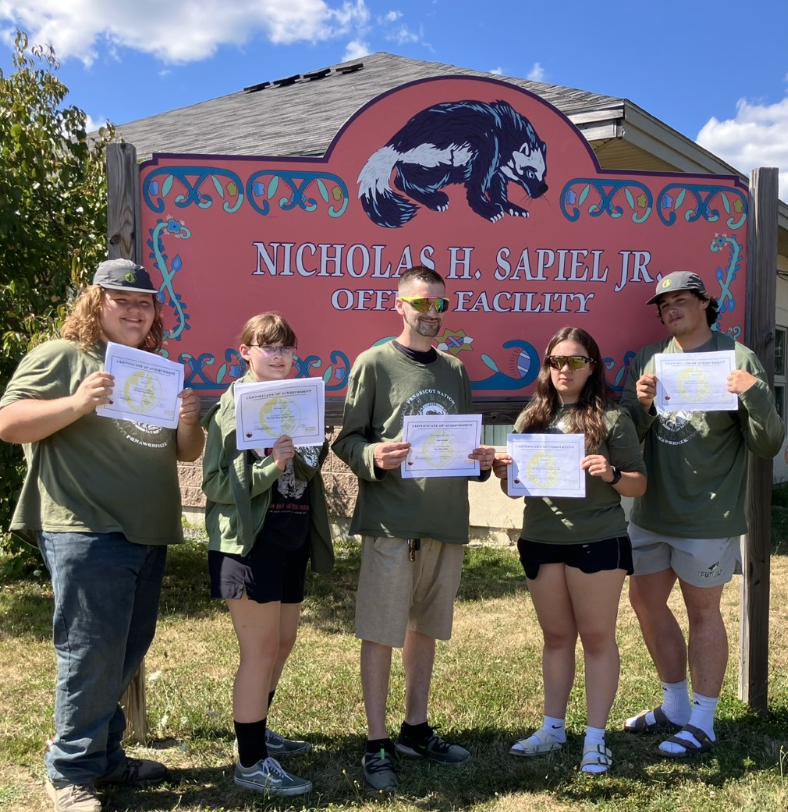
These leaders first got on my radar when our Eastern Deputy Director, Matt Piccarello, told me about some members of the Guild’s Forest Stewards Apprenticeship (FSA) crew in Maine who impressed him. They had been serving on the Guild’s FSA crew in partnership with Penobscot Nation, and shortly after their crew season ended, both were hired into permanent positions. Jacob is now a Forester with Penobscot Nation and Gabe is the Guild’s own FSA Crew Leader in the region. They continue to partner together stewarding the land.  


I asked Gabe and Jacob recently if they would take some time to talk with me about their experiences. Here are some highlights from our conversation.  


Ami: Can you share a little bit about your experiences working with the Guild?  


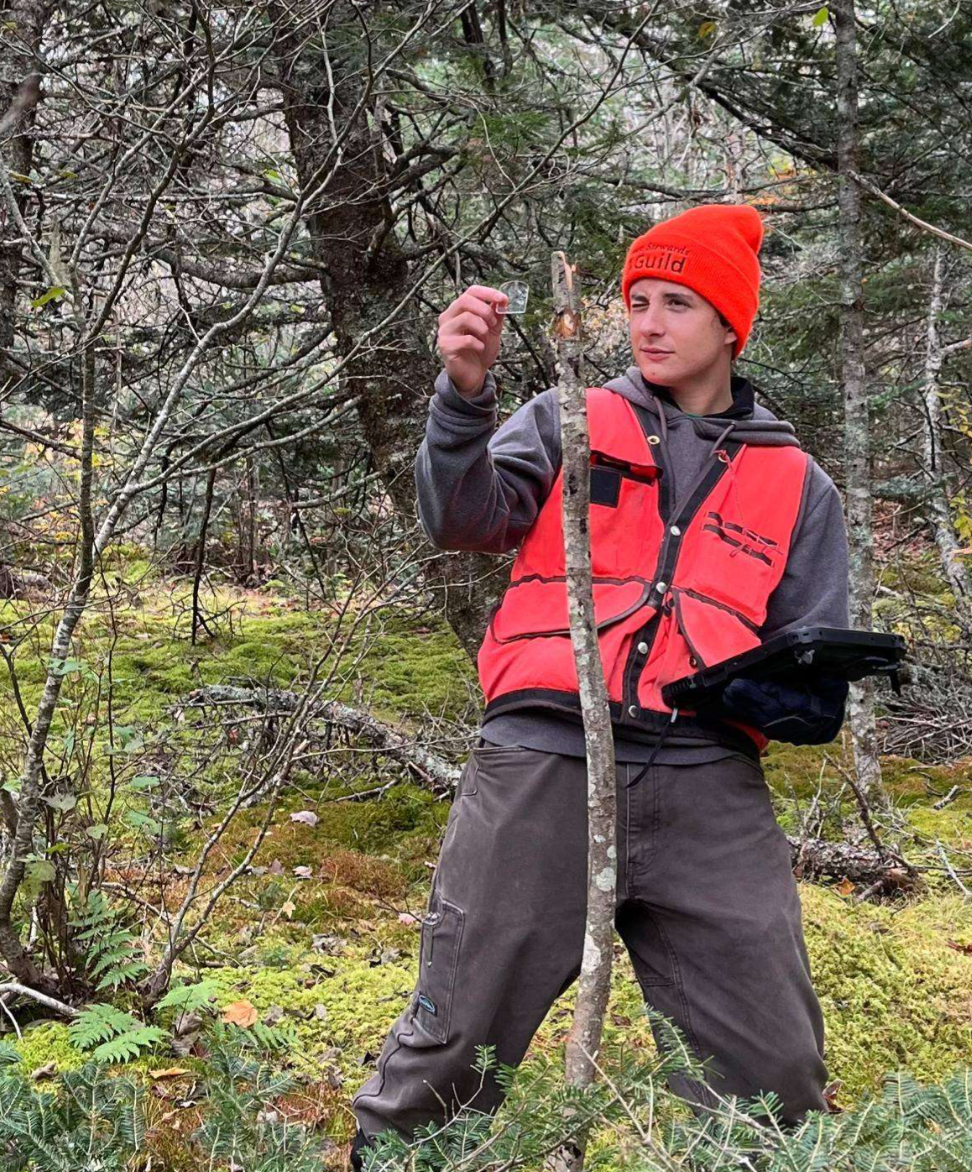
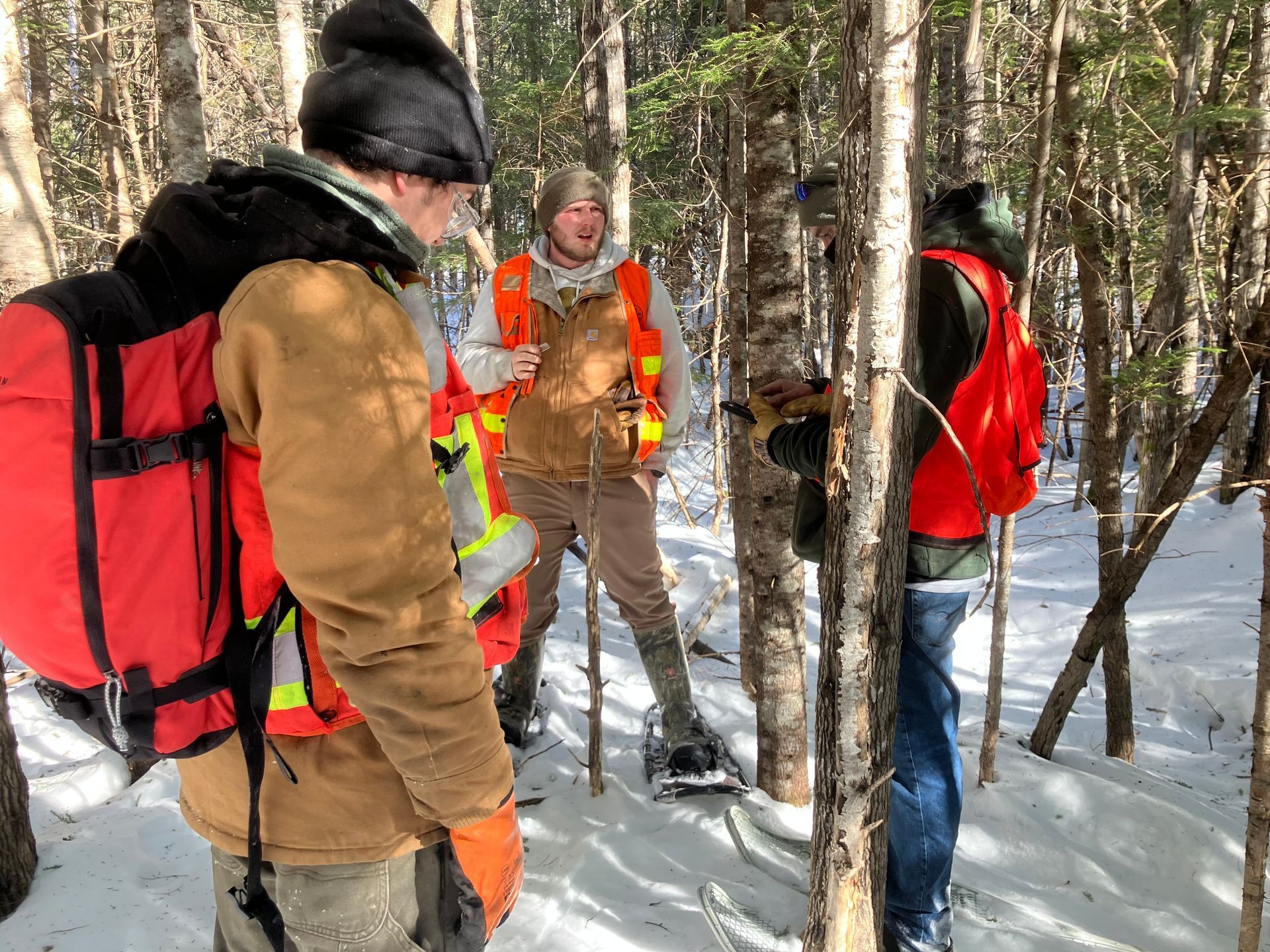
Gabe: I am currently the crew leader for the Forest Stewards Apprentices in the Eastern Division with the Penobscot Nation. Last year I started as an apprentice, with Jacob on that crew, and then this summer, I was a crew leader for the Forest Stewards Youth Corps, overseeing 16- to 18-year-olds, and then I also took over as crew leader for the apprentices this fall. I had no forestry experience before this. Now I’ve gained an understanding of how the tribe and the forestry department brings in money, how we utilize forests for our culture…for things like hunting purposes and how it affects wildlife.  


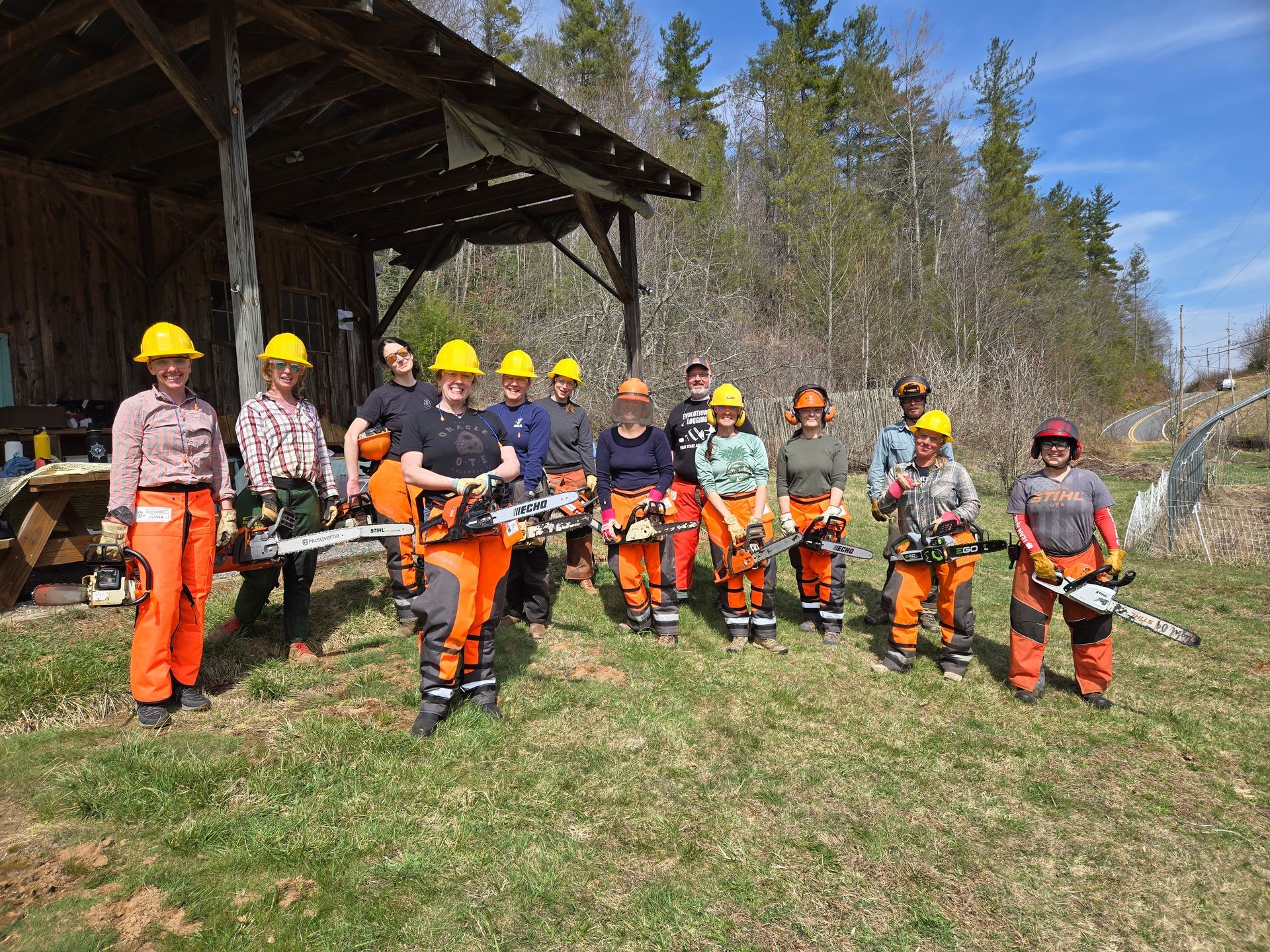
Jacob: Yeah, last fall we did a six-month program with the Guild, and we worked as a partnership with Penobscot Nation. We did a bunch of different things, from thinnings and some layout, all the way up to doing some of our own harvest with a chainsaw and a tractor with chains. Now in my current job, I still work with the Guild day-to-day. Me and Gabe work together quite often and it’s helpful be able to have that conversation and lead with him; both being able to teach what I know, but also sometimes people teach me the way that they understand things and the way they see things.  


Ami: Since beginning this work, has your relationship to the land shifted at all?  


Jacob: I come from a background of large management companies and a large forestry school, where everything was on a very large scale. With large management companies, you're basically going 24/7. Whereas with the Guild and with the Penobscot Nation, I've really been able to wake up, have a conversation with someone, go out in the woods, look at stuff, have another conversation with another person, and figure some things out together. You can have that more in-depth, nitty-gritty knowledge of each individual stand, and be able to take a step back and really slow down.  


Gabe: My experience helped develop a deeper connection to our traditional land. Before this, I didn't really have a lot of experience with forestry work. It was more like landscaping and odd jobs…but this role gave me a better understanding of the land, how operations work in the forest, and an appreciation for the forest. I mean, I've always enjoyed being in the woods, but I never really understood why. And I now have a better understanding than I did before.  


My crew's been doing a lot of wildfire work, which is big in our culture. We used to burn all our land at the end of each harvest, and we haven't done that for hundreds of years now. So now at this point, we're trying to get back into it a little bit. And I think one of the most important things for people to understand is that forestry is about much more than harvesting trees. 
Ami: One of the things that I do at the Guild is help rally financial support from our community so that foresters such as yourselves have the resources you need to keep doing this kind of work. If you were talking to someone who is considering donating, what would you share?  


Gabe: I would tell them that donating to the Guild is an investment in the future of forests and the people who take care of them. Forestry is important not just for the resources we give the land, but also for wildlife, healthy ecosystems, and making sure the future generations can enjoy and benefit from the woods. The Guild helps support the people doing this work by providing education, sharing knowledge, and bringing people together who care about the future of forestry. Even if someone isn’t directly involved in the industry, they still benefit from healthy forests. I think supporting the Guild is a way to help make sure that the knowledge, skills, and care needed to manage our forests responsibly continues for generations to come. 


Jacob: The Guild reaches individuals that might not really know if they like forestry; people who just want to be outside but haven’t made the connection. The Guild allows our current generation to look at potential jobs and potential skills that they might not have known about and then they learn and they're like, "Oh my gosh, I love this. This is exactly what I want to do.” 


Ami: Is there anything else you’d want to share about your work with the Guild, maybe with someone who is new to learning about it?  


Jacob: When I work with the Guild, there is a “spider web effect.” Being able to work with the Guild, they really allowed me to have different branches out to different people and be able to make new connections with people I never would have had a conversation or a connection with before. Those connections allow me to not only do my job better but also look at things completely differently than how I would have, or how my boss would look at it. It’s helpful to know someone else’s thoughts, how they look at things, and sometimes just hearing that outside view really helps me look at the landscape a little bit differently. So that that's probably the biggest thing recently is the all the different connections; all the different branching out to meet new people. 


Gabe: The Guild has given me a better understanding of the forest…it opened a door of opportunities for my career development. I’ve had experience in management, but running a crew in the forest is different than running a crew at a restaurant or something. It's given me hands-on experience running a team with a variety of different people. Just the number of opportunities it's opened up for me is kind of endless. 


As I reflect on our conversation, it has stayed with me how important that “spiderweb” of connections is that Jacob mentioned. All of us who are members and staff with the Guild help share a part of that web, supporting one another. I want to offer another huge thanks to Gabe and Jacob for sharing their time and insights with us!  


As we enter the season of giving at the Guild, I hope you will join me in making an end of year contribution toward the Guild. When you invest your resources in our shared mission, you not only help make stewardship a nationwide imperative, you also directly fuel the future of forestry and empower professionals just like Jacob and Gabe in doing incredible work we all benefit from! 


We are lucky to once again have received matching funds from an anonymous, generous supporter for our campaign. Until 12/31/26, every dollar donated to the campaign will be matched up to $40,000!  


You can support the Guild in more ways than you might expect, from donor-advised funds and gifts of stock to even old cars, and I’d love to help you find the best fit for your giving. If you have any questions or would like to connect, you can reach me at ami@forestguild.org I would love to hear from you! 

Recent Posts

November 16, 2026
Written by Michael Lynch, Great Lakes Director
November 13, 2026
The Guild has partnered with U.S Fish and Wildlife Service and hired forestry technician at the Moosehorn National Wildlife Refuge in Maine. Below, read about some of what two of these technicians have learned and accomplished this season.
October 13, 2026
Written by Nick Alpeza
October 9, 2026
The Paper Birch: A Central Character in the Story of Ecological Succession
October 1, 2026
Written by Dave Wager, forest ecologist
September 17, 2026
Written by Eytan Krasilovsky 
September 14, 2026
Written by Mackenzie Alexander and Eytan Krasilovsky
Show More