FSA Final Reflection, Ryan Salyers

June 3, 2026

Written by Ryan Salyers

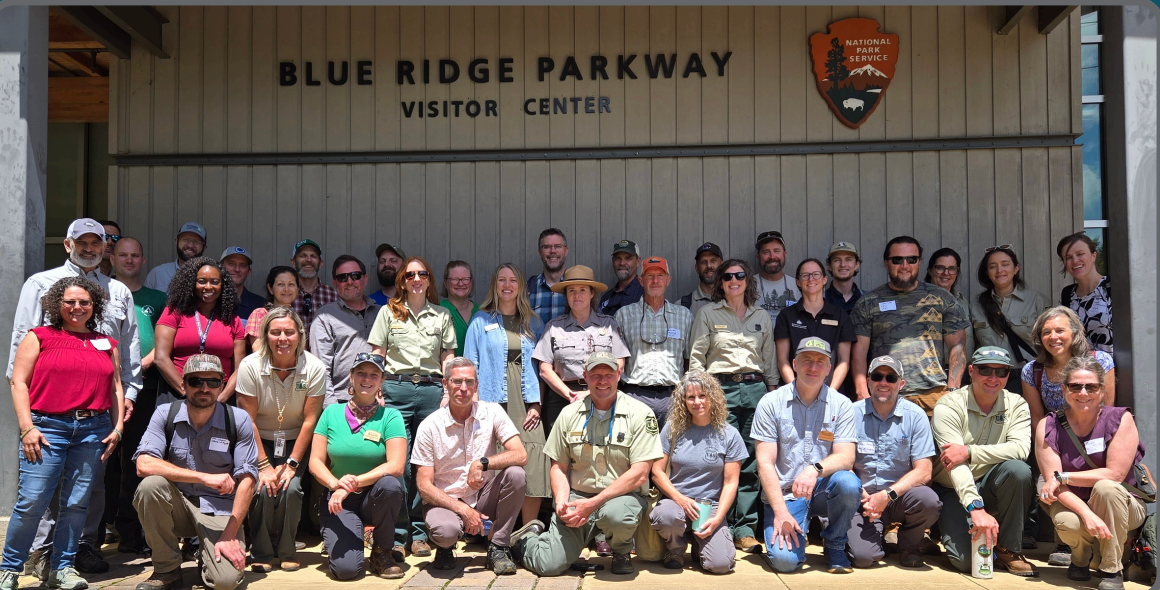
Over the past year, I’ve had the opportunity to work with the Forest Stewards Guild through their apprenticeship program. This experience allowed me to collaborate with several local agencies and gain a deeper understanding of the important work they do—much of which I hadn’t fully realized before. 


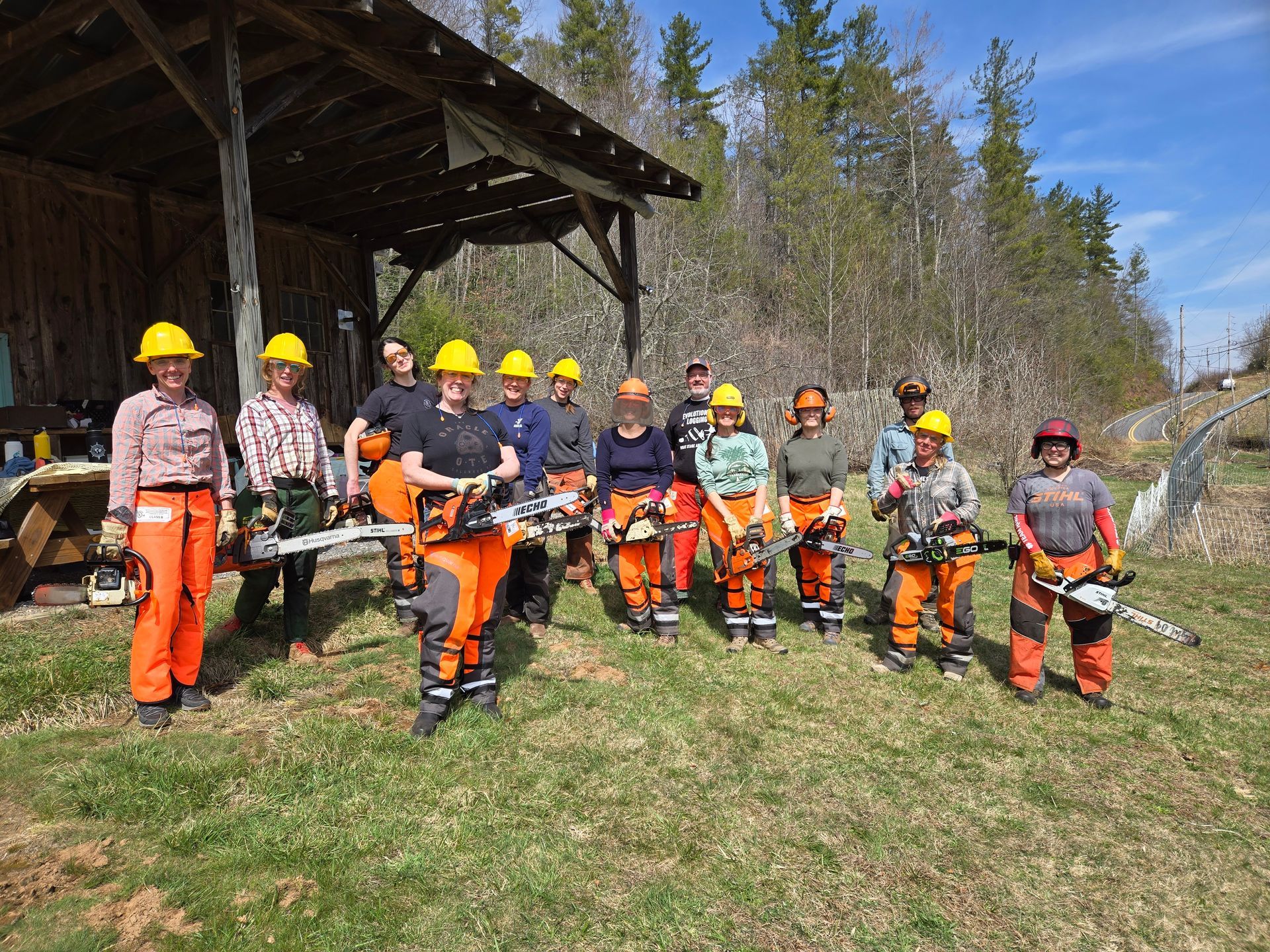
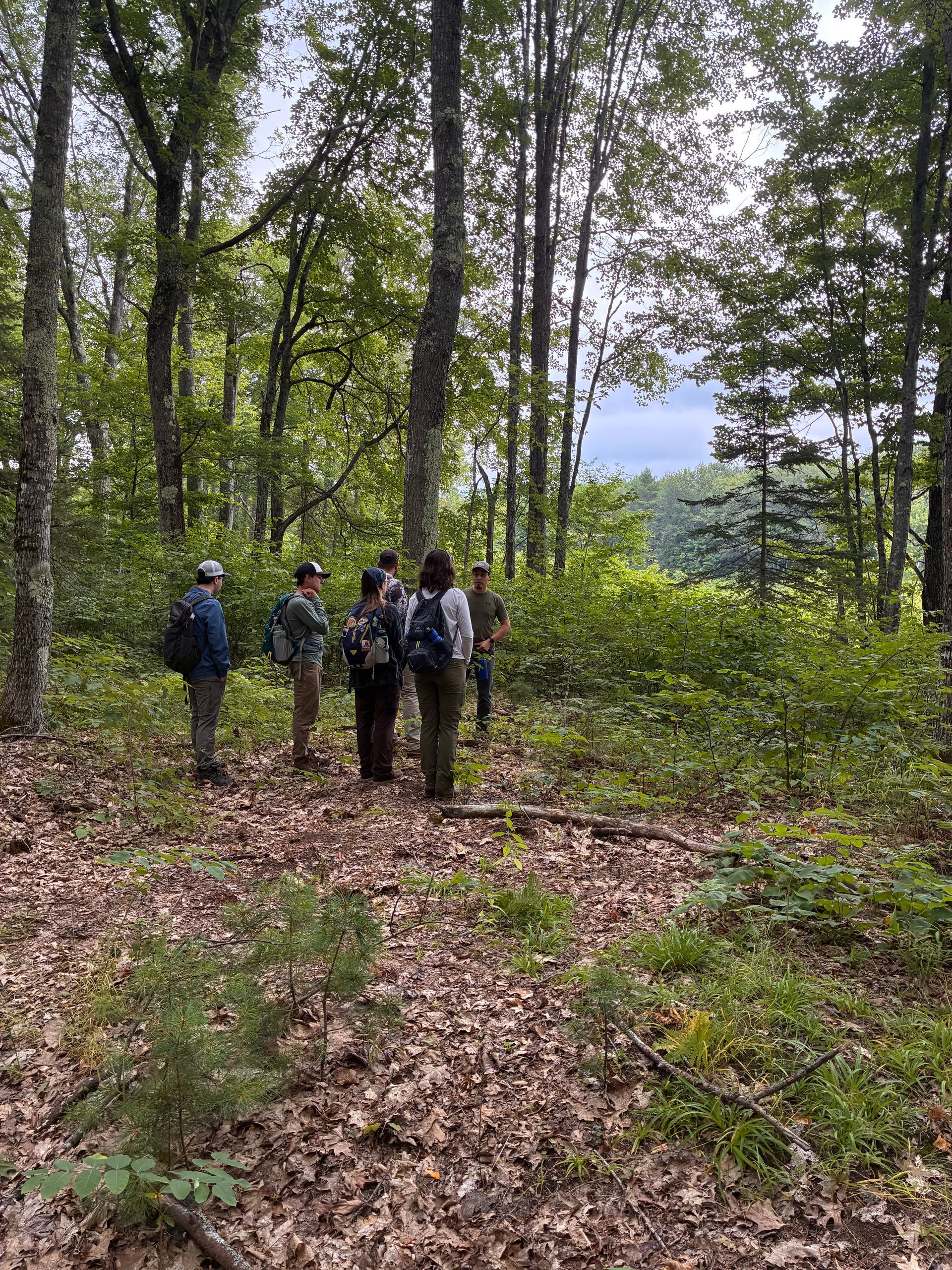
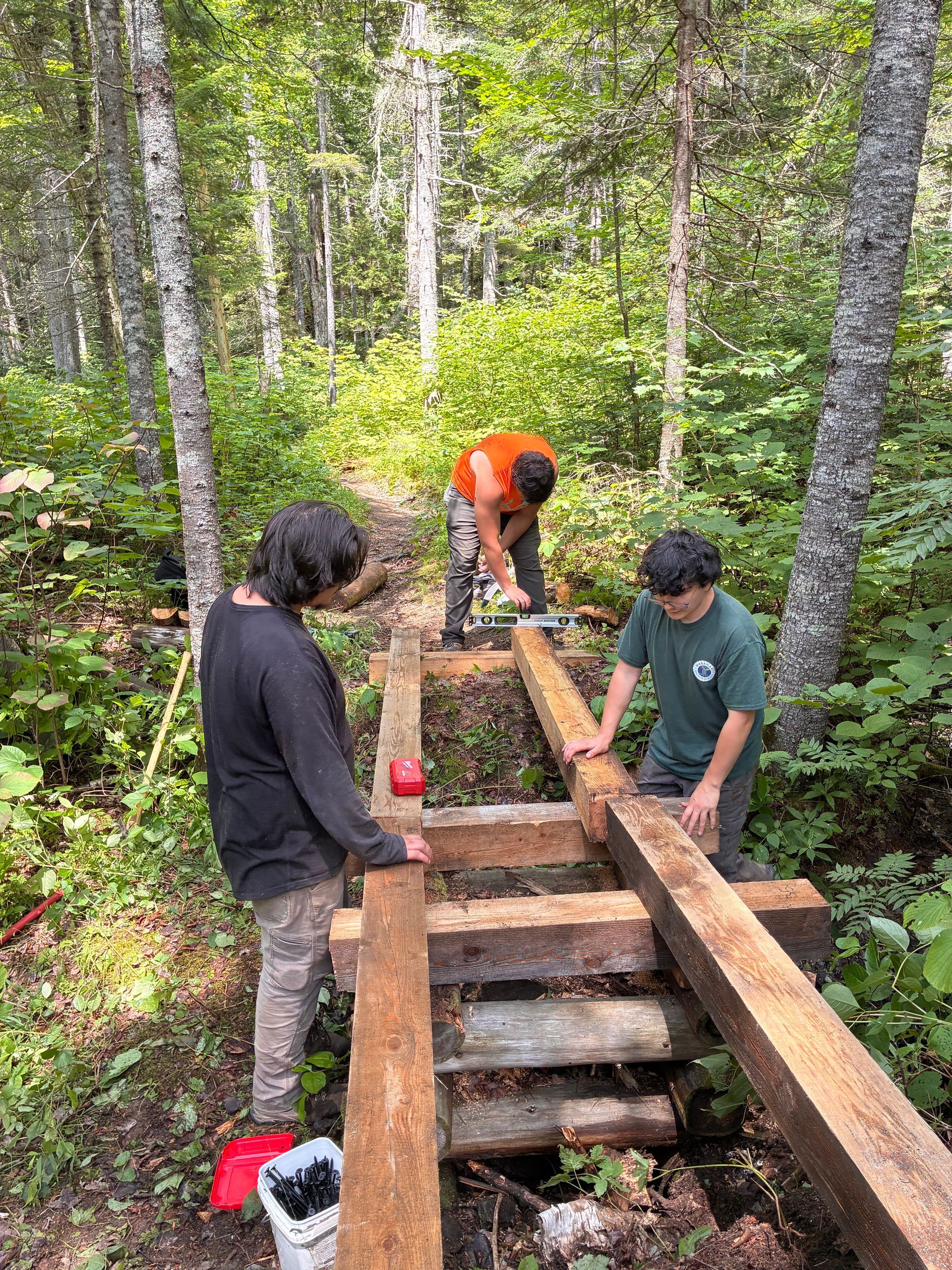
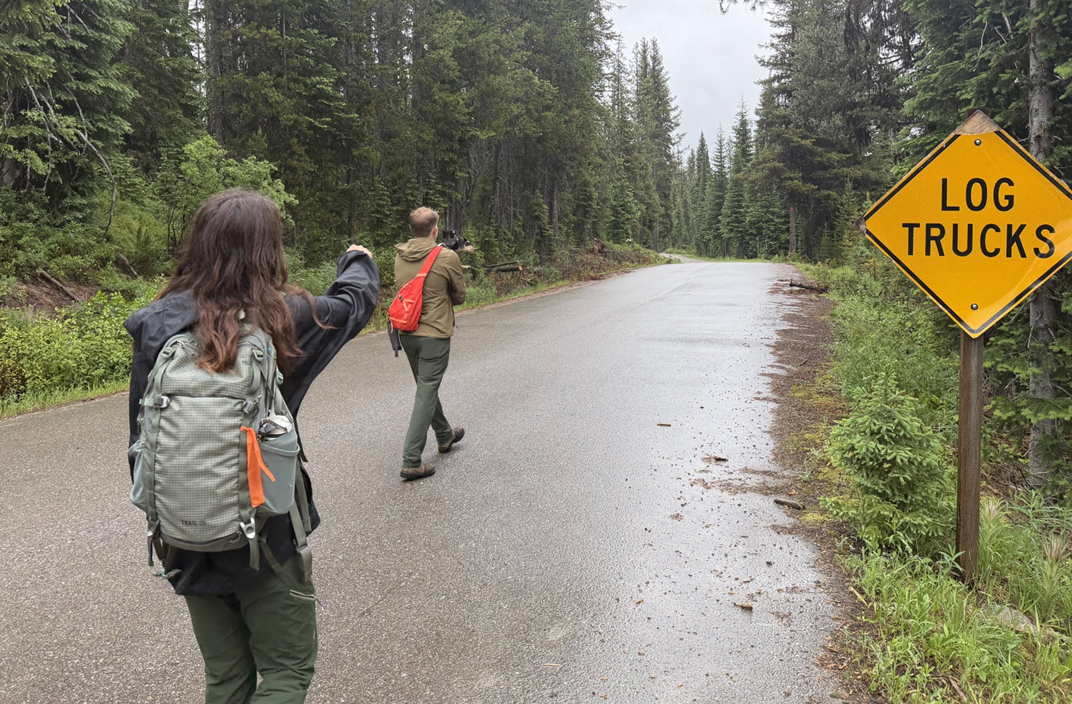
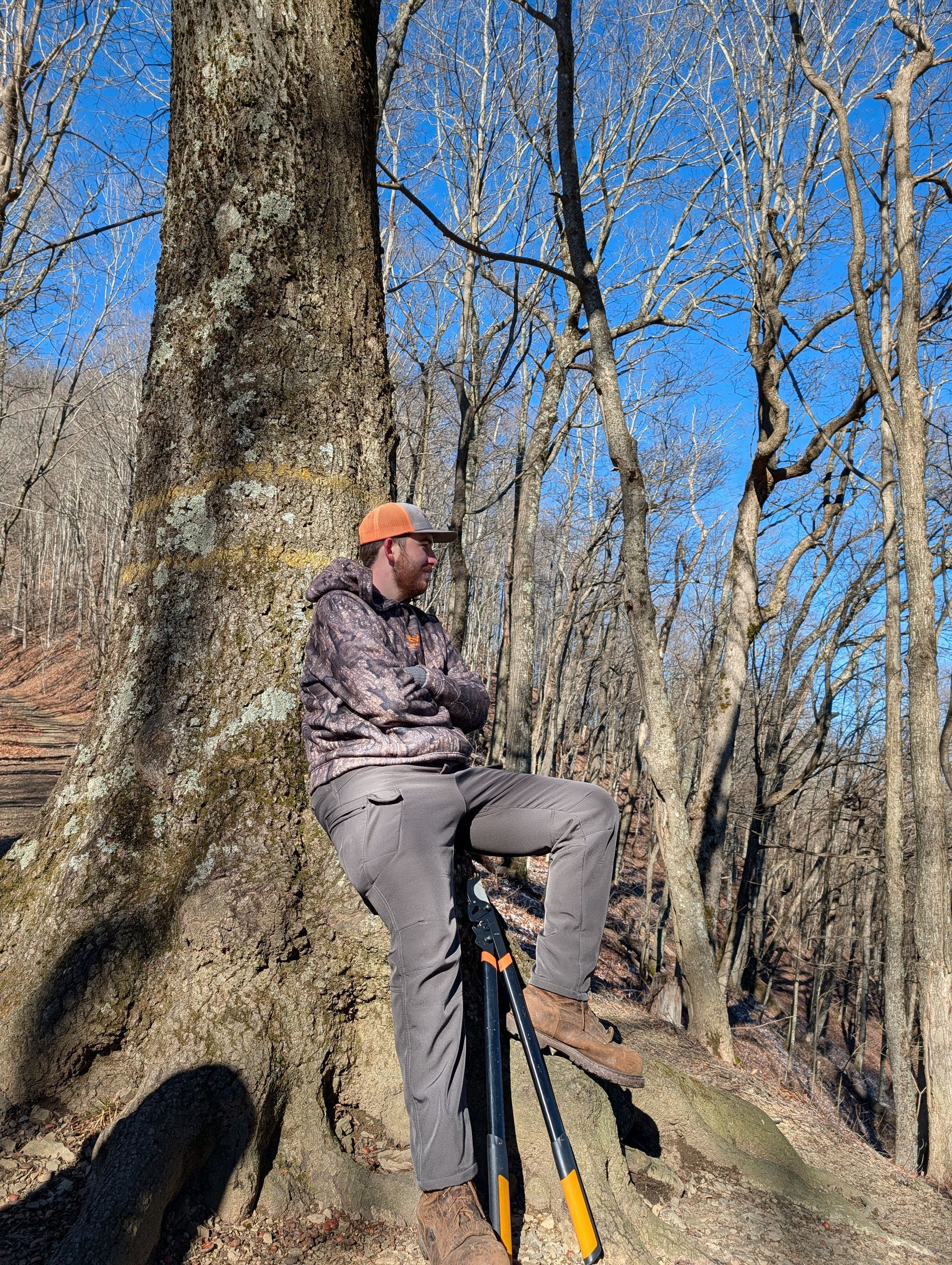
Throughout the program, I earned multiple certifications, including my Virginia Pesticide Applicator License, Firefighter Type 2, Department of Conservation and Recreation (DCR) Sawyer Apprentice, and SHARP Logger. Along the way, I developed a wide range of hands-on skills that will continue to benefit me in the future.  I had the chance to work in state parks and DCR natural area preserves, where I learned various methods for managing invasive species, including cut-and-stump, hack-and-squirt, basal bark spraying, and foliar spraying. I also gained valuable experience in tree felling techniques while working alongside DCR professionals. 
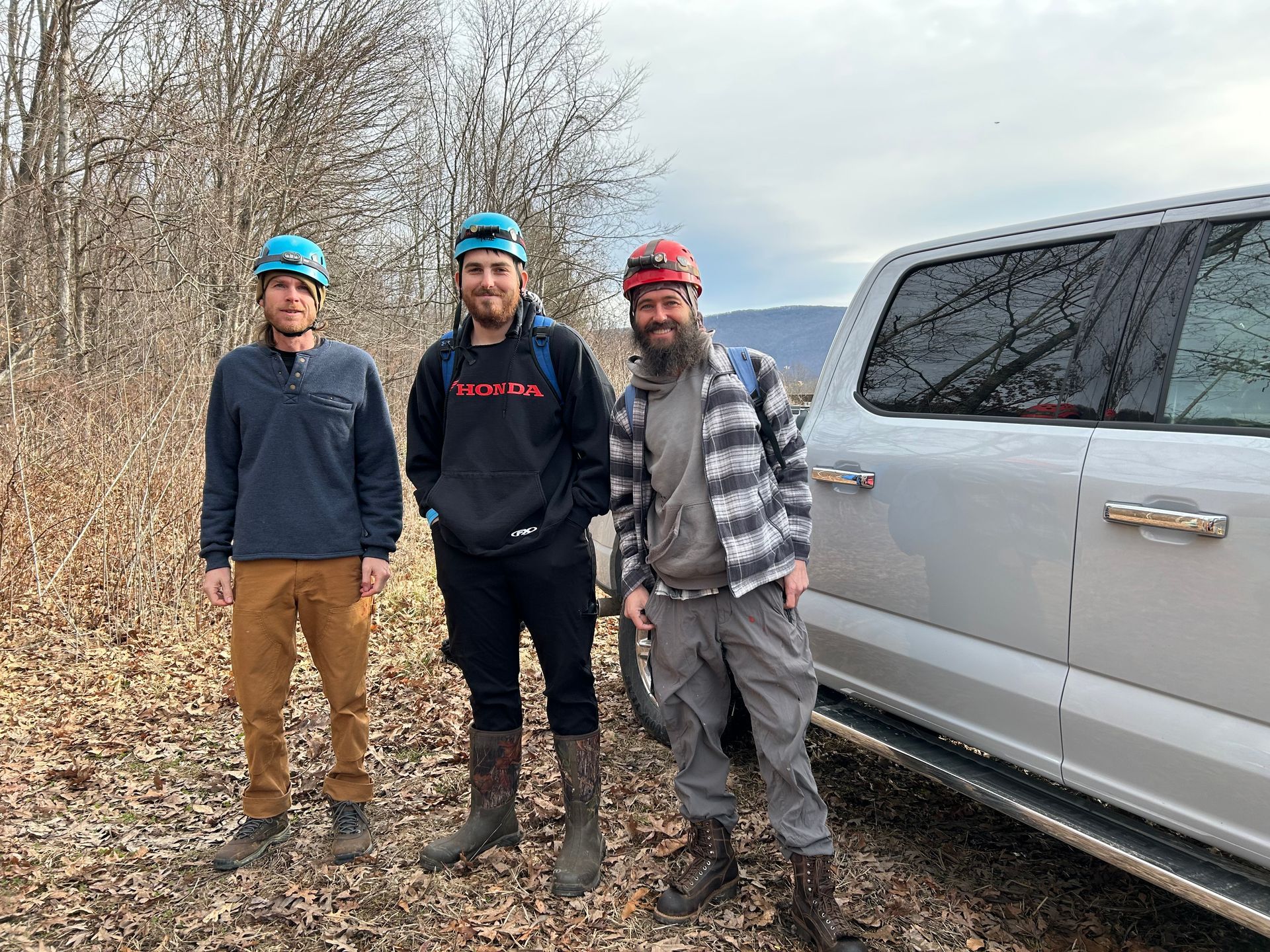
One of the highlights of the program was attending my first TREX (Prescribed Fire Training Exchange), where I connected with people from across the country and around the world to learn more about fire management. I also received training on drone use and how it can support our work in the field.  Another unforgettable experience was going underground for the first time in a cave here in Southwest Virginia. While exploring, I learned about local bat species and the history of the cave, which gave me an even greater appreciation for our region. 


I’m incredibly grateful this opportunity was available here in Southwest Virginia. This program has opened my eyes to a meaningful and rewarding line of work, and I hope opportunities like this continue so more young people can experience and pursue careers in this field. 

Recent Posts

By Daisy Smith June 2, 2026
Written by Billy Coffey, SWVA Crew Leader
By Daisy Smith May 14, 2026
Written by Zander Evans
By Daisy Smith May 14, 2026
Written by Zander Evans
May 14, 2026
A science inspired art show in Taos, NM Written by Cody Dems
By Aidan Juhl April 16, 2026
Written by Colleen Robinson
April 14, 2026
Written by Shannon Maes
April 14, 2026
In September 2025, the Guild launched a three-person Forest Stewards Apprenticeship (FSA) crew to work with the Penobscot Nation’s Department of Natural Resources (PN DNR). Over the course of their six-month season, apprentices Agenor Duhon, Gabe Stewart, and Jacob Baker shared a season of learning, collaboration, and hands-on stewardship of Penobscot Tribal lands.
April 14, 2026
This week, I stepped into the role of crew leader. We worked a full 40-hour week, splitting our time between Clifton Farms and a prescribed burn operation. On the first day in the field, we completed hack-and-squirt treatments on trees that had been marked the previous week. For the remainder of the week, we focused on marking trees for future hack-and-squirt work, maintaining a steady pace and ensuring accuracy in our selections.
April 7, 2026
As Guild members, our practice is fundamentally grounded in field observation. We know intuitively that forests are dynamic, living communities. Yet, for decades, the high-level systems used to value our work, specifically the carbon accounting ledgers tied to international frameworks like the Paris Agreement, have treated forests as static, quantifiable blocks of land. In a recent commentary published in One Earth, I argue that these legacy measurement, reporting, and verification (MRV) frameworks are failing. Ledger accounting relies on crude land-use delineations and outdated technology, effectively penalizing the natural, seasonal flux of the ecosystems we manage every day. By forcing landscapes into rigid “forest” versus “non-forest” binaries, such legacy systems miss the complex reality on the ground. But a major shift is underway.
March 18, 2026
Women have always been a part of forestry. Historically, women often helped guide family decisions about when to cut, which trees to save, and how best to steward their land for the next generation. Historical accounts from the Southern Appalachians describe women’s roles in decisions about timber harvesting and prioritizing long-term forest health. These often-uncredited contributions are even reflected in Aldo Leopold’s A Sand County Almanac (1949), in which describes his stewardship philosophy informed not only by his professional experience, but by shared responsibility, where the perspectives of his wife and daughters played an important role.
Show More