Getting to know a Guild student member, Anna Welch

November 18, 2020

An interview with Anna Welch, a new Guild student member.

Please share a little background on who you are, where you study, and why you joined the Guild.

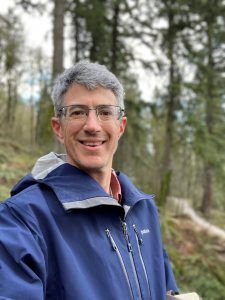
My name is Anna Welch. I study at the University of Connecticut in the College of Agriculture, Health and Natural Resources. I am pursuing a Bachelors of Science in Natural Resources and the Environment with a concentration in Sustainable Forest Resources and a minor in Ecology and Evolutionary Biology. I joined the Guild to share and nurture my passion for the woods with the help of a broad network of likeminded individuals. In sum: I cannot get enough of trees and the outdoors!

What unique perspective or set of skills do you feel you bring to the world of forestry and forestry research?

Utilizing multidisciplinary pursuits to cross-pollinate my perspective of forestry and forestry research. I have a passion for natural resources which knows no bounds. For instance, I identify vegetation, categorize watersheds, and track wildlife while I trail run. Forestry is a scientific creative art: it balances intuition, historical knowledge, and informational research (to name a few!). Therefore, I maintain a holistic knowledge base as an active participant in a spectrum of sectors. I seek to understand nature through many forms: in drawing, photography, creative writing, and recreation. Indirect to natural resources, I play acoustic and electric guitar in a jazz combo at UConn and monitor in the darkroom, to name a few. Gaining exposure across diverse dedicated disciplines feeds my abilities in forestry. Forestry takes not only from science but also from social, cultural, and economic insights, so I maintain active observation throughout my life. In practicing daily presence and intentionality, I have found a wealth of information to repurpose and reseed within my dominant passion of forestry.

What barriers do you face and how do you feel you could be best supported to navigate around them?

One barrier that comes to mind is finding my place as a woman in the forestry field. Finding a balanced relationship with my personal vigilance against gender bias is difficult in a field traditionally dominated by men. Additionally, I had initially found friction transitioning from a more urban upbringing (with ‘white collar’ ideologies) to a broader appreciation of practical and agricultural knowledge. Acceptance, encouragement, and willingness to listen can best support me as I make peace with these barriers. Surprisingly, wrestling with these barriers often strengthens my forestry. My beginnings and subsequent journey have allowed me to relate forestry practices effectively to a broader public. These barriers ground me in an attitude of openness and strike a harmony between personal modesty and personal confidence.

Please describe a highlight in your life that relates to your choice of study/research/career path.

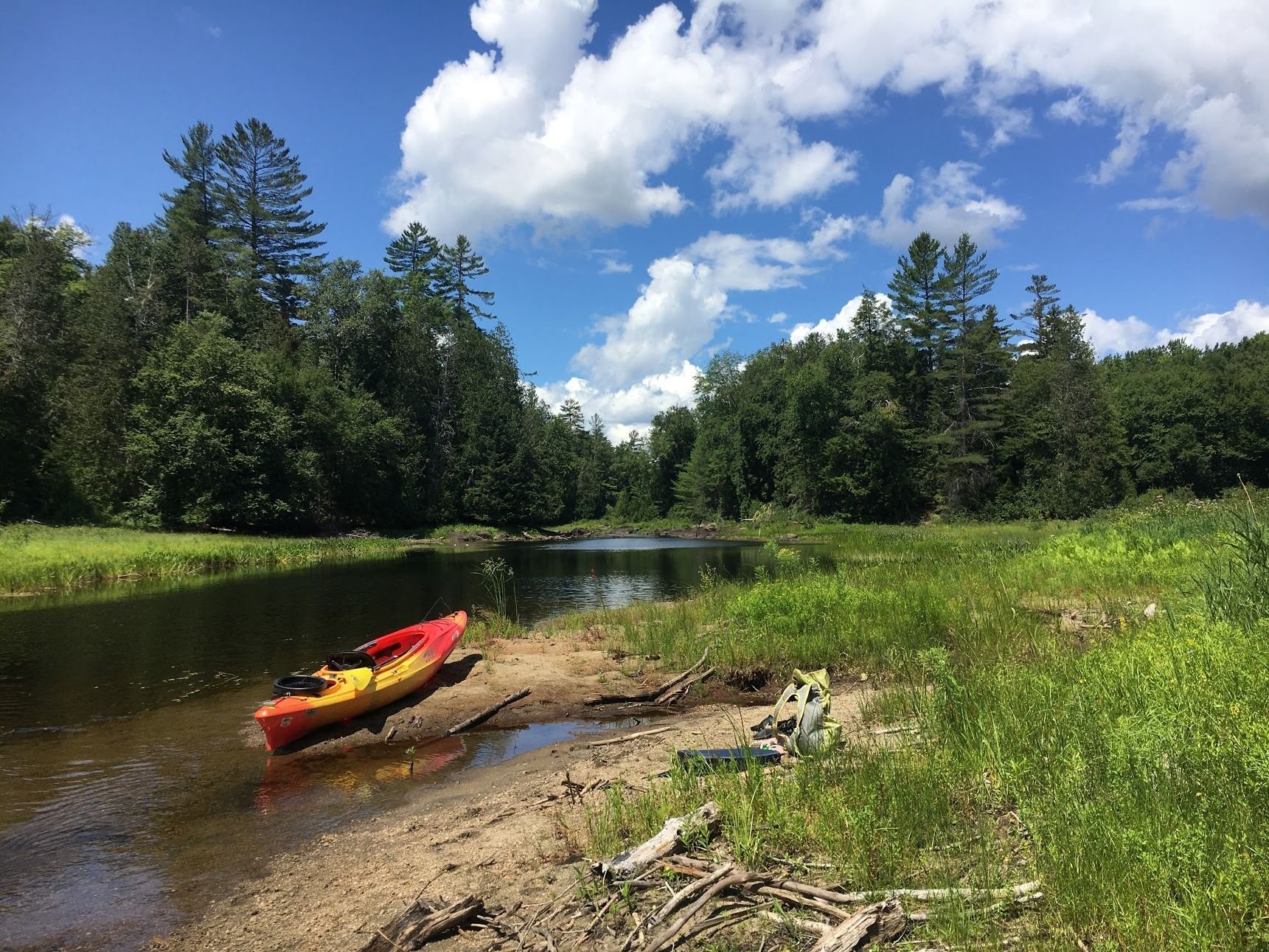
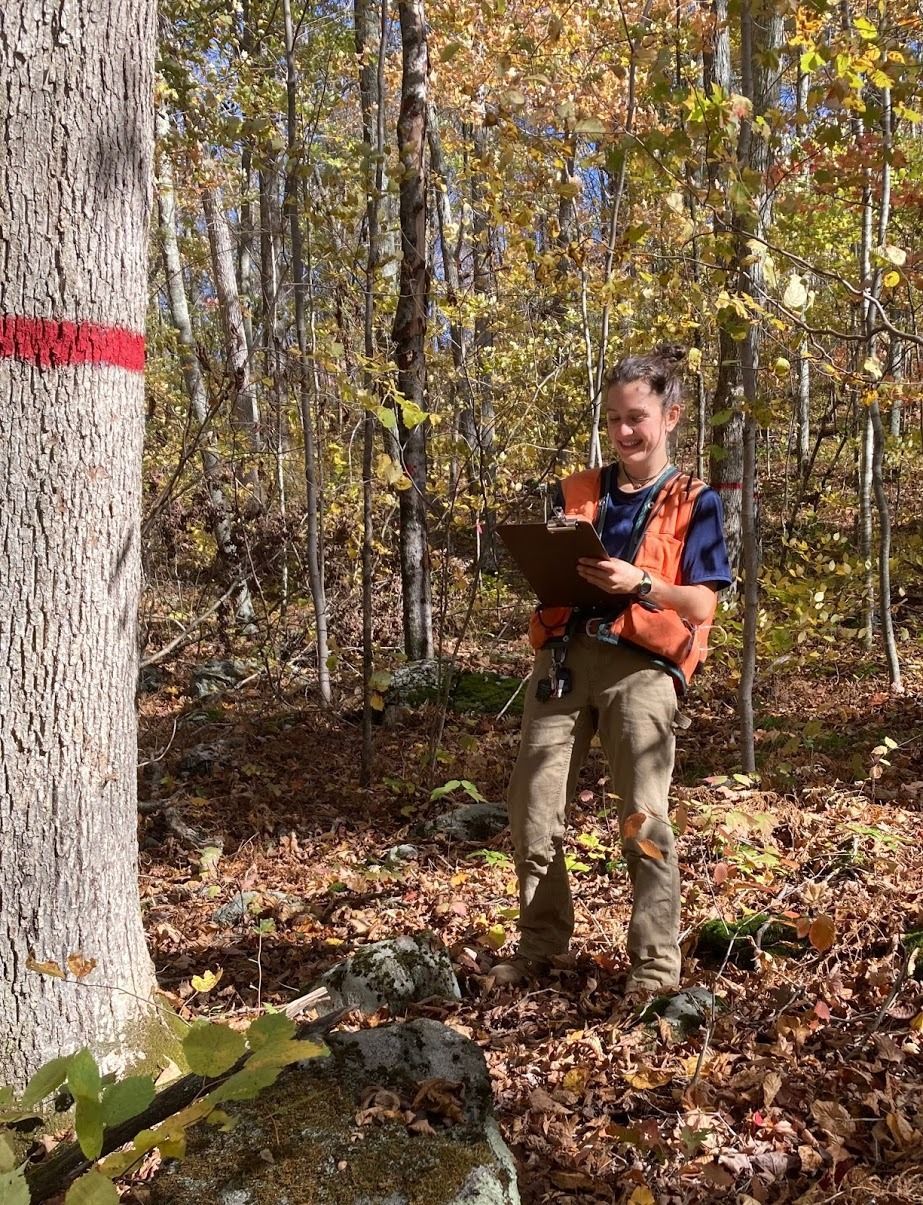
Doing a solo camping trip in the Adirondacks this past summer. Throughout the trip, I felt an overwhelming unity of my physical, conceptual, and practical intelligences – all of which found their stride through practicing forestry. I never felt alone when surrounded by plants, shrubs, and wildlife that I intimately understood and recognized! I left on a Thursday afternoon, spending the morning completing input for long term ecological monitoring data with the Connecticut Agricultural Experiment Station. Summer field-work days inspired my car-packing technique: milk crates filled with supplies for every potentiality. Bear spray was tucked in my backpack – a gift from my supervisor, “I’ve kept it in my foresters vest for the past few years just in case.” Flagging was tucked in my daypack – a nod to my boss, “I always have an extra roll of flagging to throw far in case I take a spill.” My car wore a kayak hat – a fashion statement which I had become notorious for when showing up to field sites over the course of the summer.

I arrived in the Adirondacks at dusk and hiked to a lean-to on the Northville Lake Placid Trail. Upon hiking out the next day, I kayaked at Rich Lake in Newcomb, NY – yes the spot where SUNY ESF is – then stayed the night at the Buttermilk Falls lean-to in Long Lake, NY. Waking early, I drove with the sunrise to the Van Hoevenberg trailhead within the High Peaks Adirondacks Wilderness in Lake Placid, NY. Striped maples were my first friends on the trail leading to Mt. Marcy. Over the next two days I summited Mt. Marcy, Phelps Peak, Wrights Peak, and Algonquin Peak. My legs were well-primed from weeks prior spent hiking off trail to collect data, paint boundaries, or measure and quantify forest plots. My mind was well-primed from remaining methodical while sweat soaked my vest, bugs bit my arms, and green briar hitchhiked in my skin. Most gratifyingly – I had only planned to complete one summit but a foundation of preparedness and a passion for operating within the natural environment carried me through two 20+ mile days. The success of this trip underlined all the forestry and natural resources components that I find fulfilling. For example; relating to myself and my environment with the utmost care through curiosity and responsivity. The woods have the goods!

If you could ask questions of someone who has been in the field of forestry for a decade or more, what would you most want to know from them right now?

How has the forestry field has changed since you began and where have you found success in adapting to that change? Additionally, how do you measure your management success despite the large temporal scale within with forestry exists.

There are so many challenges in forestry, and everything is so interconnected. What do you feel the biggest challenge is moving forward in the next 10 – 25 years in forestry?

I feel the biggest challenge moving forward is remaining authentic to forestry’s ideologies in the face of multiple and competing interpretations of conservation. Forestry is inherently long term, adaptive, and teeming with historical influence – a practice whose temporal bounds are much larger than the temporal bounds even of a human lifespan. Remembering our roots, which go as deep as indigenous people’s forestry practices, in the face of rapidly changing socioeconomic and environmental context is a goliath. Cultivating open, far-reaching perspectives rather than holding too tightly to ‘traditional’ or ‘one-way’ thinking takes requires a balance of modesty and courage which is difficult to achieve. Trees know best: embrace disturbance and you will grow!

Are there successes you have witnessed or learned about from longer ago that you feel can give us hope for meeting these future challenges? If so, what are they?

In listening to a podcast entitled “Science of Arboriculture”, a representative from the New Zealand Tree Project spoke about their non-profit’s mission to “…[share] imagery of majestic trees and native forests from viewpoints that are rarely experienced.” I was encouraged when this representative cited coordination with local indigenous people one of the project’s initial actions. Their prioritization of “rare viewpoints” literally in the sense of physical tree imagery and conceptually through practicing inclusion is heartening.

Forestry management can be controversial. Its communication and practice therefore require upholding a reconciliatory rhetoric despite frustration with misinformation and misconceptions. To take another lesson from forests: community diversity yields vigor, health, and sustainability.

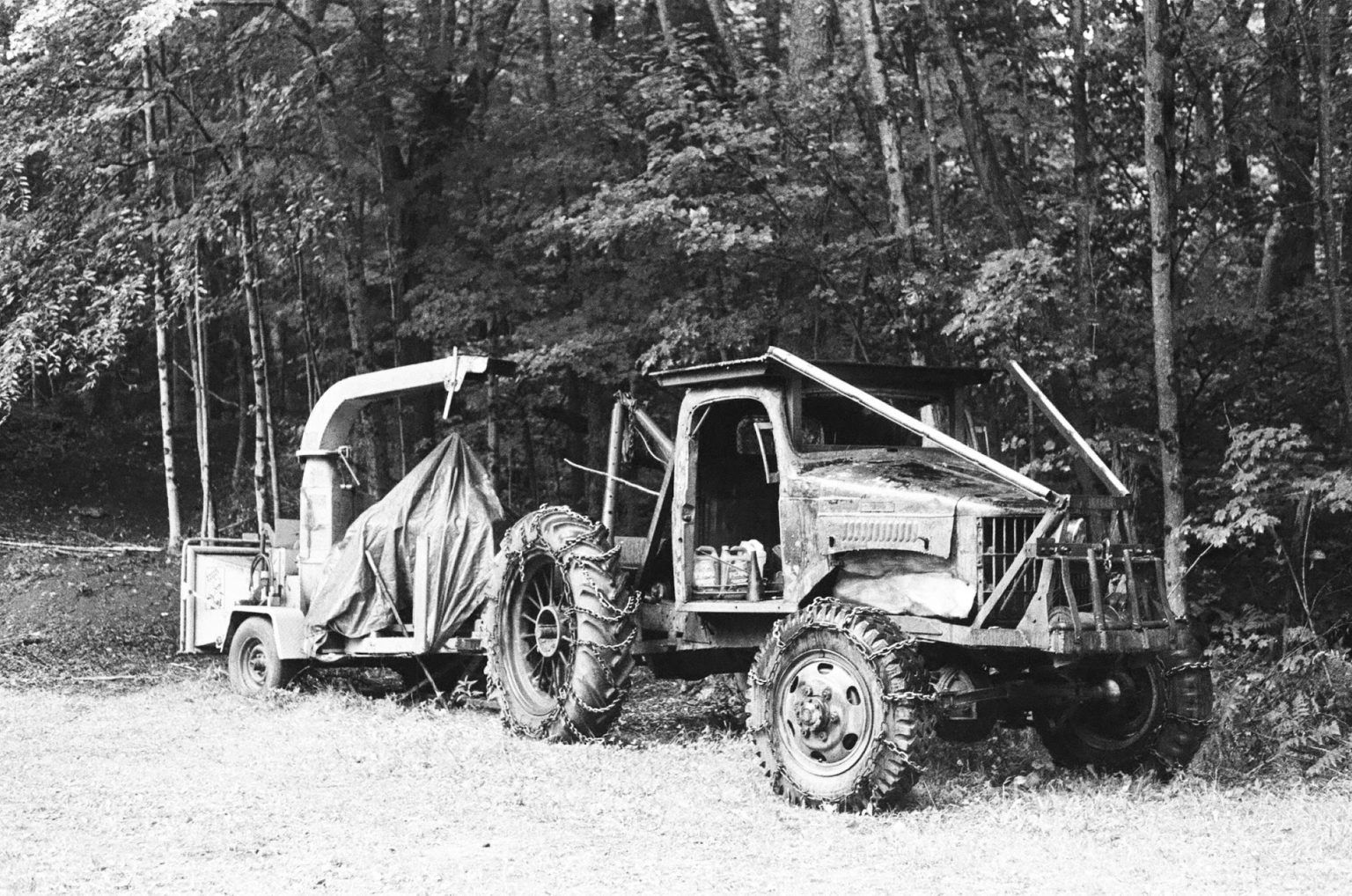
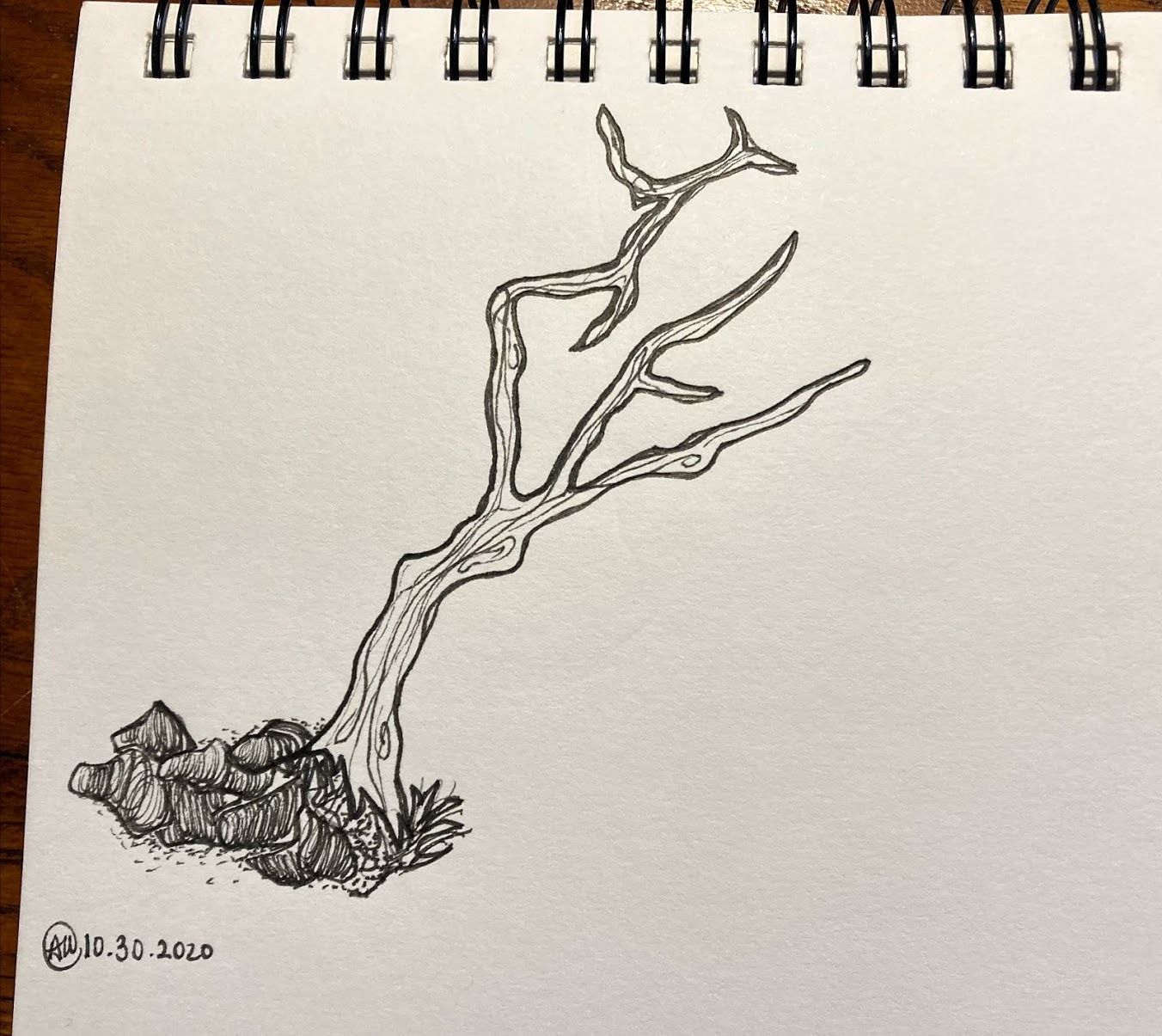
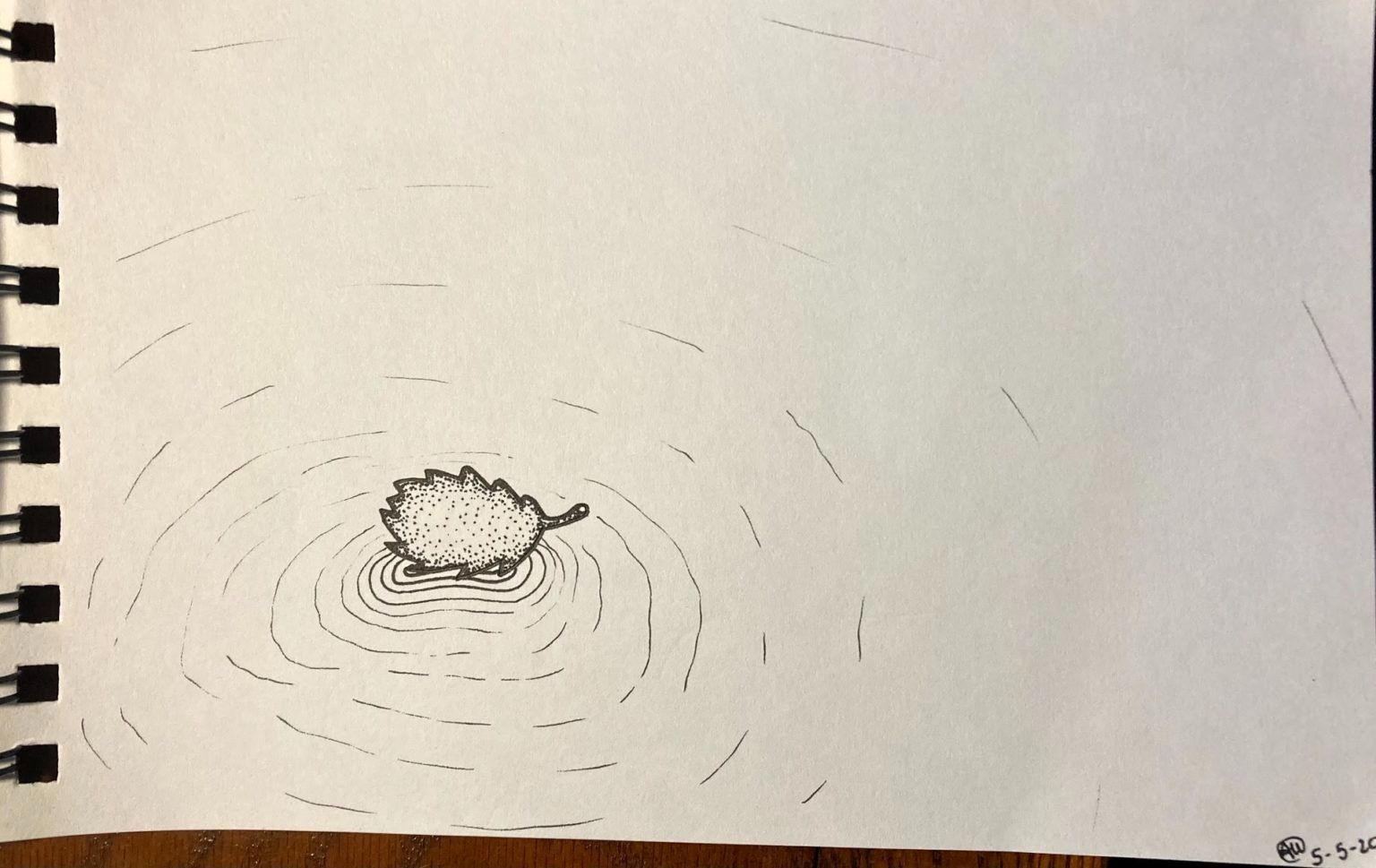
Editor’s note: thank you to Anna for sharing these reflections and details, and for the photos and artwork…(all credited to Anna Welch unless otherwise noted in the caption). As the Guild continues to put high value on supporting the next generation of forest stewards, hearing from student members about their experiences, concerns, perspectives, and predictions is incredibly helpful.

Recent Posts

By Aidan Juhl April 16, 2026
Written by Colleen Robinson
April 14, 2026
Written by Shannon Maes
April 14, 2026
In September 2025, the Guild launched a three-person Forest Stewards Apprenticeship (FSA) crew to work with the Penobscot Nation’s Department of Natural Resources (PN DNR). Over the course of their six-month season, apprentices Agenor Duhon, Gabe Stewart, and Jacob Baker shared a season of learning, collaboration, and hands-on stewardship of Penobscot Tribal lands.
April 14, 2026
This week, I stepped into the role of crew leader. We worked a full 40-hour week, splitting our time between Clifton Farms and a prescribed burn operation. On the first day in the field, we completed hack-and-squirt treatments on trees that had been marked the previous week. For the remainder of the week, we focused on marking trees for future hack-and-squirt work, maintaining a steady pace and ensuring accuracy in our selections.
April 7, 2026
As Guild members, our practice is fundamentally grounded in field observation. We know intuitively that forests are dynamic, living communities. Yet, for decades, the high-level systems used to value our work, specifically the carbon accounting ledgers tied to international frameworks like the Paris Agreement, have treated forests as static, quantifiable blocks of land. In a recent commentary published in One Earth, I argue that these legacy measurement, reporting, and verification (MRV) frameworks are failing. Ledger accounting relies on crude land-use delineations and outdated technology, effectively penalizing the natural, seasonal flux of the ecosystems we manage every day. By forcing landscapes into rigid “forest” versus “non-forest” binaries, such legacy systems miss the complex reality on the ground. But a major shift is underway.
March 18, 2026
Women have always been a part of forestry. Historically, women often helped guide family decisions about when to cut, which trees to save, and how best to steward their land for the next generation. Historical accounts from the Southern Appalachians describe women’s roles in decisions about timber harvesting and prioritizing long-term forest health. These often-uncredited contributions are even reflected in Aldo Leopold’s A Sand County Almanac (1949), in which describes his stewardship philosophy informed not only by his professional experience, but by shared responsibility, where the perspectives of his wife and daughters played an important role.
March 18, 2026
Although rural regions often host the highest concentrations of public and private forest land, they typically lack the sustainable workforce necessary for active management and stewardship. How do we address this foundational problem in forest conservation?
March 18, 2026
The Forest Stewards Guild has a unique dual mandate: practice and promote forest stewardship. Personally, I think the combination of practicing forest management and promoting best practices is what makes the Guild a vibrant and impactful organization.
February 17, 2026
We celebrate the remarkable career and legacy of Leslie (Les) Benedict, who has provided visionary leadership and dedicated service to the stewardship of forests, championing the preservation of the ecological and culturally important black ash. Benedict, a member of the Saint Regis Mohawk Tribe in Akwesasne, north of the Adirondacks in upstate New York, recently retired after serving as the Assistant Director of the Tribe’s Environment Division for over 35 years.
February 17, 2026
The Forest Stewards Guild has been working to support the National Park Service on forest stewardship projects throughout the eastern U.S. This month we are in the midst of a project to protect mounds at Effigy Mounds National Monument near Harpers Ferry Iowa. This site was designated as a National Monument in 1949 and preserves over 200 mounds built between 800 and 2,500 years ago. Mounds at this site include conical, linear, compound, and effigy mounds – constructed in the shape of animals. Please see the National Park Service page for more information about the mounds, the people who built them, and how to visit the site. The lidar images on that website of the Marching Bears and other mound groups are fascinating.
Show More