A Second Chance for Second Growth

July 15, 2026

Written by Michelle Giles

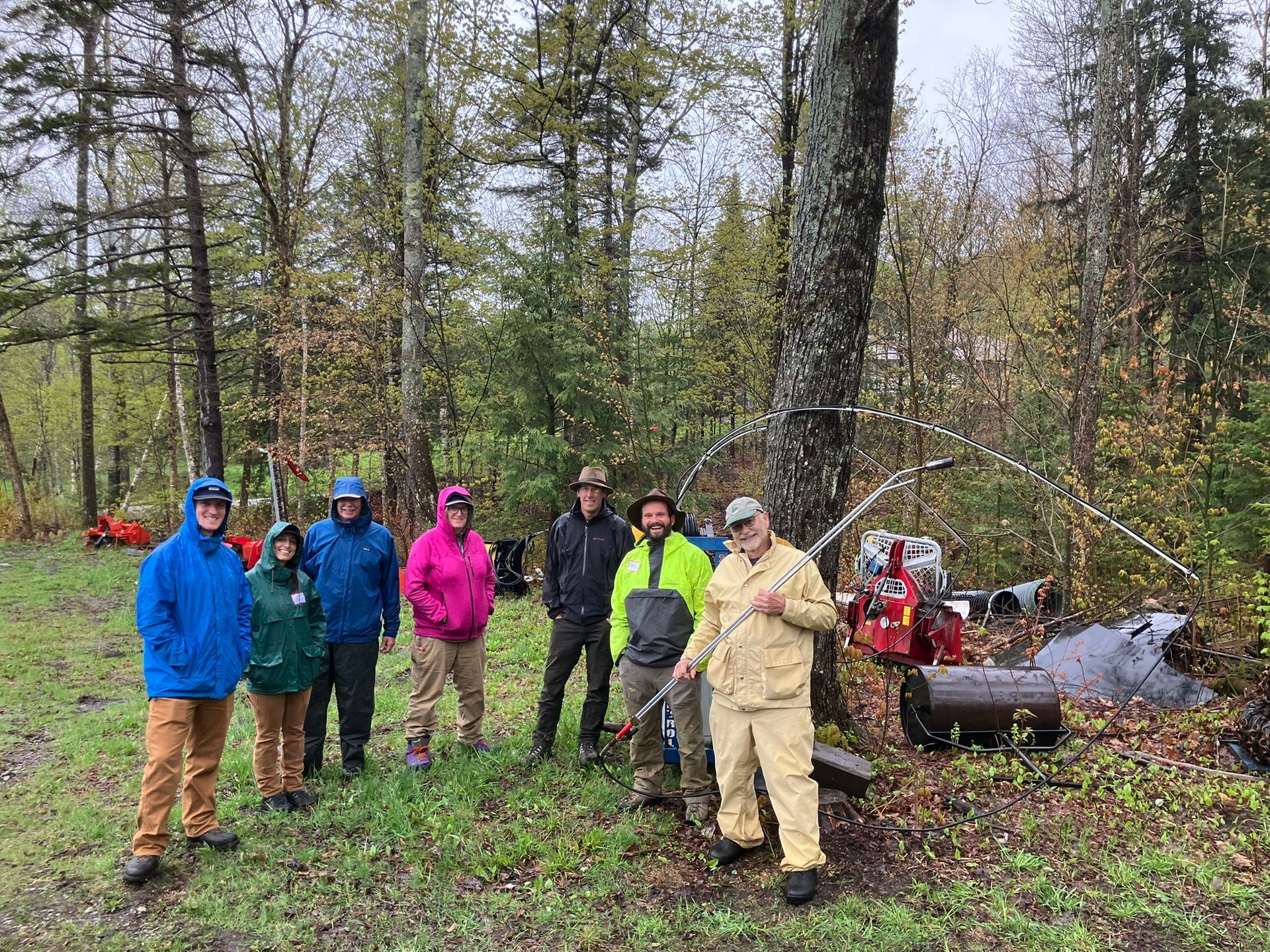
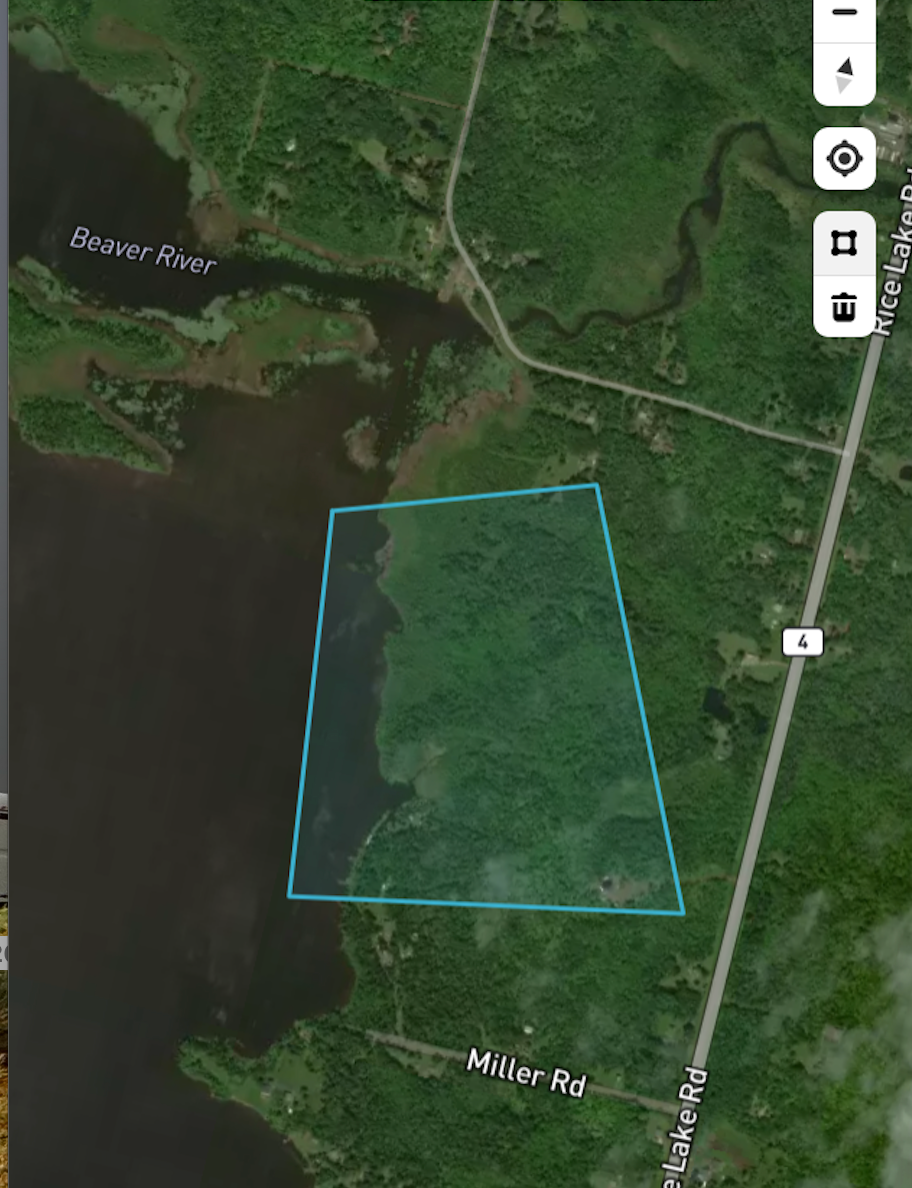
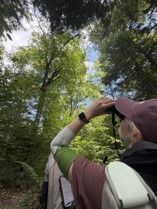
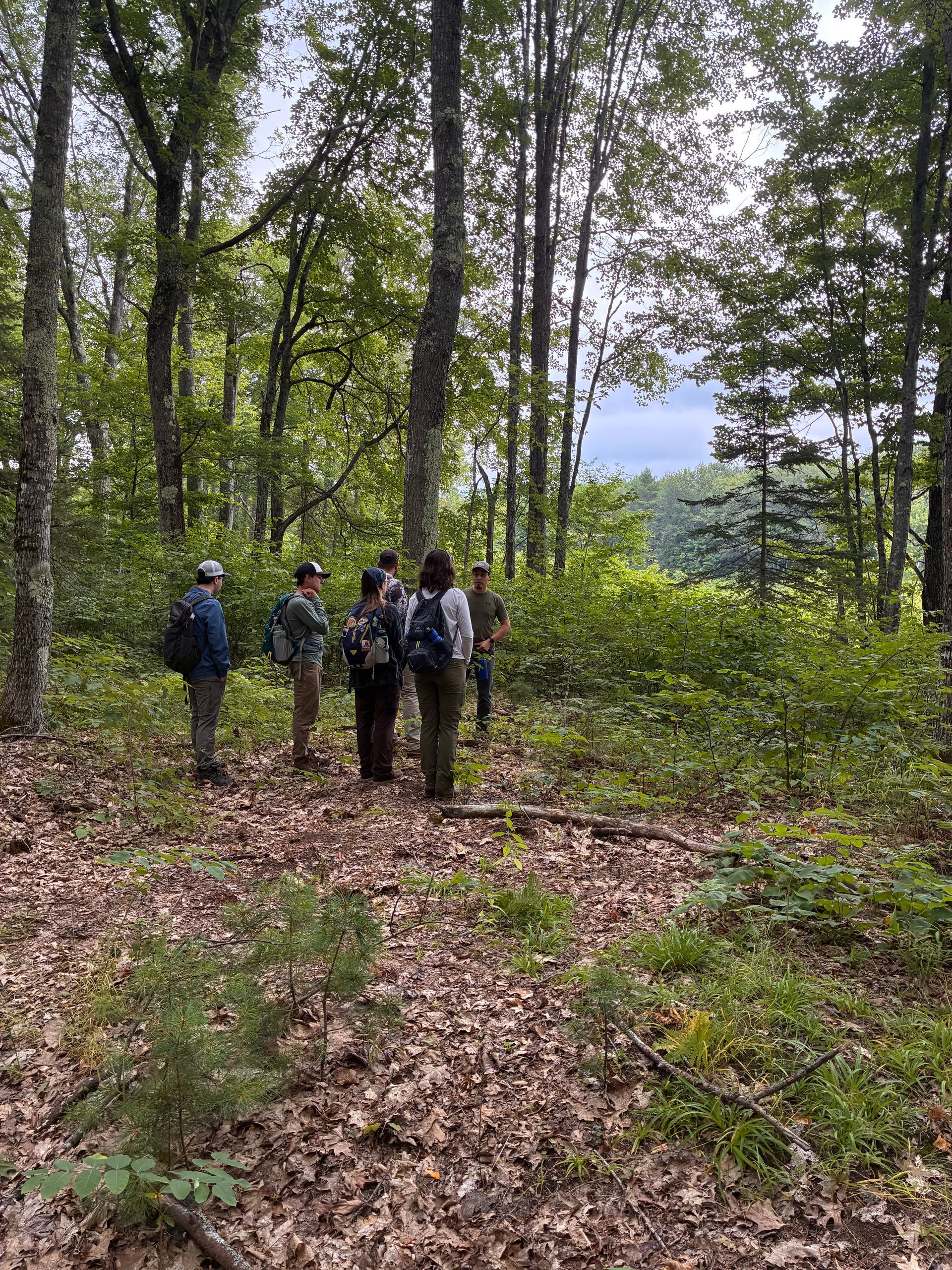
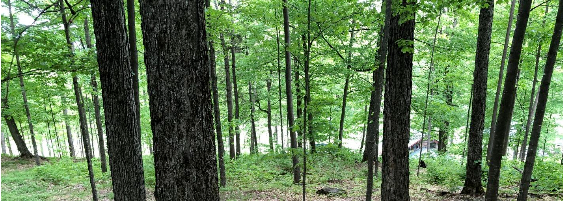
During one of the May rains that finally broke Vermont’s ten-month drought, Gerry Hawkes welcomed the Guild community to his 60 acres in the southern Green Mountains—his woodlot, workshop, and home. The day began with a guided tour of Gerry’s forest, where northern hardwoods now thrive under his careful management. 


Gerry bought the property in 1969, keeping it in the family and immediately setting to work repairing damage caused both by environmental forces—such as acid rain that singed the spruce—and by the mismanagement of earlier generations, who converted the rocky forest into to pasture in the early 1800s, then later abandoned it to revert to woods. “This land has been assaulted. It’s been cleared when it shouldn’t have been…we should be like surgeons.” He affirms, “We should go in carefully, help it recover.”  
60 acres, 55 Years 

For 55 years, he has practiced ecological forestry on these 60 acres, grounded in painstaking observation and deep respect for nature. Gerry knows his forest so well that he can picture individual trees from memory—an intimacy that has produced robust yellow birches and red oaks and helped him stay ahead of invasive species, a relentless threat to biodiversity. 


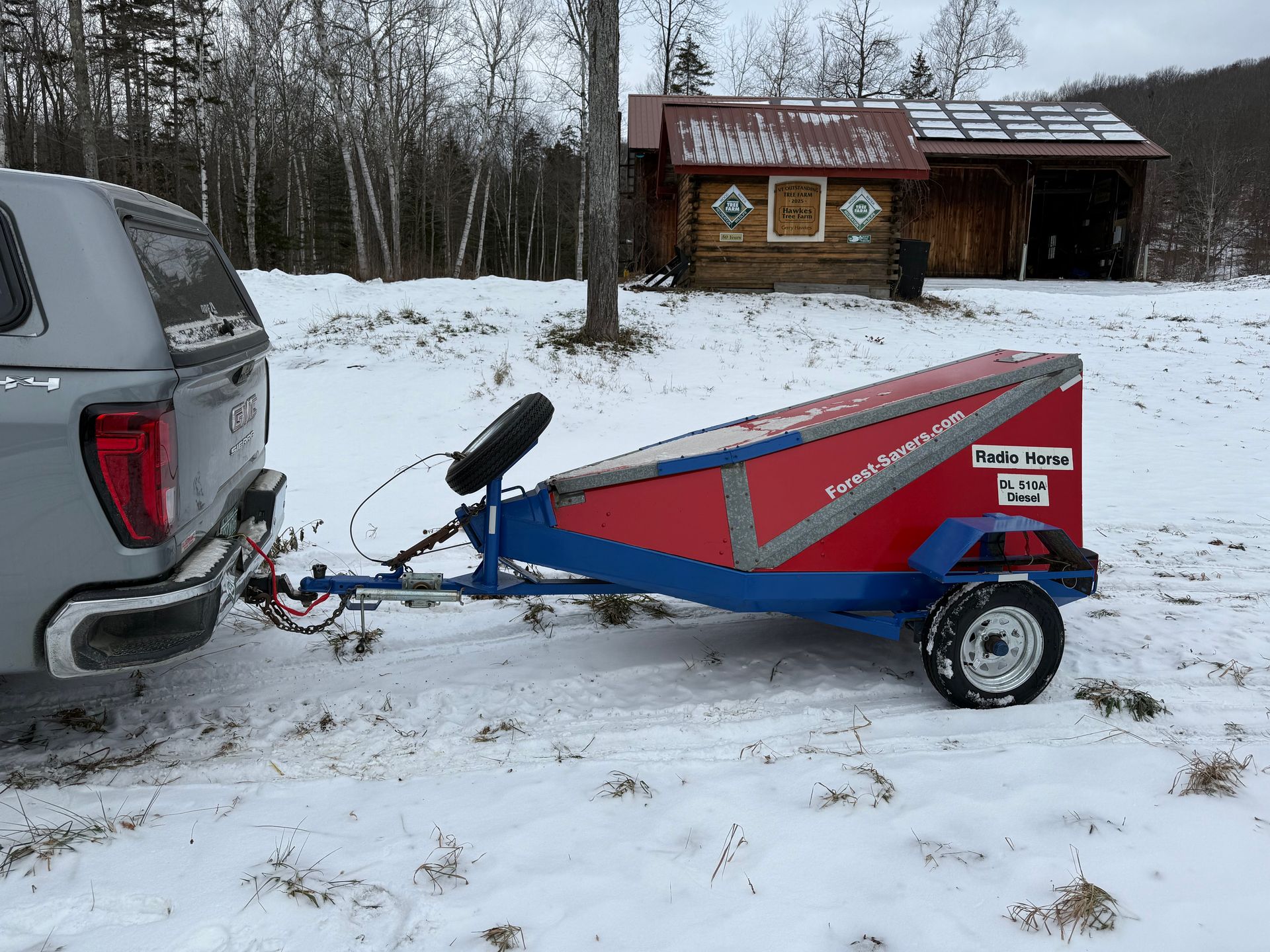
His approach centers on rotational thinning to improve tree health and address threats such as sugar maple borer and invasive plants—often using small-scale logging equipment he designed and built himself. 


In practice, this means: 

  • Leaving the strongest, healthiest trees to grow 
  • Removing weaker or compromised trees to reduce competition 
  • Monitoring and responding early to insect and invasive plant threats 

It’s simple rehabilitation silviculture: a leave-the-best-and-take-the-rest approach that he employed in his own woods after working long days as a private forester. His land now serves as a living laboratory, revealing what a second-growth forest can become under long-term, thoughtful care. 


Seeing the Results on the Ground 

Time is a critical ingredient in the woods, and it is rare to find such a long-running example of consistent thinning in northern hardwoods. Despite the persistent spring rain, Guild members and fellow tree enthusiasts were energized, united by a shared passion for the art and science of tree stewardship. 


One consulting forester on the tour was struck by the results, noting that seeing something so straightforward and so successful made him more confident about prescribing thinning to his own clients. 


Tools, Creativity, and “Yankee Ingenuity” 

When he’s not in the woods, Gerry is in his workshop, building tools to solve problems he encounters on the land. A pioneer in sustainable forestry, he shared several bootstrap inventions that exemplify “Yankee ingenuity,” Connie Englert remarked “like Willy Wonka!” 


Among his inventions are: 

  • A radio-controlled thinning winch that minimizes site disturbance and lets the operator stand at a safe distance from the log 
  • An armored forestry tractor equipped with a heel boom that lifts logs by the butt, allowing them to be loaded onto a forwarding trailer or bucked into firewood while held at a convenient height off the ground." 
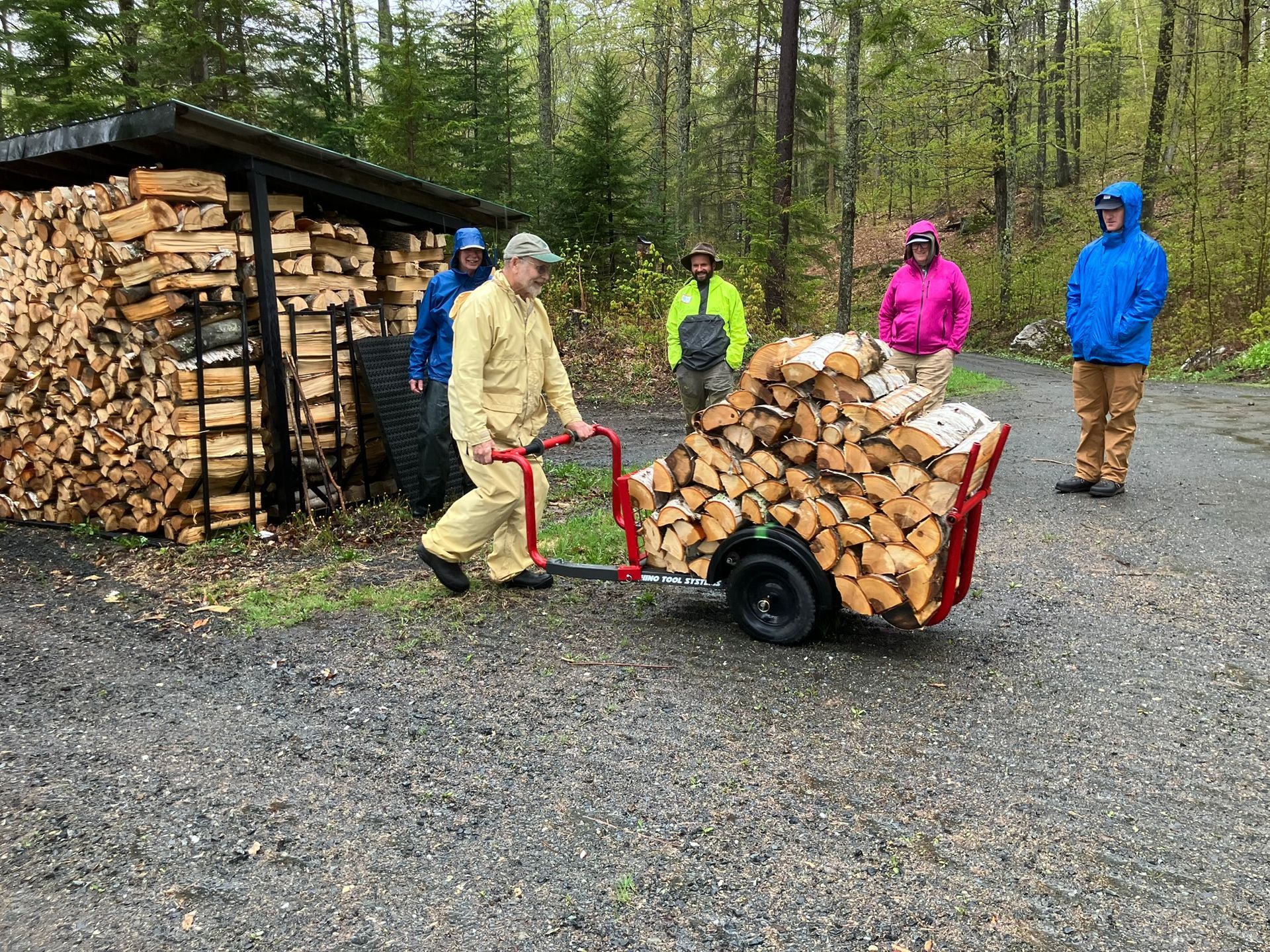
  • An electric woodpile mover to ferry firewood from the woodshed to the hearth with ease 

As the event continued, attendees gathered for a group photo with a striking addition to Gerry’s toolkit—his 4 million BTU invasives-busting flamethrower. This eye-catching device sparked conversations about managing invasive species and highlighted innovative methods that can reduce reliance on pesticides and their long-term impacts. 


A standout moment came when Rachel Swanwick, the Guild’s Northeast Program Manager, took Gerry’s electric woodpile mover for a spirited test drive, encouraging participants to think more inventively in their own work. “I have cleaned up my own shop to tinker more,” Connie reflected, “and I was amazed at what a lifelong commitment to this beautiful and important craft could look like in my own woods.” 

Fostering Community & Inspiring the Next Generation 

Today, Gerry’s practice is defined by steady, attentive care. Every few years he moves through the understory to keep the woods more open, making selective harvesting easier and increasing the value of the property. 


The gathering blended learning, laughter, and community building, illustrating the Guild’s commitment to sustainable forestry and to fostering connections among those who care deeply about the future of our forests.  


It’s a connection the Guild continues to nurture. In July, Gerry will host a tour for the Guild’s summer interns with the National Park Service’s Resilient Forests Initiative, helping to equip the next generation with new knowledge, fresh inspiration, and a renewed sense of purpose in advocating for responsible stewardship. 


Through his patient, hands-on approach, Gerry has brought out the potential of a typical second-growth forest in the Northeast in ways that captivate visitors and offer a powerful example of what long-term ecological forestry can achieve. 

Recent Posts

By Daisy Smith June 17, 2026
Written by Zander Evans
By Daisy Smith June 17, 2026
Written by Jack Singer, MPC Chair
By Daisy Smith June 17, 2026
Written by Bobbie Webster, Wisconsin Department of Natural Resources (DNR) Division of Forestry
By Daisy Smith June 17, 2026
Written By Maya Hilty and Megan Rangel-Lynch
By Daisy Smith June 3, 2026
Written by Ryan Salyers
By Daisy Smith June 2, 2026
Written by Billy Coffey, SWVA Crew Leader
By Daisy Smith May 14, 2026
Written by Zander Evans
By Daisy Smith May 14, 2026
Written by Zander Evans
May 14, 2026
A science inspired art show in Taos, NM Written by Cody Dems
Show More