Disturbance: The Art and Ecology of Change

May 14, 2026

A science inspired art show in Taos, NM


Written by Cody Dems

Figure 3.

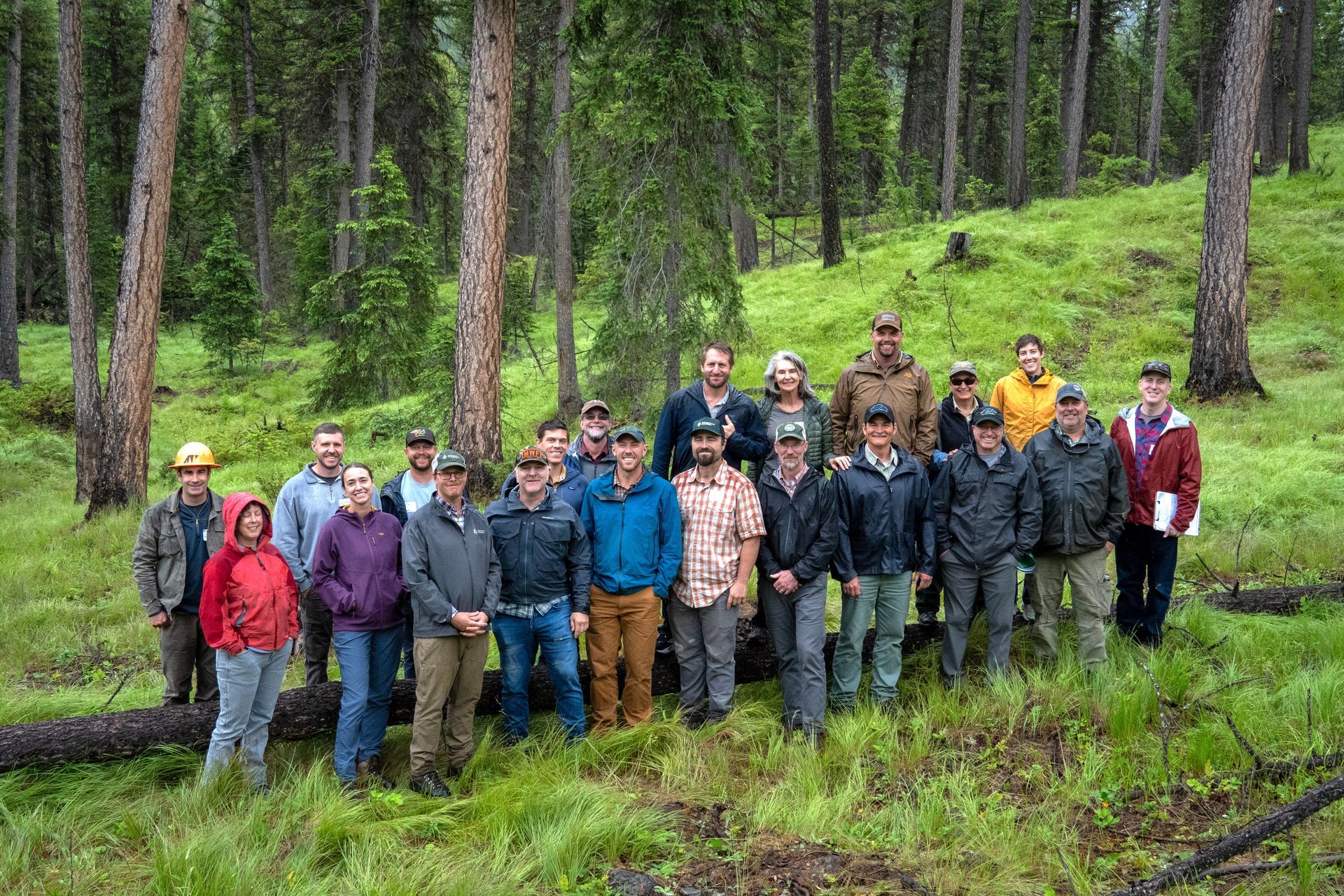
Foresters frequently describe their practice as an art and a science. In early April, a newly formed community of 11 artists and 6 fire ecologists took that blend of art and science to new places.  


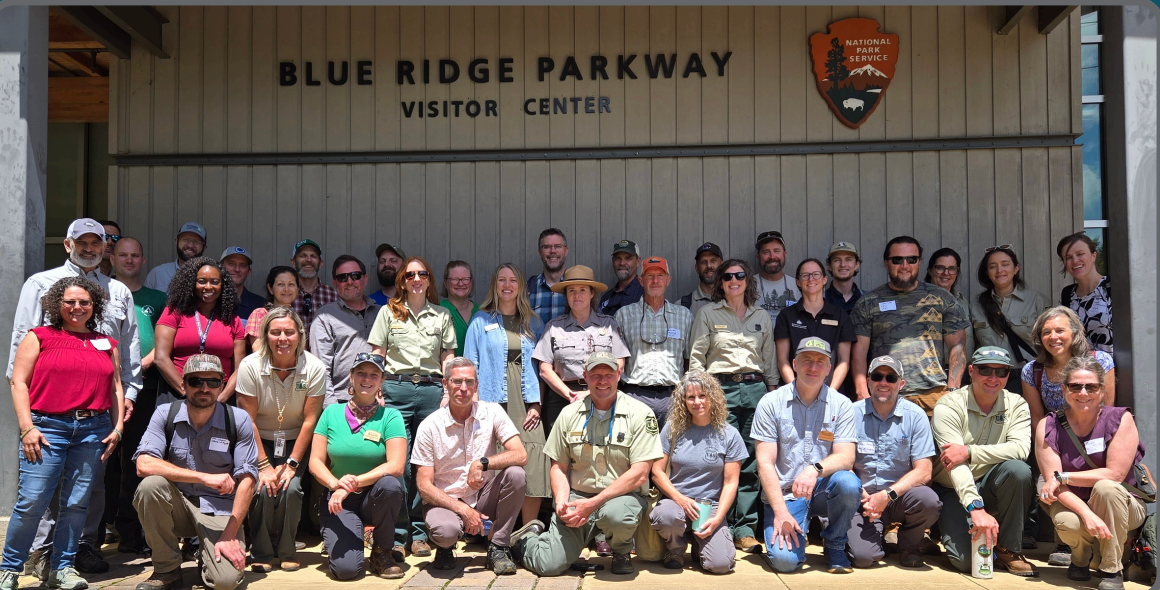
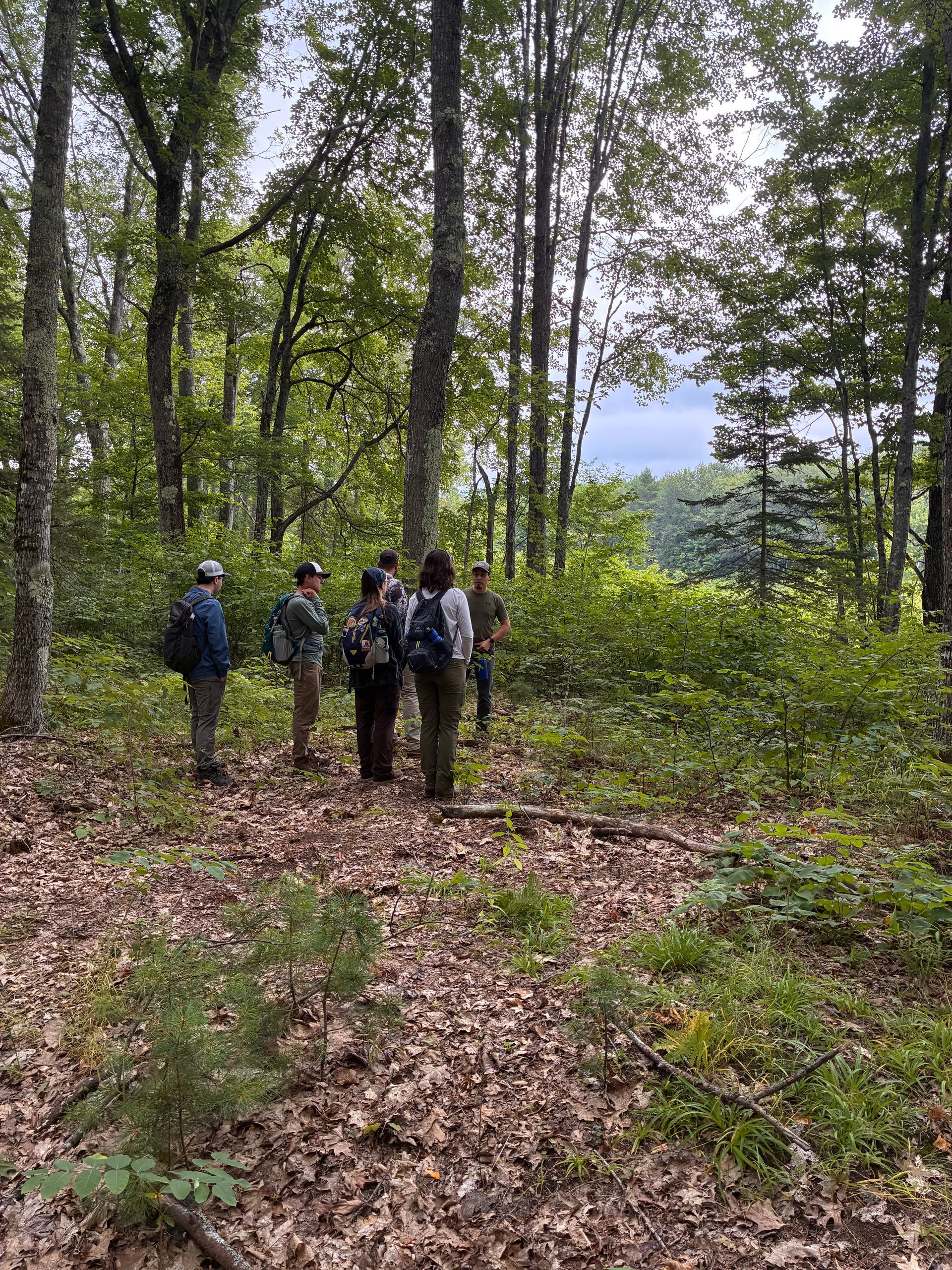
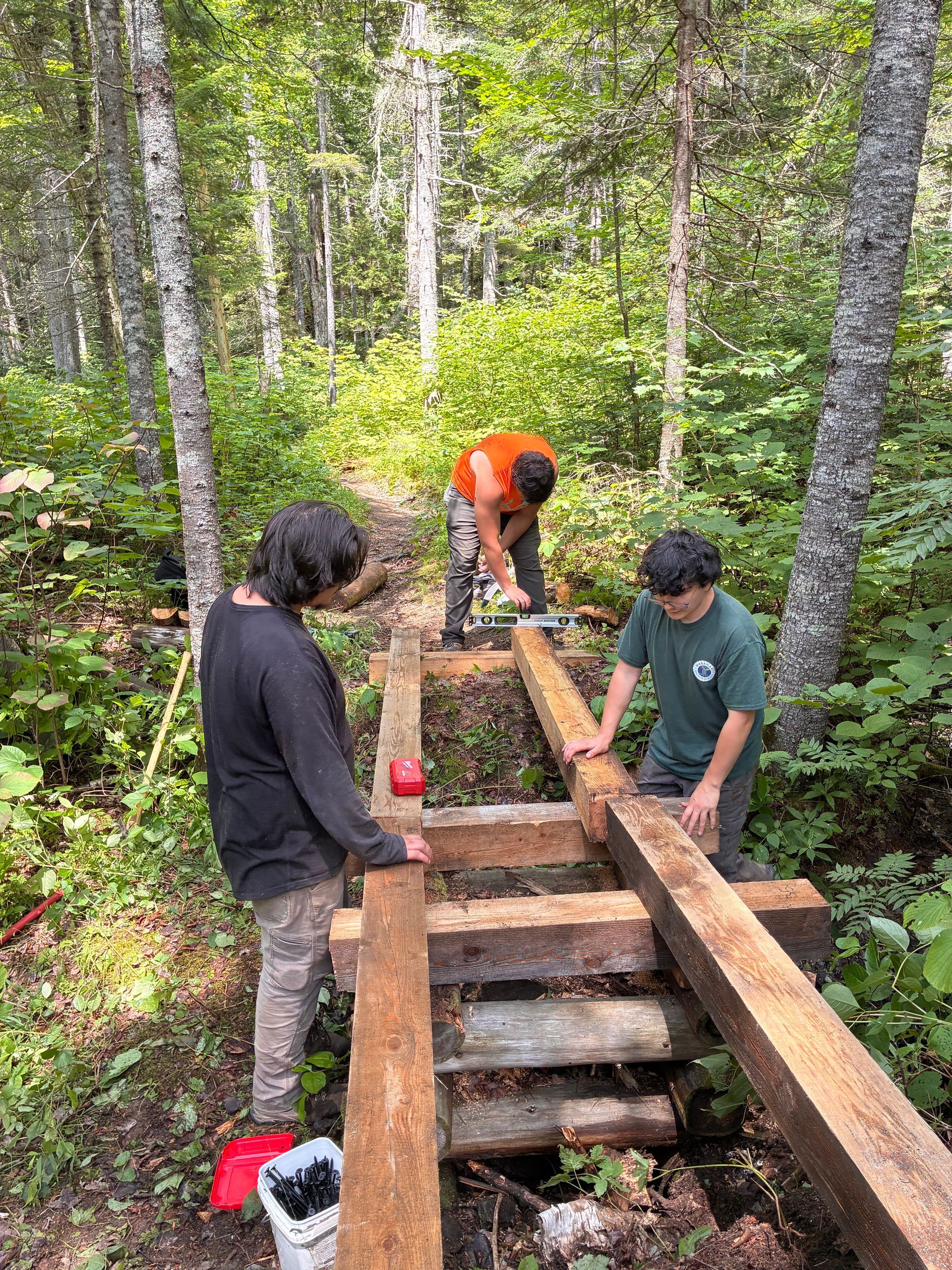
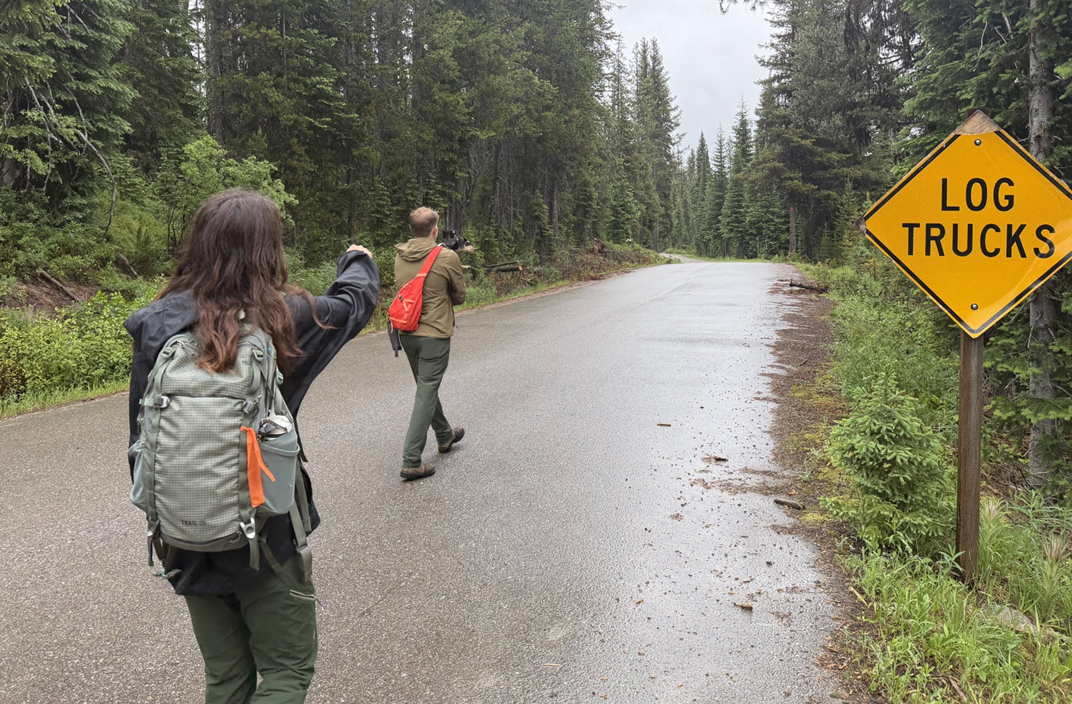
Over the course of five days, participants visited various sites in Taos County, New Mexico to explore the nuance of fire on the landscape (Figure 1). This ‘Boot Camp’ was the launch for Disturbance: the art and ecology of change, a multifaceted event to reimagine society’s relationship with fire. Throughout Boot Camp, artists and scientists engaged in dialogue around forest and fire science, reflected on the human experience of change, met with land managers and community members, and integrated their different forms of observation to gain knowledge (Figure 2.). The artists are tasked with creating works that represent fire science and their experience exploring it. Their group show opens August 28 in Taos County and will run for five months!


In compliment to the art show, all 5th-grade classrooms in Taos County will explore fire science and students will develop related art. Also, between August 2026 and January 2027 multiple “Disturbance Days” will invite dialogue with Taos County residents through field tours, art and science programs, and evening events. 
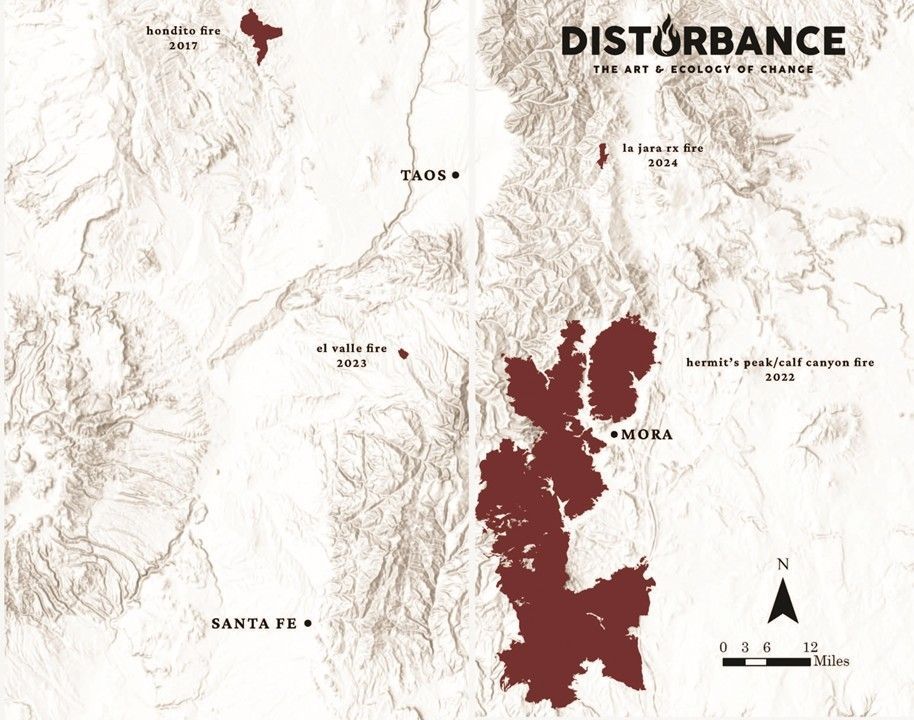
Figure 4

As a co-organizer and participant in Boot Camp, I am overwhelmed by the passion, insight, curiosity, and dedication that the artists and scientists brought forward. The Boot Camp was a packed few days of information exchange, vulnerable reflection, and relationship building.


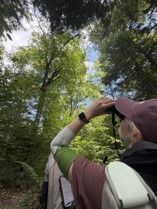
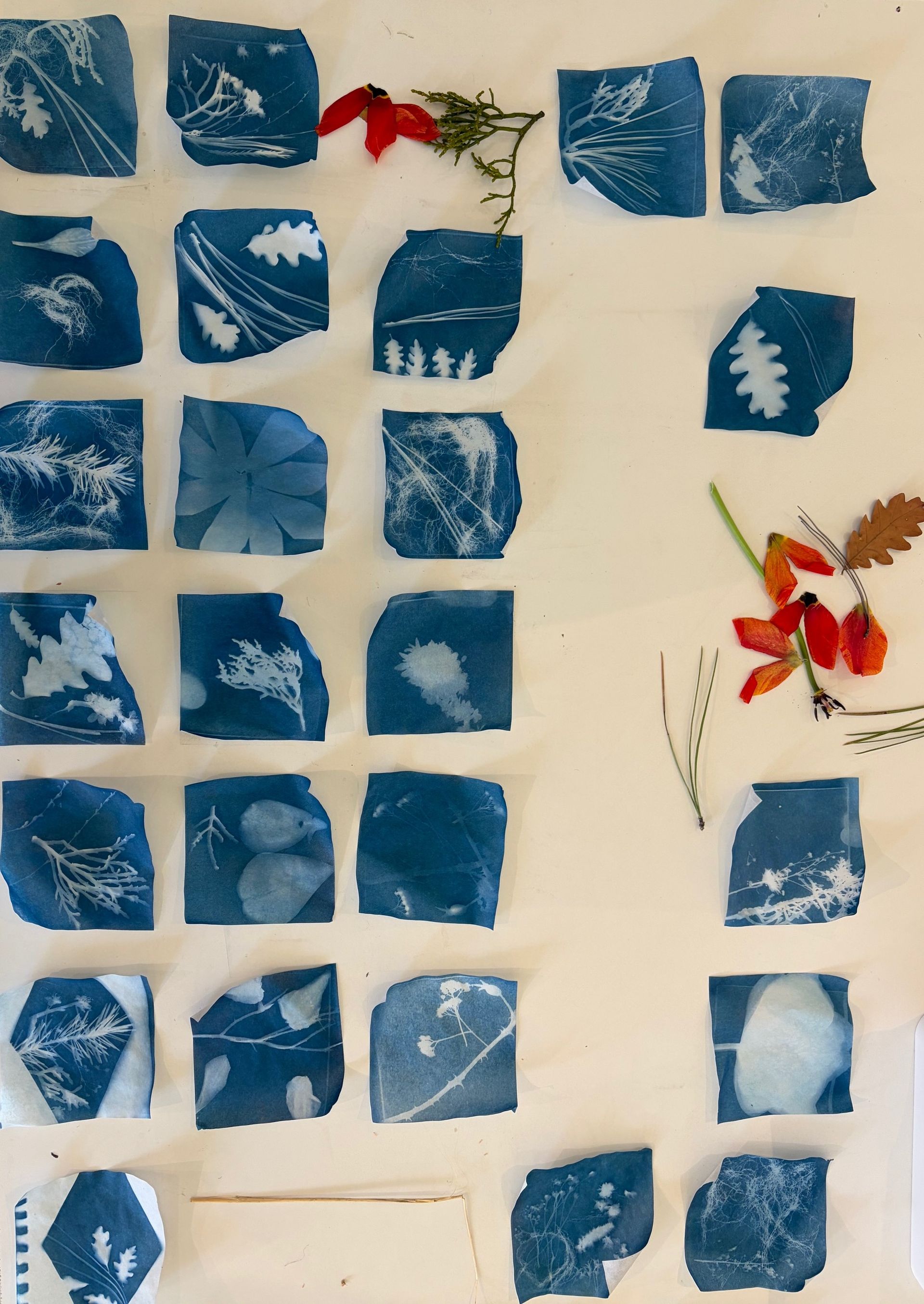
From the start, during individual introductions, the title Disturbance was questioned with words like ‘perturbance’ and ‘stabilizing force’ suggested as better descriptors of fire in southwest ecosystems. Throughout our time together, we made cyanotype prints (Figure 3.) and charcoal markings, explored fire regimes and vapor pressure deficit and tree ring chronologies and climate impacts and different ways of knowing. We shared meals. We asked questions with straightforward answers and questions that require nuance. I am grateful to everyone who has been involved and will be in the months ahead.  


Social science and experience tell us that people don’t act based upon what they know, but rather what they care about. Art and science have different ways of presenting information and inviting care. By weaving the two, perhaps we can bring balance to the head and the heart. Perhaps we can tap into the emotive power of creativity to open knew dialogues, and promote forest stewardship, together. (Figure 4.) 


The Guild is excited to be a part of this effort with Paseo Project, a Taos-based arts nonprofit that transforms public space through immersive participatory art experiences, and Del Fuego, a community dialogue around the effects of wildfire on land, life, and community in northern New Mexico. We greatly appreciate the support of the Southwest Fire Science Consortium, Taos Soil and Water Conservation District, LOR Foundation, and Hotel Willa. 


Visit https://paseoproject.org/disturbance2026 to learn more about Disturbance, the participating artists and scientists, and stay informed of upcoming events.  


Recent Posts

By Daisy Smith May 14, 2026
Written by Zander Evans
By Daisy Smith May 14, 2026
Written by Zander Evans
By Aidan Juhl April 16, 2026
Written by Colleen Robinson
April 14, 2026
Written by Shannon Maes
April 14, 2026
In September 2025, the Guild launched a three-person Forest Stewards Apprenticeship (FSA) crew to work with the Penobscot Nation’s Department of Natural Resources (PN DNR). Over the course of their six-month season, apprentices Agenor Duhon, Gabe Stewart, and Jacob Baker shared a season of learning, collaboration, and hands-on stewardship of Penobscot Tribal lands.
April 14, 2026
This week, I stepped into the role of crew leader. We worked a full 40-hour week, splitting our time between Clifton Farms and a prescribed burn operation. On the first day in the field, we completed hack-and-squirt treatments on trees that had been marked the previous week. For the remainder of the week, we focused on marking trees for future hack-and-squirt work, maintaining a steady pace and ensuring accuracy in our selections.
April 7, 2026
As Guild members, our practice is fundamentally grounded in field observation. We know intuitively that forests are dynamic, living communities. Yet, for decades, the high-level systems used to value our work, specifically the carbon accounting ledgers tied to international frameworks like the Paris Agreement, have treated forests as static, quantifiable blocks of land. In a recent commentary published in One Earth, I argue that these legacy measurement, reporting, and verification (MRV) frameworks are failing. Ledger accounting relies on crude land-use delineations and outdated technology, effectively penalizing the natural, seasonal flux of the ecosystems we manage every day. By forcing landscapes into rigid “forest” versus “non-forest” binaries, such legacy systems miss the complex reality on the ground. But a major shift is underway.
March 18, 2026
Women have always been a part of forestry. Historically, women often helped guide family decisions about when to cut, which trees to save, and how best to steward their land for the next generation. Historical accounts from the Southern Appalachians describe women’s roles in decisions about timber harvesting and prioritizing long-term forest health. These often-uncredited contributions are even reflected in Aldo Leopold’s A Sand County Almanac (1949), in which describes his stewardship philosophy informed not only by his professional experience, but by shared responsibility, where the perspectives of his wife and daughters played an important role.
March 18, 2026
Although rural regions often host the highest concentrations of public and private forest land, they typically lack the sustainable workforce necessary for active management and stewardship. How do we address this foundational problem in forest conservation?
March 18, 2026
The Forest Stewards Guild has a unique dual mandate: practice and promote forest stewardship. Personally, I think the combination of practicing forest management and promoting best practices is what makes the Guild a vibrant and impactful organization.
Show More