NERI Tech Reflections 1 - Learning by Doing with the Forest Stewards Guild

July 10, 2026

Written by Pabitra Singha Sagor

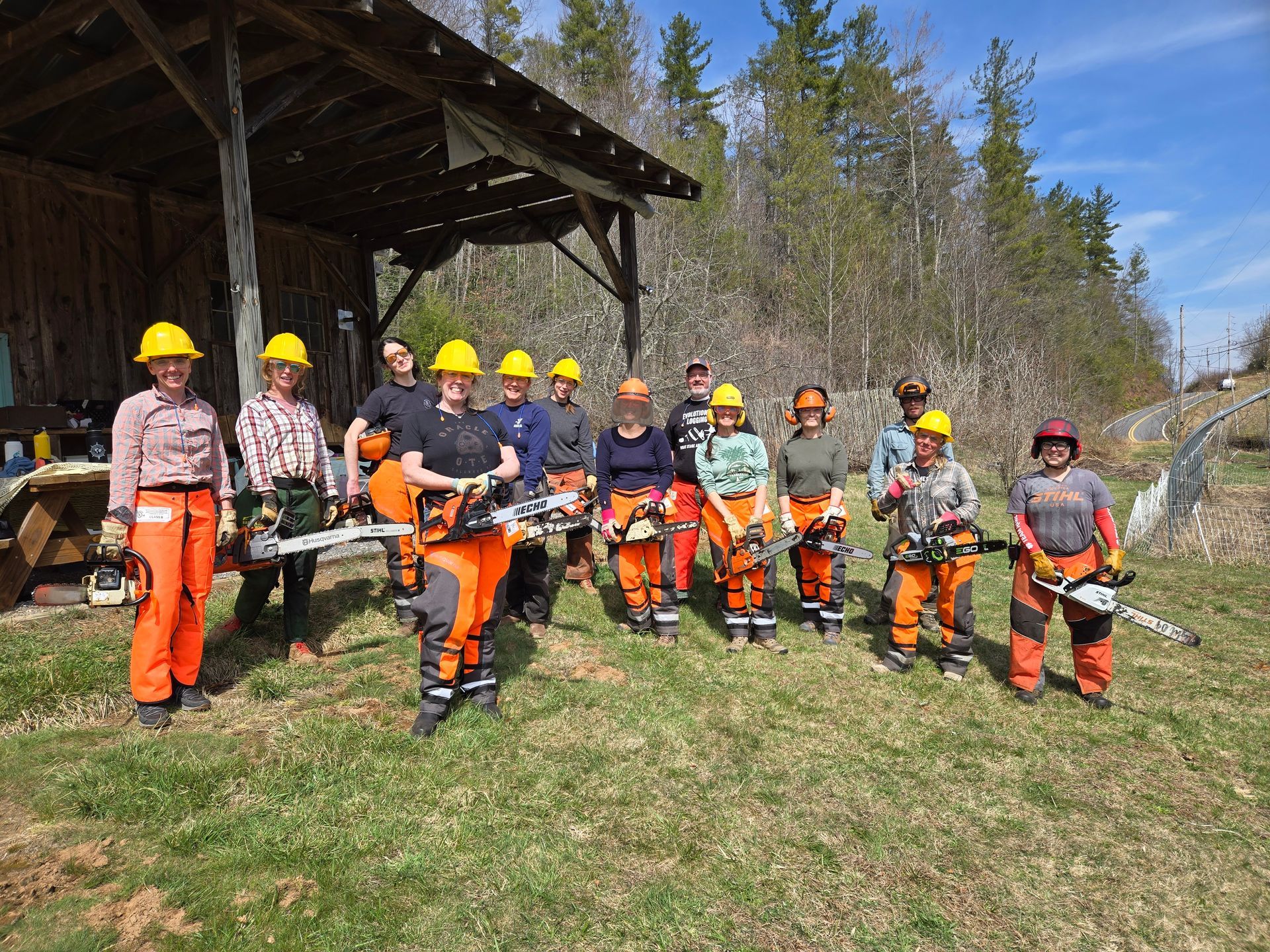
If I had to describe the first two weeks of our Forest Stewards Guild experience in one sentence, I would say this, we transformed training into action and strangers into a crew. 


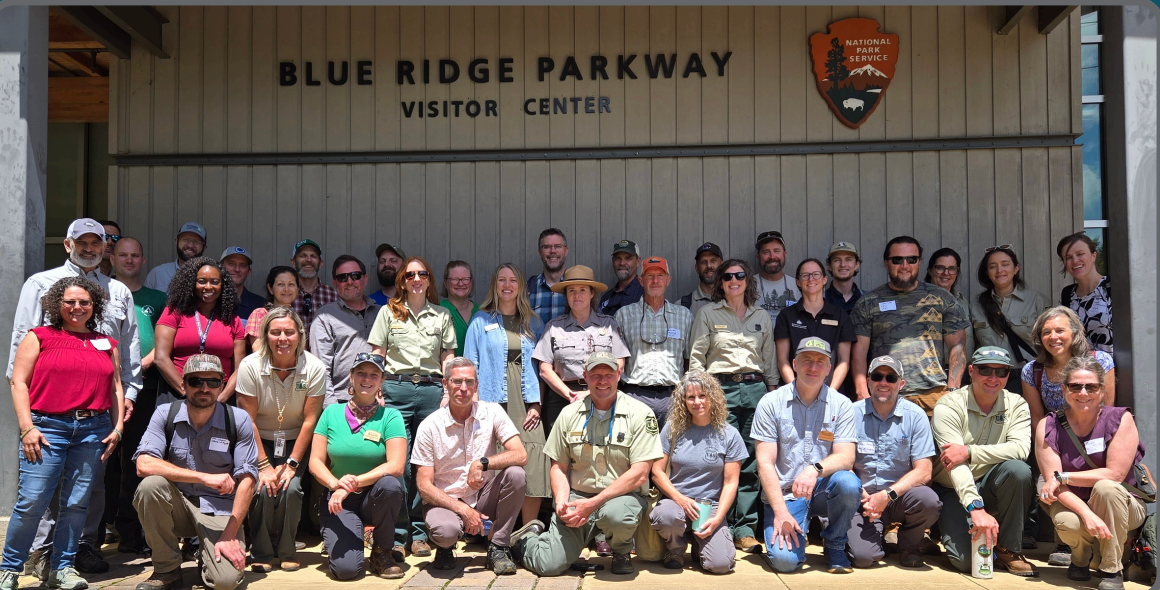
Our journey began with orientation and crew training. We learned expectations for professional conduct and developed an understanding of how important every crew member's role is to accomplishing a shared goal. 


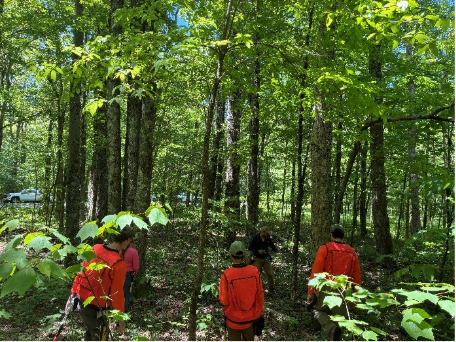
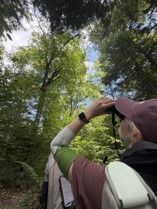
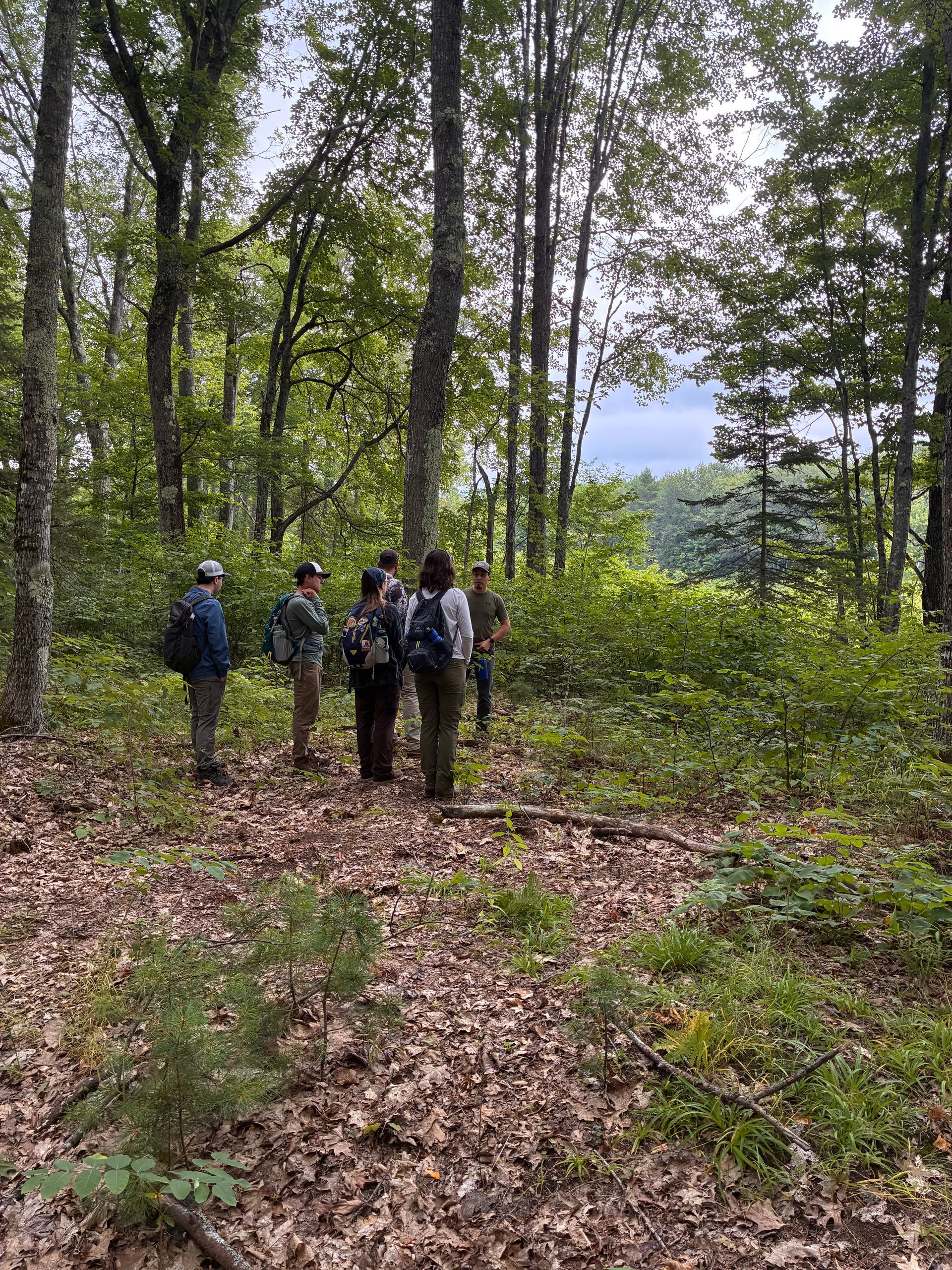
As our training continued, we shifted our attention toward understanding the forests we were working to protect. Through plant identification exercises, we learned how to identify different plants and began seeing the landscape differently. Learning to identify species challenged us to slow down, observe carefully and appreciate the complexity of natural systems. 

I learned that something as small as whether leaves are opposite or alternate suddenly became an important clue to identify a tree species. I found myself examining the shape of leaves, their margins, venation patterns and the way they attached to branches. We used dichotomous keys, carefully following each step and asking questions such as, "Are the leaves opposite or alternate?" or "Is the leaf simple or compound?" until we arrived at the correct species. What initially felt confusing gradually became exciting. Instead of memorizing names, I was learning how to think like a naturalist. 


Even bark became a source of fascination. I learned interesting facts about different species and realized that forests reveal their stories to those willing to slow down and pay attention. I began to appreciate that every tree has unique characteristics and ecological roles that contribute to the health of the entire ecosystem. 


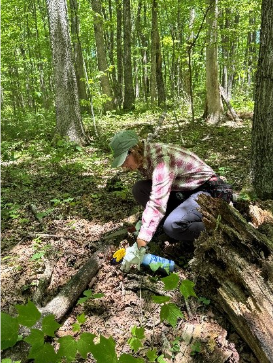
Another important component of our training involved learning about herbicide application. Under supervision, we practiced proper safety procedures, application techniques and responsible decision making. Many of us had never considered the amount of care and precision required to do the treatment effectively. We discussed different treatment methods, including the cut-stump method, and learned techniques such as the hack-and-squirt method, where cuts are made into the bark and herbicide is carefully introduced into the plant's vascular system. Through this I gained a new appreciation for the science and thoughtfulness involved in ecological restoration. 

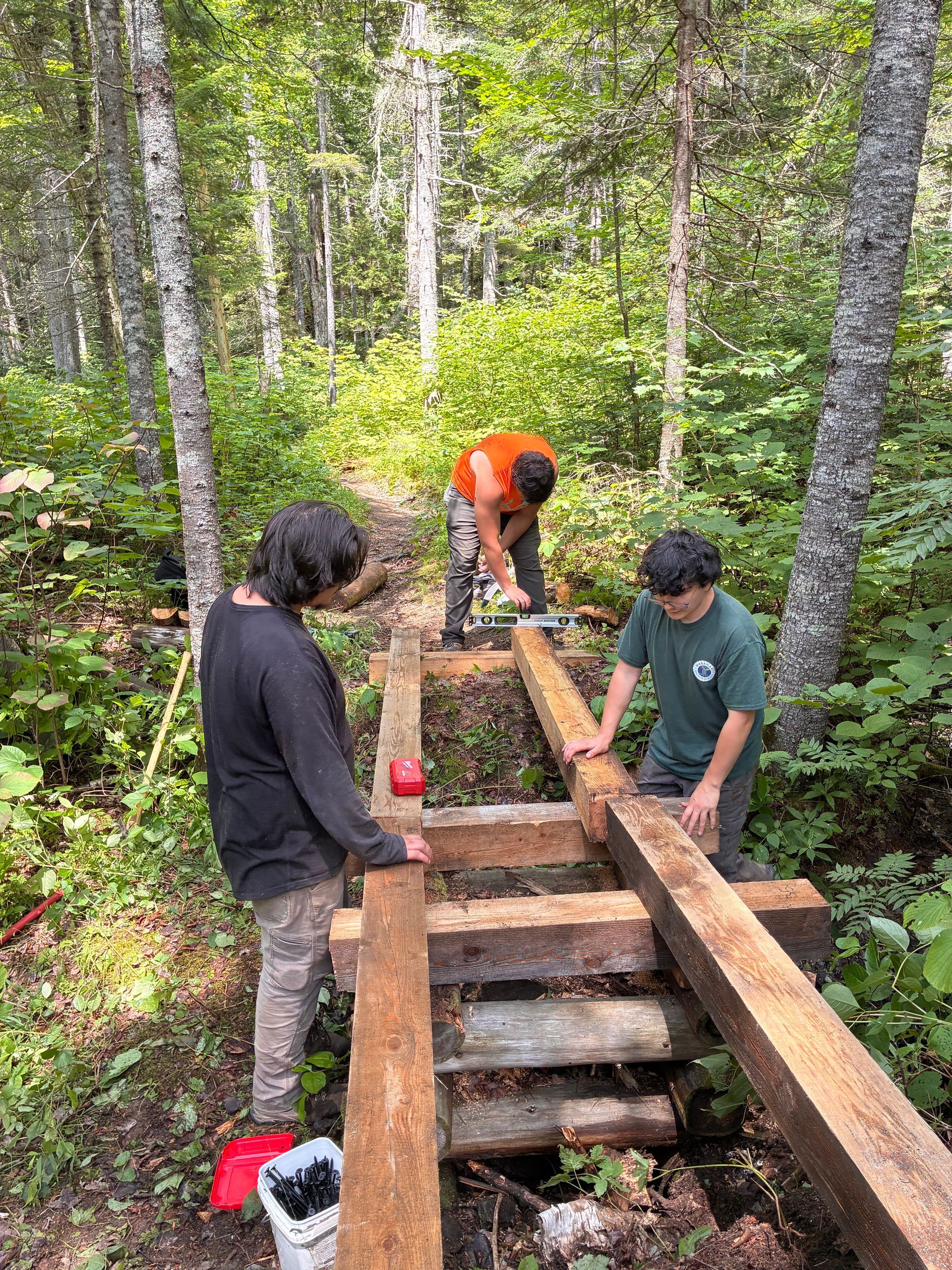
For two days, our crew participated in trail work that challenged us physically and mentally. We carried heavy rocks across difficult terrain to stabilize and improve sections of trail that future visitors will use for years to come. Some of these rocks had to be transported long distances and one of the most fascinating techniques we used involved constructing a zip-line system to move rocks through the forest. 


The work was demanding. Our shoulders were sore. Our boots were muddy. There were moments when everyone felt exhausted. Yet every time someone struggled, another crew member stepped in to help. I learned that no task is completed alone. The success of the crew depended on communication, encouragement and the willingness to help one another. 


By the end of those days, we understood that the success of trail work cannot simply be measured by miles completed or rocks moved. Its true value lies in the teamwork developed and in knowing that hikers and families will one day enjoy safer, more accessible trails because of the effort we invested. I realized that some of the strongest teams are not those without challenges, but those that continue working together despite them. 


Our Wilderness First Aid training may have been one of the most practical learning experiences of all. Rather than simply reading about emergency procedures, we practiced responding to realistic scenarios. We learned how to assess patients using systematic approaches, recognize signs of heat exhaustion and heat stroke and determine appropriate interventions before situations worsened. We practiced CPR, learned how to respond to choking emergencies, and worked through different scenarios involving injuries and illnesses that could occur in the field. 


These exercises challenged us to remain calm under pressure. They taught us that effective emergency response is not about memorizing information but about applying knowledge thoughtfully and confidently when someone needs help. I discovered that preparedness saves time, reduces panic and can ultimately save lives. 

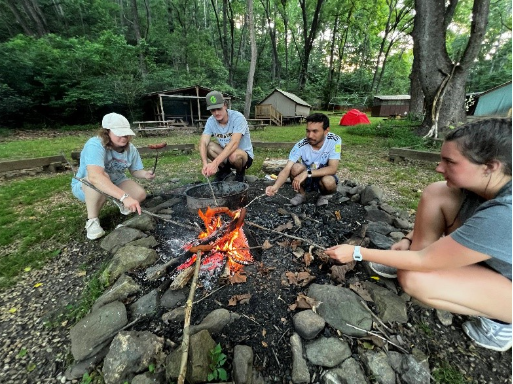
Camping throughout these experiences added another dimension to our learning. After long days in the field, camp became a place for stories, reflection, encouragement and laughter. We cooked meals together, talked about what we had learned, shared challenges from the day, and celebrated accomplishments both big and small.  


While we were participating in wilderness first aid training, an unexpected opportunity to celebrate emerged. It was our crew member Natalie's birthday. In between first aid scenarios and patient assessments, we paused to sing "Happy Birthday," laugh together, and celebrate one of our own. It was a small moment, but one that perfectly captured the spirit of our crew. 


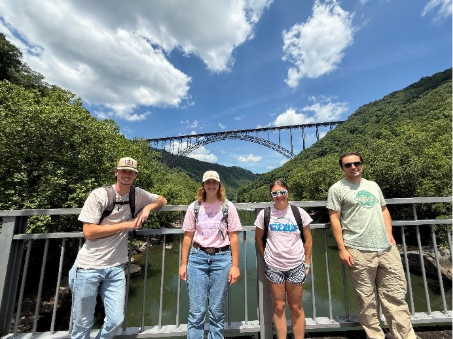
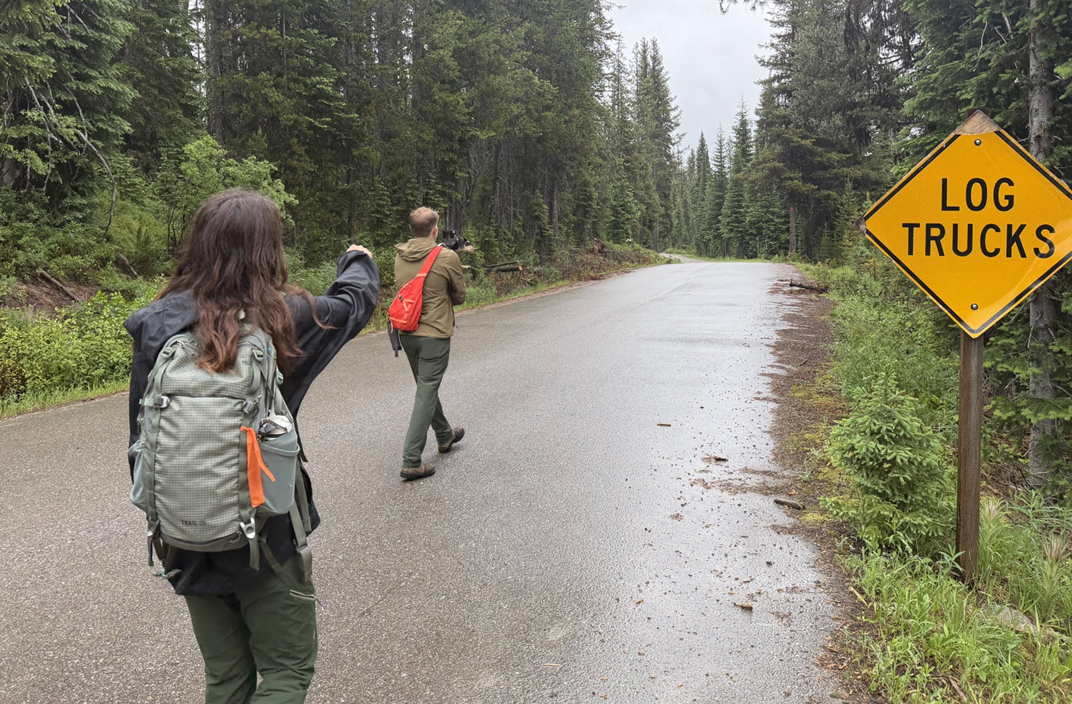
For a day, we had the opportunity to appreciate these landscapes as visitors rather than workers. We stood beneath the breathtaking New River Gorge Bridge, explored scenic overlooks, visited tourist attractions, played mini golf,and enjoyed ice cream together. 


The habitats we restore and the skills we develop ultimately support places where people gather with family, create lifelong memories and connect with the natural world. Experiencing the park through the eyes of visitors helped us appreciate the importance of the work being done behind the scenes. 


Reflecting on these first two weeks, I realize how profoundly they have impacted both me and our crew. 


We arrived with different backgrounds, different experiences and different expectations. Through shared challenges and accomplishments, we became a team that trusted one another and recognized the strengths each person brought to the group. 


I learned that forests require active stewardship. Healthy ecosystems do not maintain themselves without effort. If there is one thing I want people to know about this experience, it is that conservation work is about much more than the visible outcomes. 

Recent Posts

By Daisy Smith June 17, 2026
Written by Zander Evans
By Daisy Smith June 17, 2026
Written by Jack Singer, MPC Chair
By Daisy Smith June 17, 2026
Written by Bobbie Webster, Wisconsin Department of Natural Resources (DNR) Division of Forestry
By Daisy Smith June 17, 2026
Written By Maya Hilty and Megan Rangel-Lynch
By Daisy Smith June 3, 2026
Written by Ryan Salyers
By Daisy Smith June 2, 2026
Written by Billy Coffey, SWVA Crew Leader
By Daisy Smith May 14, 2026
Written by Zander Evans
By Daisy Smith May 14, 2026
Written by Zander Evans
May 14, 2026
A science inspired art show in Taos, NM Written by Cody Dems
By Daisy Smith April 20, 2026
Written by Billy Coffey
Show More