The Future of Forest Stewardship Workshop & National Guild Gathering

May 14, 2026

Written by Zander Evans

Registration is open for the big gathering in Freeport, Maine!


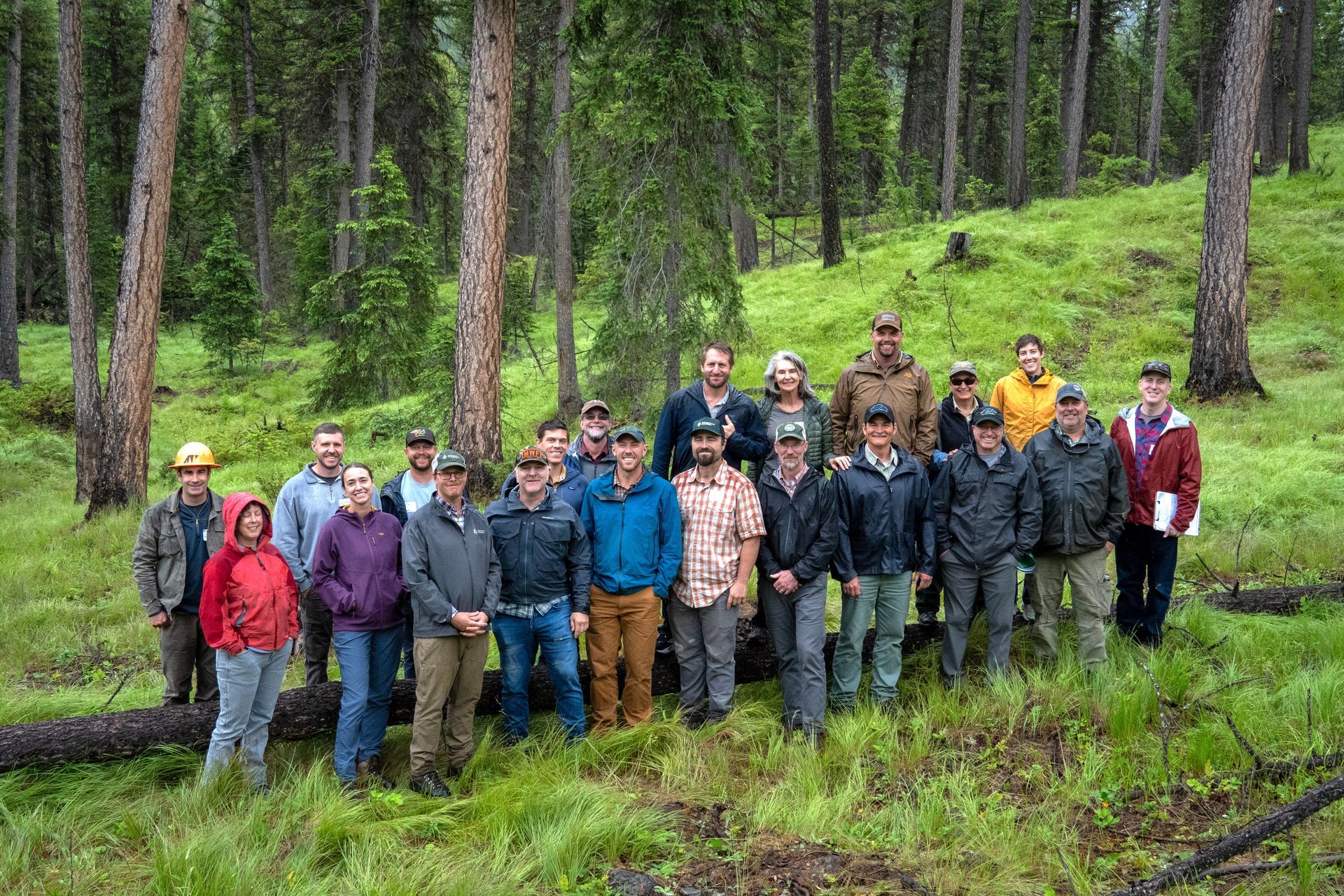
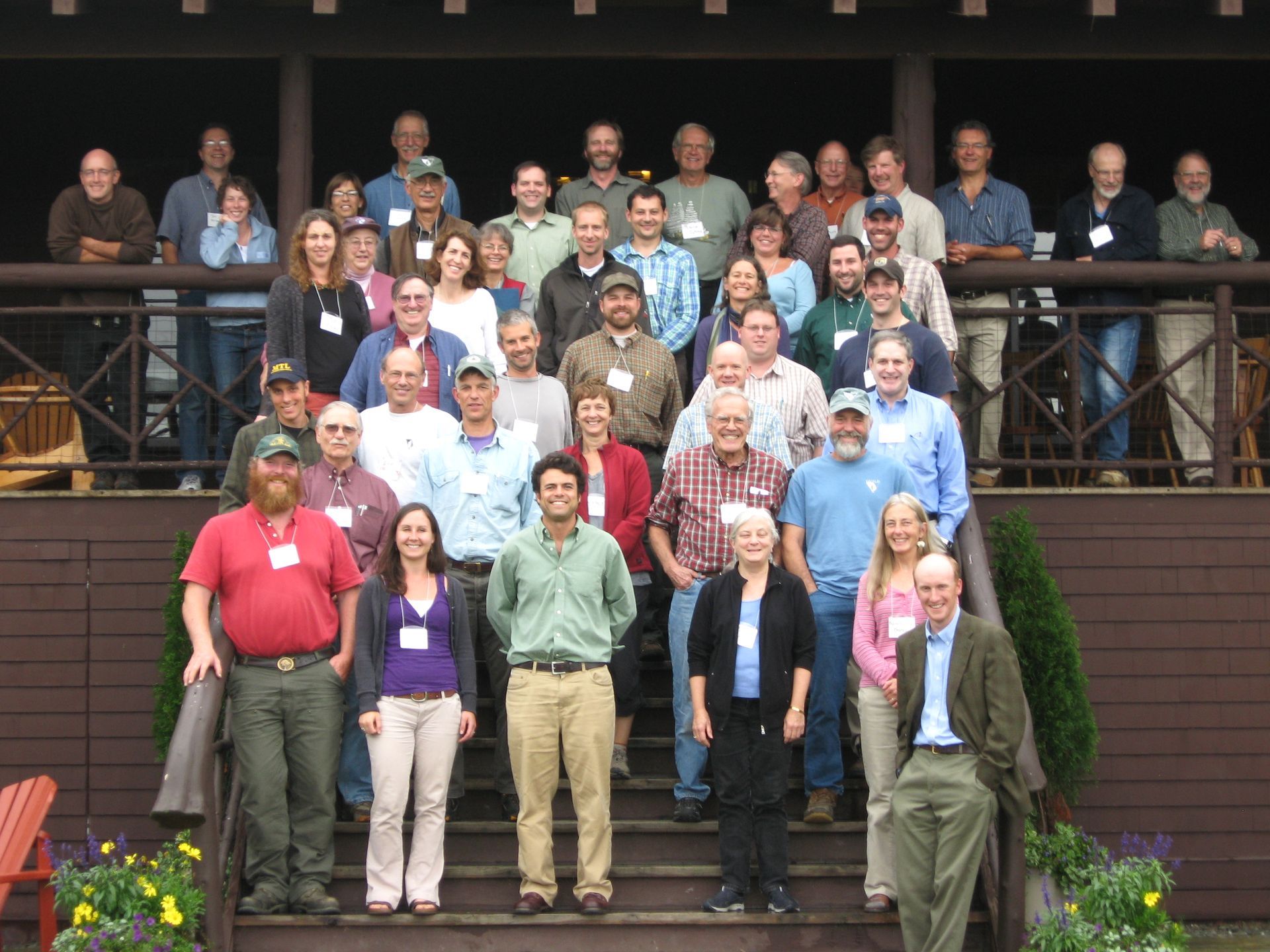
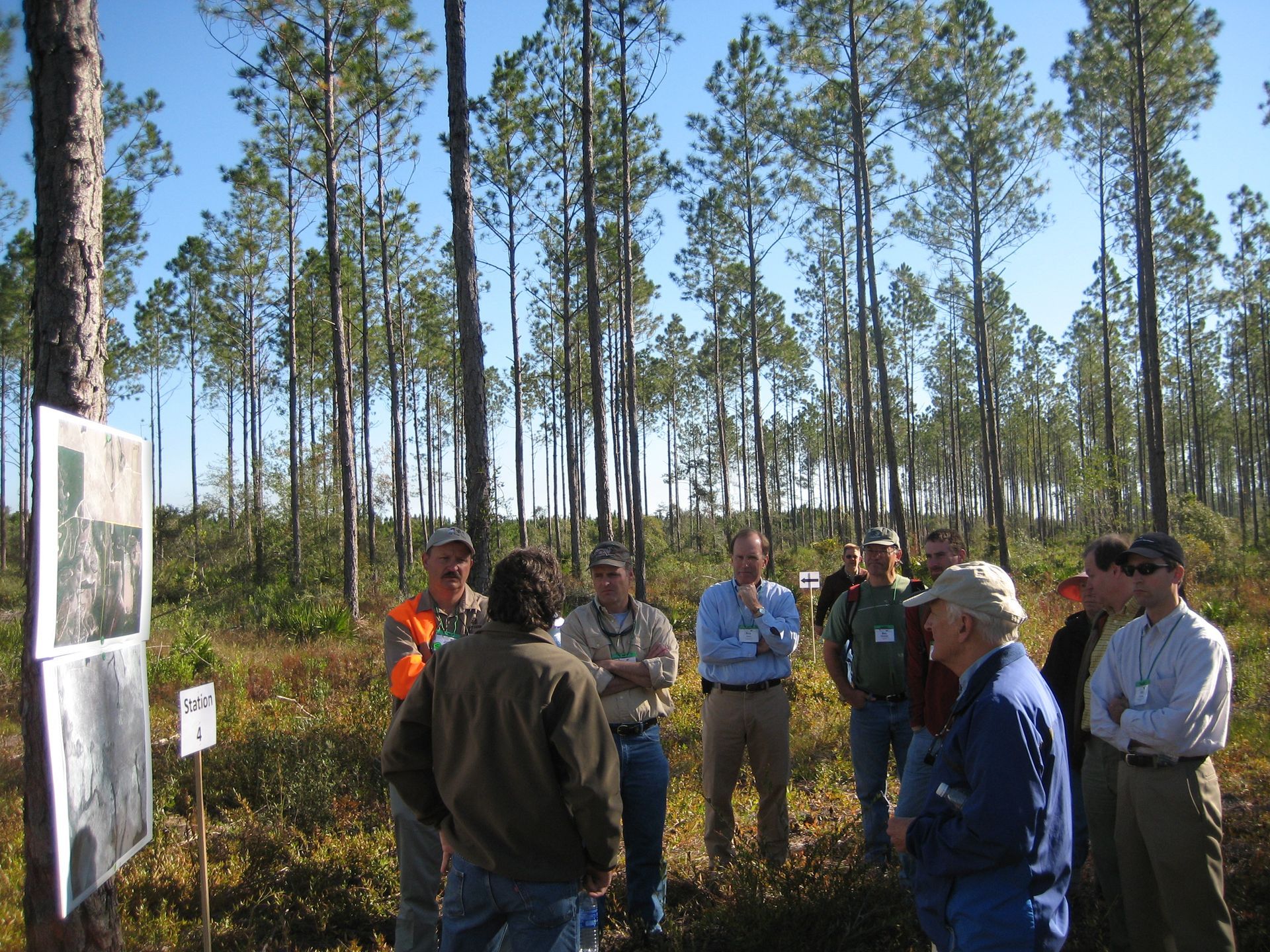
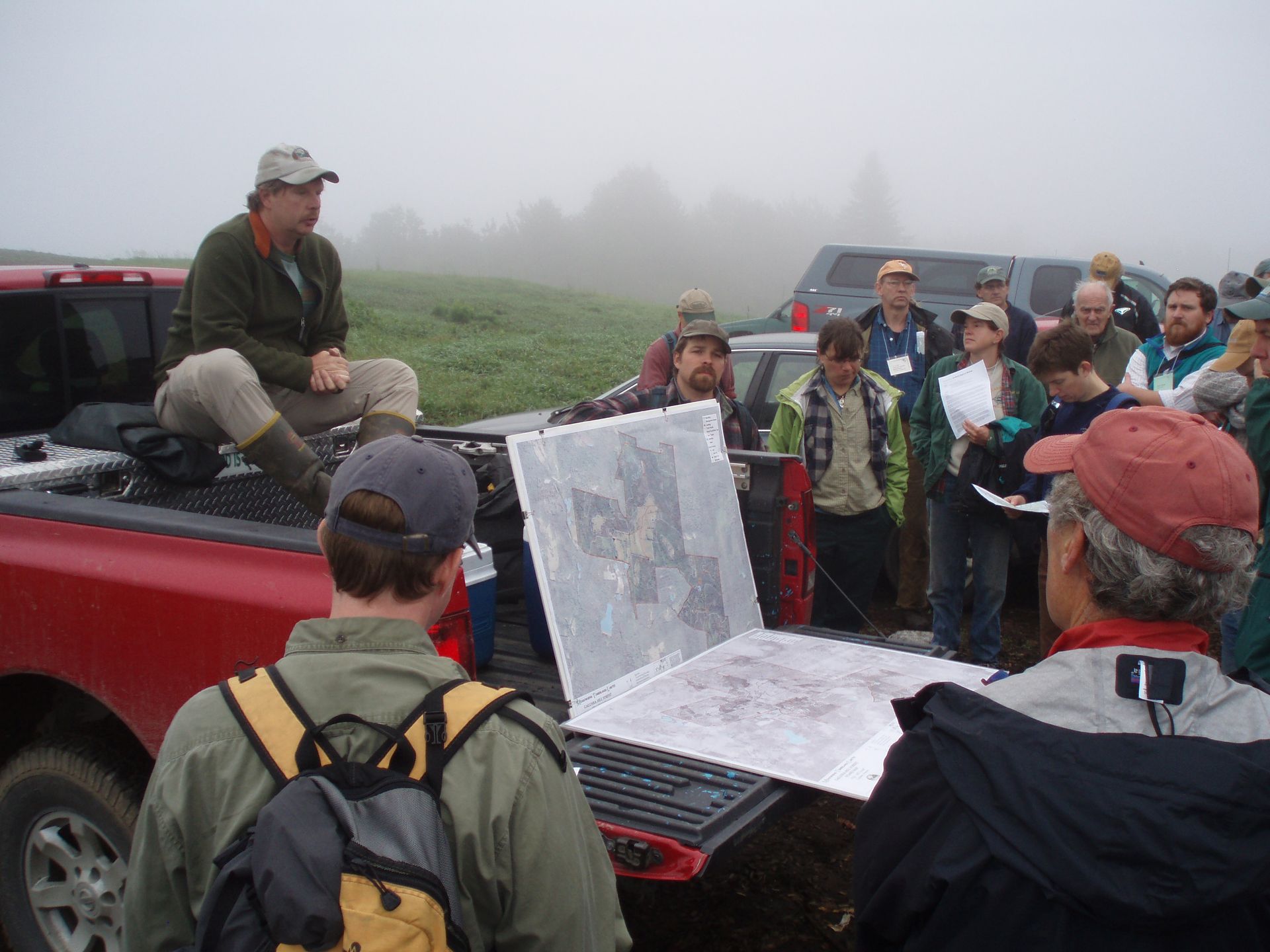
Please join us for a national convening of Guild members and like-minded stewards from across the country September 15th to 18th. Together, we will share knowledge, exchange ideas, and inspire one another through working sessions, discussions, and visits to local forests. 


This national gathering marks the Guild’s 30th anniversary, a milestone opportunity to celebrate our community, strengthen professional networks, and deepen connections across regions and disciplines. At a time when our forests and communities face increasing challenges, this is also a space to come together, align around shared values, and build a collective vision for the future of forest stewardship.  


The working sessions are organized into three concurrent tracks: Ecological Forestry, Stewardship for All, and Stress and Disturbance. Participants will be able to choose one of three tracks during each session and to switch tracks for each session.  
The working sessions are organized into three concurrent tracks: Ecological Forestry, Stewardship for All, and Stress and Disturbance. Participants will be able to choose one of three tracks during each session and to switch tracks for each session.  

The Ecological Forestry track will dig into four facets before turning to developing action items that will advance ecological forestry. The four sessions in this track are:

  • Indigenous Stewardship and Ecological Forestry 
  • Science and Policy for Ecological Integrity 
  • Stewarding Old Forests in a Changing Climate 
  • Markets to Support Ecological Forestry 

The Stewardship for All track will include sessions on: 

  • Stewardship for Land Conservation – supporting land trust in active stewardship 
  • Engaging Landowners in Stewardship – lessons learned from Women Owning Woodlands, Fire Adapted Communities, and Forestry for the Birds 
  • Welcoming All Stewards – ideas and actions to expand our community and ensure everyone is included our stewardship movement 
  • Workforce development – identifying barriers and best practices to expand the stewardship workforce 

The third track, Stress and Disturbance, will include four sessions addressing forest health and our role in mitigating forest stressors: 

  • Forest Health Updates on issues such as HWA, buckthorn, Beech Leaf Disease, Eastern Spruce Budworm, and Mountain Pine Beetle, followed by conversations about responses. 
  • Sustaining Ash Partnership Network (SAP-Ne) - collective efforts to conserve a species. 
  • Beneficial Fire – policy and practice to expand cultural burning, prescribed fire, and managed wildfire 
  • Extreme Weather – A discussion of windstorms, floods, ice storms, hurricanes and other challenges to stewardship   

In the final session for each track, participants will integrate insights from the working sessions and earlier discussions into ideas and actionable items for both the Guild and individual participants to pursue. 


We’re busily working through the logistics for field trips and plenty of networking time, and we’ll continue to share information as it is confirmed. But don’t wait too long to register as space is limited to the first 140 participants.  


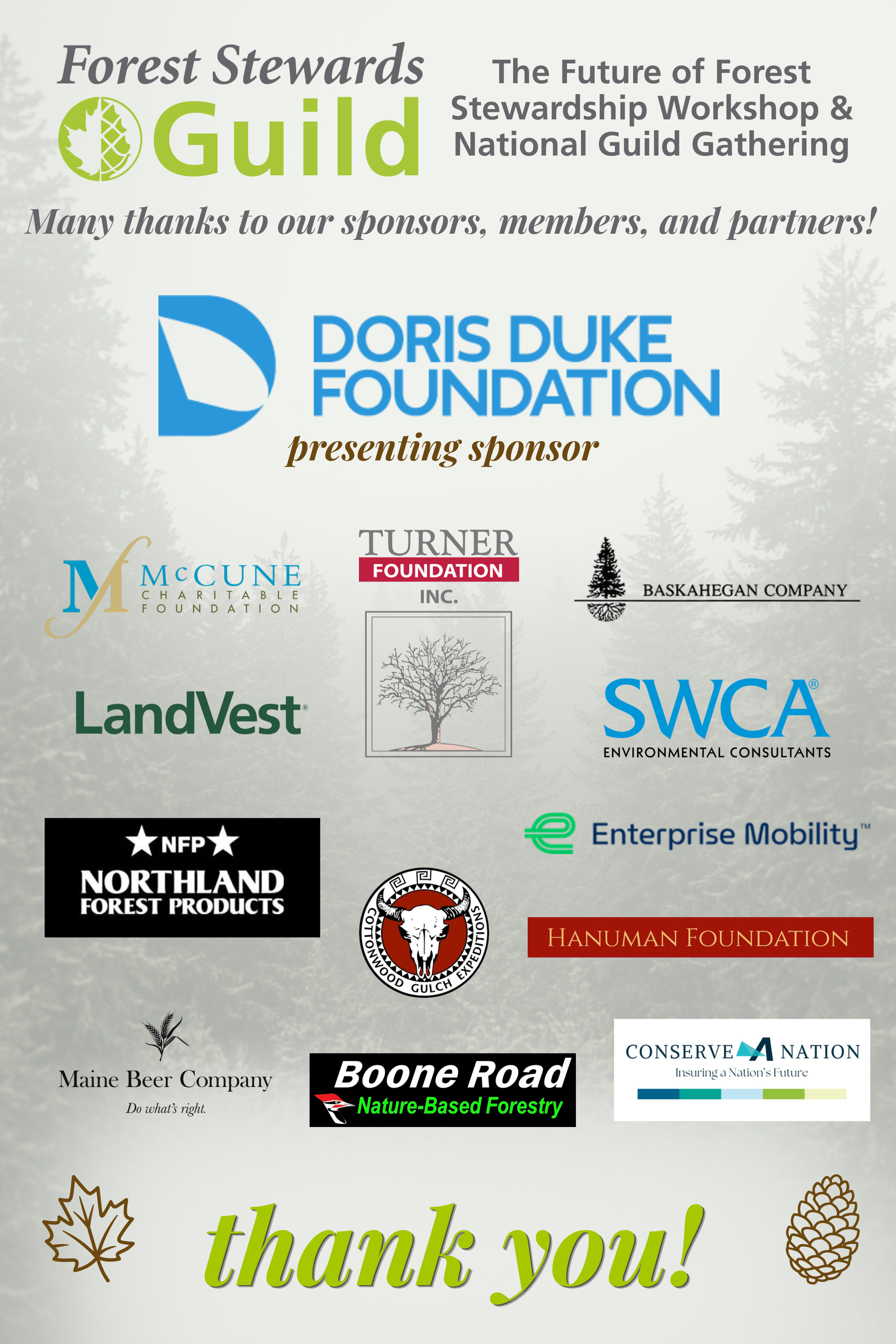
In addition to inviting participants, the Guild is looking for sponsorship partners. Sponsorships will help support the event, keep it accessible to those who would otherwise not be able to attend, and empower the important work we do year-round. Through sponsorship, companies who are aligned with Guild values can substantially increase their visibility among our members and networks. To learn more about sponsorship packages, please contact Ami Kane, Chief Development Officer, at ami@forestguild.org.   


Recent Posts

By Daisy Smith May 14, 2026
Written by Zander Evans
May 14, 2026
A science inspired art show in Taos, NM Written by Cody Dems
By Aidan Juhl April 16, 2026
Written by Colleen Robinson
April 14, 2026
Written by Shannon Maes
April 14, 2026
In September 2025, the Guild launched a three-person Forest Stewards Apprenticeship (FSA) crew to work with the Penobscot Nation’s Department of Natural Resources (PN DNR). Over the course of their six-month season, apprentices Agenor Duhon, Gabe Stewart, and Jacob Baker shared a season of learning, collaboration, and hands-on stewardship of Penobscot Tribal lands.
April 14, 2026
This week, I stepped into the role of crew leader. We worked a full 40-hour week, splitting our time between Clifton Farms and a prescribed burn operation. On the first day in the field, we completed hack-and-squirt treatments on trees that had been marked the previous week. For the remainder of the week, we focused on marking trees for future hack-and-squirt work, maintaining a steady pace and ensuring accuracy in our selections.
April 7, 2026
As Guild members, our practice is fundamentally grounded in field observation. We know intuitively that forests are dynamic, living communities. Yet, for decades, the high-level systems used to value our work, specifically the carbon accounting ledgers tied to international frameworks like the Paris Agreement, have treated forests as static, quantifiable blocks of land. In a recent commentary published in One Earth, I argue that these legacy measurement, reporting, and verification (MRV) frameworks are failing. Ledger accounting relies on crude land-use delineations and outdated technology, effectively penalizing the natural, seasonal flux of the ecosystems we manage every day. By forcing landscapes into rigid “forest” versus “non-forest” binaries, such legacy systems miss the complex reality on the ground. But a major shift is underway.
March 18, 2026
Women have always been a part of forestry. Historically, women often helped guide family decisions about when to cut, which trees to save, and how best to steward their land for the next generation. Historical accounts from the Southern Appalachians describe women’s roles in decisions about timber harvesting and prioritizing long-term forest health. These often-uncredited contributions are even reflected in Aldo Leopold’s A Sand County Almanac (1949), in which describes his stewardship philosophy informed not only by his professional experience, but by shared responsibility, where the perspectives of his wife and daughters played an important role.
March 18, 2026
Although rural regions often host the highest concentrations of public and private forest land, they typically lack the sustainable workforce necessary for active management and stewardship. How do we address this foundational problem in forest conservation?
March 18, 2026
The Forest Stewards Guild has a unique dual mandate: practice and promote forest stewardship. Personally, I think the combination of practicing forest management and promoting best practices is what makes the Guild a vibrant and impactful organization.
Show More