Red Hills Tour Report
Written by Esme Cadiente
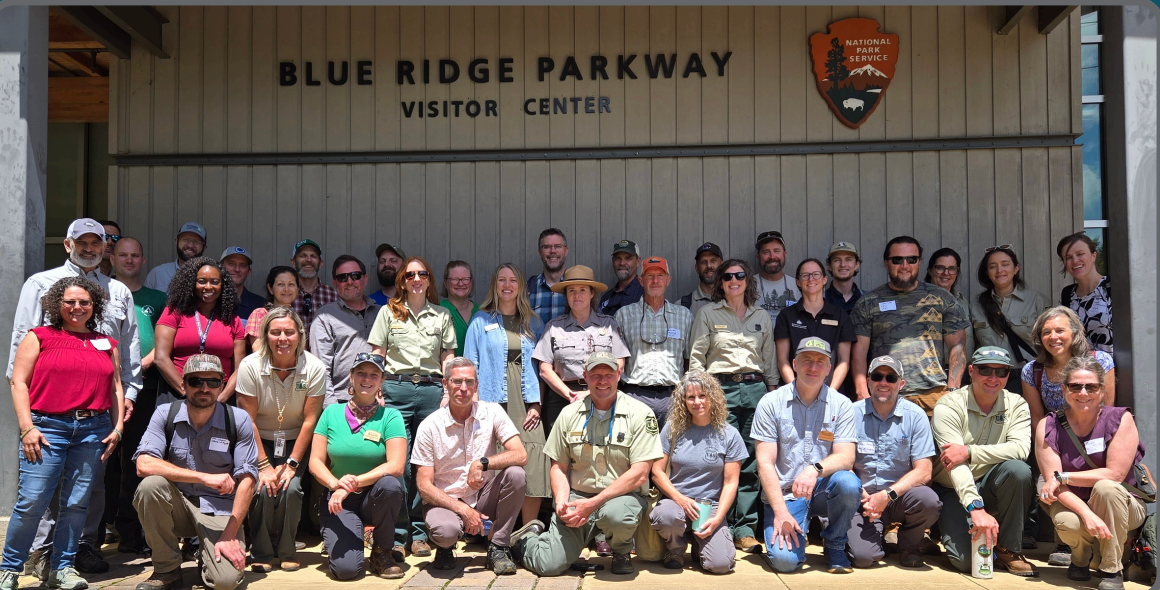
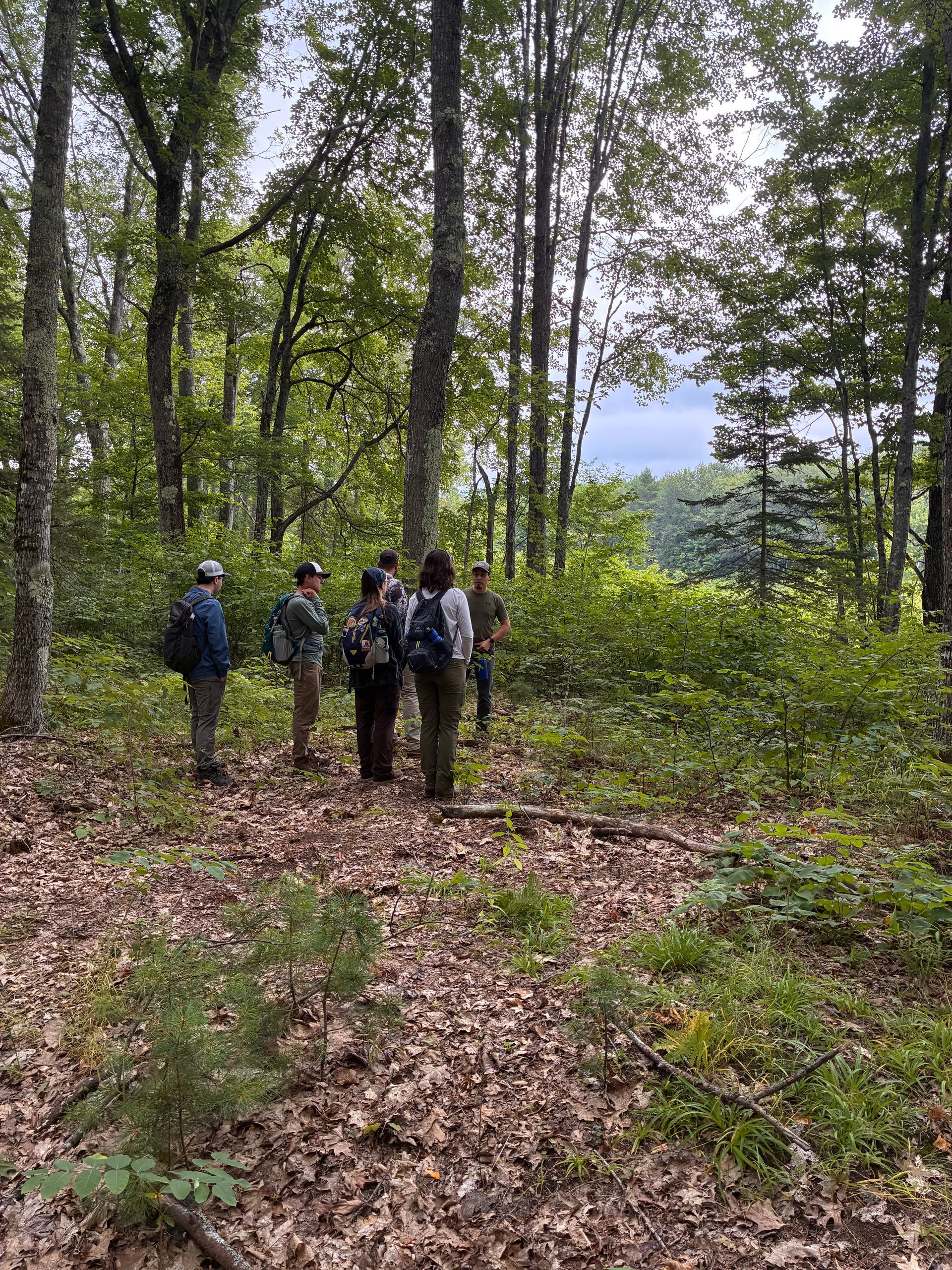
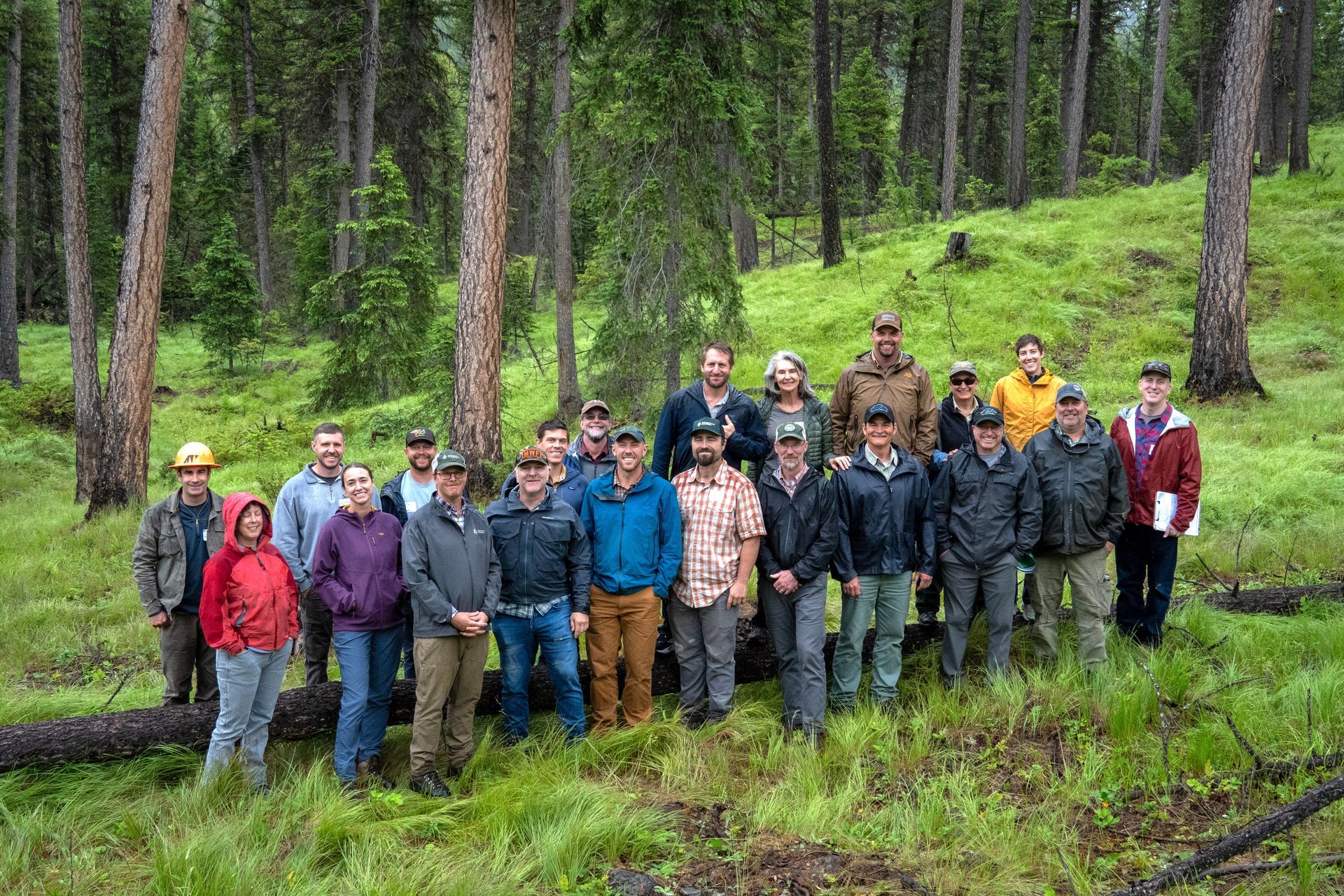
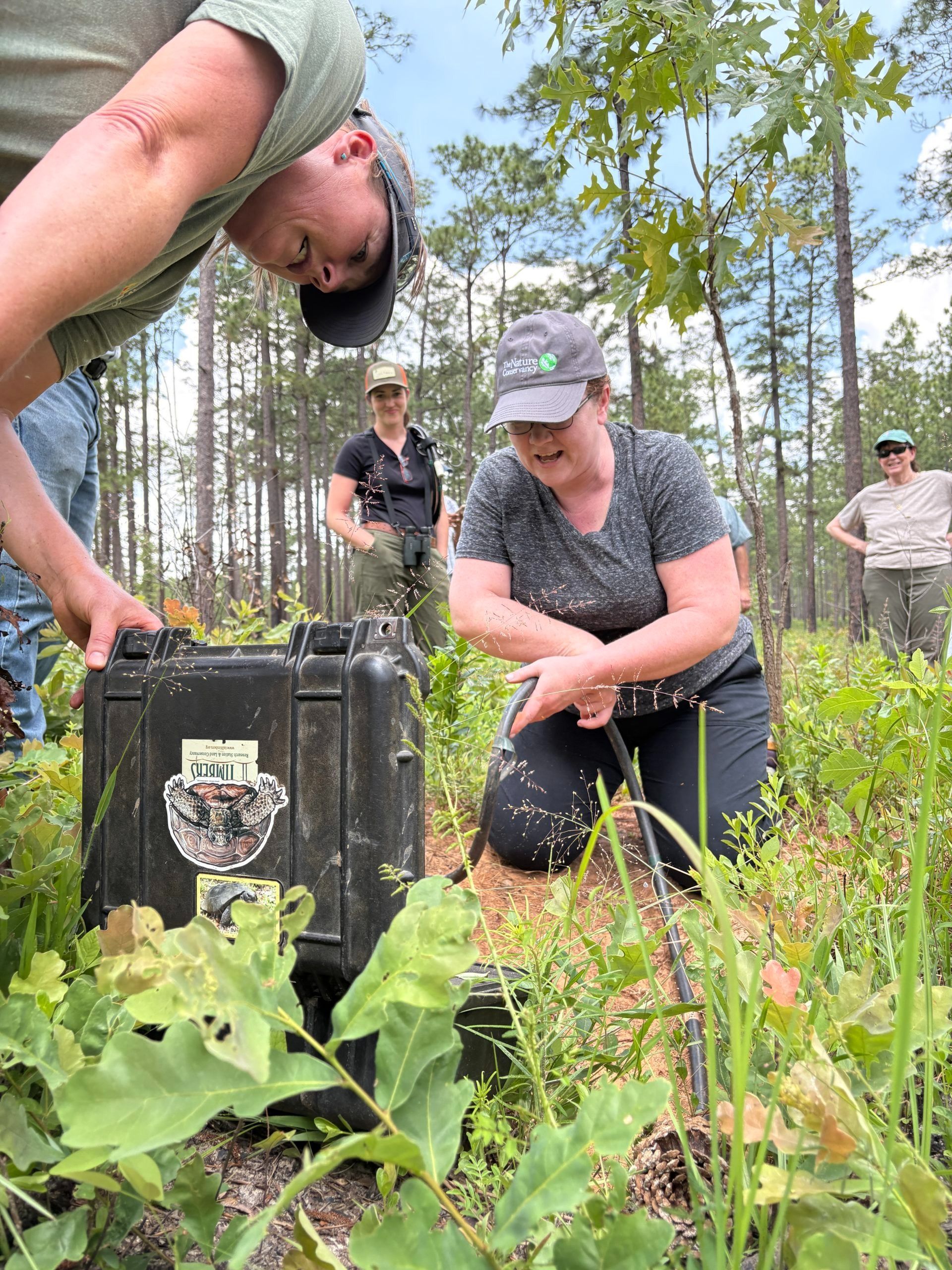
In May 2025, the Forest Stewards Guild gathered a group of forest and conservation professionals at Tall Timbers Research Station in the Red Hills region of Florida and Georgia to explore fire-adapted forest management practices, biodiversity conservation, and the legacy of private land stewardship. Hosted by Dr. Morgan Varner and the team at Tall Timbers, the tour featured three distinct ecological sites—each illustrating different relationships between fire, forest structure, and species diversity.
Key themes
Fire as Maintenance
A key theme echoed throughout the tour was that prescribed fire in these systems doesn’t reset succession—it maintains a stable, open condition. As Dr. Varner described, “It’s like mowing the grass”—removing just the top layer of vegetation to preserve the system’s structure. Frequent, low-intensity fire helps maintain high groundcover diversity, allows for natural regeneration across all age classes, and sustains what is better understood as a climax-like state, rather than a successional transition.
This was especially evident in pine–oak–hickory systems where even very old sand post oaks and chinquapins persist amid younger pine. The result is a structurally complete stand—with seedlings, saplings, poles, and century-old trees—offering excellent habitat for both plant and animal species.
Continuous Fire History
Unlike many Southeastern forests, Tall Timbers and nearby private lands have never experienced a fire exclusion period. Fire-scarred tree rings show regular burns extending back into the 1800s and likely further, with Indigenous fire practices and natural lightning ignitions playing a foundational role. Because of this, native plant communities and dependent species have persisted without interruption, and restoration efforts haven’t had to undo decades of degradation from fire suppression.

Public Support: Fire for Quail
The region’s social license to burn is bolstered by a long-standing quail hunting tradition. Fire is deeply embedded in the land ethic of Red Hills landowners, who understand that prescribed burning creates ideal conditions for bobwhite quail. This alignment between conservation and recreation helps sustain a community-supported fire culture, enabling frequent burning across tens of thousands of acres with broad public and private support.
Tour Stops
Scrub Course: Mature Shortleaf Pine–Oak–Hickory Woodland
Lead staff: Dr. Kevin Robertson – Fire Ecology Research Scientist, Dr. Morgan Varner – Director of Research & Senior Scientist
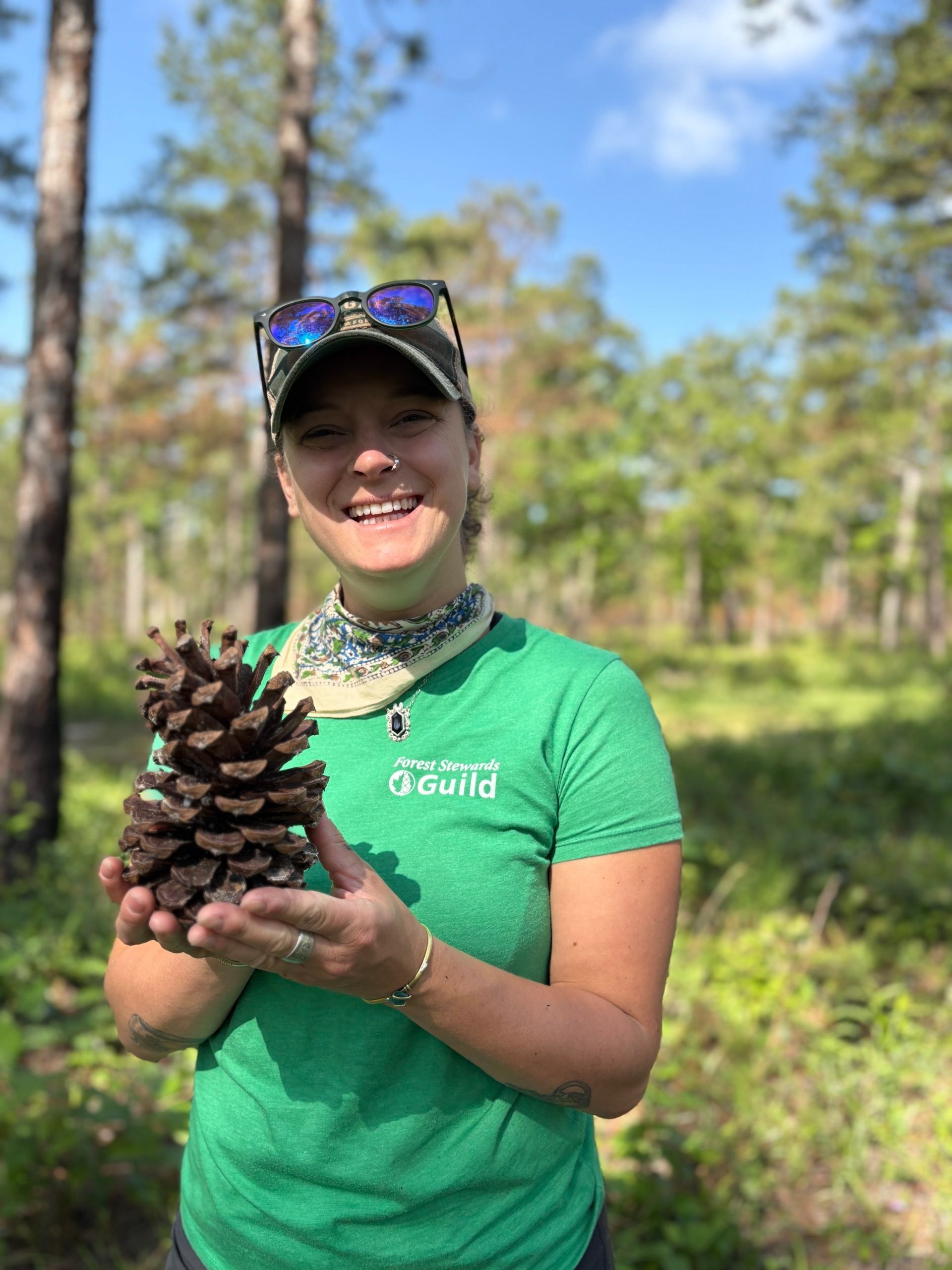
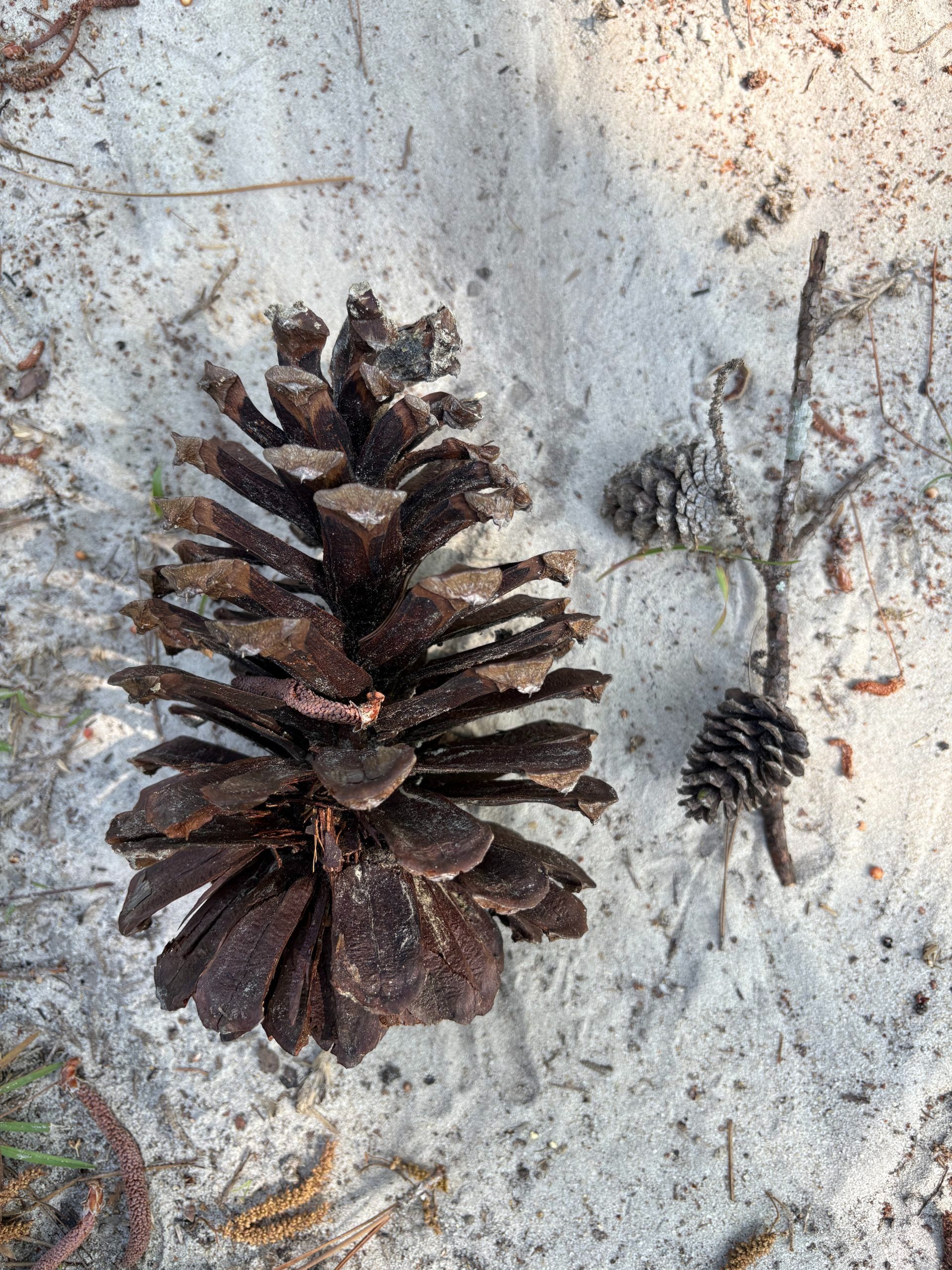
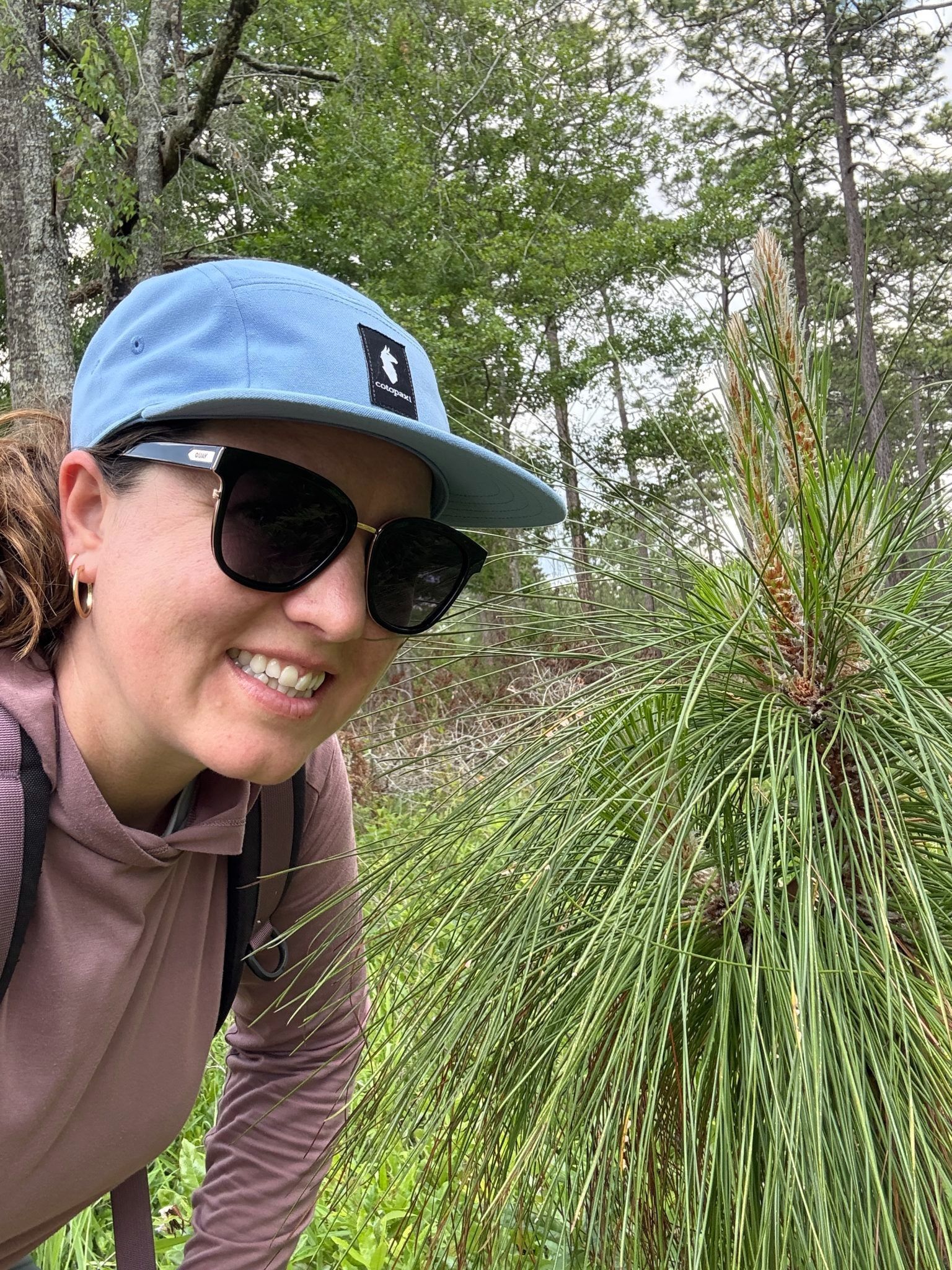
The Scrub Course is a remnant shortleaf pine–oak–hickory ecosystem, a plant community that once covered large portions of the Red Hills. It’s characterized by an open canopy of shortleaf pine and upland fire-loving hardwoods such as mockernut hickory, post oak, southern red oak, white oak, and black oak. Although often overshadowed by the more widely known longleaf–wiregrass system, the shortleaf community shares many of the same ecological traits, including highly flammable needle cast that supports frequent fire.
This site also supports one of the highest concentrations of gopher tortoise and fox squirrel on the property, reinforcing its ecological value. Shortleaf pine is uniquely adapted to fire, with the ability to resprout from the crown, branches, and base.
Shortleaf pine is a declining species across its native range, which stretches from New Jersey to the Ozarks and barely reaches into Florida. Once dismissed as an “old field” species, it’s now being re-evaluated for its broad ecological flexibility, fire adaptations, and potential value as a timber species that can replace less fire-tolerant pines like loblolly.
Tall Timbers’ research aims to identify how to manage existing shortleaf on fire-maintained lands without resorting to planting. Upcoming work includes testing various fire intervals in research plots to see which treatments best support growth while maintaining shrubby understory for wildlife. The hope is that natural regeneration can sustain these stands.
Woodyard Hammock: Old Growth American Beech–Southern Magnolia Forest
Lead staff: Kate Richardson – Ornithologist, Dr. Morgan Varner – Director of Research
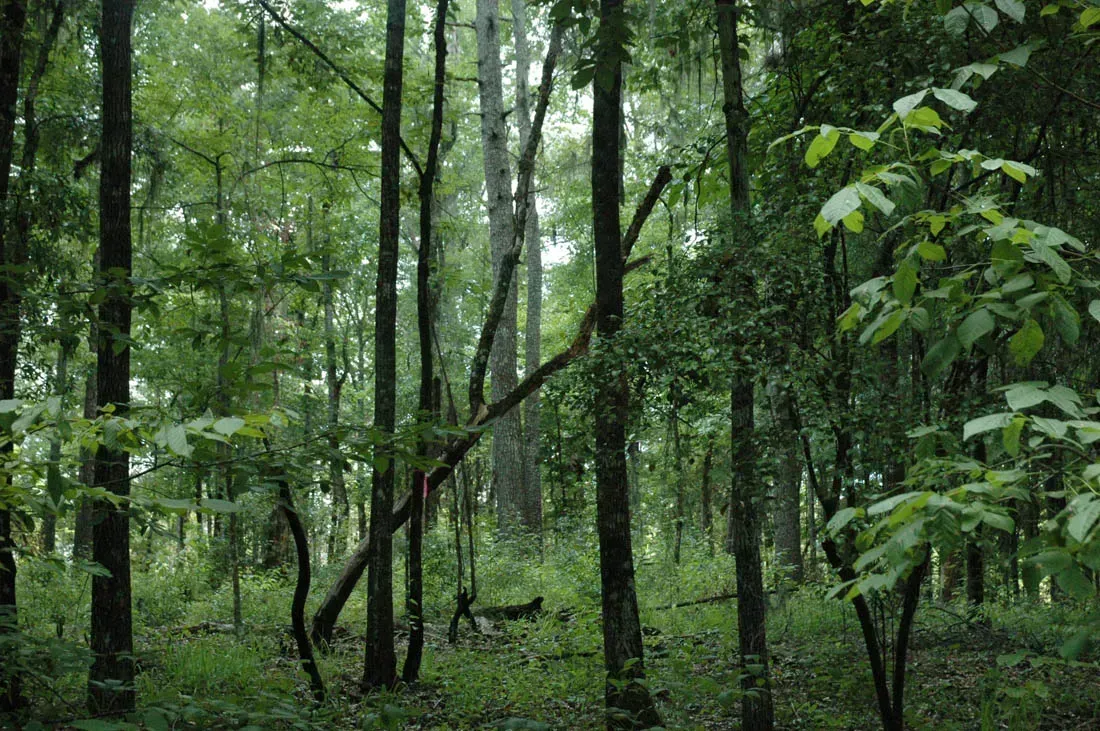
This mature fire-excluded hardwood hammock contrasts sharply with the fire-maintained pine systems elsewhere on the property. The canopy includes American beech, southern magnolia, American holly, spruce pine, and hophornbeam, creating dense shade and a moist microclimate. The site offered a platform for discussing ecological succession, species composition shifts, and non-native species management.
Hardwoods such as oak, hickory, and sweetgum offer important habitat but can become problematic in quail-focused uplands. Without active management—fire, mechanical thinning, or selective herbicide—these species outcompete grasses and forbs and shelter quail predators. Tall Timbers confronted this issue in the late 1990s, when widespread hardwood encroachment prompted a large-scale removal effort.
The results were dramatic: prescribed fire became more effective, native grasses rebounded, and bobwhite quail populations increased tenfold over three years. Still, not every hardwood should be removed. Management must strike a balance between multiple objectives, recognizing that some hardwoods support species like wild turkey. The Woodyard Hammock exemplifies the tradeoffs in hardwood management, especially when conserving mature forest structure for biodiversity.
Wade Tract: Old Growth Longleaf Pine–Wiregrass Savannah
Lead staff: Kim Sash – Wildlife Biologist, Kate Richardson, Dr. Morgan Varner
The Wade Tract is a globally rare remnant of old-growth longleaf pine–wiregrass savannah, where frequent fire and historical continuity have preserved extraordinary groundcover diversity and a centuries-old pine overstory. The site provides critical habitat for red-cockaded woodpeckers, gopher tortoises, and a wide range of avian and small home-range species.
Maintaining this system requires careful attention to overstory basal area. When basal area drops below 20 ft²/acre, pine needle cast declines, limiting the fuels necessary to carry prescribed fire. Without sufficient needles, moist southern grasses alone are not enough to achieve complete burns during the limited seasonal window available.
Low basal area stands are also more vulnerable to wind and lightning and may fail to regenerate naturally. Conversely, maintaining moderate basal area supports both regeneration and quail hunting objectives by sustaining fine fuels and partial shade. Regeneration is critical as stands age and overstory trees begin to die off. Some landowners now favor uneven-aged management, transitioning former plantations to more diverse, structurally complex stands through selective thinning and random planting of appropriate species.
This kind of stand structure mimics historic pine forests, supports diverse wildlife, and may even offer financial incentives through conservation easements or selective timber harvests. The Wade Tract is a flagship example of how private land conservation and fire ecology intersect to maintain one of the Southeast’s most iconic and endangered ecosystems.
The tour in the Red Hills region underscored the power of long-term fire management, forest stewardship, and strategic conservation. In the Red Hills, the alignment of ecological science, landowner tradition, and community values has produced a thriving, resilient landscape—one that holds vital lessons for fire-adapted forest management across the Southeast and in other forests.
Recent Posts