A Day in the Life of a Long-term Forest Monitoring Technician
Written by Daniel M. Semmel
My alarm rings out the sound of chiming bells at 6 in the morning, though I don’t need it as the birds have already started singing their sweet songs outside. The warm rays of the sun are beginning to creep through the blinds of my window, and I stir into awareness as my feet hit the cool floor. Summer mornings are colder here in northern Vermont than they are in my home in southern Connecticut.
I walk into the kitchen, where several of my housemates are already awake, and the rest will join us shortly. None of them are from Vermont either, but we have all traveled here for the summer to contribute to scientific research. The quiet kitchen buzzes to life with the aroma of brewing coffee and sizzling breakfast on the stove. The seven of us dance around each other to the music of clinking dishes, rustling field gear, and soft chatter as we prepare ourselves for the 10-hour field day ahead.
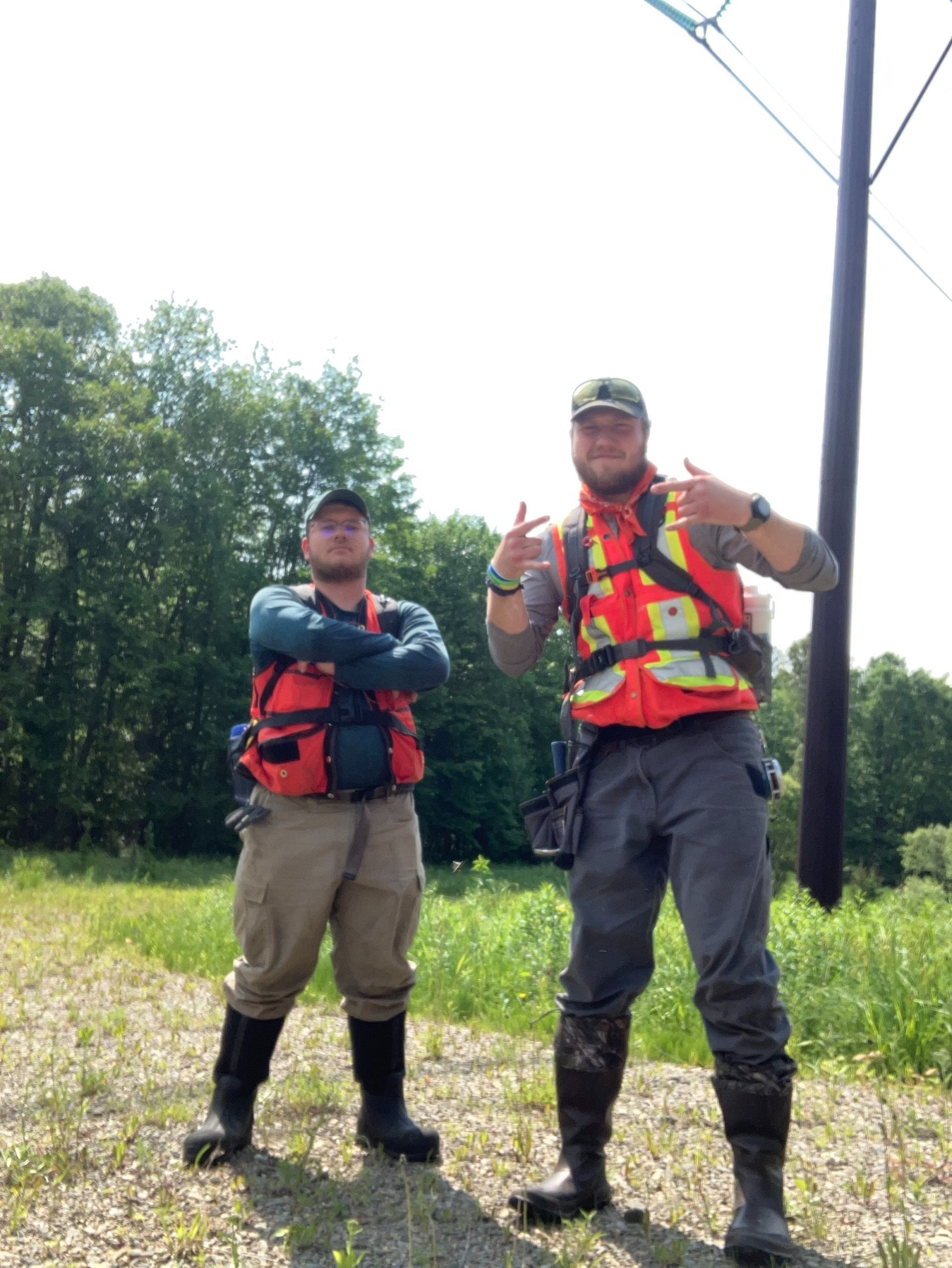
Heading out the front door, we all travel to the entrance of The Nulhegan Basin Division of the Silvio O. Conte National Fish and Wildlife Refuge, but our field vehicles diverge as we head to separate projects. My research partner, Jonathan, and I are working here for the summer as seasonal employees of the Forest Stewards Guild under a partnership between the Guild and the U.S. Fish and Wildlife Service. We are the pioneering Forest Monitoring Technicians of the Northern Forest National Wildlife Refuge Stewardship Partnership – RSP for short – establishing and monumenting research plots in the first season of this multi-year project.
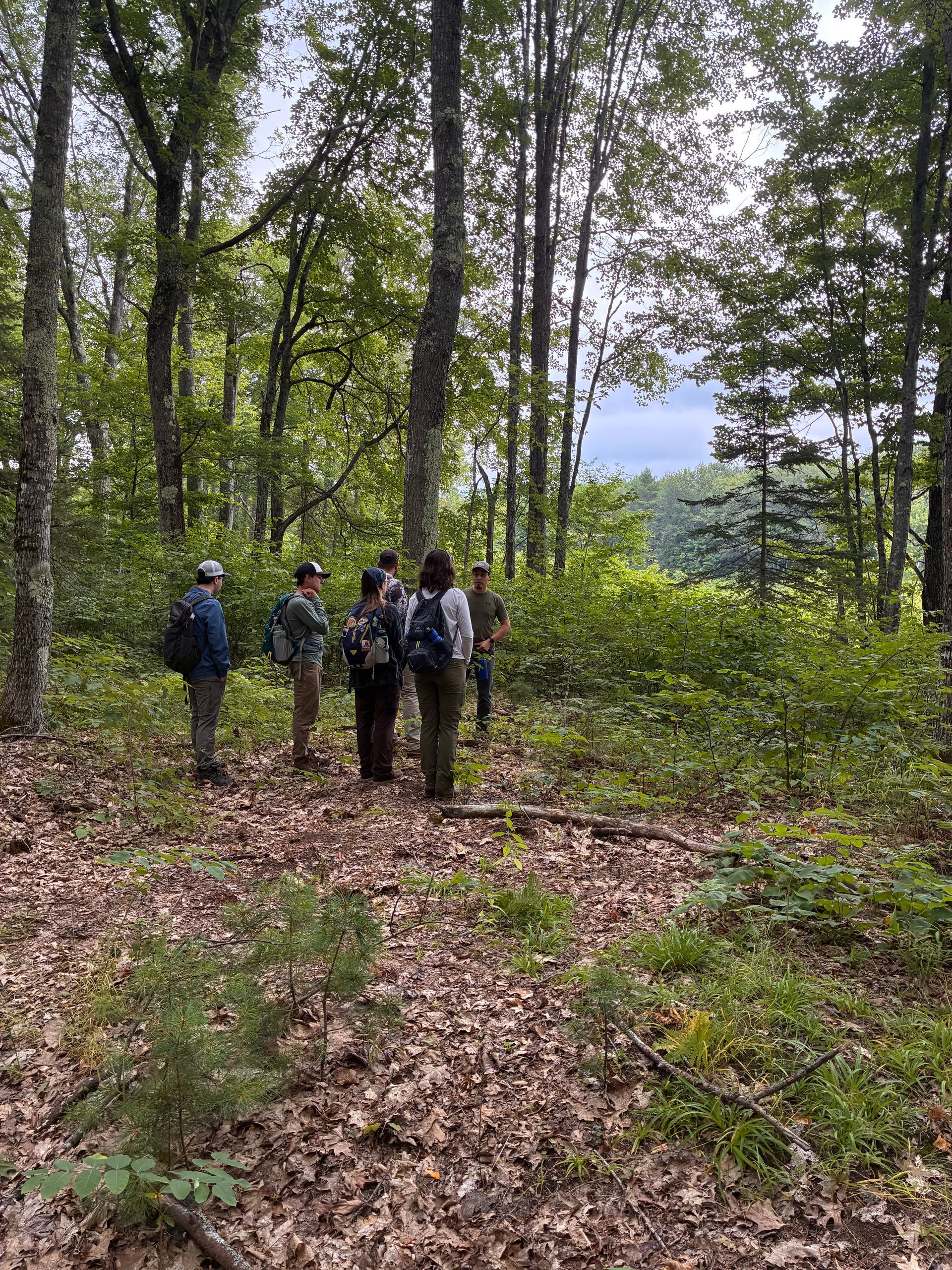
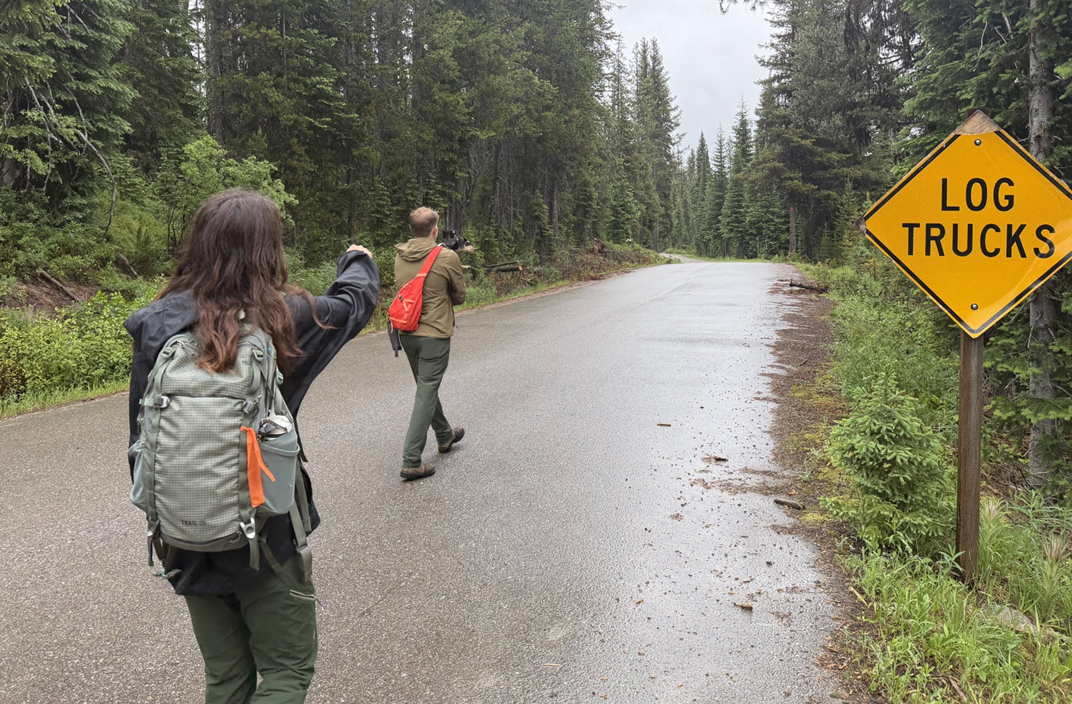
We travel the gravel forest roads in our trusty field vehicle, a white Ford Bronco Sport named Beatrice, but she goes by “Bea” for short. The map lying on our dashboard was created by a GIS (Geographical Information Systems) expert to ensure we collect a spatially random sample of the forest, which decreases bias and strengthens the analyses that will be created from our data. There is no path that leads us directly to where we need to go, so we get ourselves as close as we can using the forest’s road network. From there, we navigate through the less-traveled parts of the forest on foot.
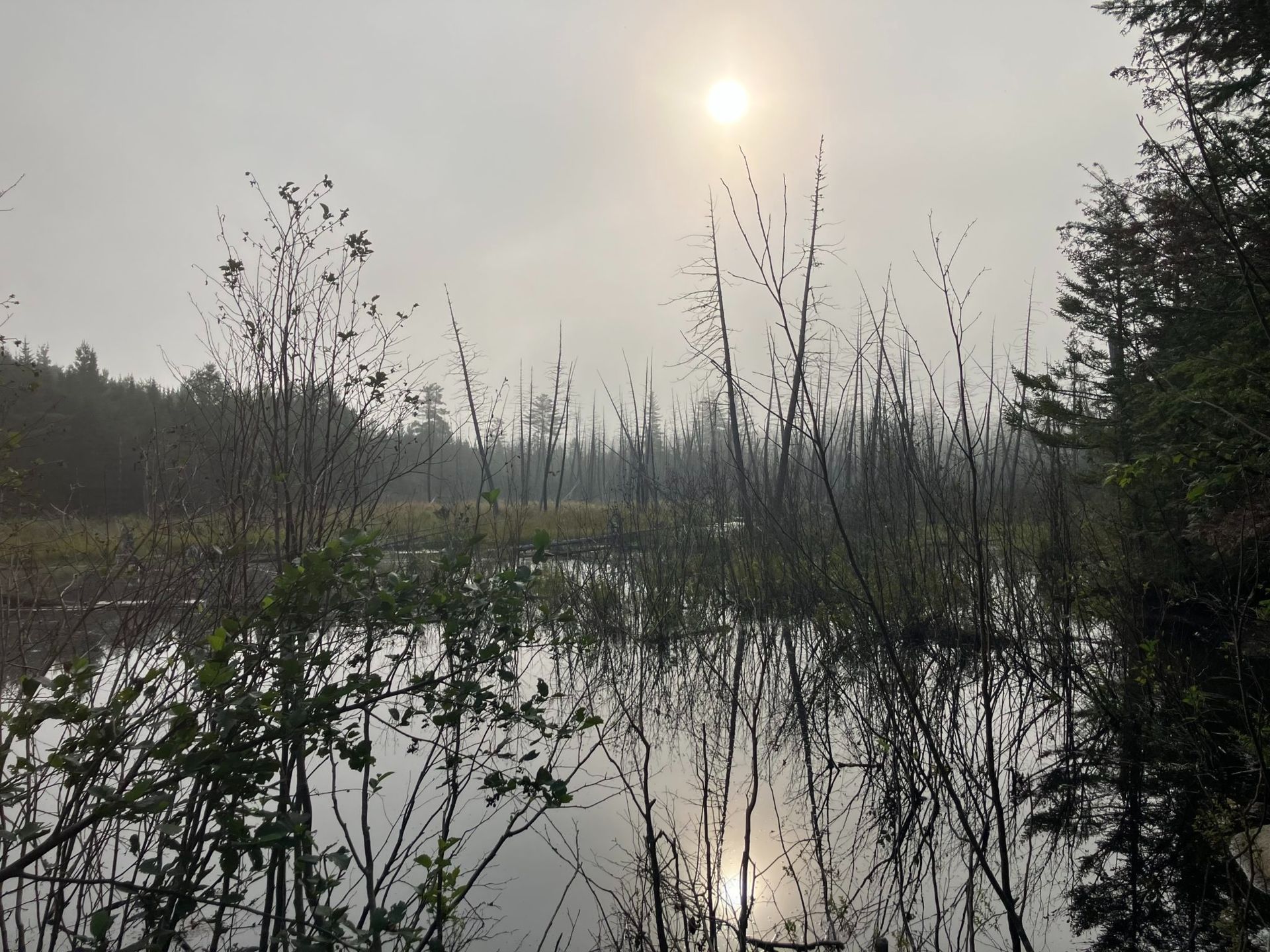
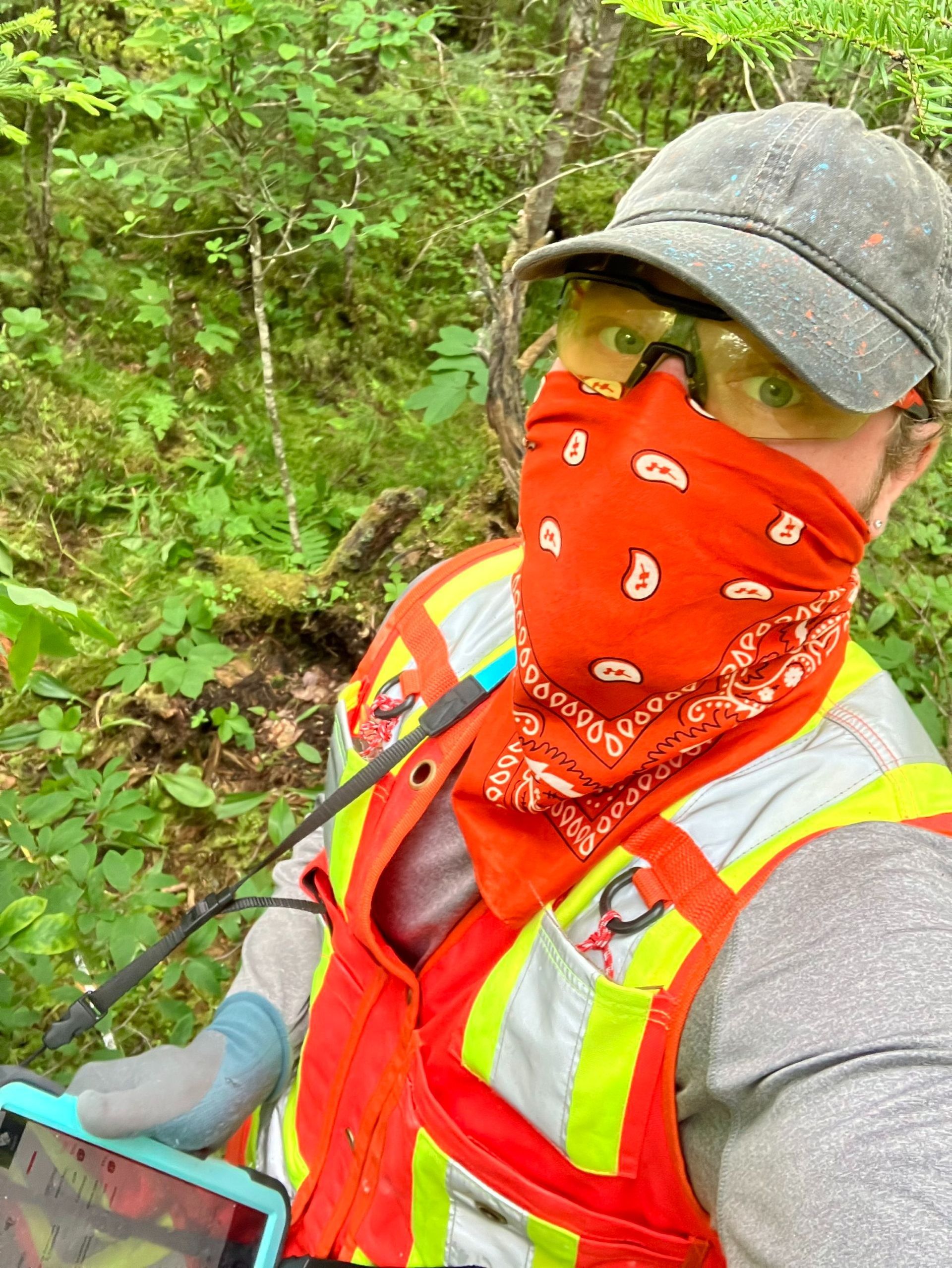
Before becoming a part of the National Wildlife Refuge system, the land that makes up this forest was commercially clearcut for paper production, which has resulted in a lot of the forest containing young trees, all about the same age. Given time and proper management, these areas will grow back into mature forests with massive, looming trees and open space to walk between them. For right now, though, there are tightly packed young stems competing with each other to survive. This means dense bushwhacking and the constant threat of getting poked in the eye by low branches. Fortunately, we have safety glasses, long-sleeved shirts, and pants to protect us.
The sound of a thudding mallet marks our arrival at a plot as we monument its center with a stake of rebar and top it with a 4ft PVC pipe. To stand out against the greens and browns of the forest, the top portion of the PVC is painted orange. This practice will ensure that these long-term monitoring plots can be located and revisited every five-ten years by future technicians, who may experience a very different forest than we did this summer.
Collecting data in the same location across time shows how the conditions of the forest change in reaction to disturbances and climatic variations. Through repeat sampling, land managers will learn if tree species adapt in the face of change or are replaced by other species, if the growth rate of these trees is increasing or decreasing, if the diversity of understory plants changes in response to drought, and better understand what causes the health of trees to decline.
To collect our data, we immerse ourselves within the research plot: a small piece of the forest defined by three concentric circles stretching out from its center.
We scan the forest floor to determine how much is covered by understory vegetation and which species are present and dominant. Walking along 24-foot transects, we measure fallen trees and record them in the coarse woody debris column of our data sheet. We scurry around the forest floor, small plastic ruler in hand, to count the —sometimes hundreds— of tree seedlings within 12 feet of the plot center and categorize them into size classes. We also measure the diameter of the trees and assess factors like their current health and if they might be beneficial to wildlife. Do they have cavities for animals to nest in? Or peely or platey bark that birds can forage for insects in? Or large horizontal branches suitable for nest-building?
This is only some of the data we collect, as the research protocol attempts to capture the breadth of complexity found in a forest ecosystem. The spreadsheets and graphs created from the work done this summer function as a snapshot of the forest’s current state. Together with the work of future field technicians, a story of the forest and how it changes will develop. A story that will guide land management decisions and protect the prosperity of the Northern Forests.

Daniel Semmel is a University of Connecticut student studying Natural Resources and the Environment, as well as GIS (May ‘26). He spent this summer as a seasonal employee with the Guild. He enjoys hiking in the woods – without getting poked in the eye — and aspires to pursue conservation and research worldwide, making a positive impact on the environment.
Recent Posts