
Forestry for the Birds in Western Oregon

colleen • April 19, 2023

Written by Maura Olivos

After three years, with funding from Tualatin Soil and Water Conservation District, Oregon Community Foundation, and the assistance of a dedicated advisory committee comprised of local agencies, the Forest Stewards Guild has developed and published   Forestry for the Birds: Western Oregon – A guide to enhancing forest habitat for birds and humans   (the   Guide   ). This benchmarking effort was made possible with the technical assistance and support of the Oregon Department of Forestry, Oregon State University, Portland Audubon, Trout Mountain Forestry, Tualatin Soil & Water Conservation District, and the U.S. Geological Survey.   

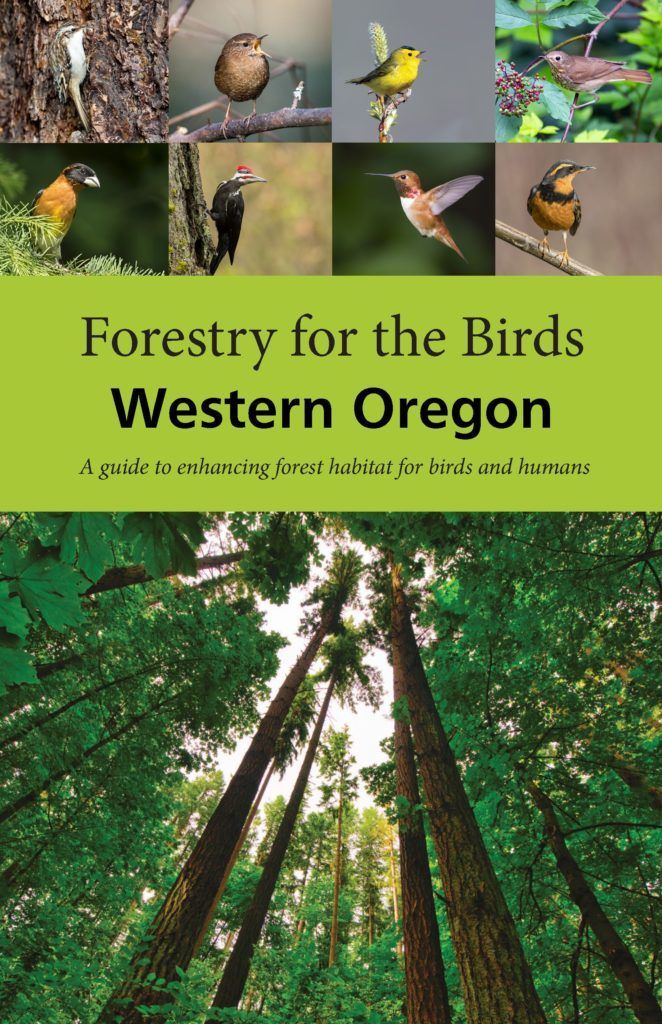
The purpose of the   Guide   is to act as a communication tool for natural resource service providers and forest landowners to support healthy forests with birds in mind. The   Guide   focuses on forest structure, habitat characteristics specific to 12 focal birds across eight forest types, and long-term management at any stage or condition of a forest. The Guild will be distributing 1,000 copies throughout the year to partners, forestry professionals, and landowners. Additional workshop resources are also in development and will be supplied, free to all, on the Guild website once completed, including an easy access and printable online version of the   Guide  .   

The cover of the Guide published in 2022.
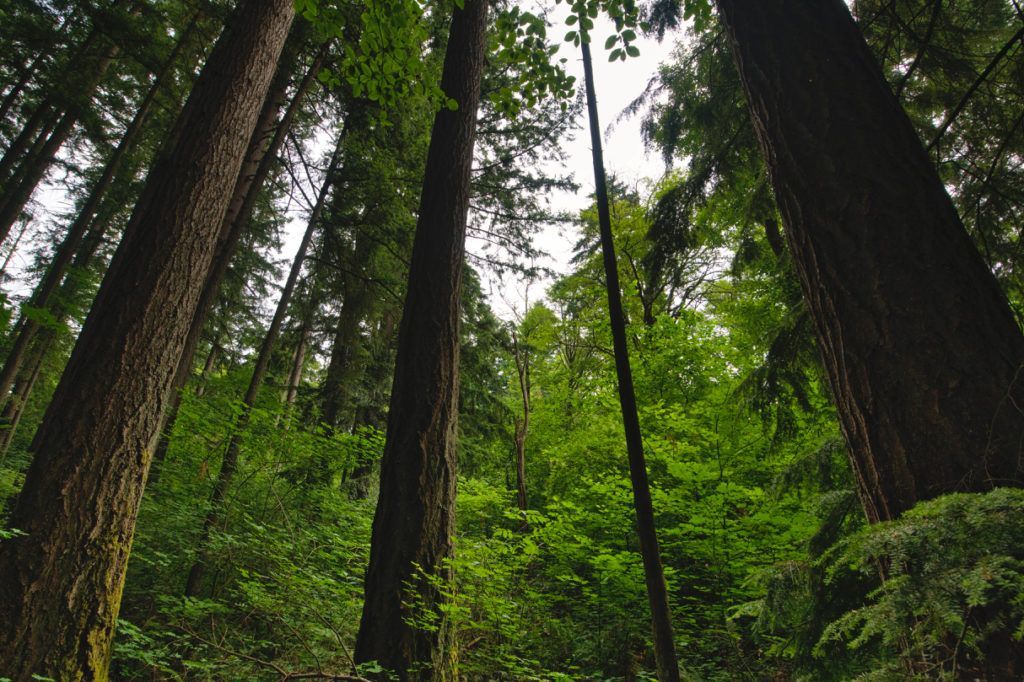
Douglas Fir Forest – By Brandy Saffell, Tualatin SWCD, 2021

Workshops

The Guild is  offering  three  workshops  for the Spring of  2023  .  Each of the workshops  are  partnered with local  service providers  –  including  two  Soil and Water Conservation Districts (SWCD) and Oregon Small Woodland Association (OSWA)  –  and  targeted towards natural resource professionals  and  woodland caretakers  .  Each workshop has been pre-approved for 3  SAF  (Society of American Foresters)  continuing education credits  . Other credits are being requested (such as ISA).  Please find  additional  information  on available  workshops  at the  links below.     

The Flight from East to West

Foresters for the Birds was originally developed with Audubon Vermont and Vermont Department of Forests, Parks, and Recreation in response to declining forest bird populations. It was recognized across the northeast and nation, that many of our forest and woodland tracks are on private lands. This provided a focus for the program on the engagement of woodland owners. With an eye and hear on songbirds, some of the most charismatic woodland occupants, the success of the program is within the integration of silviculture and songbird habitat enhancement. The program supports foresters with tools for effectively communicating with landowners and managers about the benefits of managing forests with bird habitat in mind. As practices are implemented to support songbird habitat, reciprocally the presence of certain bird species indicates the presence of specific forest structure elements and forest health conditions. Now the program exists in various forms (Forestry for the Birds or  Bird-Friendly Forestry) within the Southeast, Midwest, and now Pacific northwest, and soon to be within the Intermountain west.   

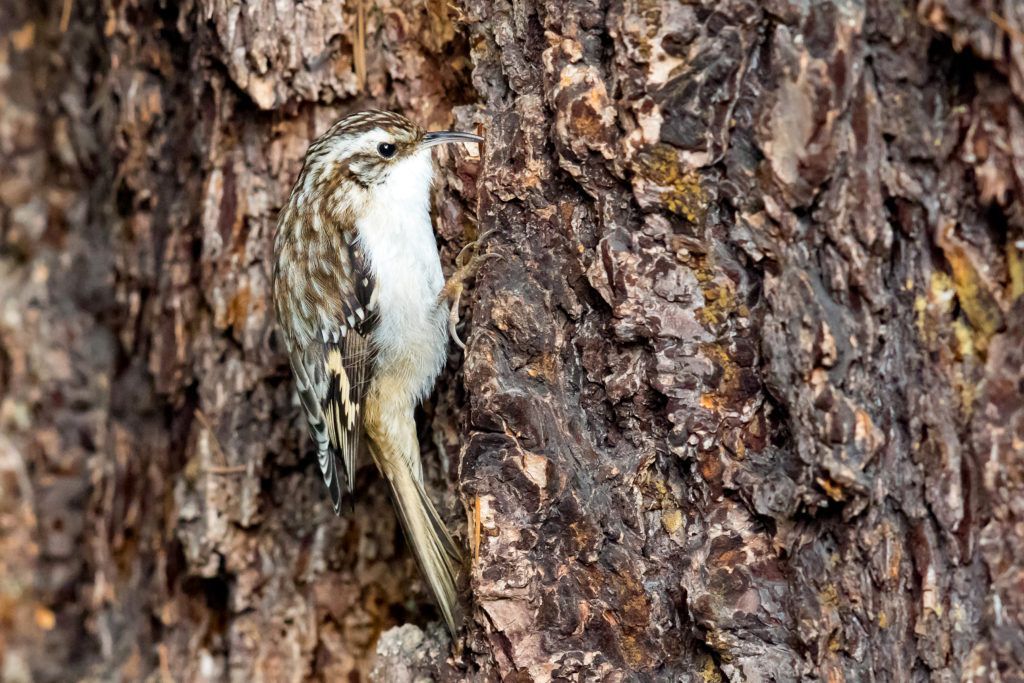
Brown Creeper – By Mick Thompson, 2016
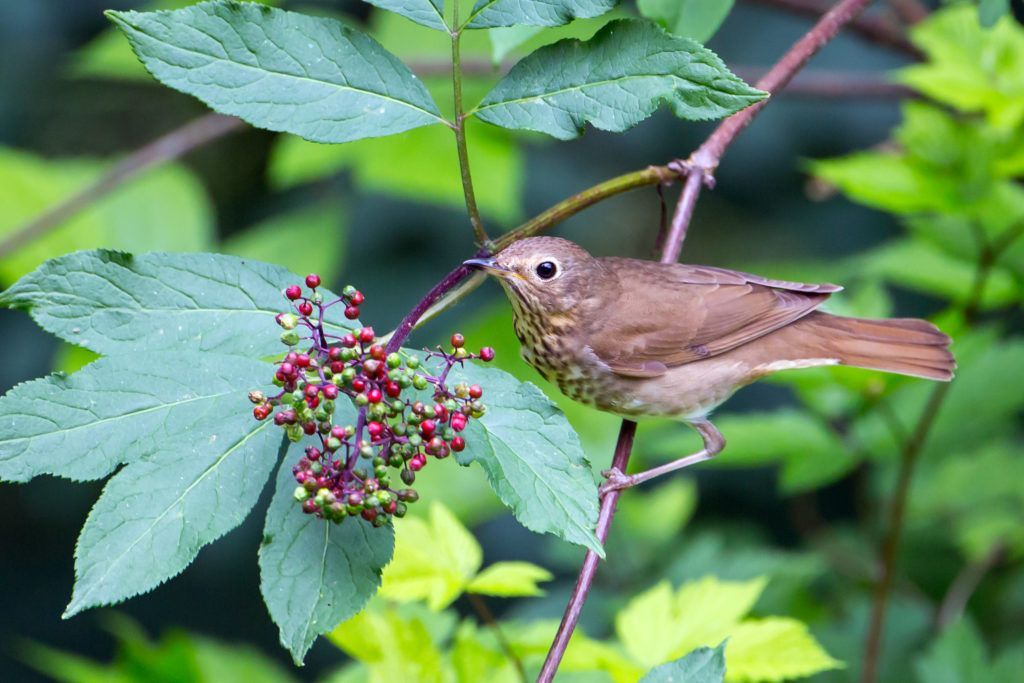
Swainson’s Thrush – By Mick Thompson, 2014 About the Guide

Forestry for the Birds: Western Oregon uses the science behind birds, forestry practices, and community engagement to offer a guide for greater forest health across the Western Oregon landscape. The Guide breaks down Western Oregon by the most common forest types within each ecoregion: Klamath mountains, Willamette Valley, Western Cascades, and the Coast Range. The focal bird species chosen are common birds that range across the Western Oregon landscape yet have specific habitat associations with the forest types highlighted in the Guide. With a focus on forest structure from the ground to the canopy the Guide walks practitioners, landowners, and other forest stewards through a process to identify birds, forests, and forestry associations in developing a unique approach to goal setting and forest management.   

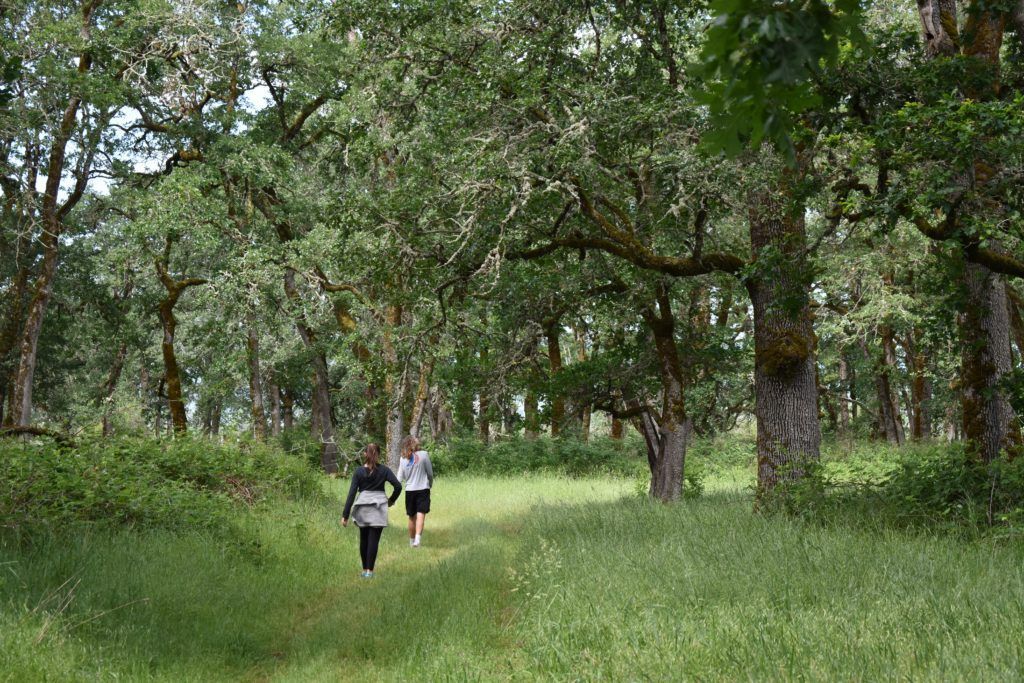
Oak Woodland, Sauvie Island – By Nicole Ruggiero, Tualatin SWCD, 2019

Some of the notable inclusions within this Guide are the incorporation of riparian and oak habitats. As policies change for forest lands, the Guide is  aptly timed to provide a greater perspective to the function of riparian zones. Riparian habitats serve as a hub for diverse forage and source for regeneration of nearby gaps and recent harvests through birds, which is one of many roles’ songbirds play in the bigger picture of forest health. In addition, recognition is brought to Oregon’s native oak trees from the Klamath ecoregion all the way up to the Columbia River. Oaks are not commonly thought of as a forest or forest product, yet they have played a historic ecological and cultural role in Western Oregon’s landscape and may still be reprised as this landscape responds to changes in climate and management.   

It is well known that songbirds are incredible indicators of environmental conditions, as the canary in the mine wistfully comes to mind. With rapidly changing forest landscapes, birds continue to play a role as indicator species and the Guide honors this role by applying it to forestry. With birds in mind and in response to a changing forested landscape, this Guide purposely focuses on common bird species with the goal of keeping common birds common, and forests forested, across the Western Oregon landscape. “ Forestry for the Birds gives land managers of all backgrounds a new and transformative lens for forest management and opens a whole new world on a walk in the woods” remarks Forest Conservation Specialist, Brandy Saffell from Tualatin SWCD.   

To learn more about the development and application of the Forestry for the Birds: Western Oregon Guide join the Forest Stewards Guild and partners at an upcoming workshop this spring. If you are interested in bringing a   Forestry for the Birds   workshop to your community within Western Oregon, contact Maura Olivos,  maura@foreststewards.org.     

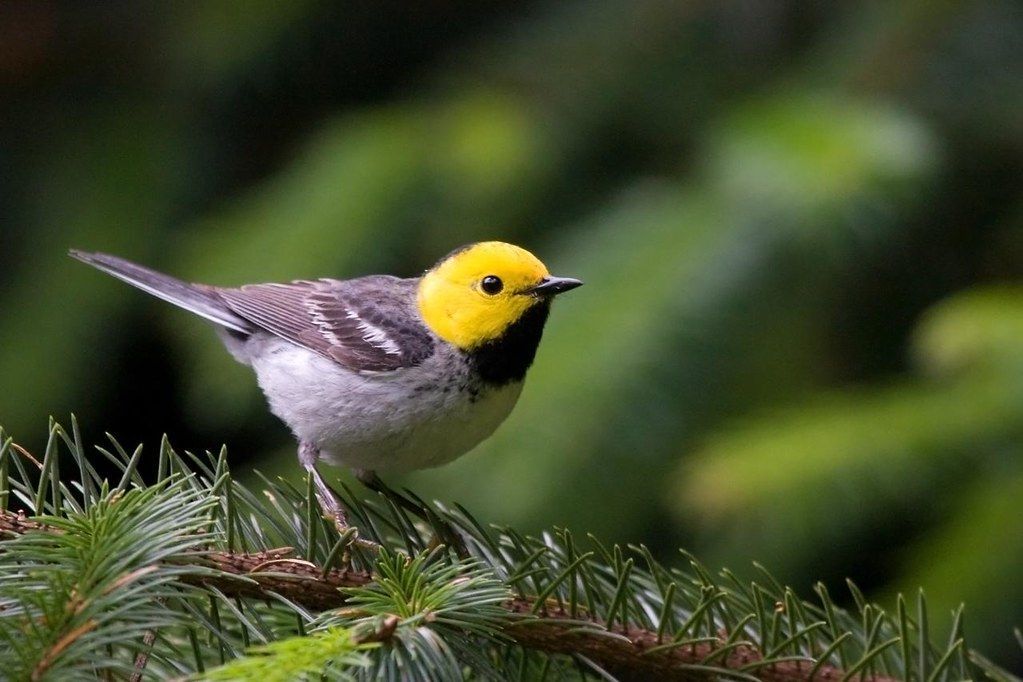
Hermit Warbler – By USFWS licensed by Creative Commons 2.0.


Recent Posts

By Aidan Juhl April 16, 2026
Written by Colleen Robinson
April 14, 2026
Written by Shannon Maes
April 14, 2026
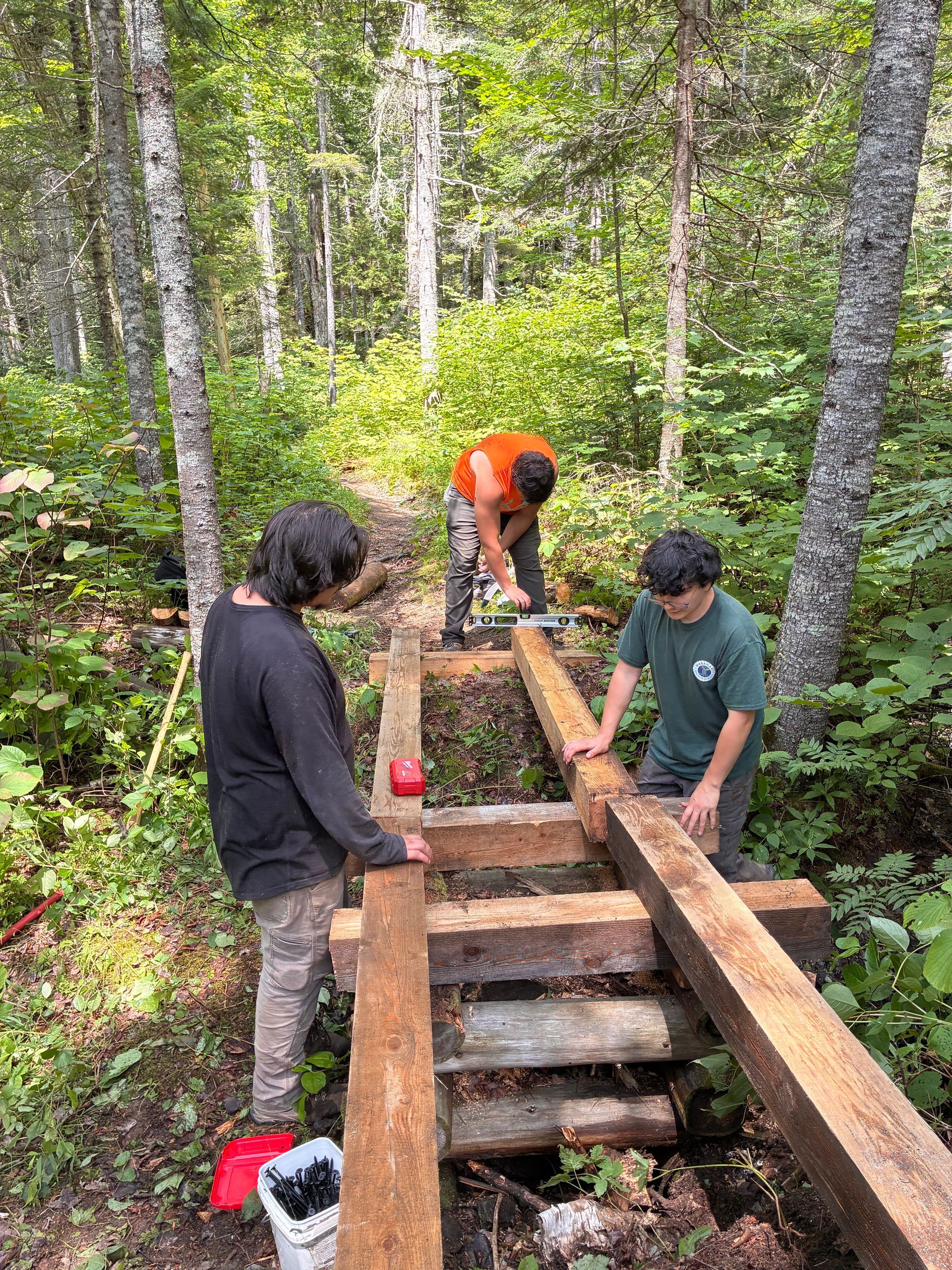
In September 2025, the Guild launched a three-person Forest Stewards Apprenticeship (FSA) crew to work with the Penobscot Nation’s Department of Natural Resources (PN DNR). Over the course of their six-month season, apprentices Agenor Duhon, Gabe Stewart, and Jacob Baker shared a season of learning, collaboration, and hands-on stewardship of Penobscot Tribal lands.
April 14, 2026
This week, I stepped into the role of crew leader. We worked a full 40-hour week, splitting our time between Clifton Farms and a prescribed burn operation. On the first day in the field, we completed hack-and-squirt treatments on trees that had been marked the previous week. For the remainder of the week, we focused on marking trees for future hack-and-squirt work, maintaining a steady pace and ensuring accuracy in our selections.
April 7, 2026
As Guild members, our practice is fundamentally grounded in field observation. We know intuitively that forests are dynamic, living communities. Yet, for decades, the high-level systems used to value our work, specifically the carbon accounting ledgers tied to international frameworks like the Paris Agreement, have treated forests as static, quantifiable blocks of land. In a recent commentary published in One Earth, I argue that these legacy measurement, reporting, and verification (MRV) frameworks are failing. Ledger accounting relies on crude land-use delineations and outdated technology, effectively penalizing the natural, seasonal flux of the ecosystems we manage every day. By forcing landscapes into rigid “forest” versus “non-forest” binaries, such legacy systems miss the complex reality on the ground. But a major shift is underway.
March 18, 2026
Women have always been a part of forestry. Historically, women often helped guide family decisions about when to cut, which trees to save, and how best to steward their land for the next generation. Historical accounts from the Southern Appalachians describe women’s roles in decisions about timber harvesting and prioritizing long-term forest health. These often-uncredited contributions are even reflected in Aldo Leopold’s A Sand County Almanac (1949), in which describes his stewardship philosophy informed not only by his professional experience, but by shared responsibility, where the perspectives of his wife and daughters played an important role.
March 18, 2026
Although rural regions often host the highest concentrations of public and private forest land, they typically lack the sustainable workforce necessary for active management and stewardship. How do we address this foundational problem in forest conservation?
March 18, 2026
The Forest Stewards Guild has a unique dual mandate: practice and promote forest stewardship. Personally, I think the combination of practicing forest management and promoting best practices is what makes the Guild a vibrant and impactful organization.
February 17, 2026
We celebrate the remarkable career and legacy of Leslie (Les) Benedict, who has provided visionary leadership and dedicated service to the stewardship of forests, championing the preservation of the ecological and culturally important black ash. Benedict, a member of the Saint Regis Mohawk Tribe in Akwesasne, north of the Adirondacks in upstate New York, recently retired after serving as the Assistant Director of the Tribe’s Environment Division for over 35 years.
February 17, 2026
The Forest Stewards Guild has been working to support the National Park Service on forest stewardship projects throughout the eastern U.S. This month we are in the midst of a project to protect mounds at Effigy Mounds National Monument near Harpers Ferry Iowa. This site was designated as a National Monument in 1949 and preserves over 200 mounds built between 800 and 2,500 years ago. Mounds at this site include conical, linear, compound, and effigy mounds – constructed in the shape of animals. Please see the National Park Service page for more information about the mounds, the people who built them, and how to visit the site. The lidar images on that website of the Marching Bears and other mound groups are fascinating.
Show More