One Guild episode in a forest’s story, on a most honored set
Written by Andy Shultz and Kyle Burdick
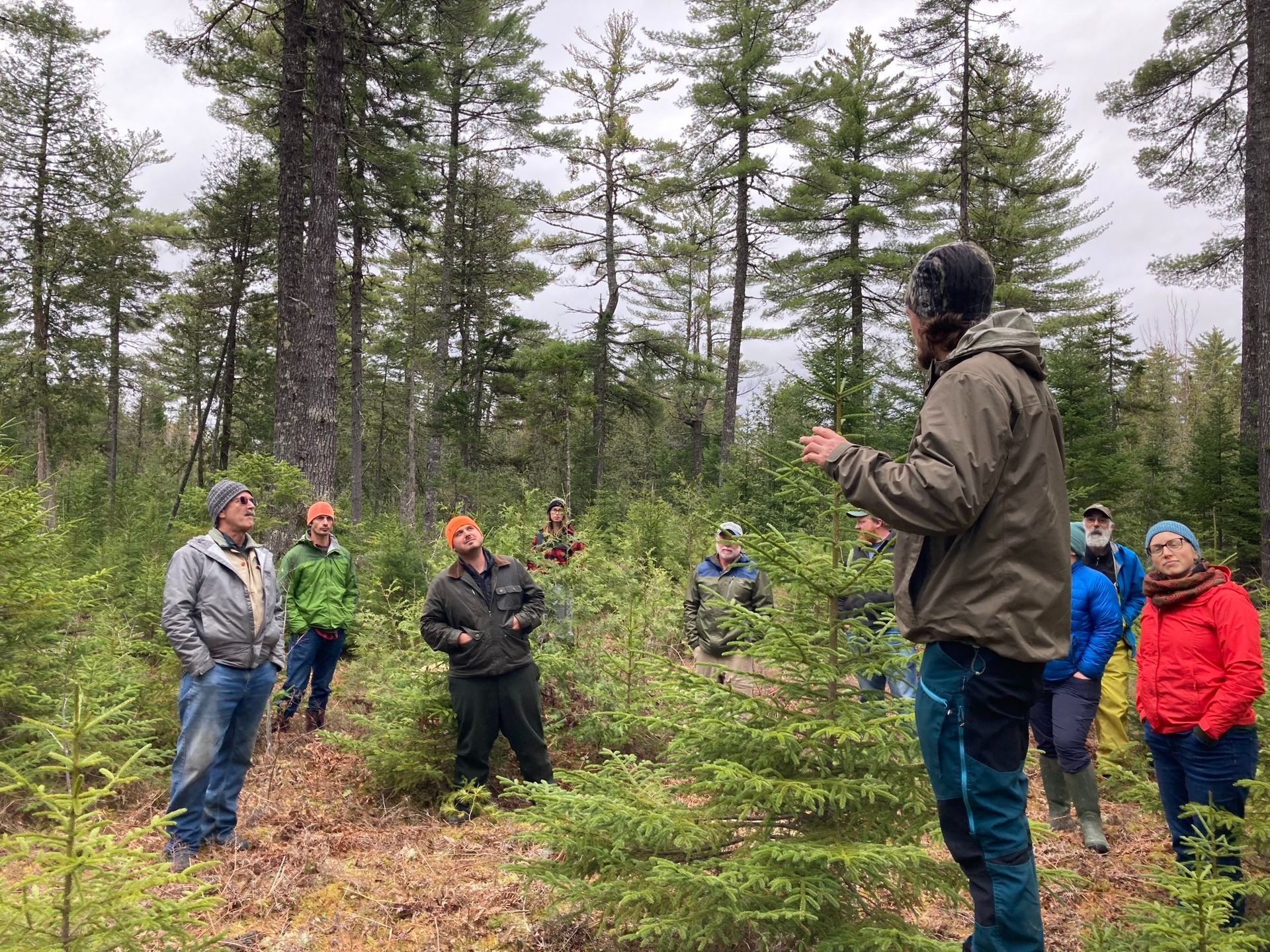
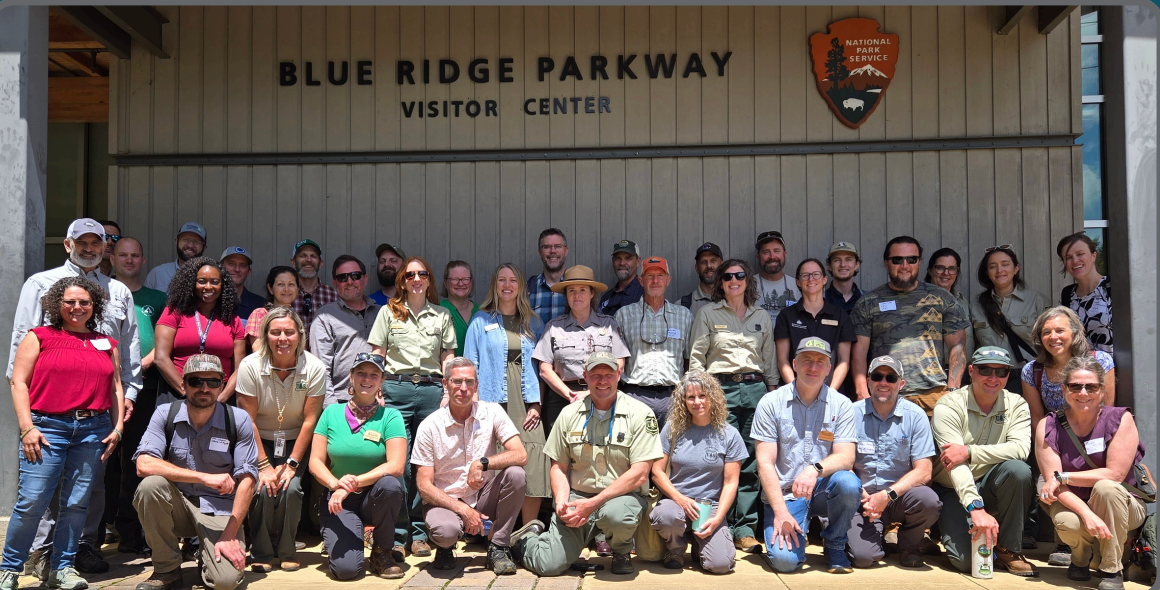
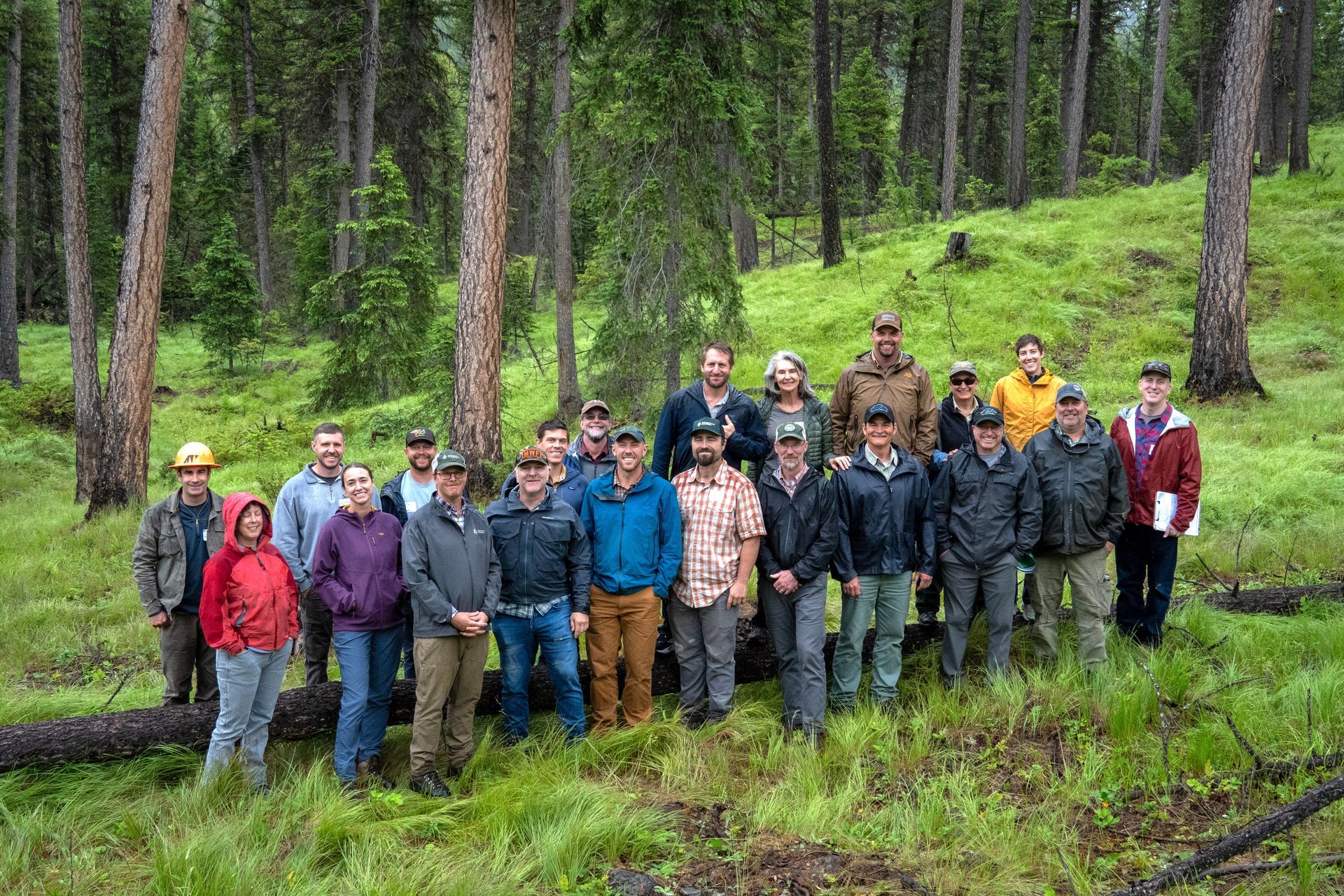
If a forest is a story, or many stories, about the living embodiment of all that has happened in a place over time, a place of trees that is, then a day in the forest is one episode in the series. On May 4, 16 Guild members and friends gathered to witness such an episode on the Baskahegan Company woodlands in Topsfield and Kossuth, in far Eastern Maine.
Baskahegan is the name of a large lake, 6,815 acres in size, and surrounded by Company land. The name, from Peskihikonok, means “turning-off place” in the Passamaquoddy-Maliseet language. This refers to a portage used for centuries to get from the Penobscot River drainage to the St. Croix, now the border between Canada and the U.S.
The day began with introductions, everybody circled up in the parking area near the mouth of the 1934 Burn Road, named for a fire that covered over 4500 acres of the company’s land south of the Lake. It was a hot fire, fueled by plenty of slash left over from recent logging, stoking temperatures on the ground enough to burn away already scarce topsoil, which had barely begun to form in the 10 or so millennia since the glacier left town. Ice and fire are two instances of significant earlier episodes occurring previously, at this place, in this series.
One way the current forest embodies the consequences of these early episodes is the abundance of red pine, aka pinus resinosa, aka Norway Pine, which contrary to the name is not invasive, but also not common in the absence of fire.
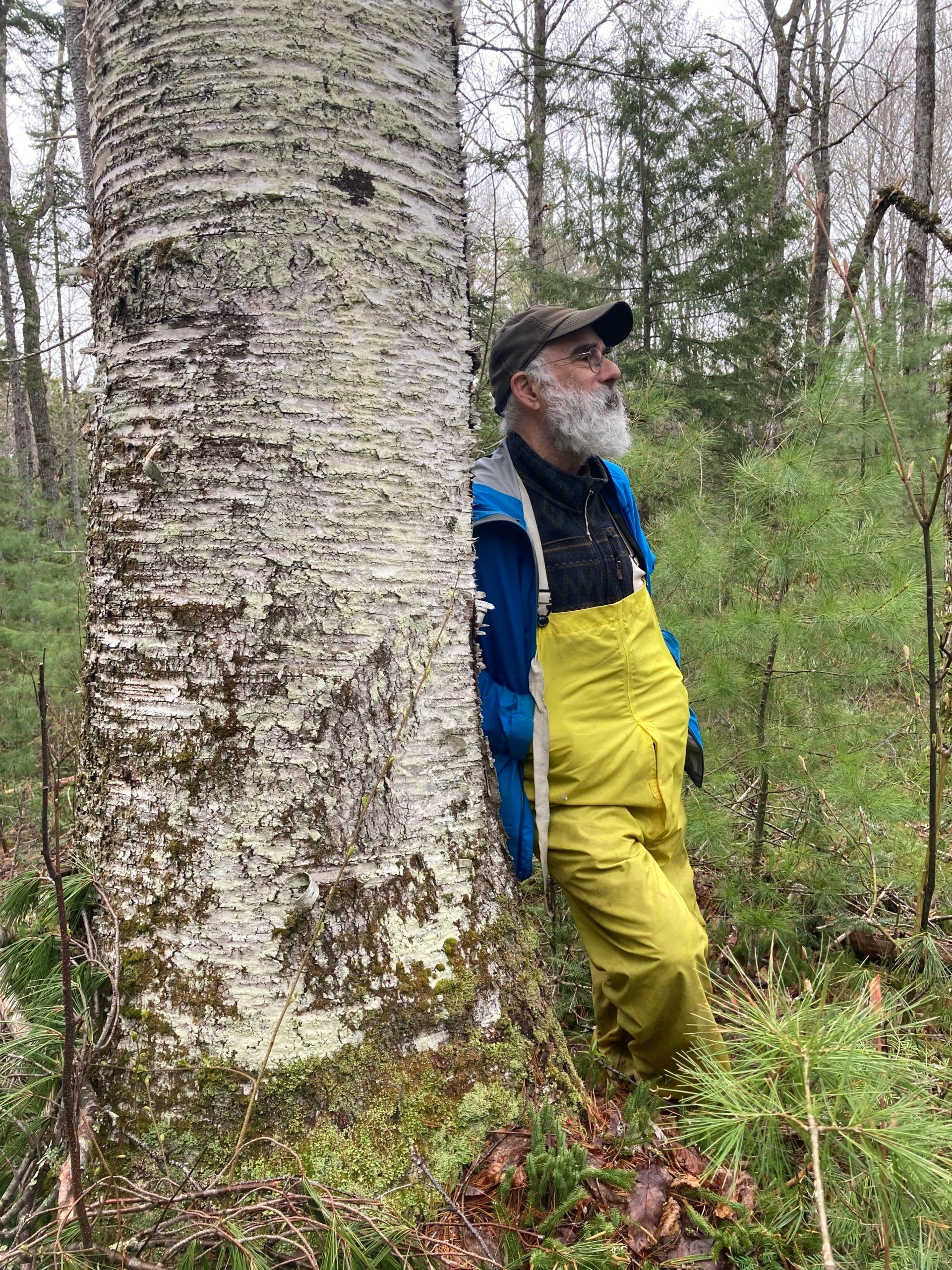
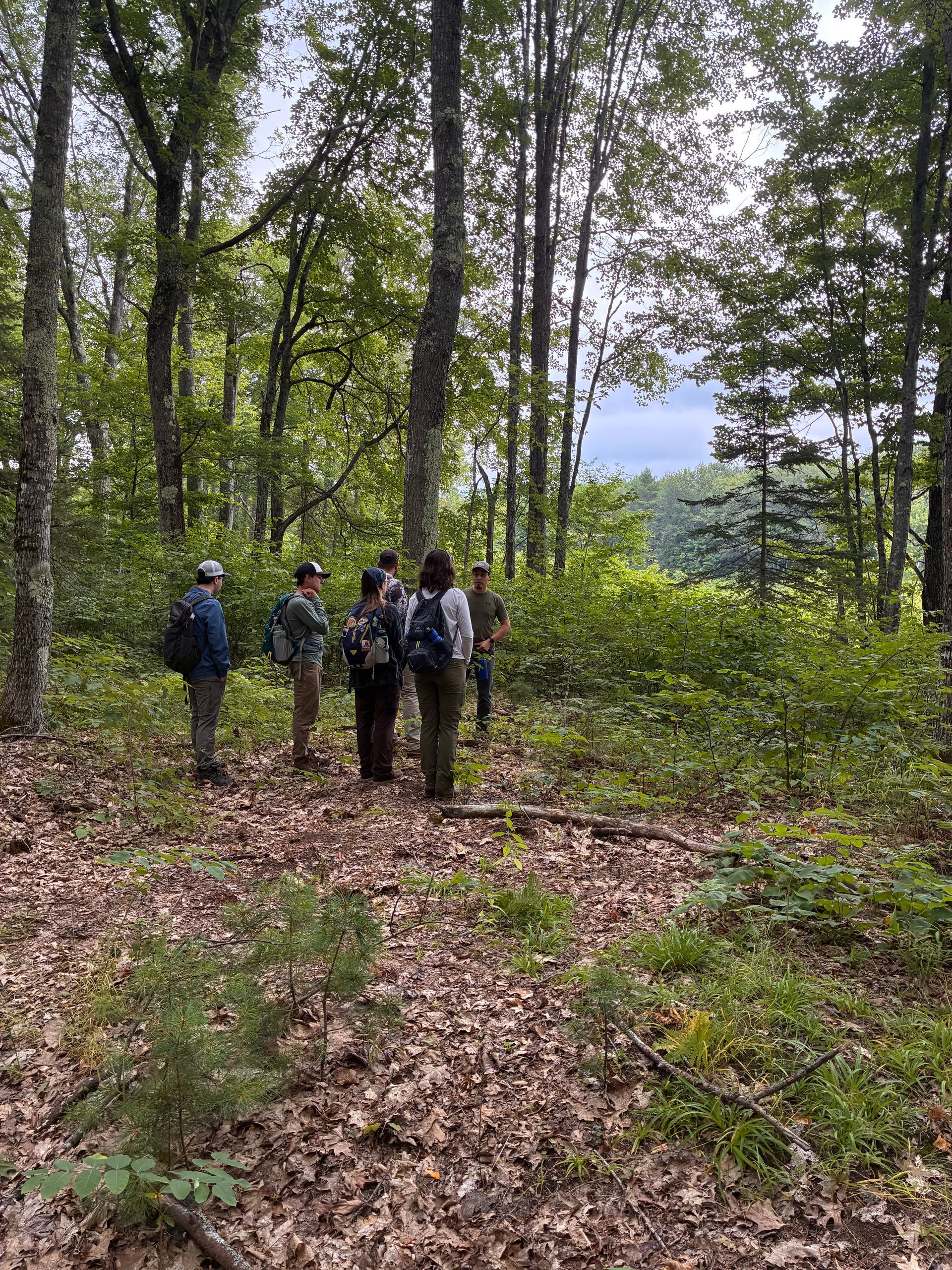
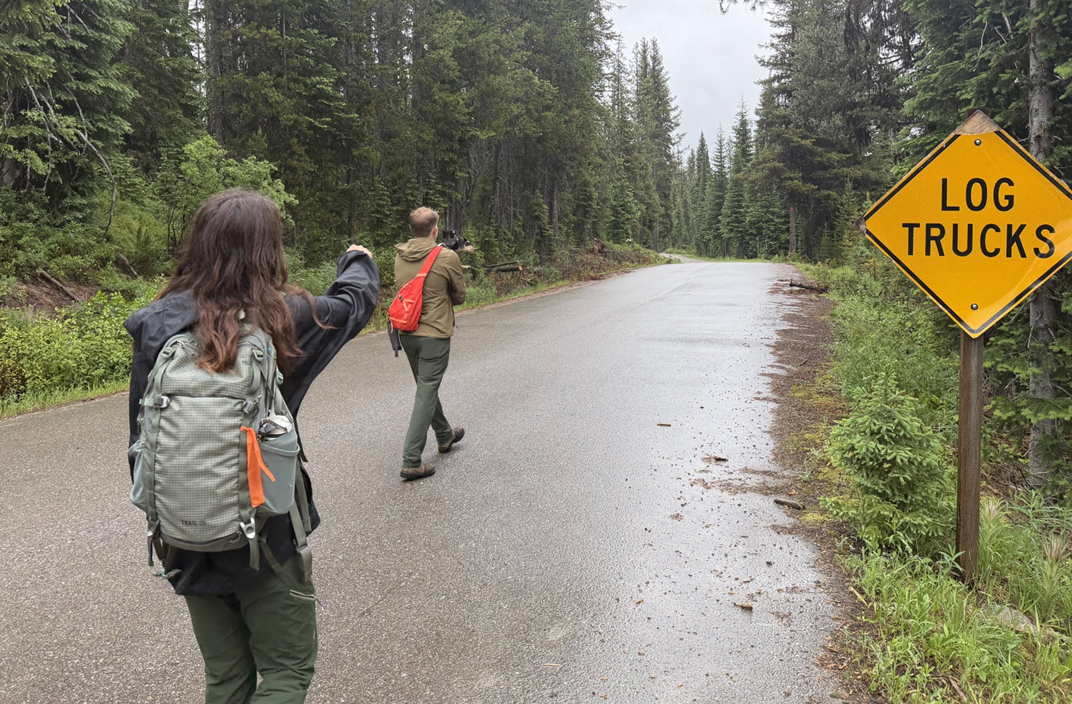
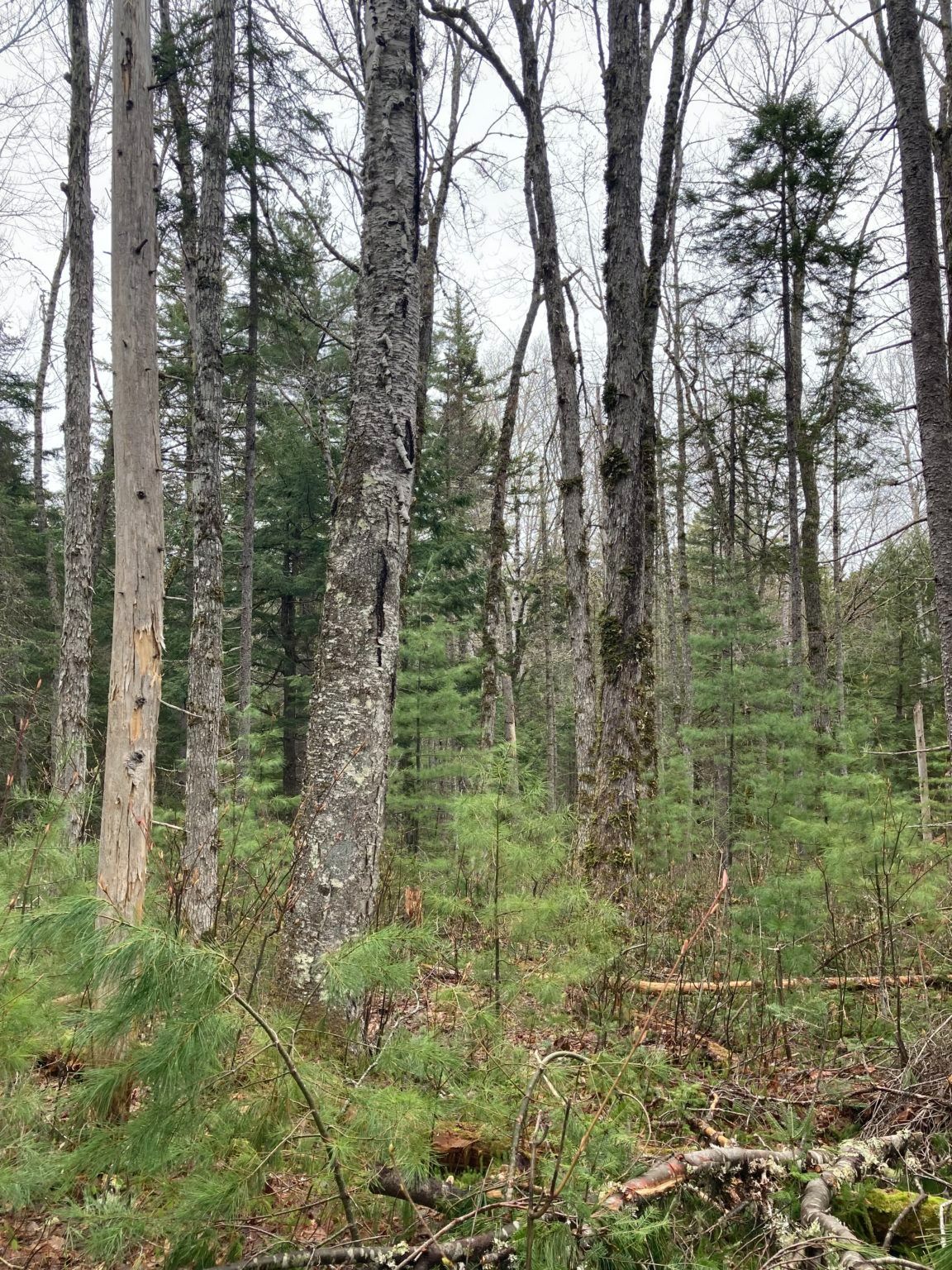
After the intro circle, we all traveled down a relatively new and very well-constructed gravel road to a wide spot, then walked a less traveled woods road. Passing through encroaching spruce, fir, and pine limbs, on a gentle upward grade, helped us warm up on the low-forties, damp and overcast morning. At a particular flagged spot, we left the trail, walking into a stand that showed little if any human touch. Picking our way through and around downed wood and trees of all shapes and sizes effectively broke up the clumps of conversation. As intended by Kyle Burdick, Woodland Manager and Vice-President of Baskahegan Company, each of us now engaged in interior dialogue with our selves, as we stepped deeper into an 1100+ acre interior forest, designated as an ecological reserve in the Company Forest Management Plan. Though this represents less than 1 % of the Company’s 150,000+ acre total holdings, it felt like much more. Passing by 24” dbh quaking aspen, beautifully gnarly old yellow and white birches, and plenty of spruce but very little fir, we stopped at a solitary white pine, easily 4 feet across. There aren’t a lot of white pine in the area, in fact the entire tract comprises far more balsam fir and reddish black (or blackish red) spruce, than white pine. More red pine too, at least for now.
John Manganello, Baskahegan’s President, first read their Land Acknowledgment:
“For millennia, before the spread of white colonialism and the founding of Baskahegan Company, Wabanaki peoples lived in close relationship with and cared for the lands we currently own. An archaeological site neighboring our lands dates back 12,000 years, making our century of family ownership but the blink of an eye.
Acknowledging the horrific history of forcible removal from indigenous homelands, disease, warfare and cultural genocide, we recognize we are the beneficiaries of past and ongoing injustices. We honor Wabanaki peoples from the Passamaquoddy, Penobscot, M’ik-maq and Maliseet tribes who have called, what we know as Maine, home forever. We celebrate their presence and support their courage to seek justice and are grateful for their dedicated cultural practices despite continuing racism, oppression and harm.
We commit to being good neighbors with Wabanaki peoples. We have entered into agreements that support Wabanaki collection of traditional materials on Baskahegan lands and have collaborated on policies covering the care of artifacts found here. We look forward to developing further collaborations as we deepen our relationships. We hope our principles of ownership reflect some of the multi-generational ethic of the Wabanaki, the original stewards of these lands, for the well-being of future generations.”
The concepts of “co-management” with the original stewards of the land, as well as the impacts of forest use, and lack of use, was discussed. Leaving with fresh eyes, we headed back to the gravel to assess more recent management practices, a manner of holding us (colonists) accountable to what could have been.
The catalyst for this day’s event was the elusive black-backed woodpecker. Frequenting northern conifer forests, particularly those that are flooded or burned, the bird is very seldom seen this far south. It had, however, been routinely seen nearly annually for the last 2 decades. Those observations have dwindled. Baskahegan Company is genuinely interested in the species and is seeking an answer as to why the sightings have dropped off. Is it the forestry implemented? Is it climate change? Have the birds simply moved- possibly to the ecological reserve or other parts of the property?
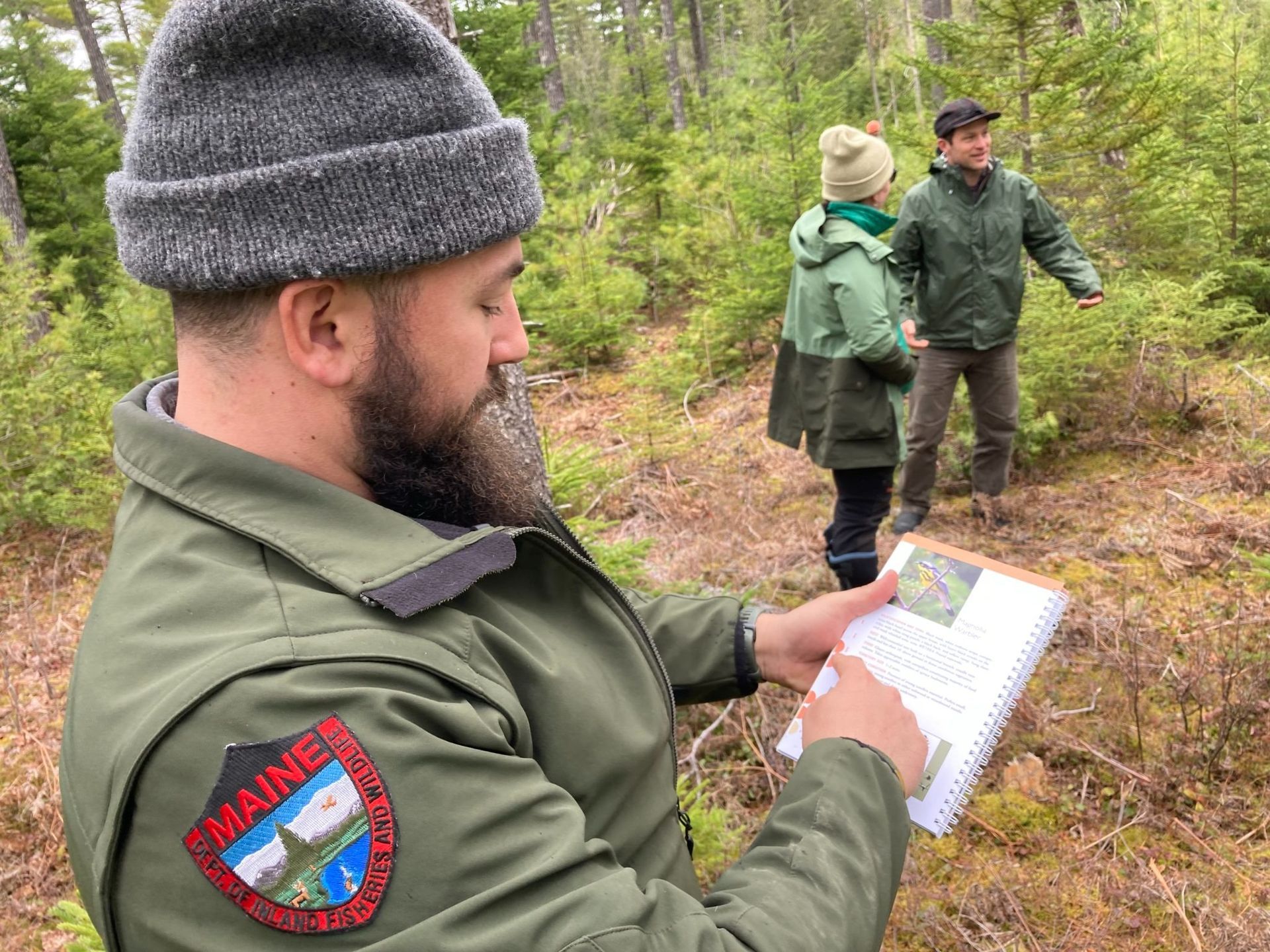
Joe Roy, IFWs Private Land’s Wildlife Biologist, who came along to offer habitat assessment and advice, had this to say:
“Since forest characteristic like age, species composition, and density, change over time, so can the wildlife communities in response. Changes in a stand, and subsequent wildlife use, may not always be apparent year to year due to their subtlety, but may be more obvious when comparing records from decades past. In the case of species like the black-backed woodpecker, they are utilizing very specific characteristics for their lifecycle. The woodpeckers prefer large tracts (average of 370 acres) of mature northern softwoods, particularly spruce-fir. They prefer flooded or burned stands with cavity trees that have a DBH of greater than 12 inches and are greater than 60 feet tall. Flooded or burned stands provide a high number of standing dead trees that lead to an abundance of food in the form of bark and wood boring insects. As a stand begins to revegetate after being burned, or flooding subsides (think of a beaver flowage where a dam is breached) conditions may become less favorable for the woodpecker. By following a shifting mosaic management approach like Baskahegan, as some areas become less suitable for certain species of wildlife, others may become more suitable.”
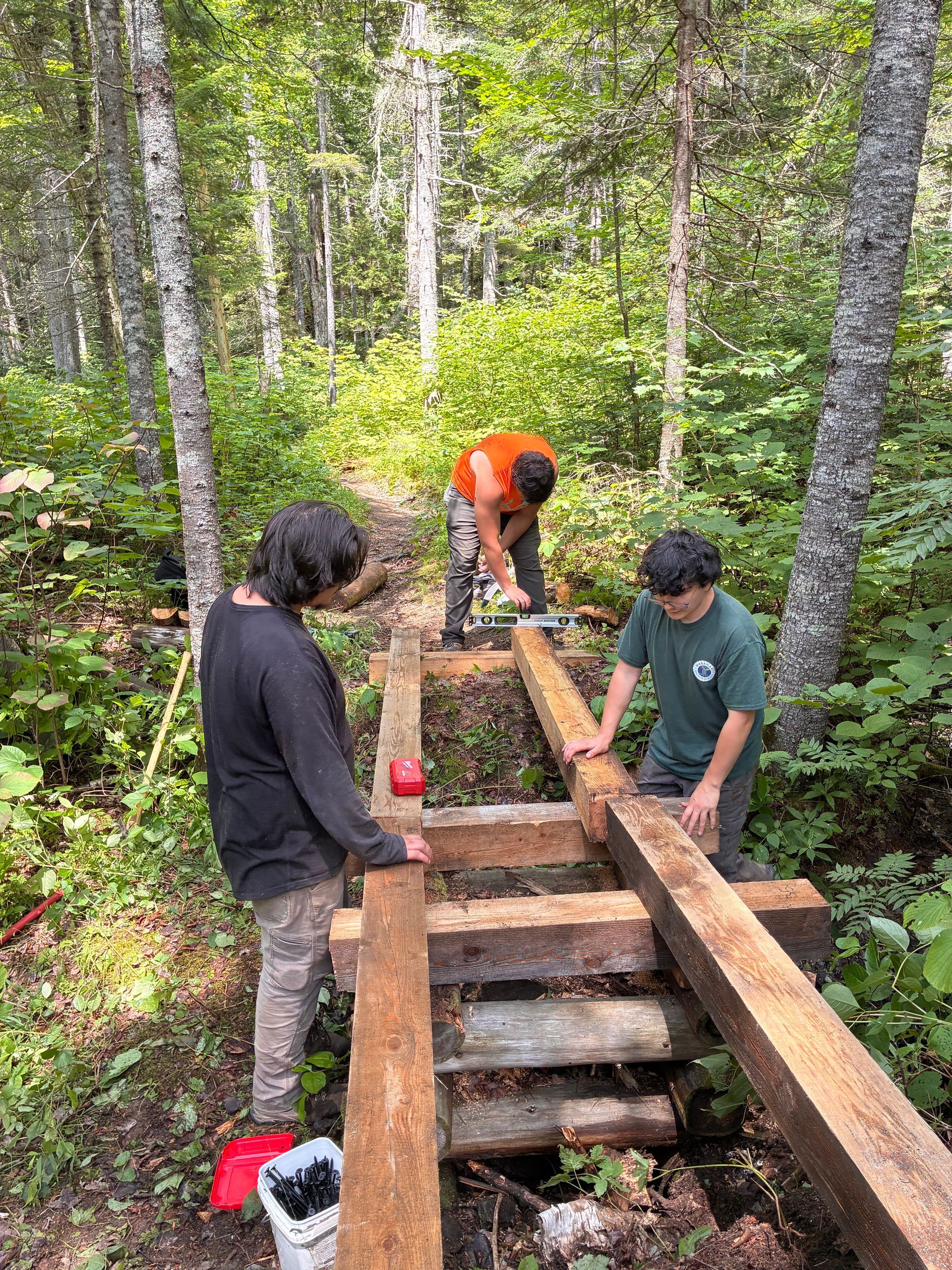
Woodpecker and other bird and mammal habitat needs and observations were made throughout the day. Subtopics included fire, the conservation of natural red pine, the construction of a “floating” road through a bog, Baskahegan’s dedication to shelterwood silviculture, and of course, wood markets.
The President of Baskahegan, John Manganello, described his family’s land ethic, and how they think about business. “How we make money is just as important as the money we make.” John says as he described the family motto. John quoted his second cousin, and previous Baskahegan President, Roger Milliken, who described why a family-owned company differs from others. “When we think about the future, in a family company that’s not an abstract notion. We hold our grandchildren; we walk hand and hand with them. So, our caring for the land, as a gift and a responsibility to them, is just baked in.”
Baskahegan Company’s story started off with a hard lesson on sustainability. Shortly after purchasing the land in 1920, the company defaulted on a stumpage agreement because there just wasn’t any wood left. Previous decades of heavy harvesting and a spruce budworm outbreak left an estimated average of 2 cords per acre. The town of Danforth, literally and figuratively, was built from the wood flowing from Baskahegan lands, and it began to fall apart. The “core lands” (owned since 1920) now boast around 22 cords per acre, with a nearly balanced age class distribution. Unfortunately, Danforth’s wood economy never recovered.
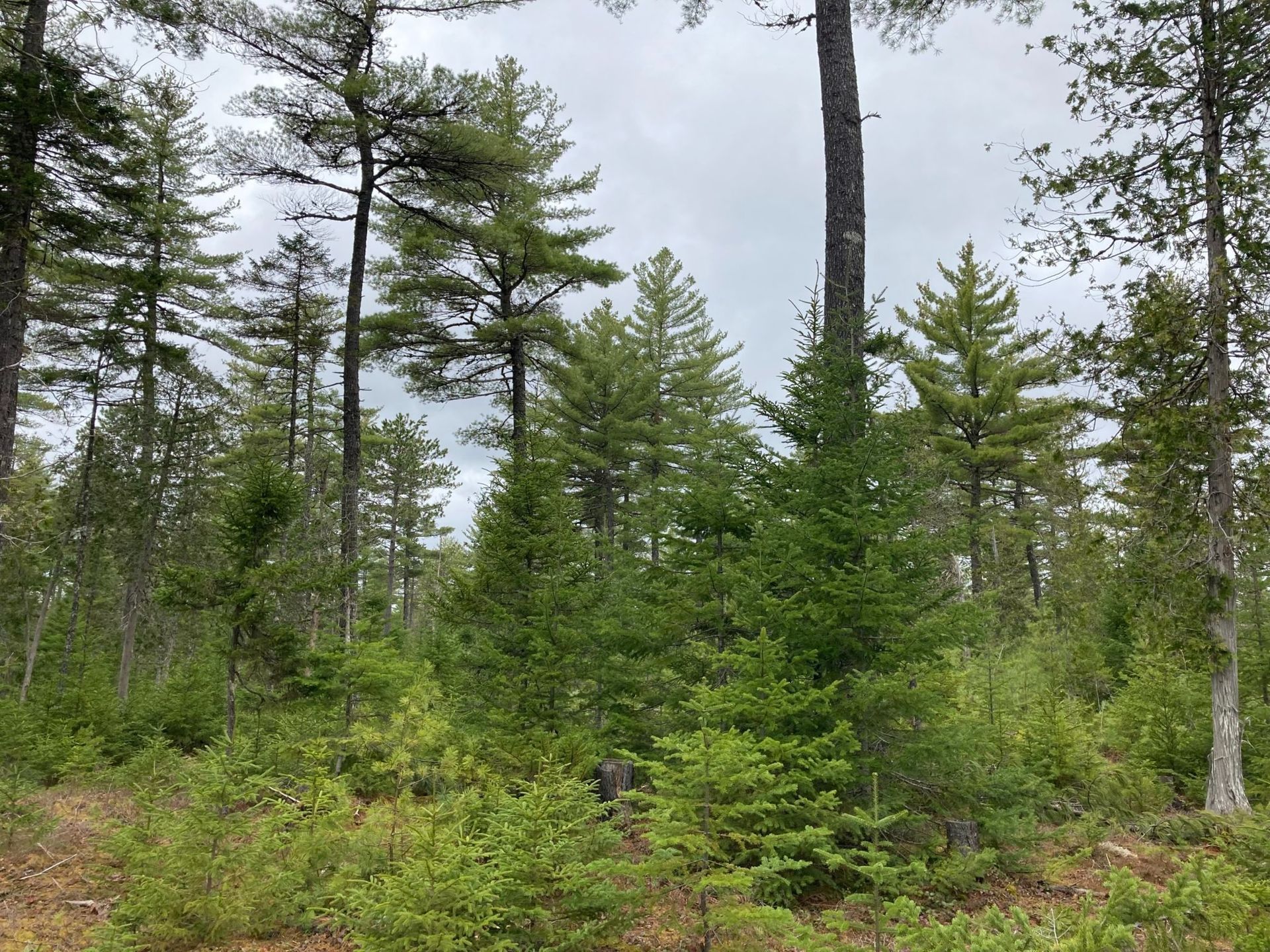
Our last stop was to see some recent pre-commercial thinning in understory fir and spruce, which had been established by successful first and second stage shelterwood cuts, the company’s primary silvicultural system,
Kyle: “In an ownership of this size, investing in a bank of fast growing, high yield acres allows you to harvest mature trees more quickly because you know they will be replaced more quickly. It’s essentially paying for itself immediately. However, past market predictions on spruce and fir have fallen well short of expectations. It’s also questionable that the trees you are favoring today are going to be the trees you wish you had 15 years from now. Because of this, Baskahegan now builds diversity into its PCT programs. Retaining a mix of species and even structure. But are there better uses of capital? With an appetite to grow, perhaps using the money to buy more land is a better option.”
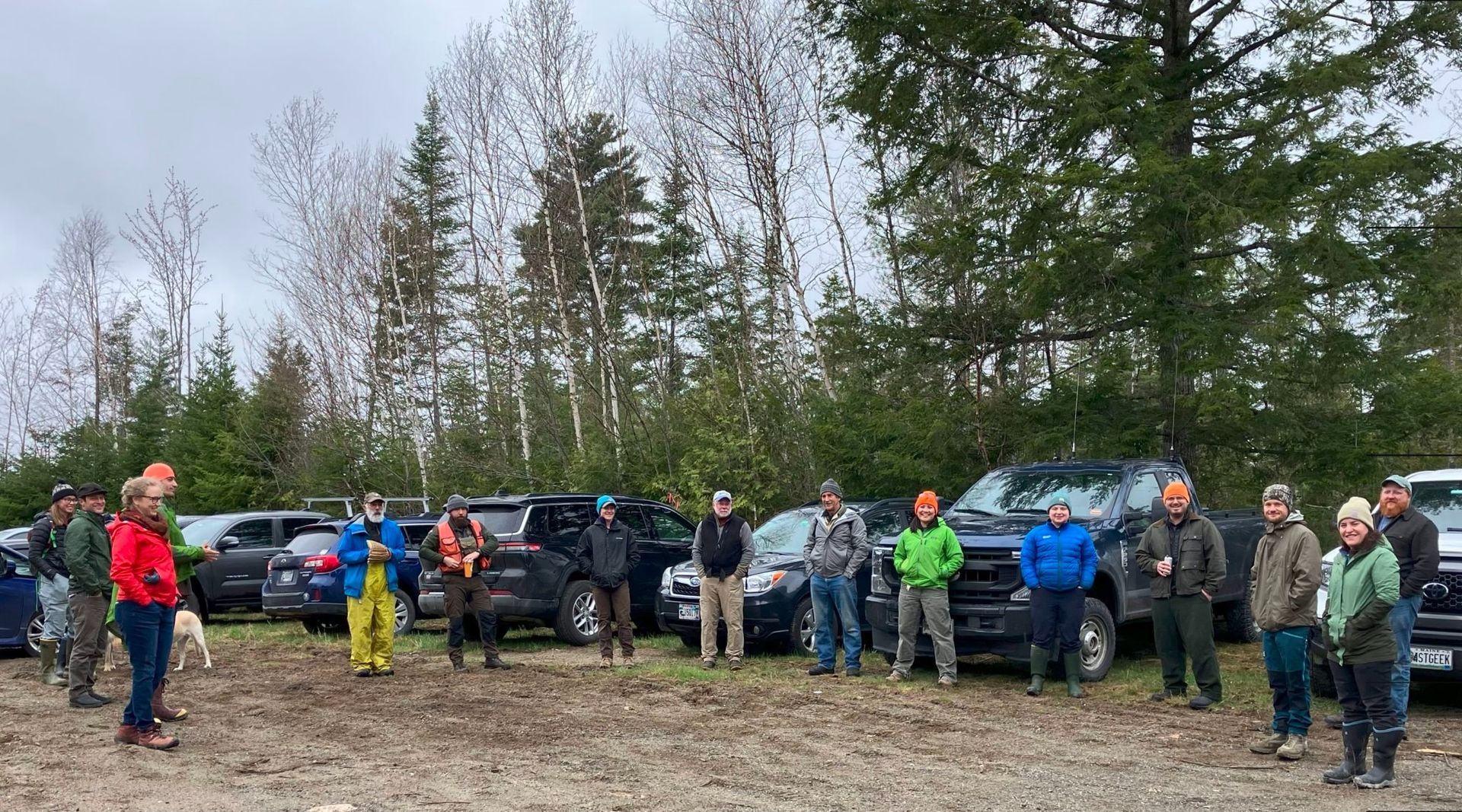
The day ended in a similar way to the beginning, in a circle of people, with minds full of all they had seen, heard, and internalized all day. Each shared their predominant feeling or take-home nugget of knowledge. At least one person there expressed the desire to return in a few years, to see what happens in future episodes.
To be continued…
Recent Posts