Third time’s the charm. Burning at Cottonwood Gulch

March 27, 2024

Written by Carlos Saiz and Sam Berry 

When I (Carlos) first arrived at the Cottonwood Gulch Expeditions Basecamp, I was a rookie firefighter showing up to prescribed burn in 2015, excited to start my career, and looking to get fire experience at every opportunity. The Basecamp is located at the foothills of the Zuni Mountains and has ponderosa pine mixed with pinyon juniper forests with a few cottonwoods along a stream as the name would suggest. It is also the heart of a large expedition-based youth education program, with hundreds of youths coming and going throughout the year to learn about nature and the outdoors. The Gulch’s staff have engaged in actively restoring their lands to protect themselves from fire but more importantly as part of their mission to demonstrate to their campers and neighbors what responsible forest management means, and that includes returning fire to the landscape.

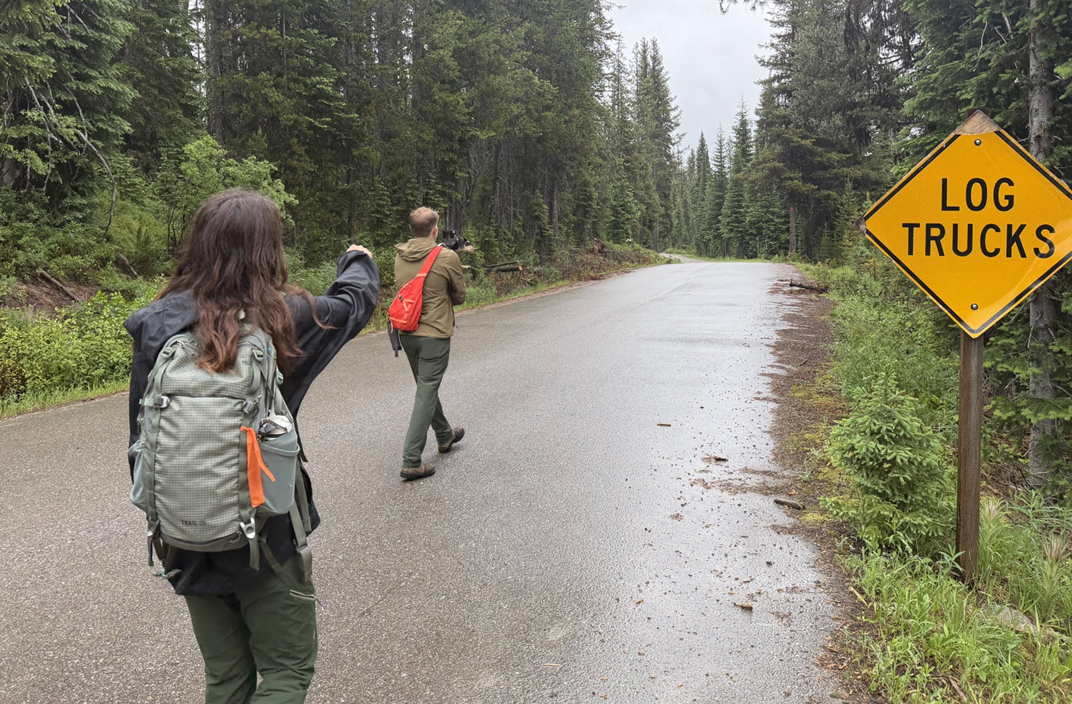
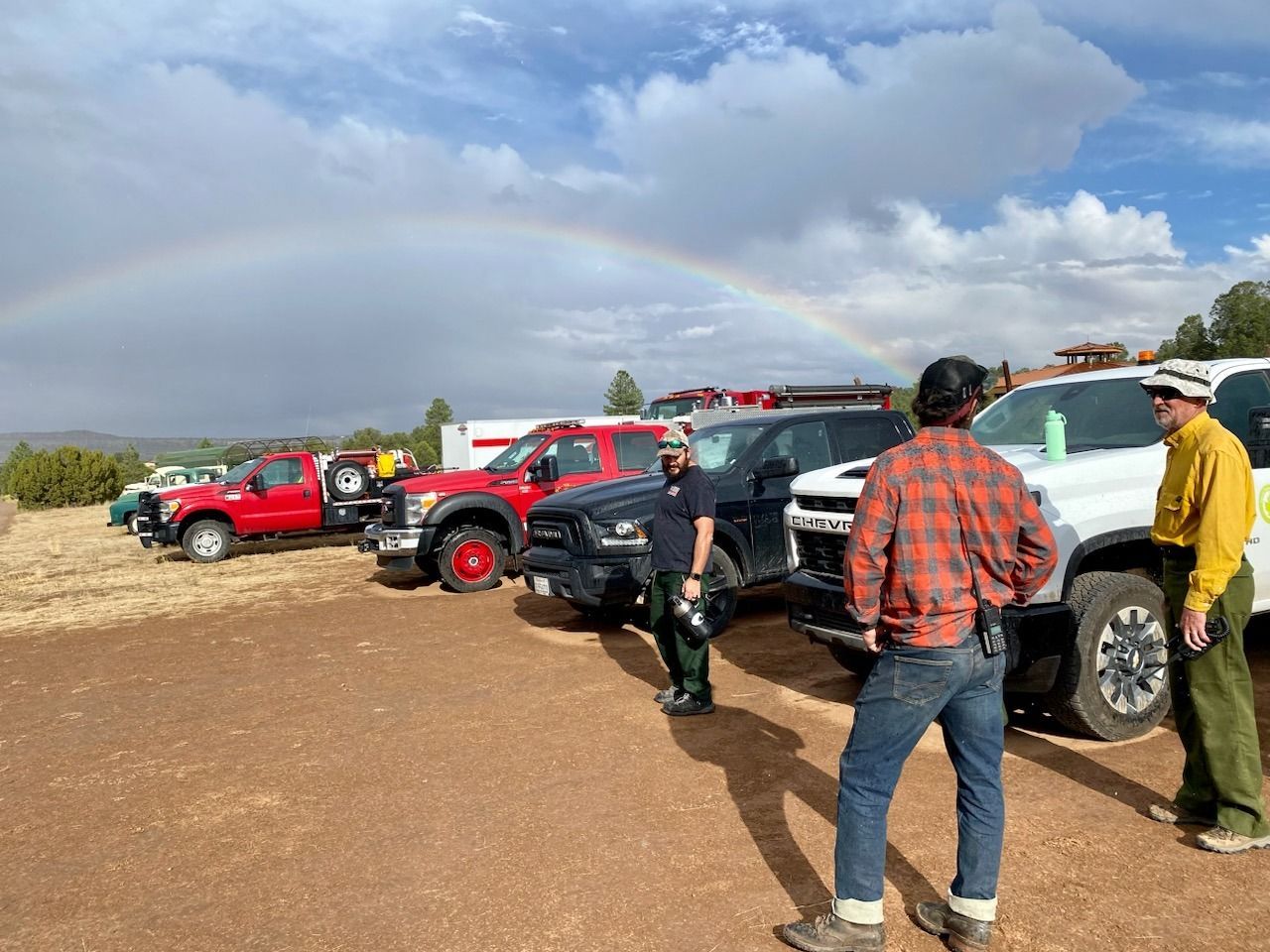
Trucks and people line up at the start of the Rx burn day.

Returning with a collaborative team that had successfully burned at the camp twice before in the 2010s, preparations began in 2021 with the Guild, the Ember Alliance, the local volunteer fire department, The Nature Conservancy, and Cottonwood Gulch to implement another burn. That fall was too wet to complete the burn though and, in the spring of 2022, we made another attempt. We were nearly hitting call on our phones to mobilize resources to the site, when the forecast changed, and we had to call off the burn due to dry and windy conditions outside of our prescription. During that same day, 150 miles northeast of the unit, the Las Dispensas prescribed fire was ignited, turning into New Mexico’s largest wildfire, the Hermits Peak fire. This tragedy was then compounded when a nearby winter pile burn flared up in the spring and turned into the Calf Canyon wildfire. During an unprecedented wind event, these two escaped prescribed burns combined into one fire. Like after the Cerro Grande Fire from 2000, another escaped prescribed fire tragedy in New Mexico, the atmosphere around prescribed burning immediately darkened, bringing new challenges and adversities for years to come. The Guild and the Gulch postponed the burn to weather that storm and wait for better weather.

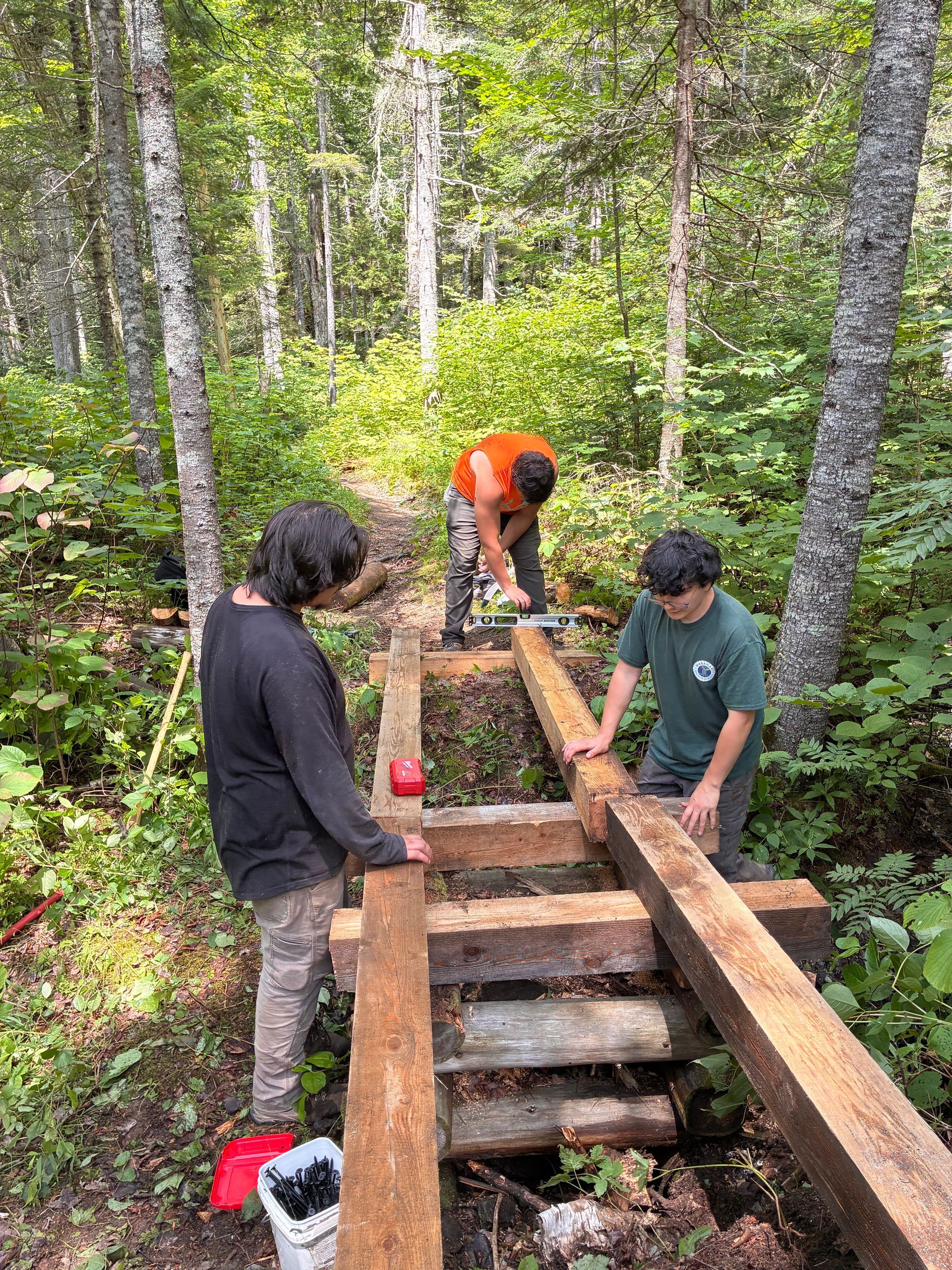
When I returned to the area in 2023, I had plenty of fire experience and had just started a new job at the Guild as the Fire and Fuels Coordinator. I was ready to train new firefighters at the start of their career and to help implement a prescribed burn 2 years in the making. In a combination effort to prepare for the burn and to get folks ready for the season, Cottonwood Gulch was host to the S-130/190 and the S-212 fire classes. The students were part of our Forest Stewards Youth Corps that gives entry level experience to folks that are new to forestry. While completing their training these individuals also worked on digging handlines and preparing the burn area. These students would also play a major part in burning the Gulch as well.

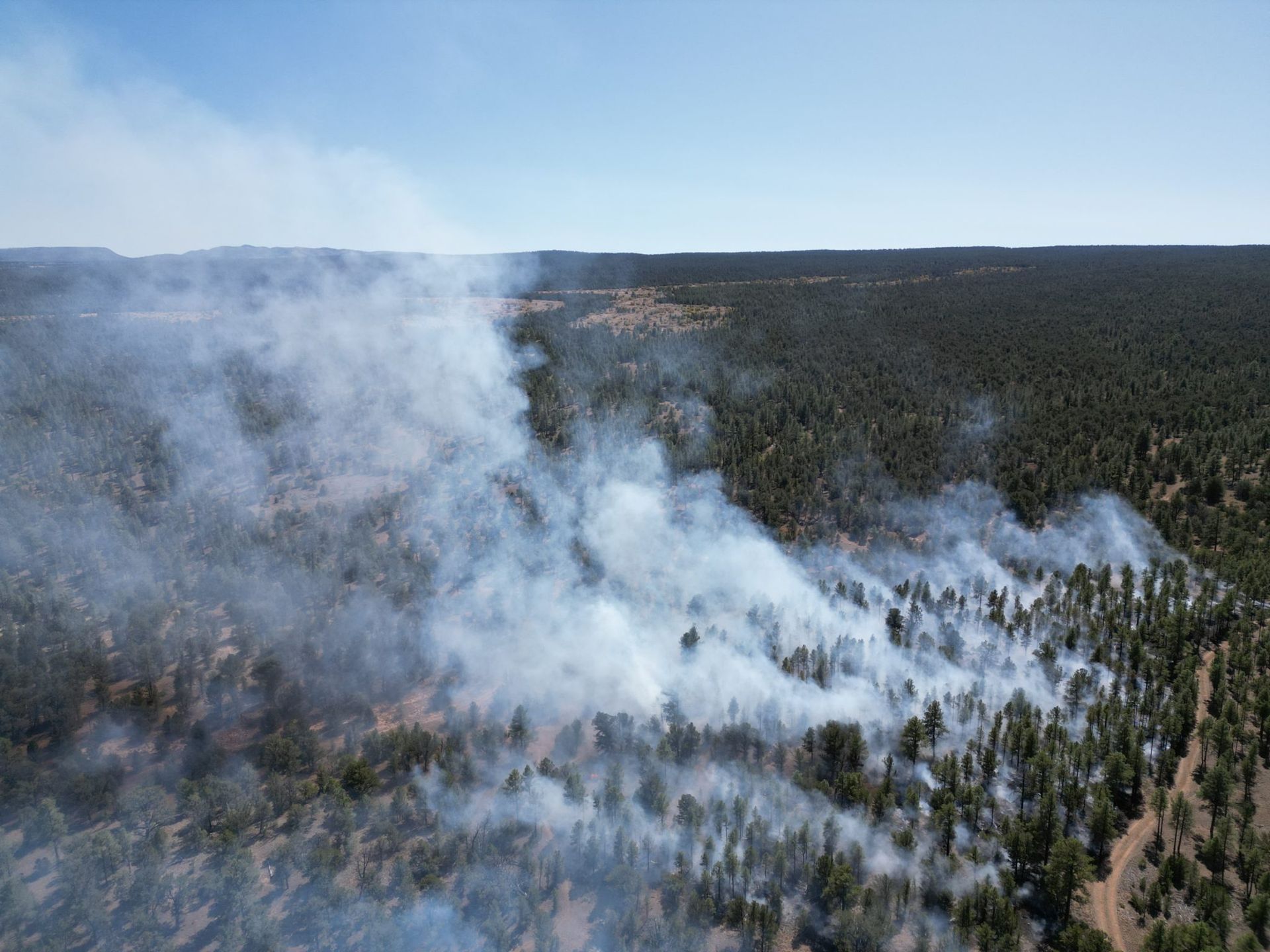
Smoke rises into the air from a prescribed burn

Along with prepping the burn area came prepping the communities around the Gulch for the burn. In 2019 there was another escaped prescribed fire that was visible from the town of Bluewater Acres where the camp was located so folks were already on edge even before the escapes at Hermit’s Peak and Calf Canyon in 2022. A public outreach effort to better communicate the need and role of fire in the landscape was developed throughout Thoreau and Bluewater Acres. We managed to get municipal fire personnel, community members, and Cottonwood Gulch staff in a meeting together with the Guild to talk about what was going to happen during the coming autumn. The first meeting went well, and some trust was built, but afterwards more community members heard about the meeting too late to attend. A second meeting was called to provide a chance to meet with these folks too. Some distrust remained with a few folks, but more were ok with or supportive of our plan. 

Concurrently with this process another necessary step was to obtain a permit from the county fire department. In 2023 New Mexico had no centralized prescribed fire permit process so counties used their own patchwork of processes, and few were addressing burns of this complexity or size, as they mostly focused on back yard debris burning or agricultural burning. Cottonwood Gulch is in McKinley County, where they had just received a new fire Chief since our last permit was issued prior to the escaped burns of 2022. Well versed in “structural” fire suppression, the new chief had his own concerns that needed to be addressed. After the public outreach efforts and attending the operational meetings, and with the support of the VFD chief of the district where the burn was located that had participated in previous burns, the new chief was willing to sign the permit. With the support of his wildland coordinator, he also committed personnel and equipment to assist.

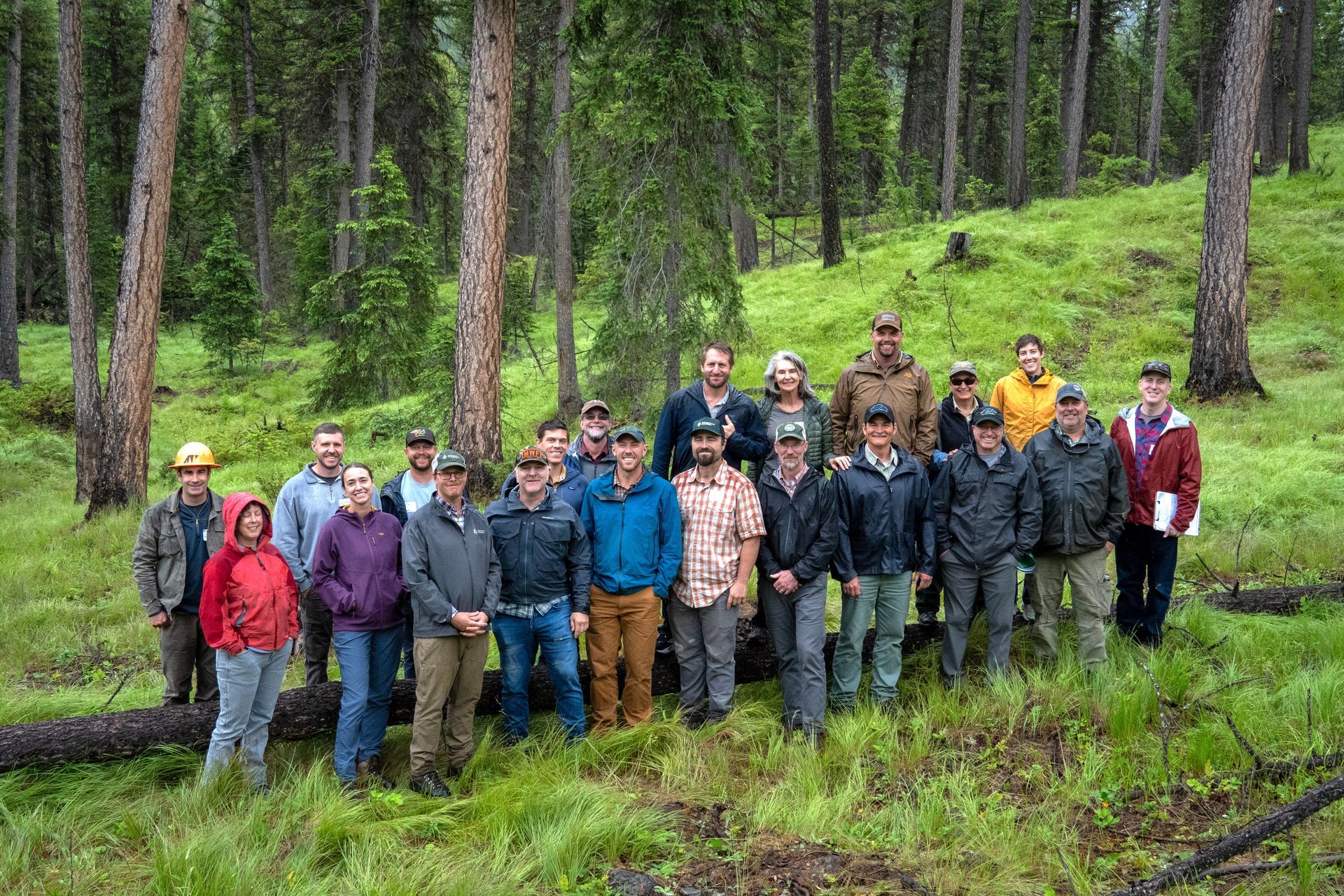
After years of planning, countless coordination calls, and prepping the unit 3 times, resources arrived at the site on October 2nd, 2023. Engines and crews from Forest Stewards Guild, Forest Stewards Youth Corps, Cottonwood Gulch Expeditions, The Nature Conservancy, The Ember Alliance, Santa Clara Pueblo, the US Forest Service, and McKinley County FD, were eager to get the work done. Previous rainstorms had moistened fuels slightly, but it had dried enough to make the unit good enough to burn. The problem was that another storm holding hail had stopped right over the unit that afternoon, casting an ominous gray in the sky and in our hearts, and made everyone question whether we had too much precipitation or not. Luckly, the gray sky didn’t last long. 

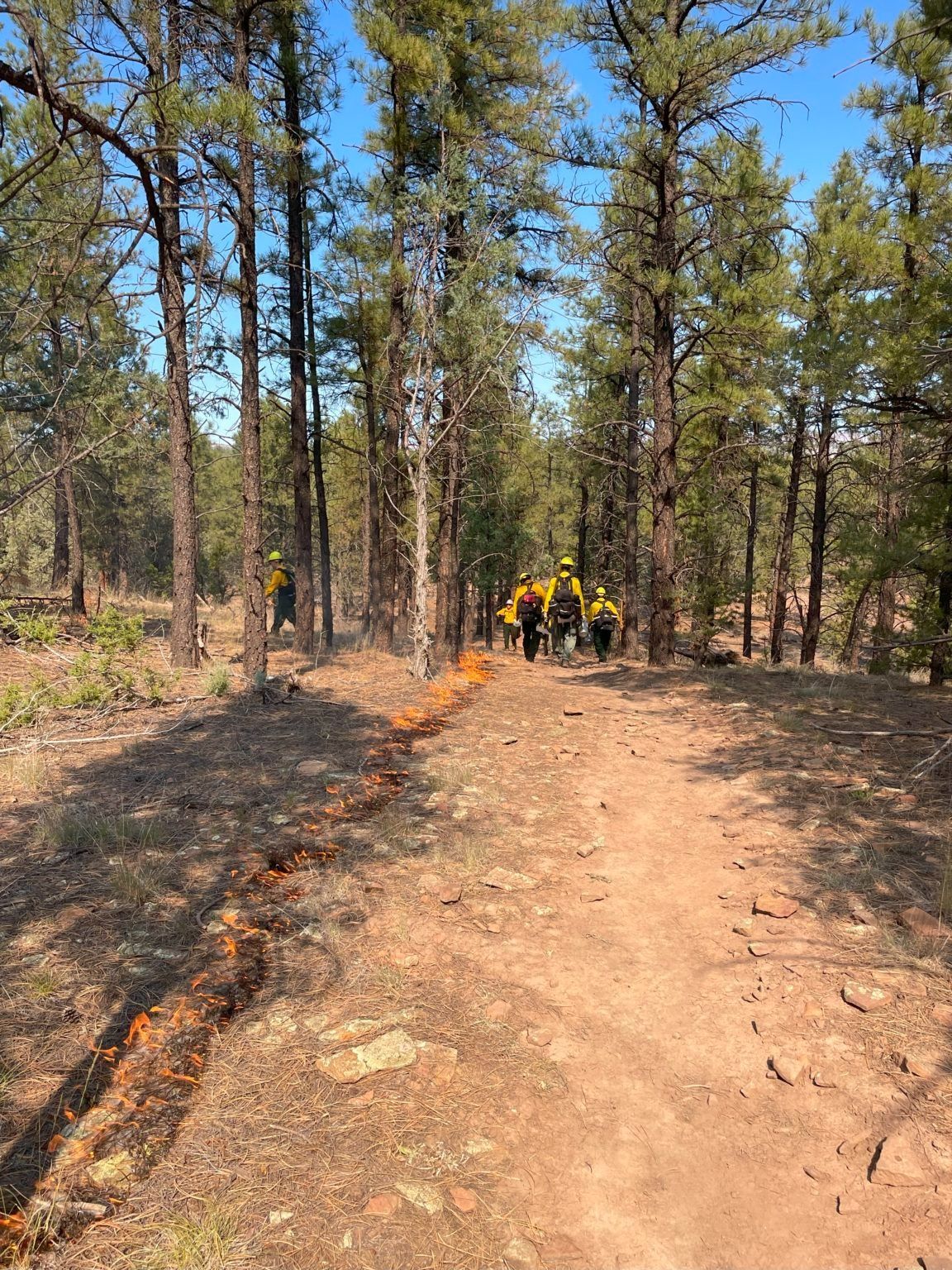
Once the sky cleared and the hail melted off, the next few days went just as planned. Firing and holding teams were put together prioritizing training opportunities, including engine boss, firing boss, squad boss, and fire effects monitors. We were able to safely burn 110 acres over two days, and nearly all the youth corps members got a memorable first burn as they were able to see their hard prep work come into play as they dragged a torch or held a tool on the line. We then turned to intensive mop-up to cool the perimeter followed by weeks of patrolling.

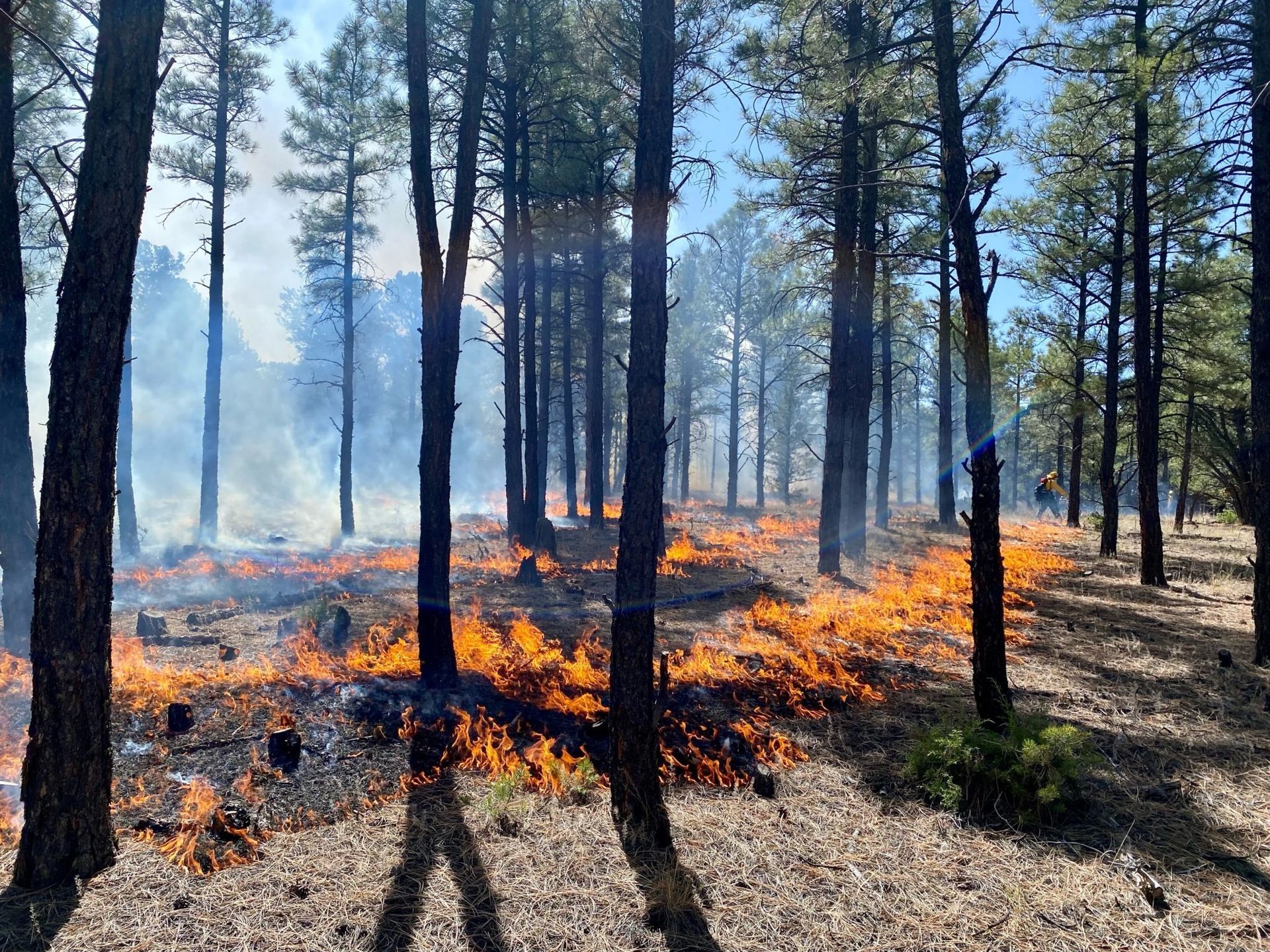
Photo of low flames across a prescribed burn

An unanticipated consequence of burning through the mix of pinyon juniper and ponderosa forest types, is that the ponderosa burned nice and clean as it’s adapted to do, but the deep dense layers of duff under the pinon trees that had been building up for 100s of years smoldered for weeks, with little “duffers” going underground and popping back up. It was a reminder that just because it’s convenient to draw a box based on property boundaries and ideal holding features around them and burn everything inside, there can be unexpected consequences of trying to force fire into systems that aren’t as well adapted for it. In the future, burning at the Cottonwood Gulch should probably be primarily in the ponderosa areas, and avoiding the differently fire adapted pinyon areas, that when burned through held lingering smoldering messes that could have caused control problems. 

In the end our team was able to pull together all the threads of navigating tricky weather, community outreach, working through permitting hurdles, bringing together a diverse collaborative team, and training the next generation of forest stewards together to pull off a successful burn. On top of building some trust around the practice of prescribed burning, this success brought well needed fire and rejuvenated the landscape, partnerships, and community. In addition, we anticipate that this burn improved the landscape’s health and will allow more grasses and forbs to reach up through the forest floor that was previously slash and a carpet of pine needles, but we have a field visit scheduled for the spring to determine what the impacts are. We are certain that the burn was successful in removing fuels directly adjacent to Gulch’s infrastructure, so the threat of wildfire is reduced during the summer when there are sometimes hundreds of students on site. Although the 110 acres are relatively small in the large landscapes of New Mexico, the burn had outsized impacts by demonstrating that prescribed broadcast burns on private property after the Hermit’s Peak and Calf Canyon disasters could be achieved safely and successfully.

Recent Posts

By Aidan Juhl April 16, 2026
Written by Colleen Robinson
April 14, 2026
Written by Shannon Maes
April 14, 2026
In September 2025, the Guild launched a three-person Forest Stewards Apprenticeship (FSA) crew to work with the Penobscot Nation’s Department of Natural Resources (PN DNR). Over the course of their six-month season, apprentices Agenor Duhon, Gabe Stewart, and Jacob Baker shared a season of learning, collaboration, and hands-on stewardship of Penobscot Tribal lands.
April 14, 2026
This week, I stepped into the role of crew leader. We worked a full 40-hour week, splitting our time between Clifton Farms and a prescribed burn operation. On the first day in the field, we completed hack-and-squirt treatments on trees that had been marked the previous week. For the remainder of the week, we focused on marking trees for future hack-and-squirt work, maintaining a steady pace and ensuring accuracy in our selections.
April 7, 2026
As Guild members, our practice is fundamentally grounded in field observation. We know intuitively that forests are dynamic, living communities. Yet, for decades, the high-level systems used to value our work, specifically the carbon accounting ledgers tied to international frameworks like the Paris Agreement, have treated forests as static, quantifiable blocks of land. In a recent commentary published in One Earth, I argue that these legacy measurement, reporting, and verification (MRV) frameworks are failing. Ledger accounting relies on crude land-use delineations and outdated technology, effectively penalizing the natural, seasonal flux of the ecosystems we manage every day. By forcing landscapes into rigid “forest” versus “non-forest” binaries, such legacy systems miss the complex reality on the ground. But a major shift is underway.
March 18, 2026
Women have always been a part of forestry. Historically, women often helped guide family decisions about when to cut, which trees to save, and how best to steward their land for the next generation. Historical accounts from the Southern Appalachians describe women’s roles in decisions about timber harvesting and prioritizing long-term forest health. These often-uncredited contributions are even reflected in Aldo Leopold’s A Sand County Almanac (1949), in which describes his stewardship philosophy informed not only by his professional experience, but by shared responsibility, where the perspectives of his wife and daughters played an important role.
March 18, 2026
Although rural regions often host the highest concentrations of public and private forest land, they typically lack the sustainable workforce necessary for active management and stewardship. How do we address this foundational problem in forest conservation?
March 18, 2026
The Forest Stewards Guild has a unique dual mandate: practice and promote forest stewardship. Personally, I think the combination of practicing forest management and promoting best practices is what makes the Guild a vibrant and impactful organization.
February 17, 2026
We celebrate the remarkable career and legacy of Leslie (Les) Benedict, who has provided visionary leadership and dedicated service to the stewardship of forests, championing the preservation of the ecological and culturally important black ash. Benedict, a member of the Saint Regis Mohawk Tribe in Akwesasne, north of the Adirondacks in upstate New York, recently retired after serving as the Assistant Director of the Tribe’s Environment Division for over 35 years.
February 17, 2026
The Forest Stewards Guild has been working to support the National Park Service on forest stewardship projects throughout the eastern U.S. This month we are in the midst of a project to protect mounds at Effigy Mounds National Monument near Harpers Ferry Iowa. This site was designated as a National Monument in 1949 and preserves over 200 mounds built between 800 and 2,500 years ago. Mounds at this site include conical, linear, compound, and effigy mounds – constructed in the shape of animals. Please see the National Park Service page for more information about the mounds, the people who built them, and how to visit the site. The lidar images on that website of the Marching Bears and other mound groups are fascinating.
Show More