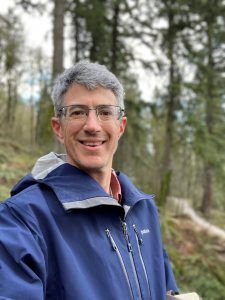
Reflections on 12 years at the Forest Stewards Guild

March 14, 2024

Written by Amanda Mahaffey

Spoiler Alert:  


In April, I’ll be transitioning from the Guild to a new employer. Yes, it’s a big change, but no, the world will not end with my departure. 

You’re leaving? Oh, no! Where are you going? 


I will be a voice for forests in an agency without “Forest” in its name. I look forward to sharing more details when the hiring process is complete. For now, be assured that I will remain a familiar face in the woods in the Northeast. (By the way, I will also be at New England SAF later this month. Come join us at our Guild dinner on Thursday, March 28!) 

Why? Why now? 

In my time on staff at the Guild, I have been instrumental in the growth of programs such as Women Owning Woodlands and Foresters for the Birds. I have built up support for communities of practice in forest climate adaptation and the North Atlantic Fire Science Exchange. I have stood on stumps and rallied participants at countless field trips, workshops, and virtual events. Since being promoted from Northeast Region Director to Deputy Director in 2019, I have had the privilege of joining the Guild leadership team with Eytan Krasilovsky and Zander Evans. Together, we have navigated Guild staff and programs through challenges (such as the pandemic) and successes (many!) over the last five years. I have learned tremendously and grown immeasurably through these rich experiences at the Guild, and I am indebted to my awesome coworkers, collaborators, and Guild members. 

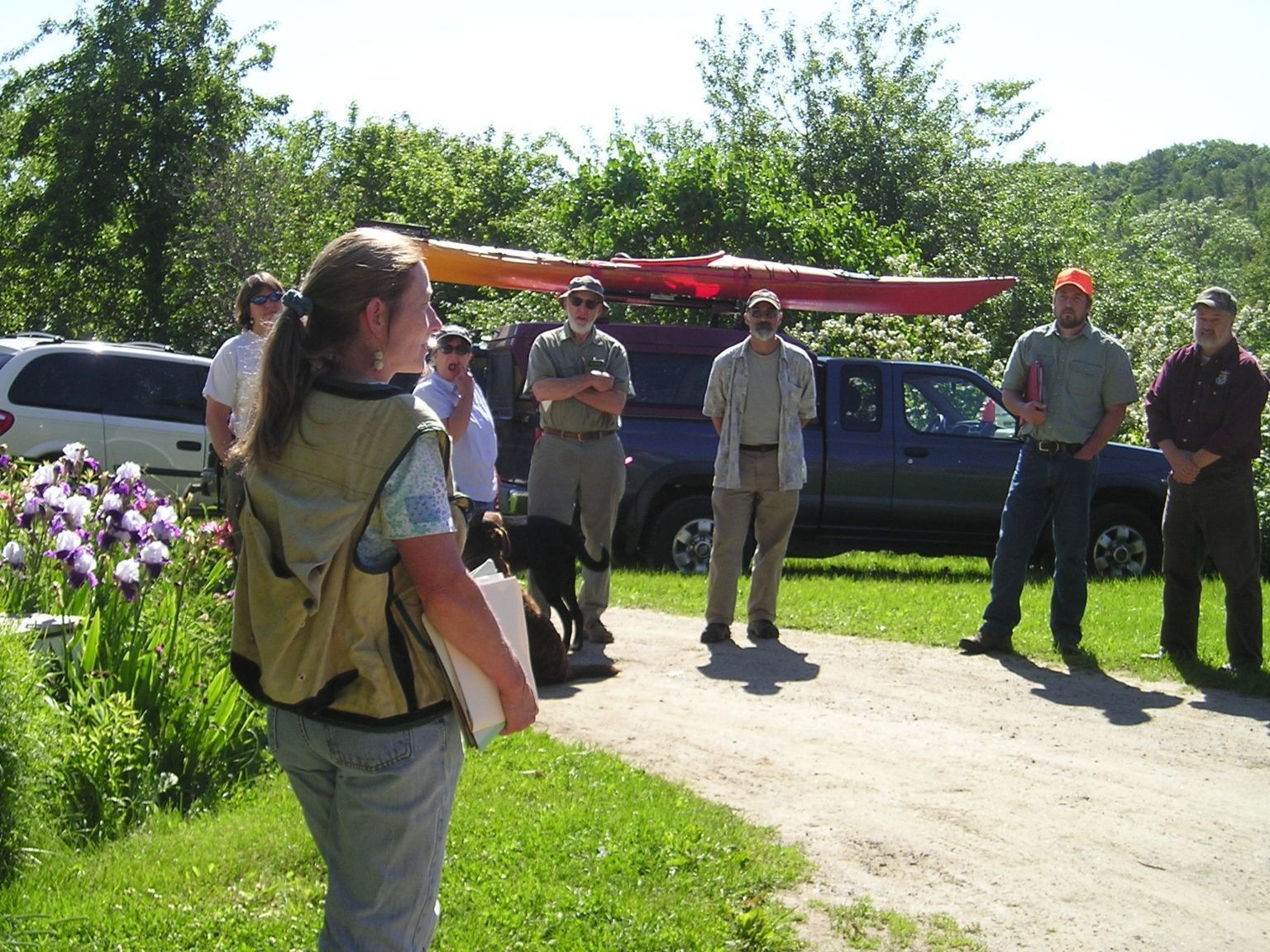
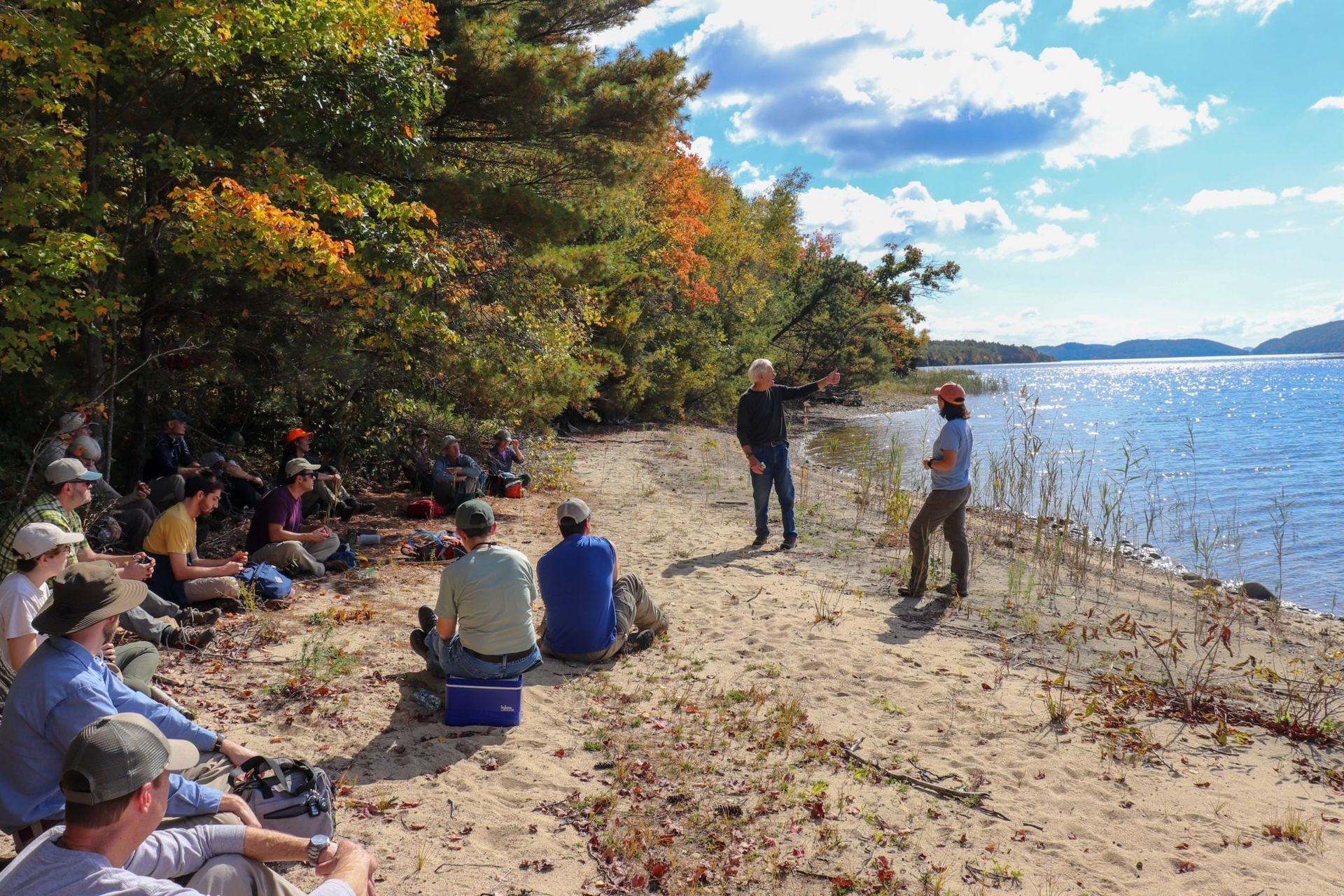
Amanda Mahaffey presenting to a field tour group in 2022.

In 2020, I was honored as the recipient of the New England SAF Mollie Beattie Young Forester Leadership Award, which was named for a fierce advocate for ecosystem approaches and the first woman director of the U.S. Fish and Wildlife Service. Gradually, it dawned on me that in working with forests and people, I had developed skills that could have great impact in the right venue, and perhaps, that venue might be the federal service. I have done great work at the Guild and am ready to take these experiences into the next chapter of my forestry career. 

Will you stay involved in the Guild? 

Of course! I first joined the Guild as a student member in 2003, and I was “raised” in my forestry career steeped in Guild values, principles, and friendships. I was honored to participate in the Membership Committee and Board of Directors, and I’m proud to have remained a paying professional Guild member through my 12 years on staff. I also aim to recruit new Guild members among my new coworkers. I am excited to elevate the Guild’s ecological forestry principles in my new workplace. 

What are some Guild moments that stand out in your memory? 

I have been to SO many places with amazing Guild members through the years, it’s hardly fair to try to choose my favorite snapshots. For every photo I’ve shared, there are a hundred more, each with a story of a collaboration, a new forest type, a kindship with forest stewards, a spark of forest wisdom shared. It has been an absolute privilege to walk the woods with such amazing people.

2011

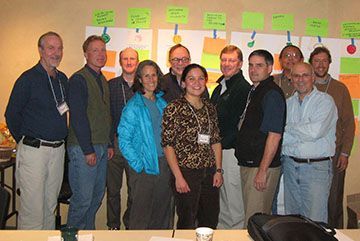
The Forest Guild Board of Directors gathers in Santa Fe, NM

A photo of Guild Board Members at a meeting in 2011

2012

Guild members Barrie Brusila and Mitch Kihn graciously hosted a workshop on invasives management at their home woodlot in Warren, Maine.

2013

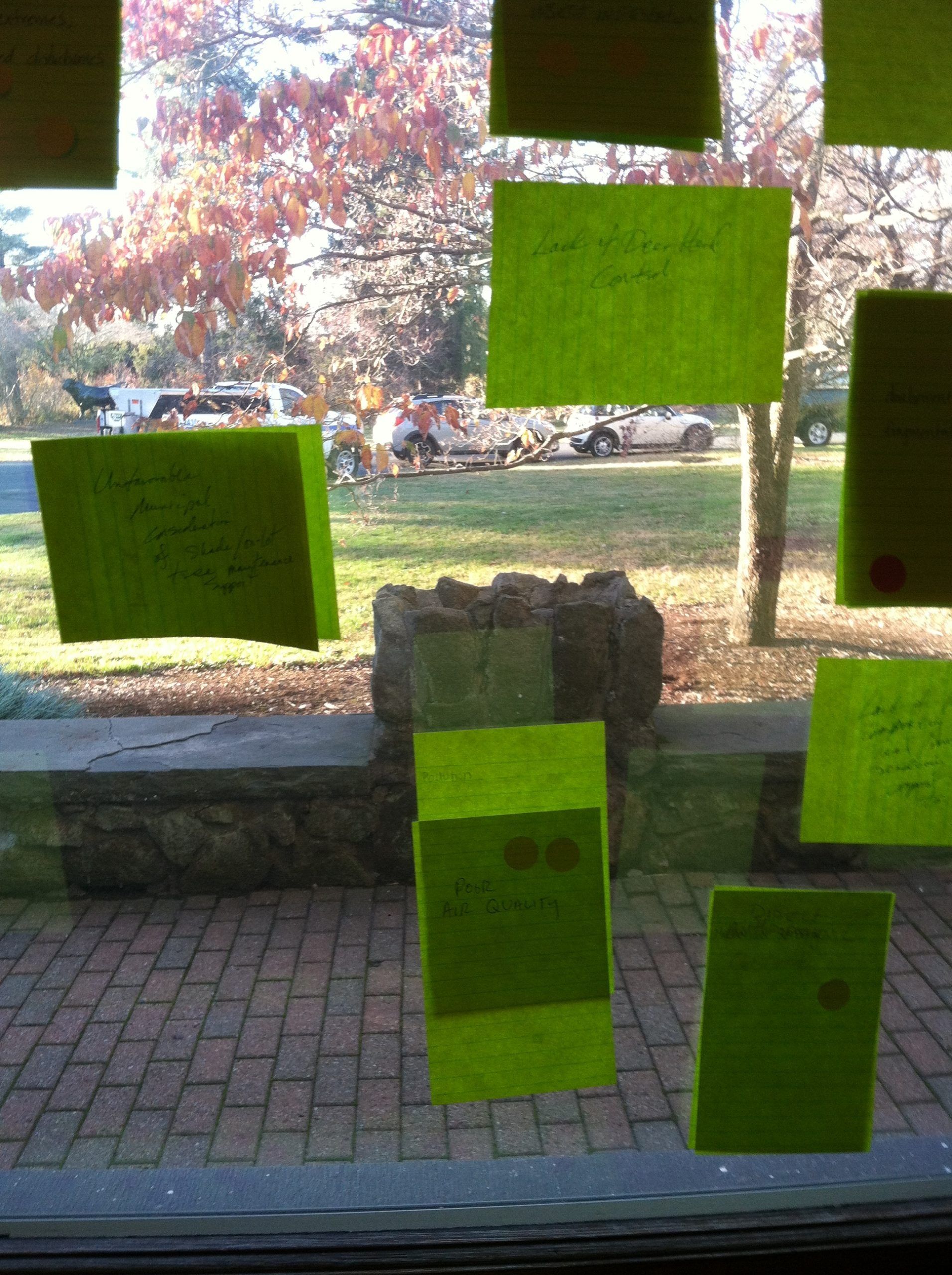
Zander joined me in NJ to co-facilitate a workshop on Restoration and Resilience in New Jersey’s forests. This was the first of many times I would use sticky notes and dots to facilitate strategic thinking.

2014

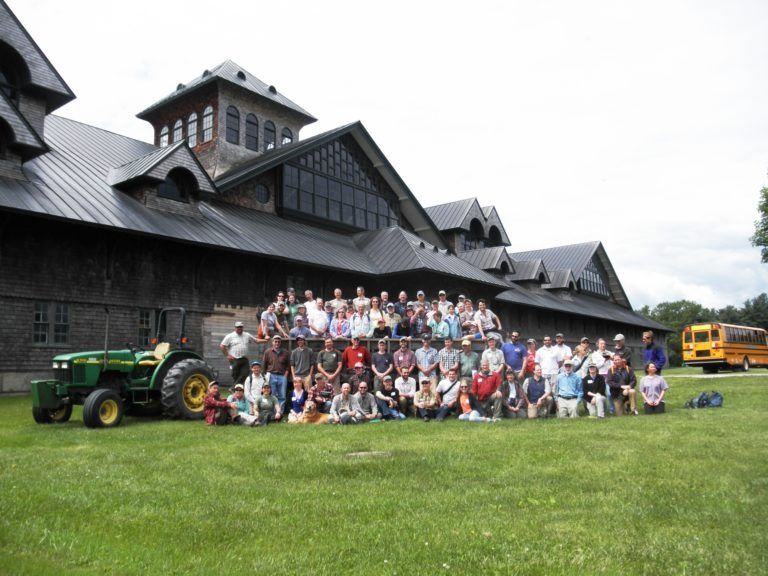
The National Meeting in Burlington, VT was epic! So many awesome people volunteered their time and participated in this monumental event that spring boarded the Guild into forest climate adaptation work.

Group photo at the National Meeting in Burlington, VT in 2014

2015

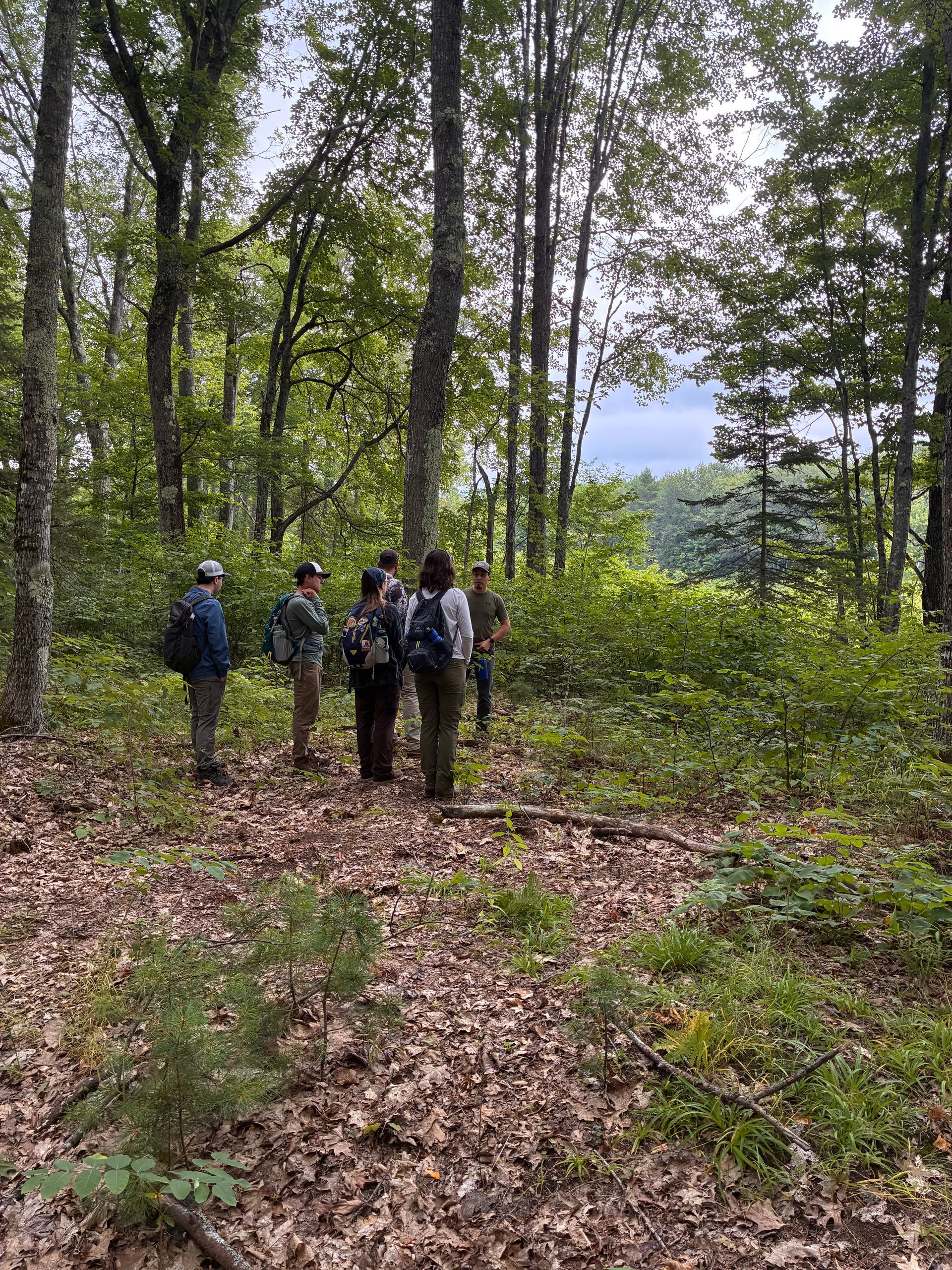
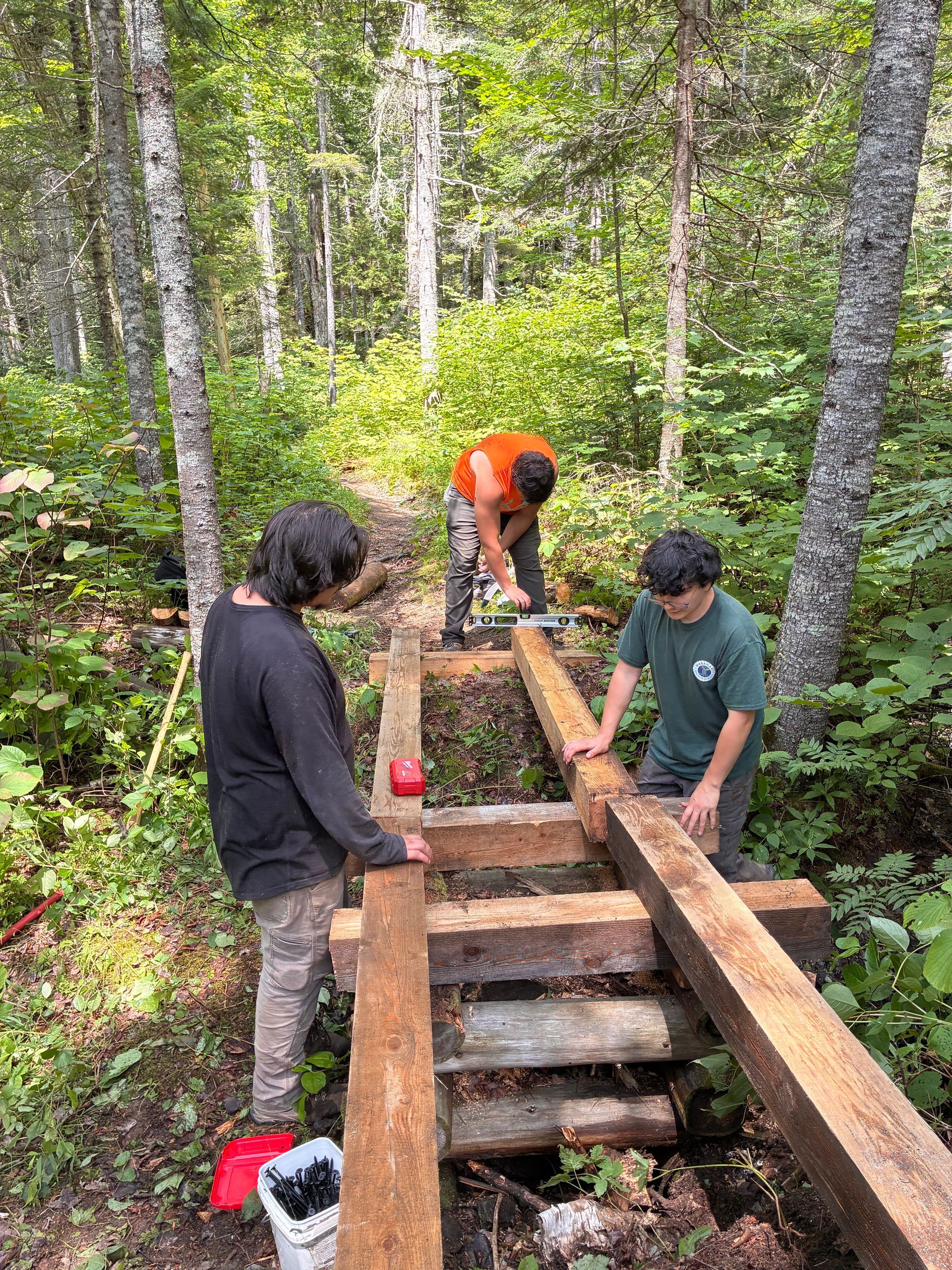
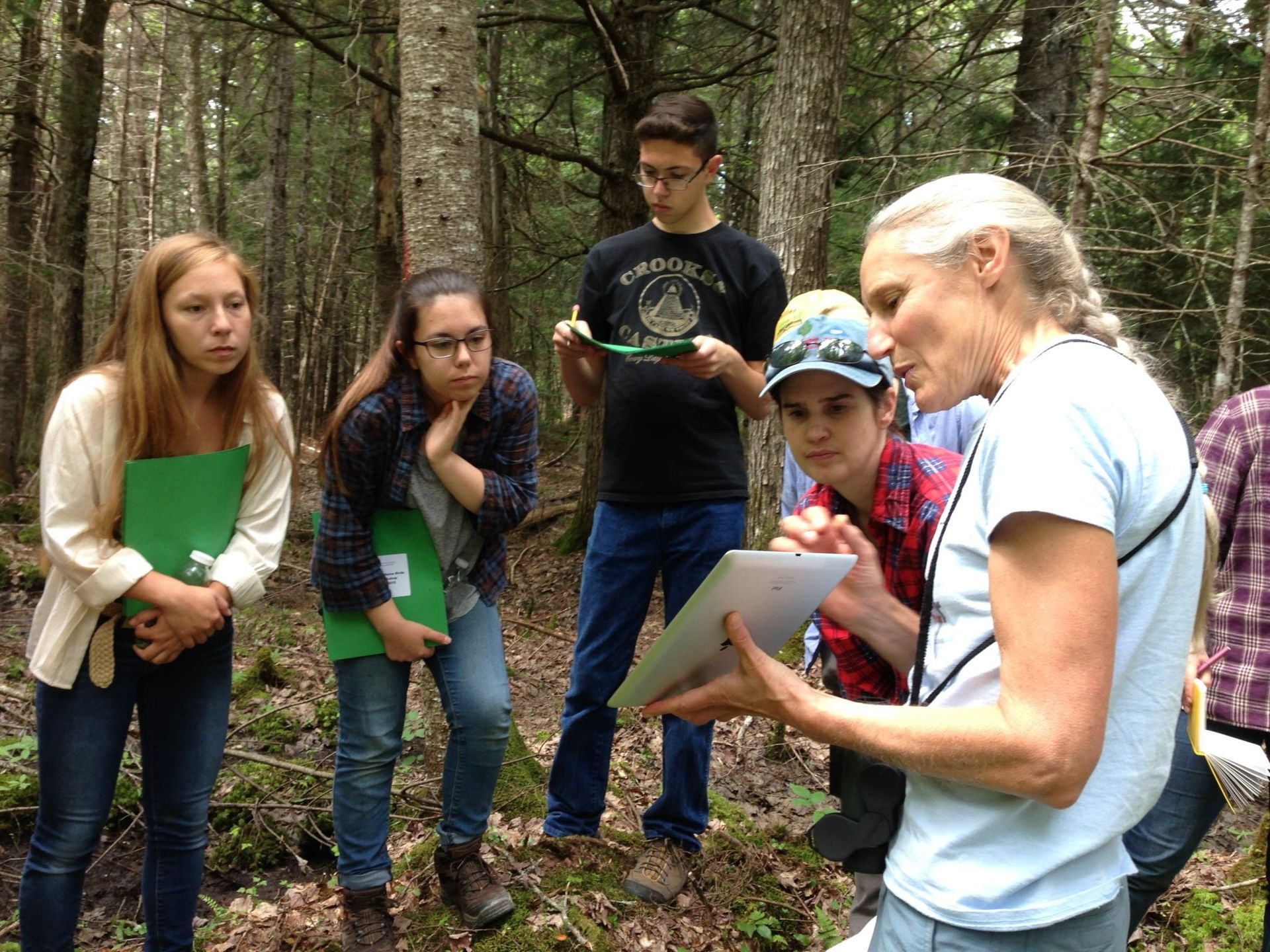
Building on the work of Guild members in Vermont, Sally Stockwell and I teamed up for countless Forestry for Maine Birds workshops, which helped spread this program to new states. This photo captured a field day with the Wabanaki Youth in Science program.

2016

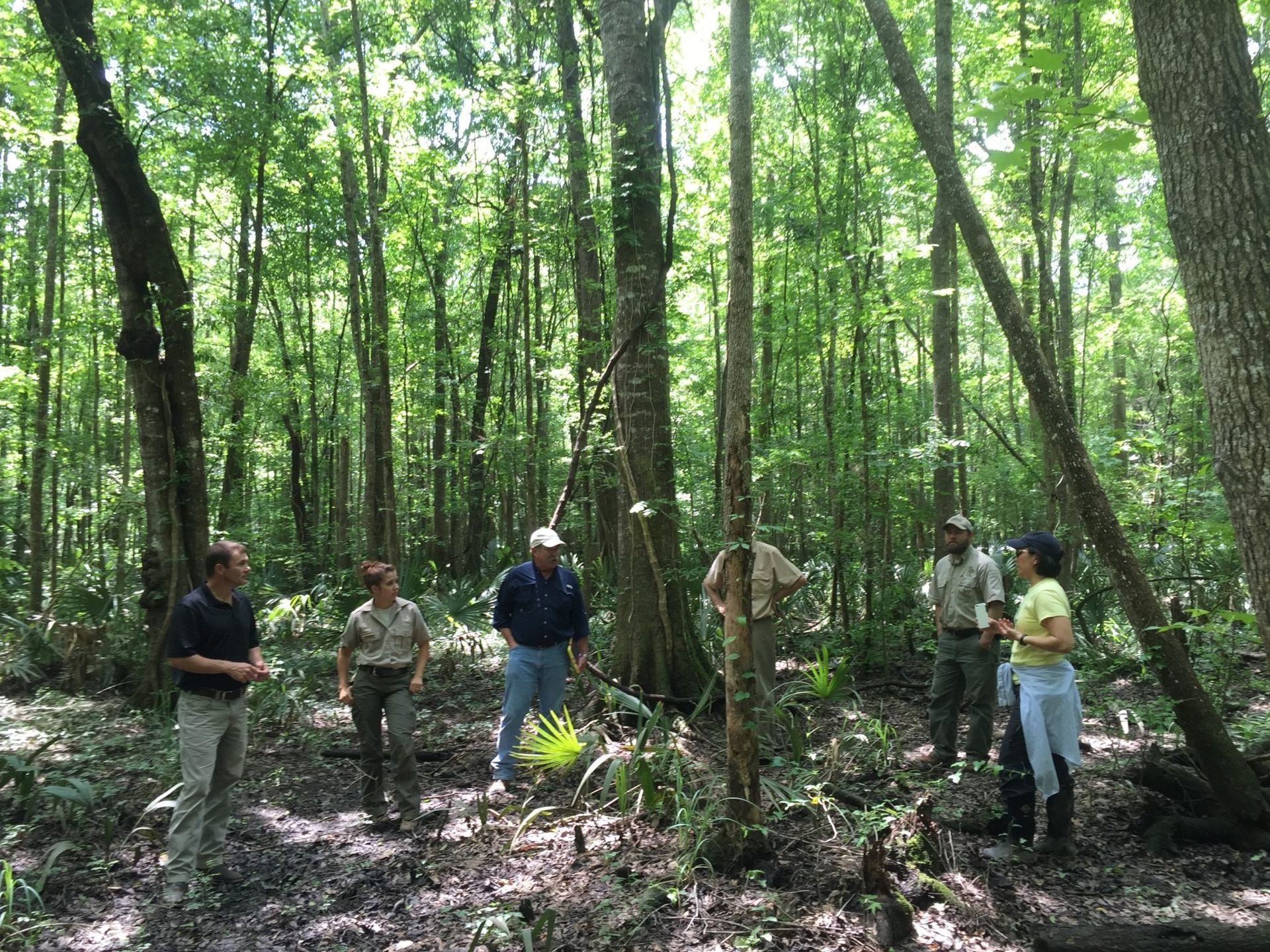
I became involved in the Guild’s work in ecological forestry in bottomland hardwood forests of the southeastern U.S. This work led to the expansion of the Guild’s programs in the Southeast region.

A field tour as part of ecological forestry in bottomland hardwood forests work of the southeastern U.S

2017

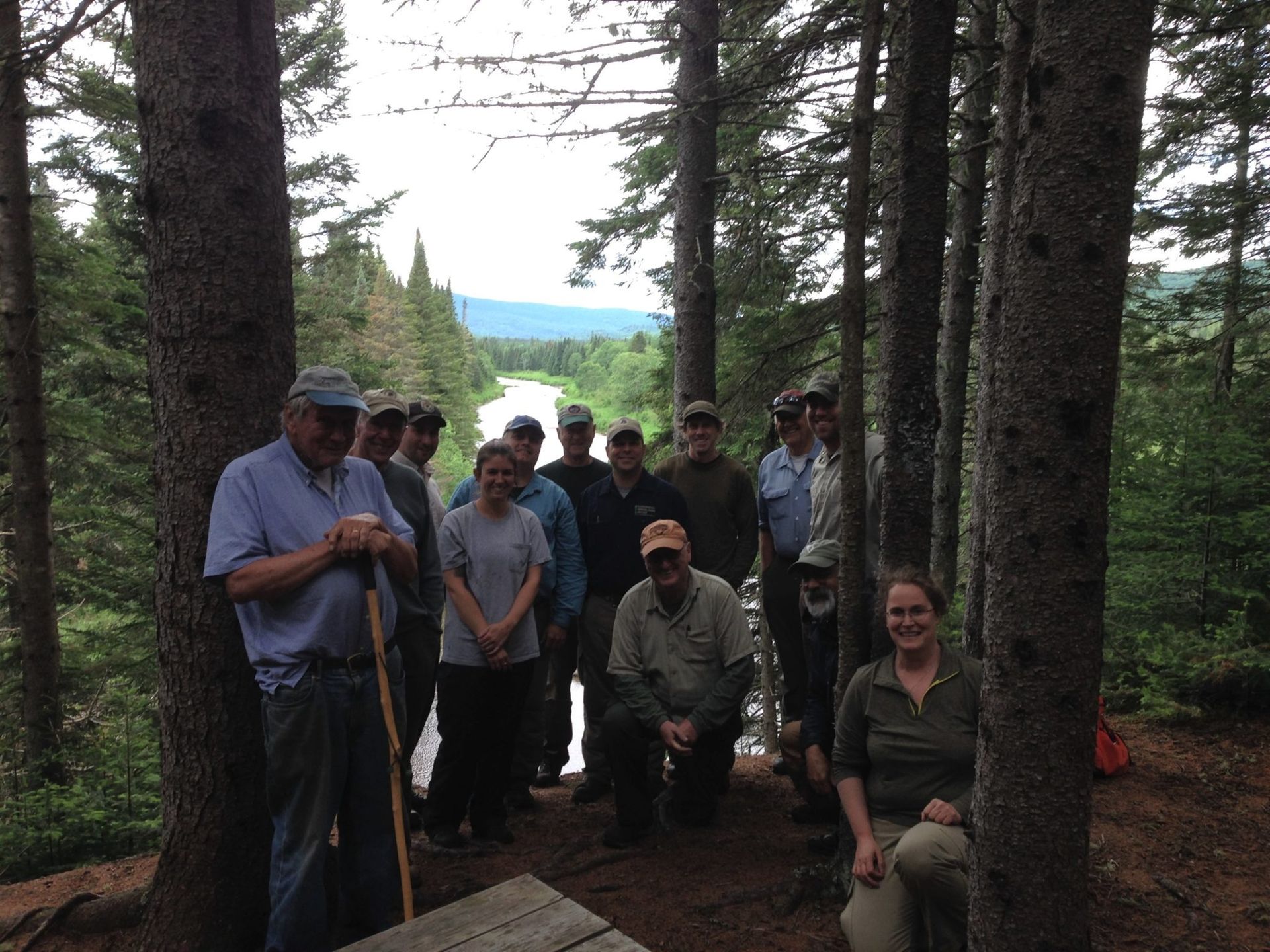
A Guild Gathering in northern New Hampshire brought together some giants in forest wisdom. Every Guild Gathering reminds me of the lessons taught by our mentors in the forestry profession.

A group of high-profile attendees of a 2017 Guild Gathering in NH

2018

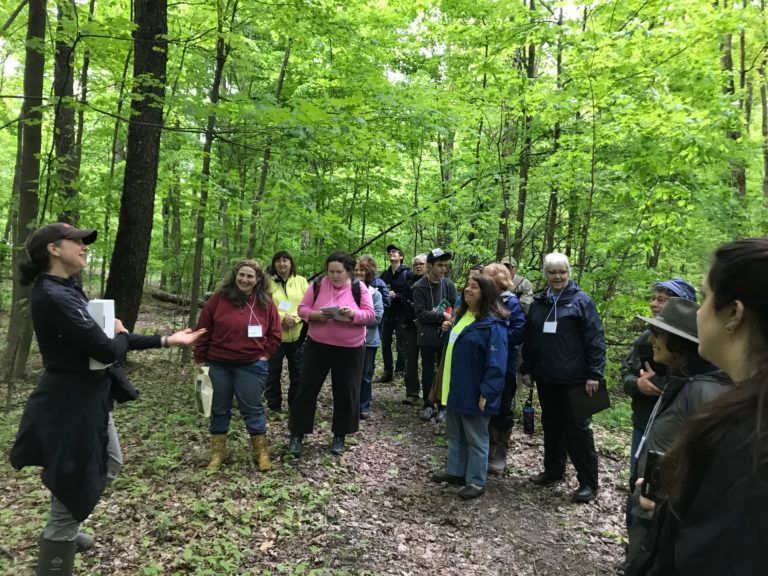
A women-focused woods walk at a Foundation for Sustainable Forests field tour in western Pennsylvania drove home the value of creating space for women landowners to ask questions and learn from one another.

A group of women at a women-focused woods walk at a Foundation for Sustainable Forests field tour in western Pennsylvania

2019

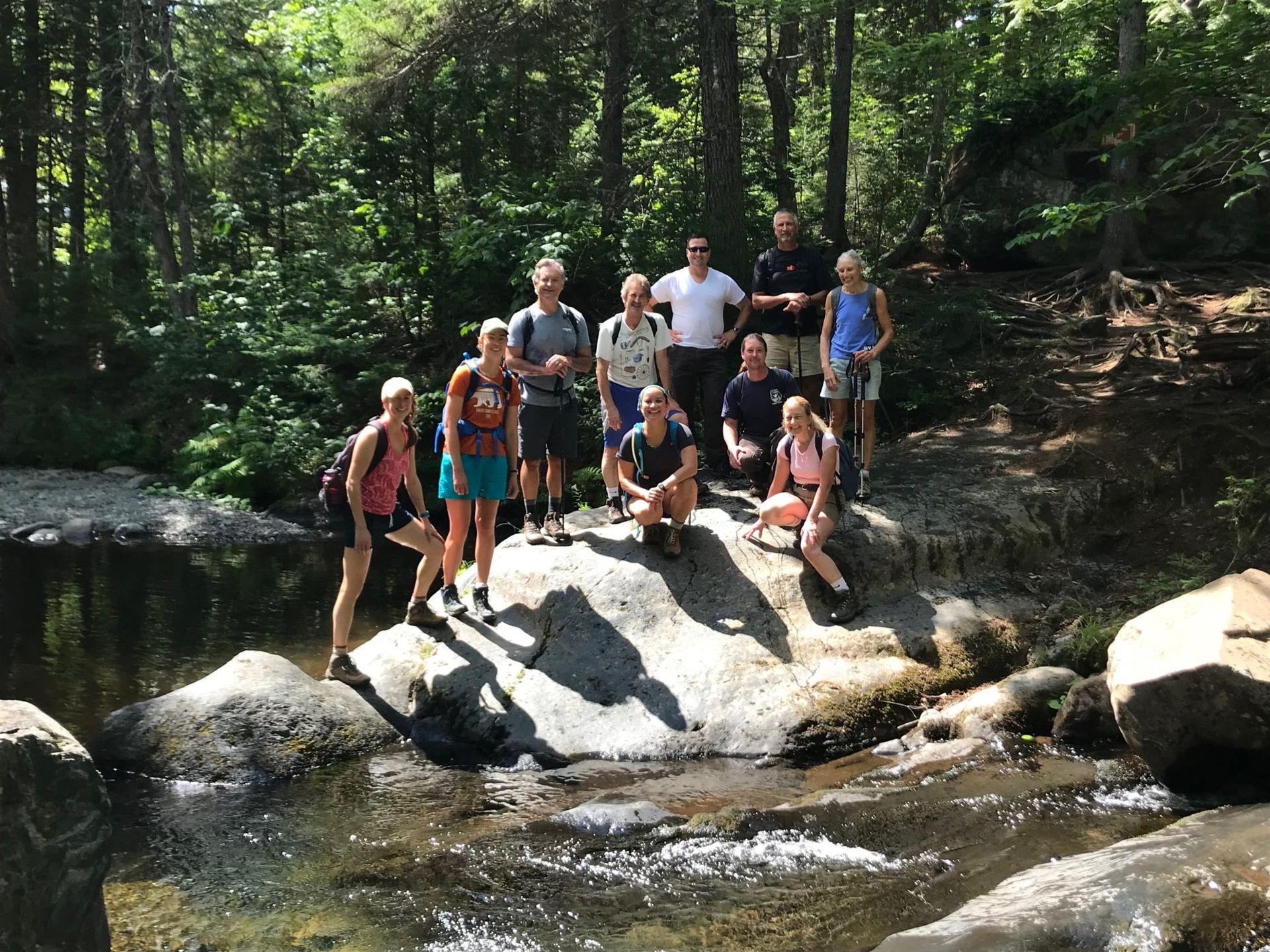
Guild Gatherings that summer at Stone Fence Farm in New Hampshire, Appalachian Mountain Club lands in Maine, and ash silviculture sites in Vermont highlighted the joy of Guild membership.

10 people gather on a large rock in the stream for a group photo during a Guild Gathering in the NE U.S. in 2019

2020

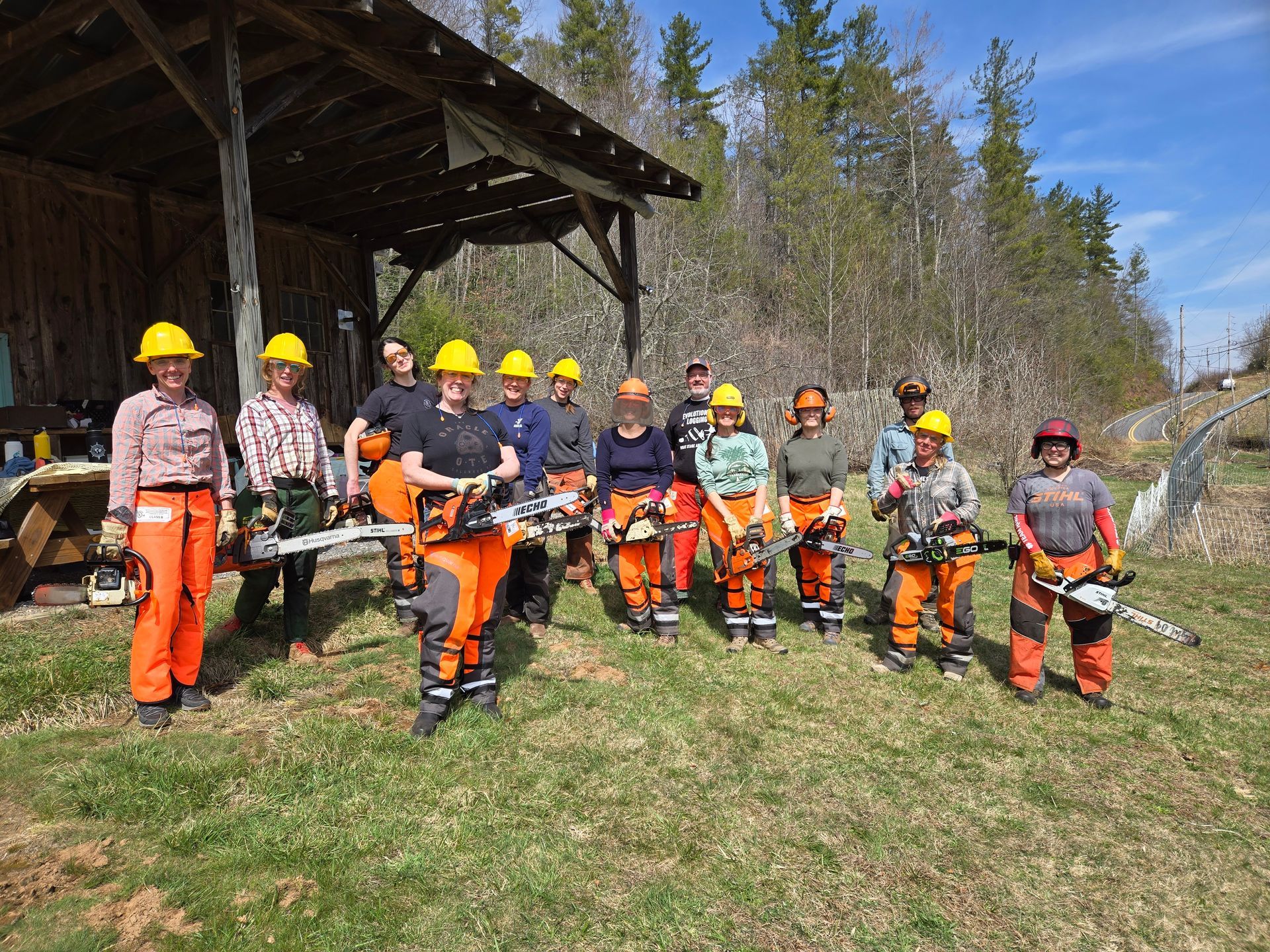
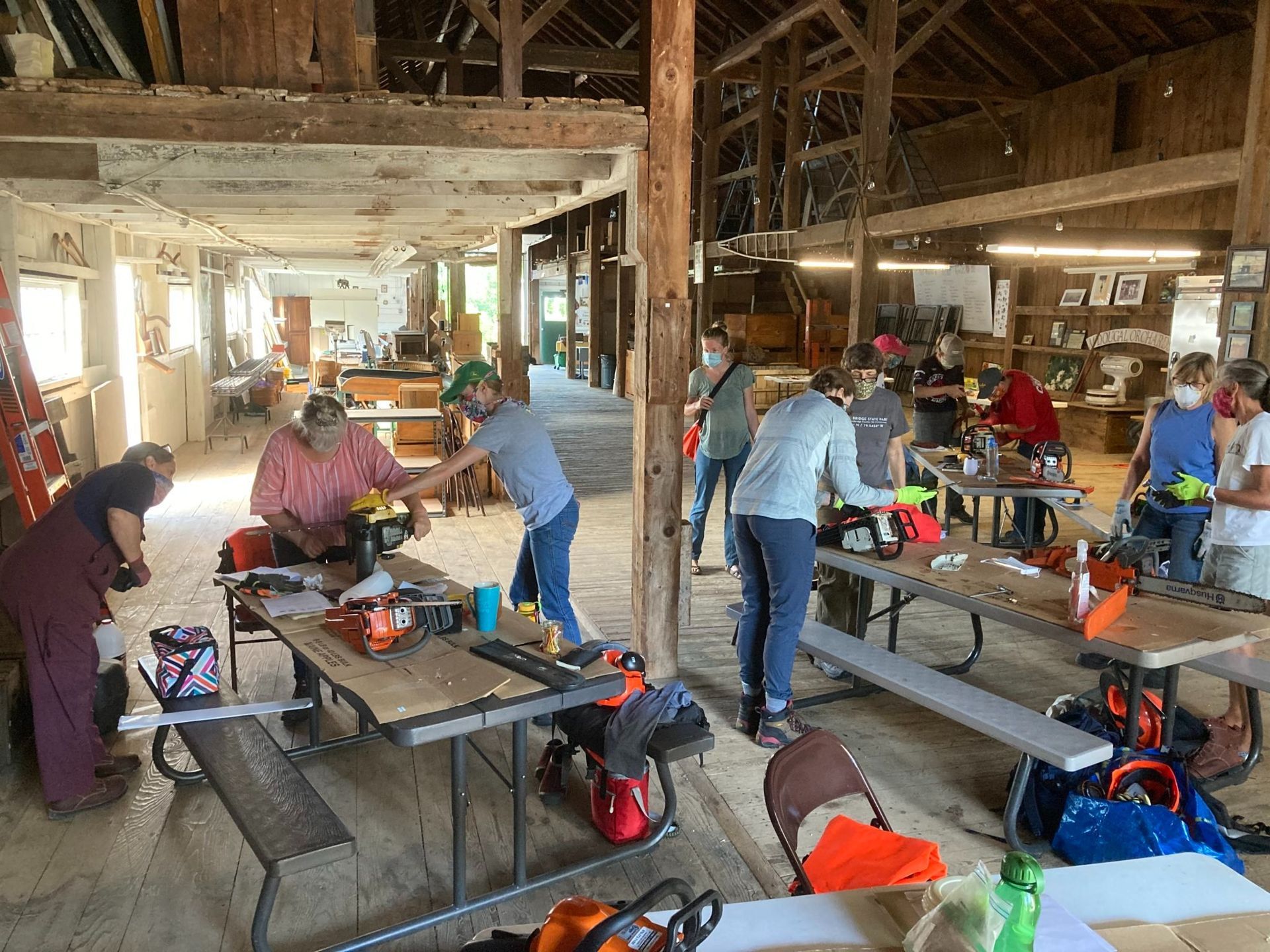
We overcame pandemic challenges to meet the demand for women’s chainsaw safety workshops after months of social isolation. I’ve had the privilege of facilitating several such workshop alongside Guild member tish carr, all with a goal of empowering women landowners.

Several women gather for a chainsaw safety training...one of the first safely conducted during the pandemic.

2021

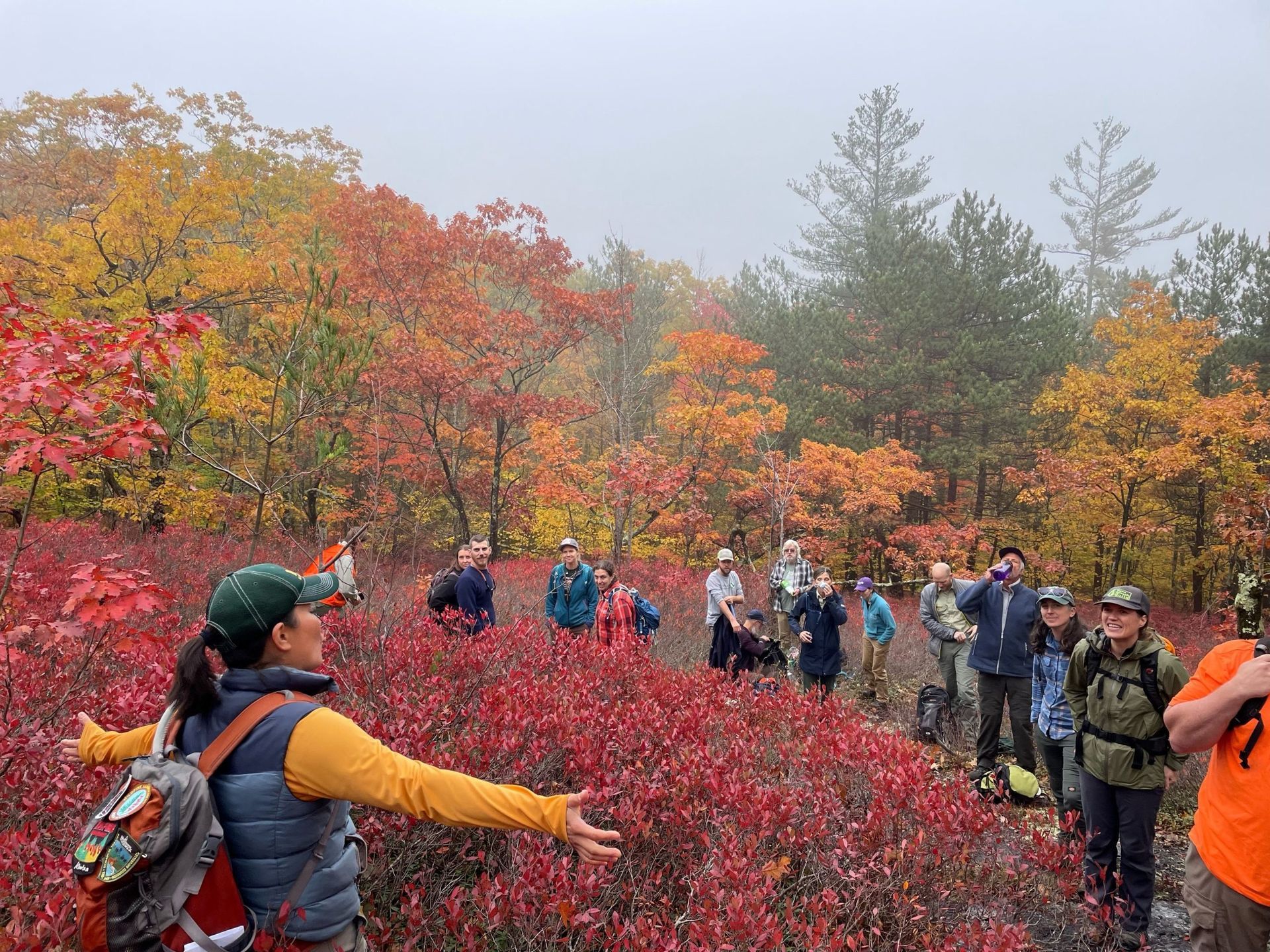
A field trip on oak resiliency, part of a multi-year project across southern New England, brought me back to the Quabbin Reservoir, where Guild member Bruce Spencer first taught me how to mark trees.

2022

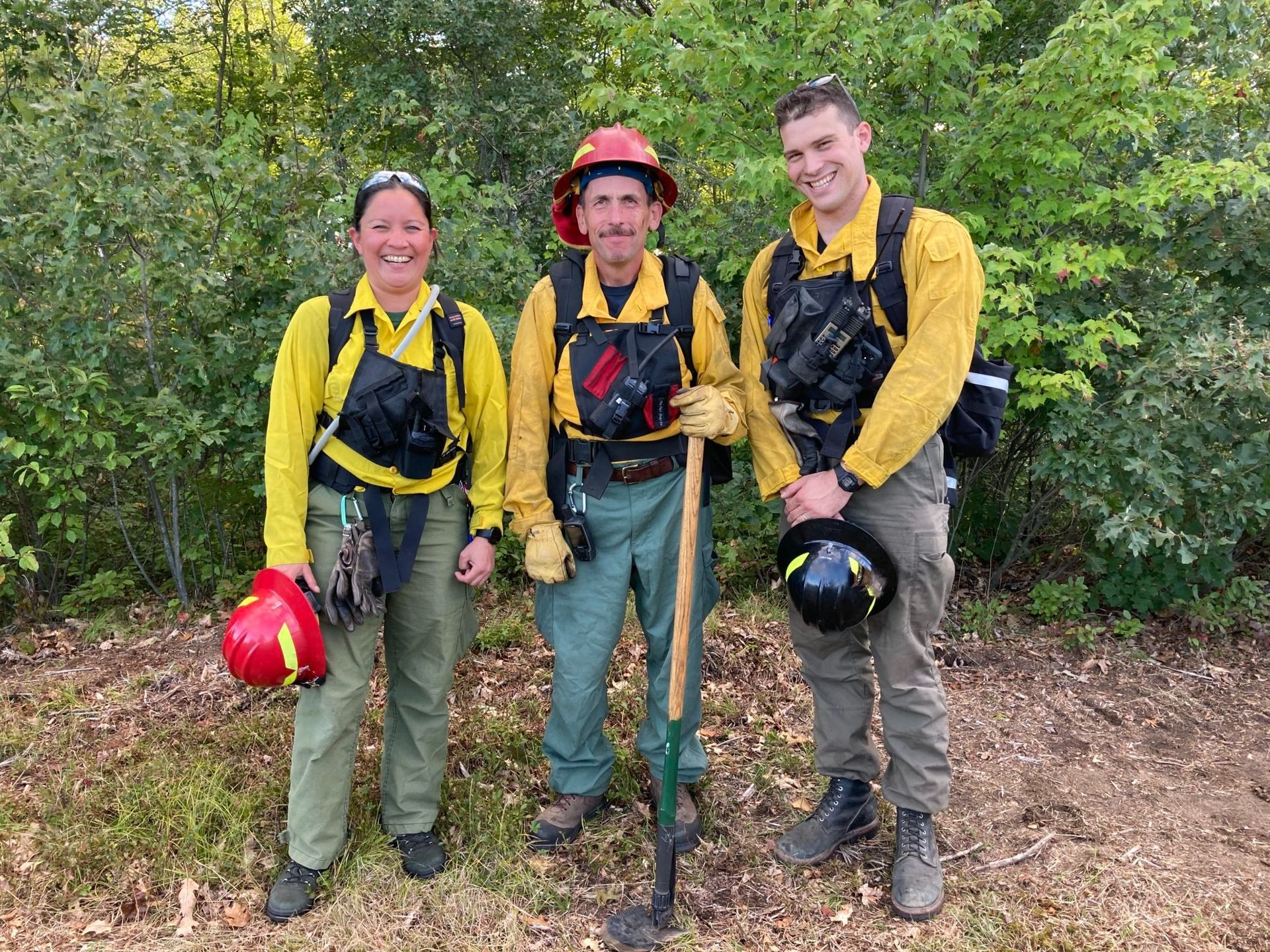
The prescribed fire training exchange (ME-TREX) brought fire practitioners from across the country to Maine for two weeks of learning and burning together. This event also reunited me with my squad mates from my wildfire assignment in Quebec.

Three people from the Maine TREX event in 2022

2023

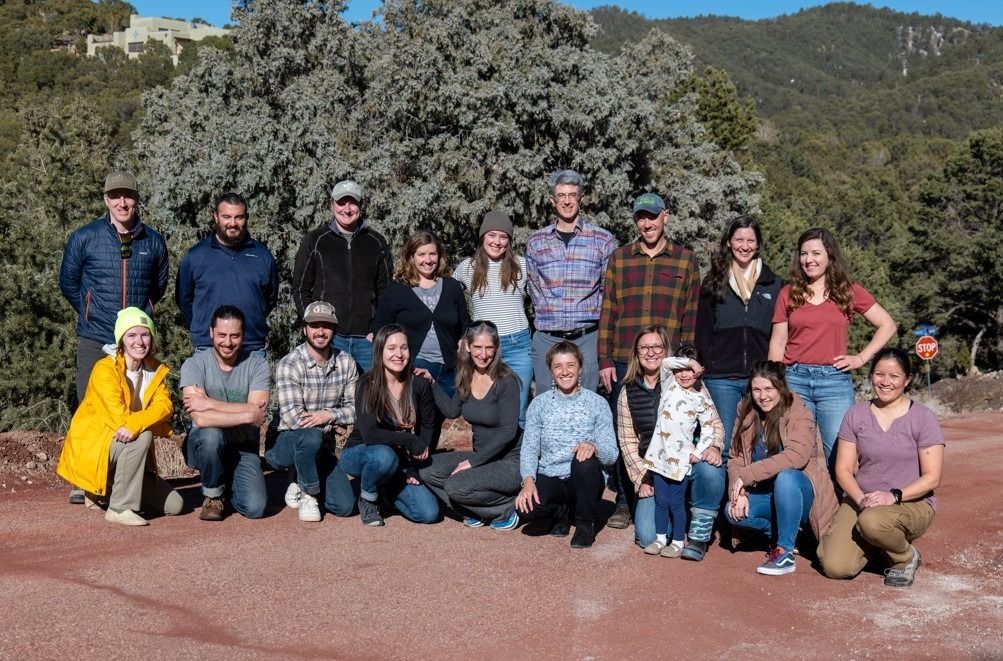
The Guild staff retreat in Santa Fe, New Mexico reminded me how very special our team is. I was privileged to represent the Guild at several fire-related gatherings out West that year, built on our decades of work in the Southwest.

A group photo of staff attending the Guild staff retreat in Santa Fe, NM in 2023

2024

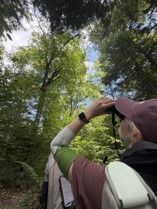
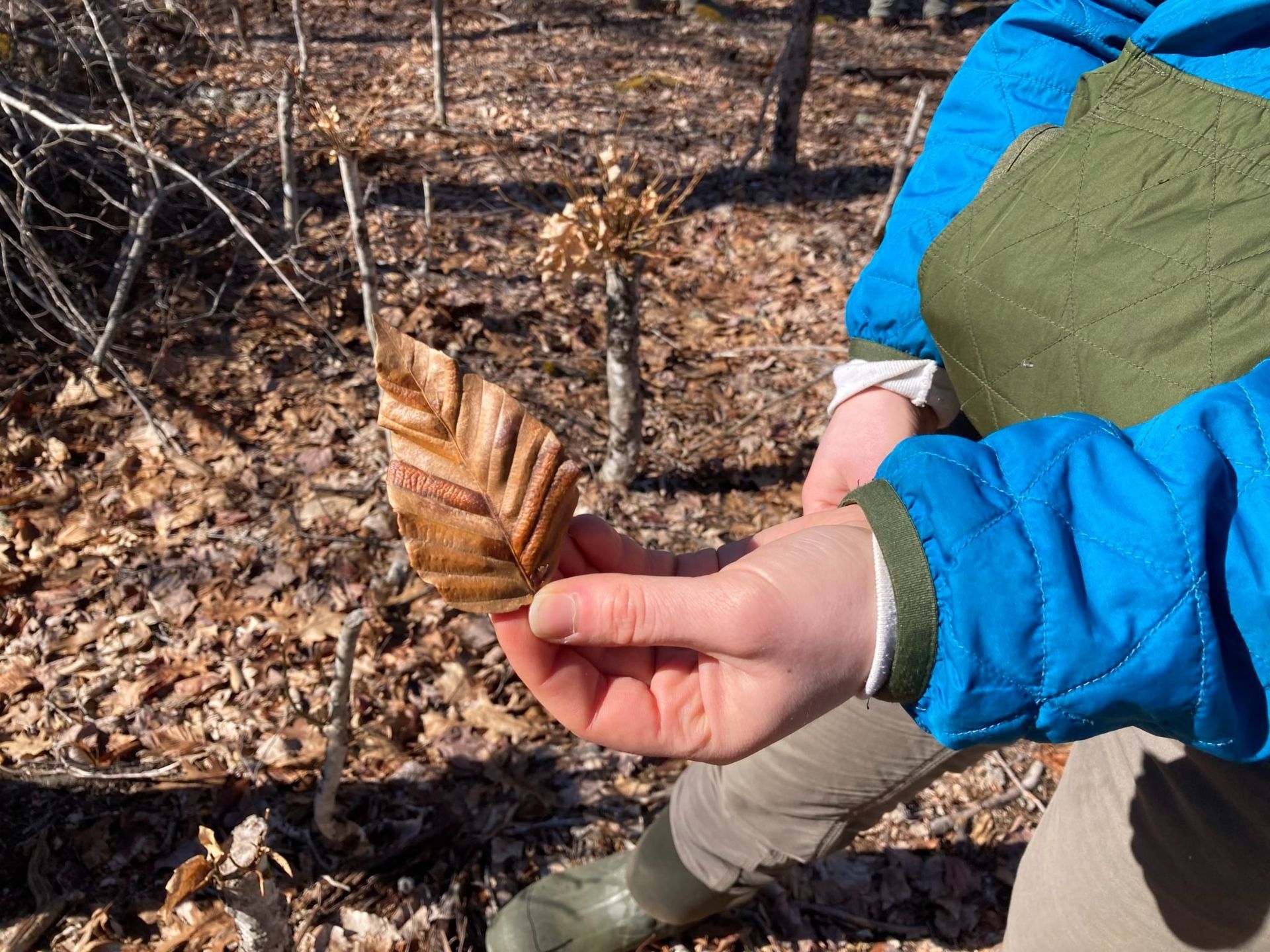
A recent FCCI field tour addressed beech management under pressure from both beech bark and beech leaf disease. As one speaker said, “Everyone has an opinion about beech.” The Guild helped create the space through this series for practitioners to share learning and adapt our management under the changing climate.

A person holds a diseased leaf during a field tour in the NE in 2024 about Beech Bark and Beech Leaf Diseases.

Where do you see the Guild going in the years ahead?

I believe we will see the Guild continue to embrace a diversity of perspectives such as those in Seeing the Forest for the Queers, ongoing collaborations that elevate Indigenous perspectives, and conversations yet to be imagined that open our minds to new ways of looking at the forest and our relationship with it. The Guild will also expand our work with youth and young professionals in forest stewardship. I also believe that fire will be increasingly recognized as a natural force and as a management tool. There is much good work to be done in this realm, and the Guild is well-positioned to do it. 

Since our founding in 1995, the Forest Stewards Guild has managed to evolve to meet the needs of the changing forest landscape and the forest stewardship profession. While I can’t tell you where we’ll be 30 years from now, I bet the Guild will continue this trajectory. Wherever we go, Guild members and staff will support the integrity of forest ecosystems and the human communities that depend upon them. How that happens is up to the next cohort of forest stewards, in the Northeast and nationally. I have done my part to build up the team at the Guild and support the growth and evolution of our membership. I look forward to seeing where tomorrow’s leaders will take us!

Editor’s note: Amanda leaves us with this lovely, brief video gift. I think she captures it well, how our contributions in the Guild lead invariably to contributions to the meaning and richness of our own lives. Thanks for all you do, Amanda! We will miss you on staff!

Recent Posts

By Aidan Juhl April 16, 2026
Written by Colleen Robinson
April 14, 2026
Written by Shannon Maes
April 14, 2026
In September 2025, the Guild launched a three-person Forest Stewards Apprenticeship (FSA) crew to work with the Penobscot Nation’s Department of Natural Resources (PN DNR). Over the course of their six-month season, apprentices Agenor Duhon, Gabe Stewart, and Jacob Baker shared a season of learning, collaboration, and hands-on stewardship of Penobscot Tribal lands.
April 14, 2026
This week, I stepped into the role of crew leader. We worked a full 40-hour week, splitting our time between Clifton Farms and a prescribed burn operation. On the first day in the field, we completed hack-and-squirt treatments on trees that had been marked the previous week. For the remainder of the week, we focused on marking trees for future hack-and-squirt work, maintaining a steady pace and ensuring accuracy in our selections.
April 7, 2026
As Guild members, our practice is fundamentally grounded in field observation. We know intuitively that forests are dynamic, living communities. Yet, for decades, the high-level systems used to value our work, specifically the carbon accounting ledgers tied to international frameworks like the Paris Agreement, have treated forests as static, quantifiable blocks of land. In a recent commentary published in One Earth, I argue that these legacy measurement, reporting, and verification (MRV) frameworks are failing. Ledger accounting relies on crude land-use delineations and outdated technology, effectively penalizing the natural, seasonal flux of the ecosystems we manage every day. By forcing landscapes into rigid “forest” versus “non-forest” binaries, such legacy systems miss the complex reality on the ground. But a major shift is underway.
March 18, 2026
Women have always been a part of forestry. Historically, women often helped guide family decisions about when to cut, which trees to save, and how best to steward their land for the next generation. Historical accounts from the Southern Appalachians describe women’s roles in decisions about timber harvesting and prioritizing long-term forest health. These often-uncredited contributions are even reflected in Aldo Leopold’s A Sand County Almanac (1949), in which describes his stewardship philosophy informed not only by his professional experience, but by shared responsibility, where the perspectives of his wife and daughters played an important role.
March 18, 2026
Although rural regions often host the highest concentrations of public and private forest land, they typically lack the sustainable workforce necessary for active management and stewardship. How do we address this foundational problem in forest conservation?
March 18, 2026
The Forest Stewards Guild has a unique dual mandate: practice and promote forest stewardship. Personally, I think the combination of practicing forest management and promoting best practices is what makes the Guild a vibrant and impactful organization.
February 17, 2026
We celebrate the remarkable career and legacy of Leslie (Les) Benedict, who has provided visionary leadership and dedicated service to the stewardship of forests, championing the preservation of the ecological and culturally important black ash. Benedict, a member of the Saint Regis Mohawk Tribe in Akwesasne, north of the Adirondacks in upstate New York, recently retired after serving as the Assistant Director of the Tribe’s Environment Division for over 35 years.
February 17, 2026
The Forest Stewards Guild has been working to support the National Park Service on forest stewardship projects throughout the eastern U.S. This month we are in the midst of a project to protect mounds at Effigy Mounds National Monument near Harpers Ferry Iowa. This site was designated as a National Monument in 1949 and preserves over 200 mounds built between 800 and 2,500 years ago. Mounds at this site include conical, linear, compound, and effigy mounds – constructed in the shape of animals. Please see the National Park Service page for more information about the mounds, the people who built them, and how to visit the site. The lidar images on that website of the Marching Bears and other mound groups are fascinating.
Show More