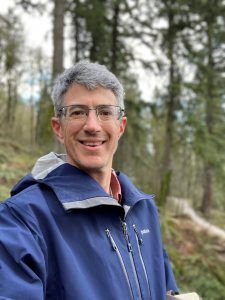
The Guild welcomes Megan Rangel-Lynch on staff

March 14, 2025

Written by Megan Rangel-Lynch 

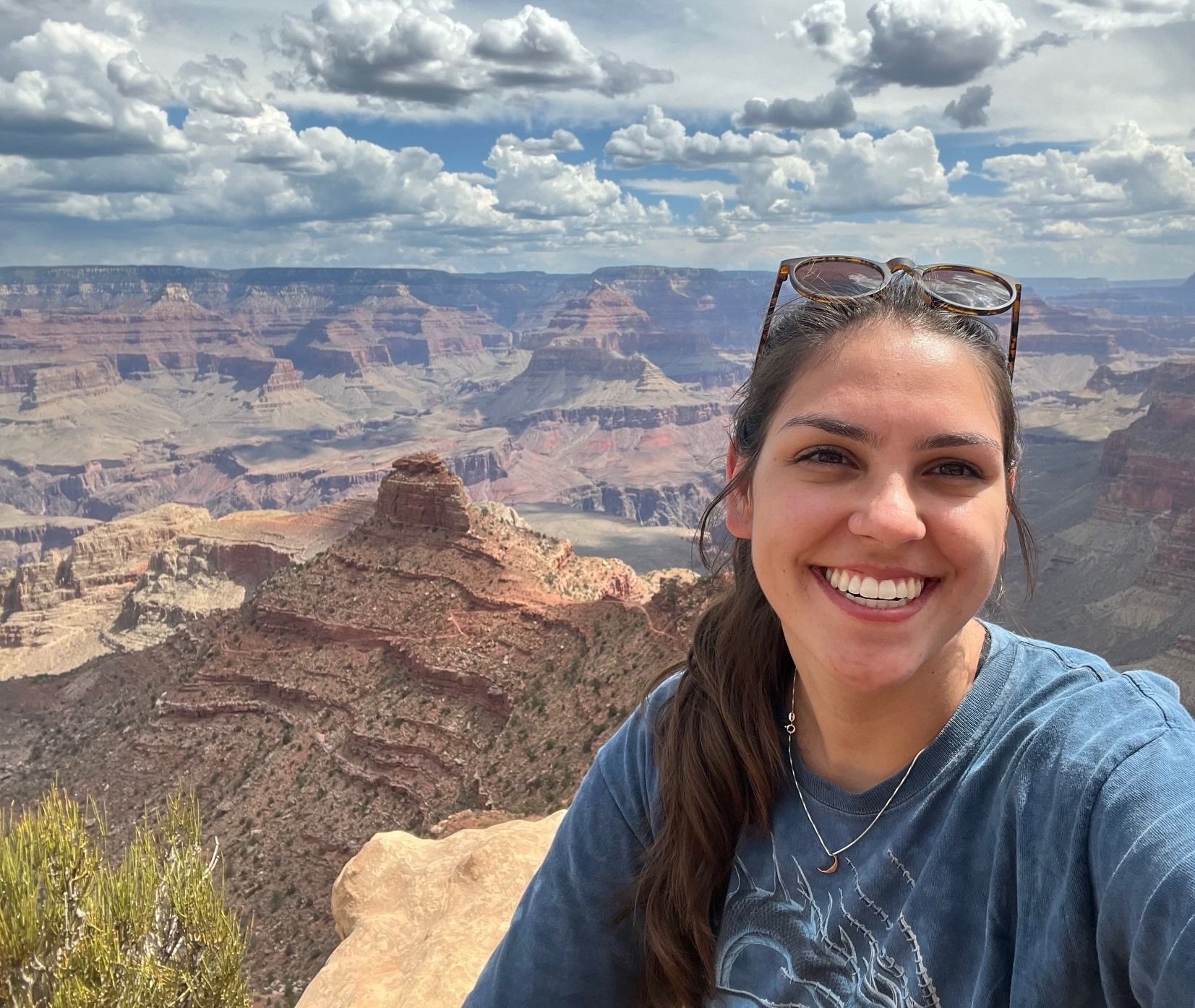
Megan Rangel-Lynch joined the Guild in March 2024 as the Fire Adapted New Mexico Learning Network (FACNM) Project Coordinator. In this role, she is committed to fostering meaningful connections and facilitating the exchange of wildfire preparedness knowledge among experts, community leaders, and dedicated groups working across New Mexico. Beyond organizing gatherings and sharing resources among FACNM members, Megan will actively contribute to community and organizational land management projects and support workforce development opportunities. She is eager to strengthen relationships within the FACNM network and create spaces for sharing successes, addressing challenges, and advancing collective efforts toward building more wildfire-resilient communities. 

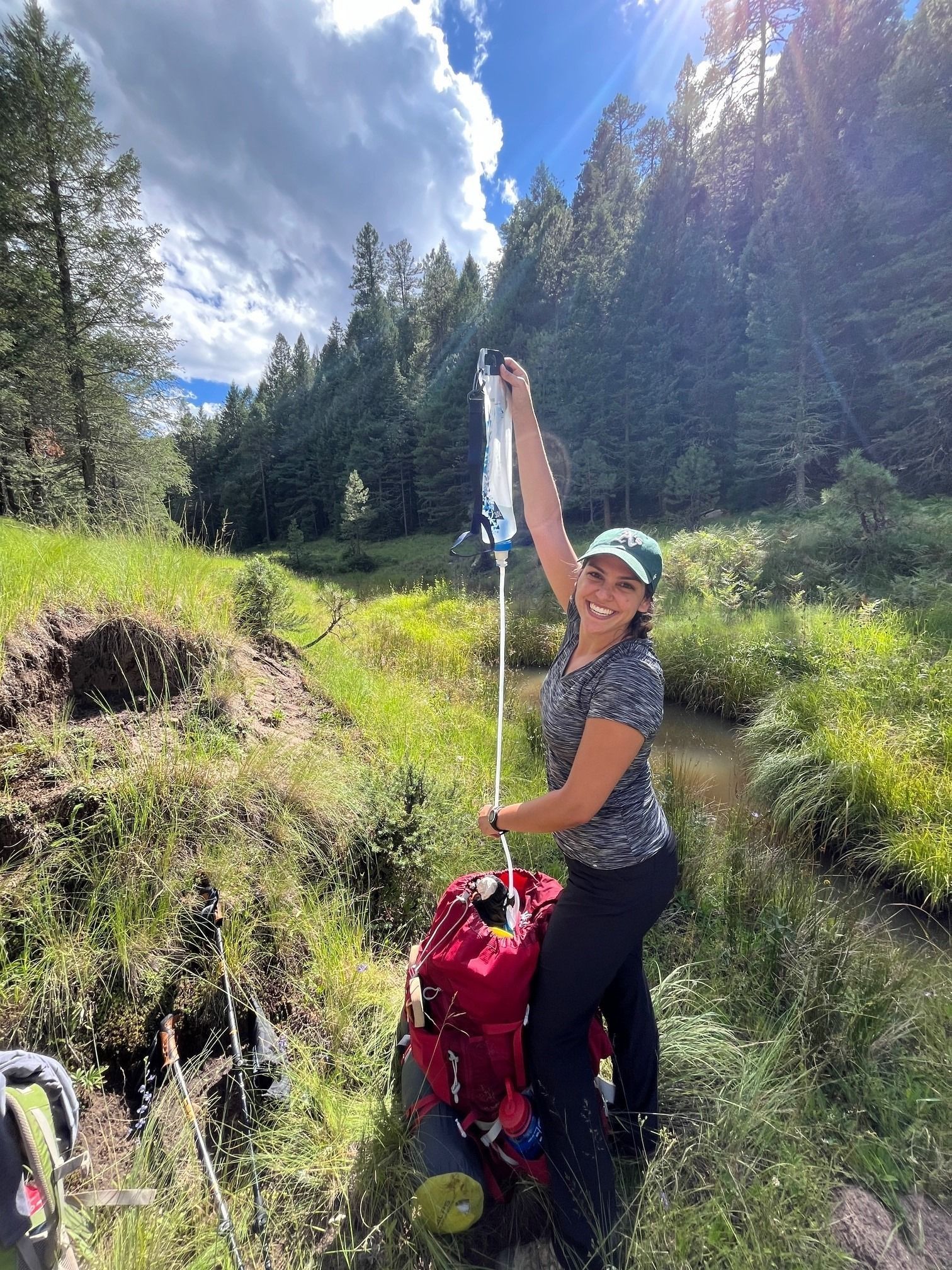
Photo of Megan backpacking

Megan’s passion for community-centered environmental initiatives was sparked during her undergraduate work in Environmental Studies at the University of Oregon, where she pursued opportunities at the intersection of communities, culture, and climate-driven impacts. Her experiences include researching the economic valuation of labor in climate-adaptation projects, conducting a field study across Belize to explore how land use and stewardship vary along cultural lines, and completing a thesis project focused on community engagement processes during the revision of forest management plans. 

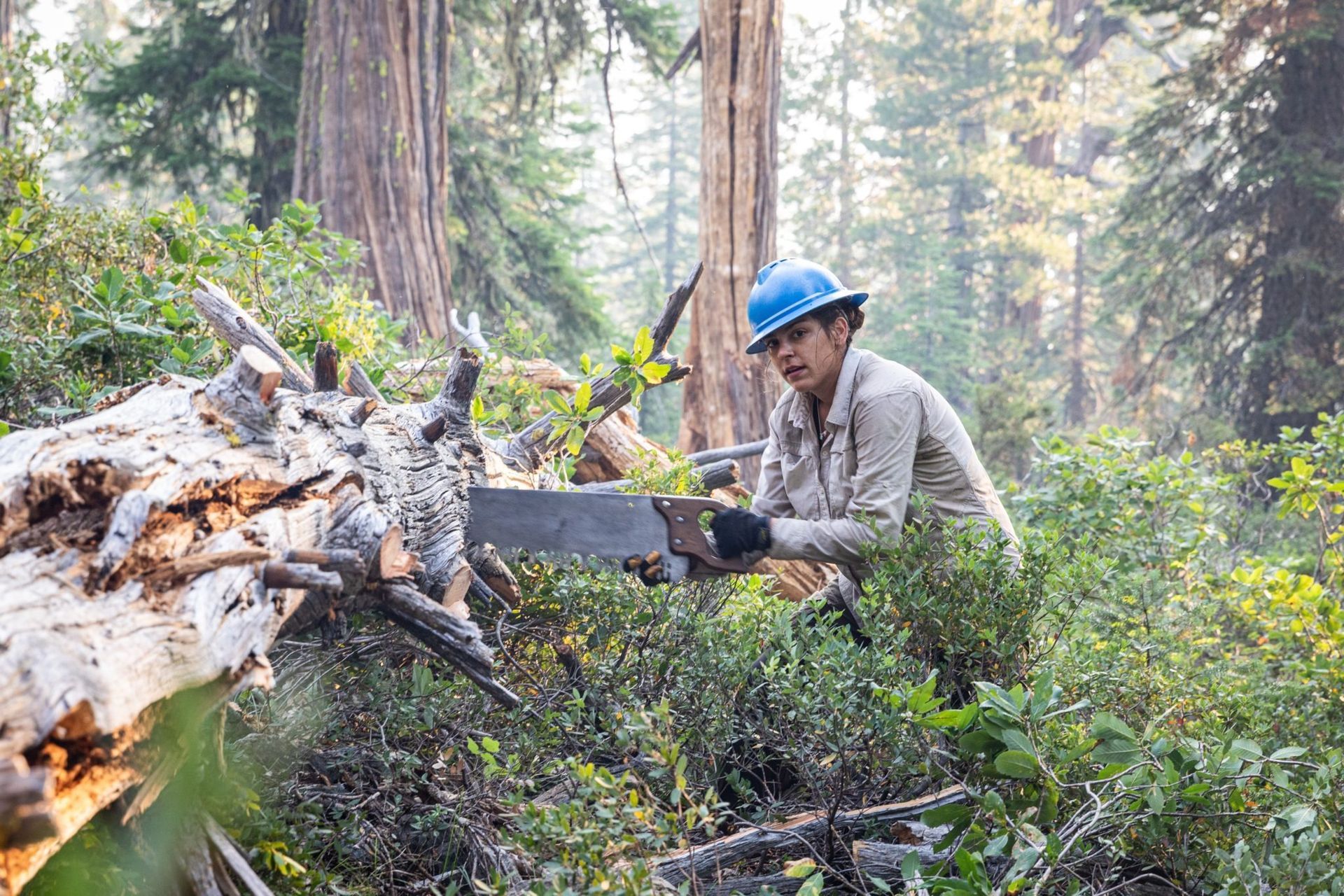
She has also contributed to various land stewardship initiatives, including a season spent restoring wilderness trails in Southwest Oregon and Northwestern California that were in poor shape, fire-damaged, or impassable. In Arizona, she collaborated with local leaders and communities to better understand perceptions of wildfire risk, develop resources to support wildfire preparedness, and contribute to a broader vision of community resilience to wildfire. These experiences deepened her commitment to relationship-building and developing resources and solutions that are place-based and culturally relevant. 

Outside of work, Megan enjoys spending quality time with friends and family, watching sports (especially cheering on the Ducks), and exploring new trails. Whether discovering a scenic hike or soaking in the energy of a game day crowd, she loves staying active, making the most of her time outdoors, and staying connected to the people and places she cares about. 

A note from Megan’s supervisor, Rachel Bean:  When wefirstmet Megan,she was workingforthe Arizona Wildfire Initiative alongside longtimeGuild partners at Northern Arizona University,andwewereimmediatelyimpressed with her skilled facilitation andability to build collaborativetrust andconsensus.Her recentexperienceparallelsthe goals andobjectivesof FACNM,soMegan came into thisjobwell-positioned for successand has divedinhead-first.In addition to her professional acumen, Megan is warm, personable, and always up for a challenge or learning something new, making her a joy to work with.We are so excited to have her as part of the Guild teamandanticipatethat she will bring thoughtful and community-oriented growth to the Fire AdaptedNM Network. 


Recent Posts

By Aidan Juhl April 16, 2026
Written by Colleen Robinson
April 14, 2026
Written by Shannon Maes
April 14, 2026
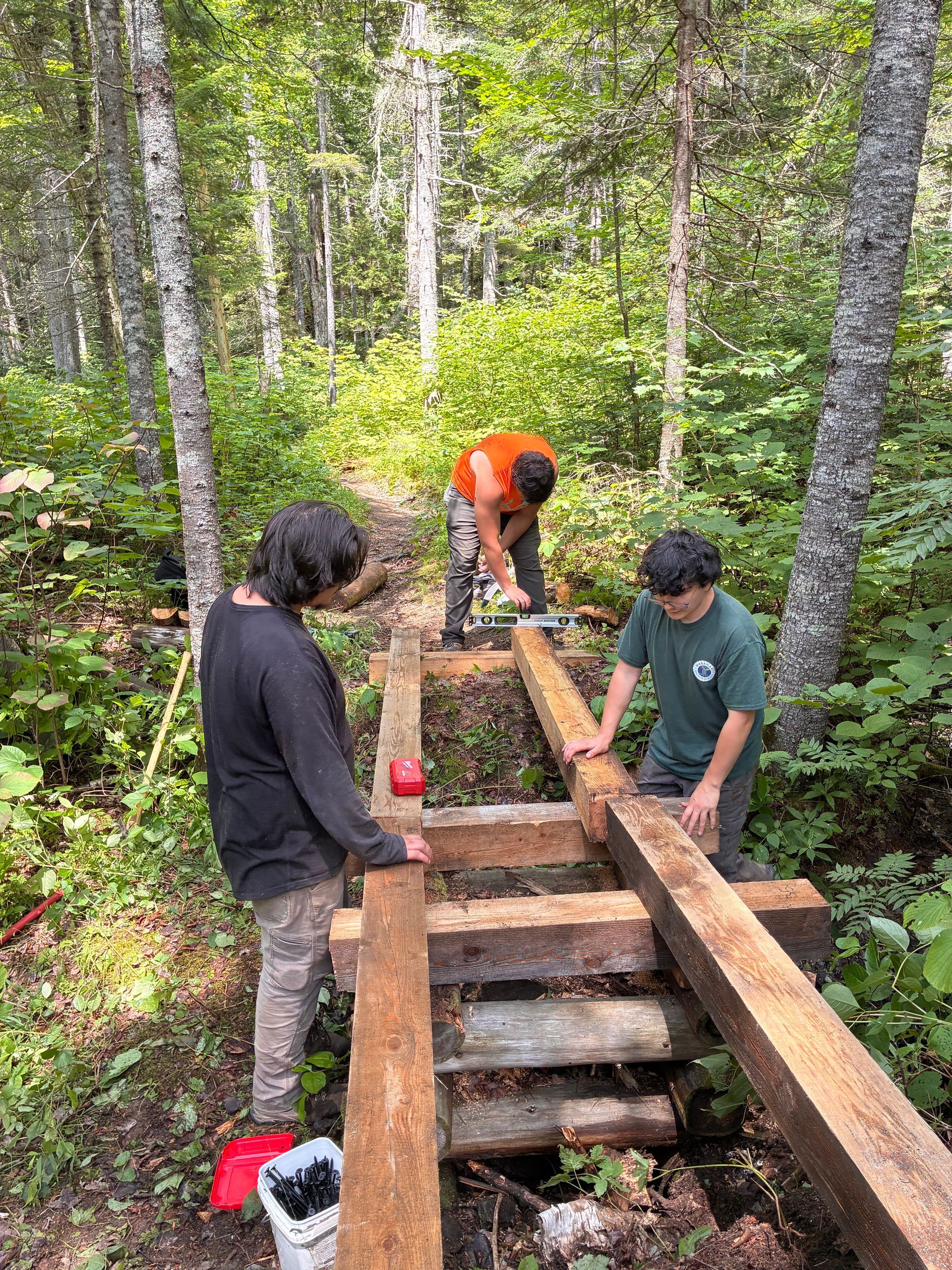
In September 2025, the Guild launched a three-person Forest Stewards Apprenticeship (FSA) crew to work with the Penobscot Nation’s Department of Natural Resources (PN DNR). Over the course of their six-month season, apprentices Agenor Duhon, Gabe Stewart, and Jacob Baker shared a season of learning, collaboration, and hands-on stewardship of Penobscot Tribal lands.
April 14, 2026
This week, I stepped into the role of crew leader. We worked a full 40-hour week, splitting our time between Clifton Farms and a prescribed burn operation. On the first day in the field, we completed hack-and-squirt treatments on trees that had been marked the previous week. For the remainder of the week, we focused on marking trees for future hack-and-squirt work, maintaining a steady pace and ensuring accuracy in our selections.
April 7, 2026
As Guild members, our practice is fundamentally grounded in field observation. We know intuitively that forests are dynamic, living communities. Yet, for decades, the high-level systems used to value our work, specifically the carbon accounting ledgers tied to international frameworks like the Paris Agreement, have treated forests as static, quantifiable blocks of land. In a recent commentary published in One Earth, I argue that these legacy measurement, reporting, and verification (MRV) frameworks are failing. Ledger accounting relies on crude land-use delineations and outdated technology, effectively penalizing the natural, seasonal flux of the ecosystems we manage every day. By forcing landscapes into rigid “forest” versus “non-forest” binaries, such legacy systems miss the complex reality on the ground. But a major shift is underway.
March 18, 2026
Women have always been a part of forestry. Historically, women often helped guide family decisions about when to cut, which trees to save, and how best to steward their land for the next generation. Historical accounts from the Southern Appalachians describe women’s roles in decisions about timber harvesting and prioritizing long-term forest health. These often-uncredited contributions are even reflected in Aldo Leopold’s A Sand County Almanac (1949), in which describes his stewardship philosophy informed not only by his professional experience, but by shared responsibility, where the perspectives of his wife and daughters played an important role.
March 18, 2026
Although rural regions often host the highest concentrations of public and private forest land, they typically lack the sustainable workforce necessary for active management and stewardship. How do we address this foundational problem in forest conservation?
March 18, 2026
The Forest Stewards Guild has a unique dual mandate: practice and promote forest stewardship. Personally, I think the combination of practicing forest management and promoting best practices is what makes the Guild a vibrant and impactful organization.
February 17, 2026
We celebrate the remarkable career and legacy of Leslie (Les) Benedict, who has provided visionary leadership and dedicated service to the stewardship of forests, championing the preservation of the ecological and culturally important black ash. Benedict, a member of the Saint Regis Mohawk Tribe in Akwesasne, north of the Adirondacks in upstate New York, recently retired after serving as the Assistant Director of the Tribe’s Environment Division for over 35 years.
February 17, 2026
The Forest Stewards Guild has been working to support the National Park Service on forest stewardship projects throughout the eastern U.S. This month we are in the midst of a project to protect mounds at Effigy Mounds National Monument near Harpers Ferry Iowa. This site was designated as a National Monument in 1949 and preserves over 200 mounds built between 800 and 2,500 years ago. Mounds at this site include conical, linear, compound, and effigy mounds – constructed in the shape of animals. Please see the National Park Service page for more information about the mounds, the people who built them, and how to visit the site. The lidar images on that website of the Marching Bears and other mound groups are fascinating.
Show More