
Setting the Agenda for the Forest Sector
Written by Zander Evans
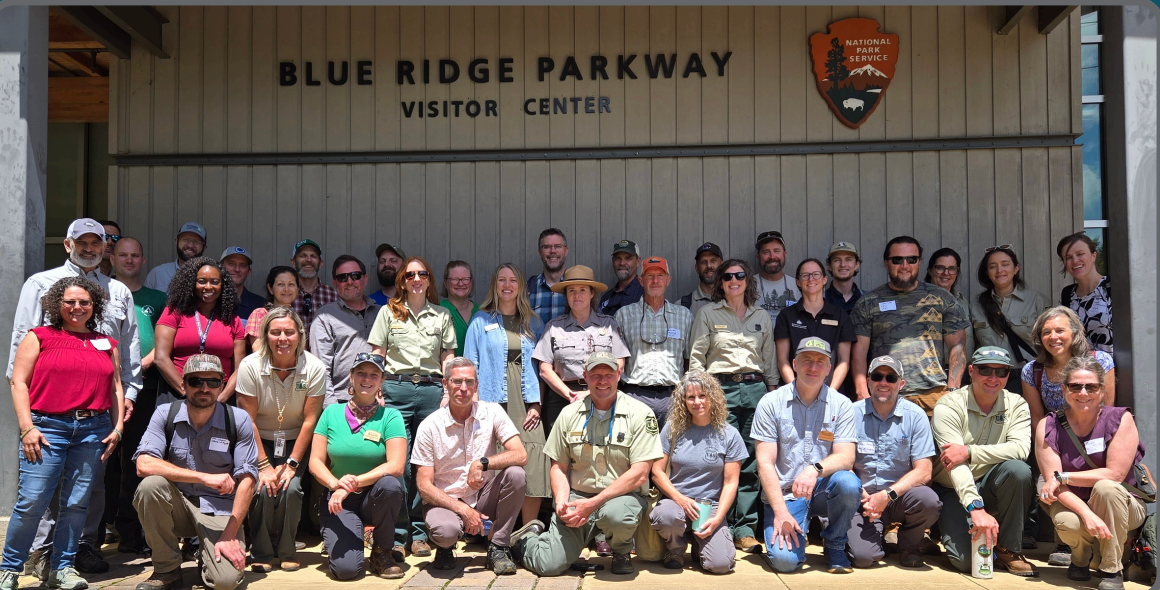
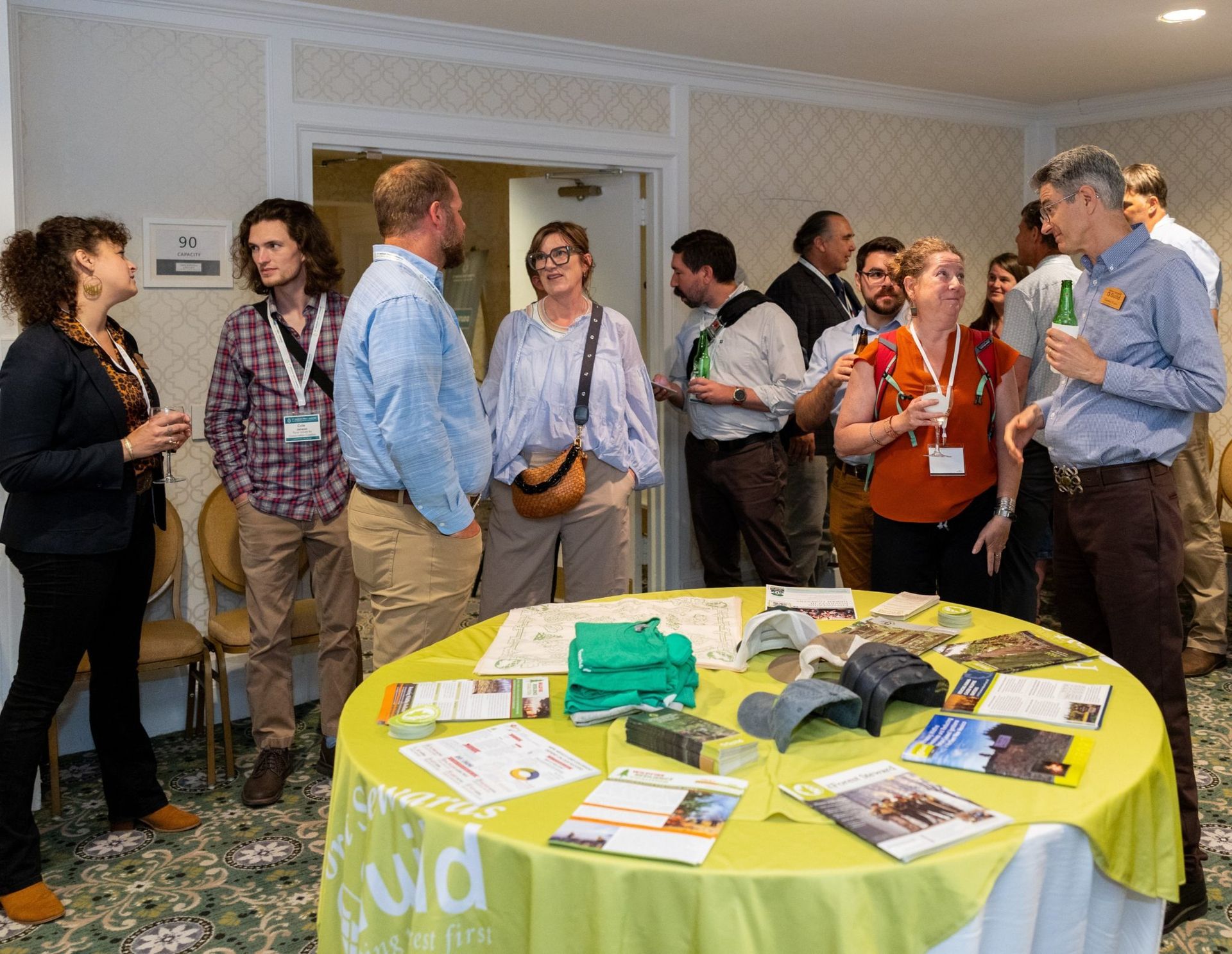
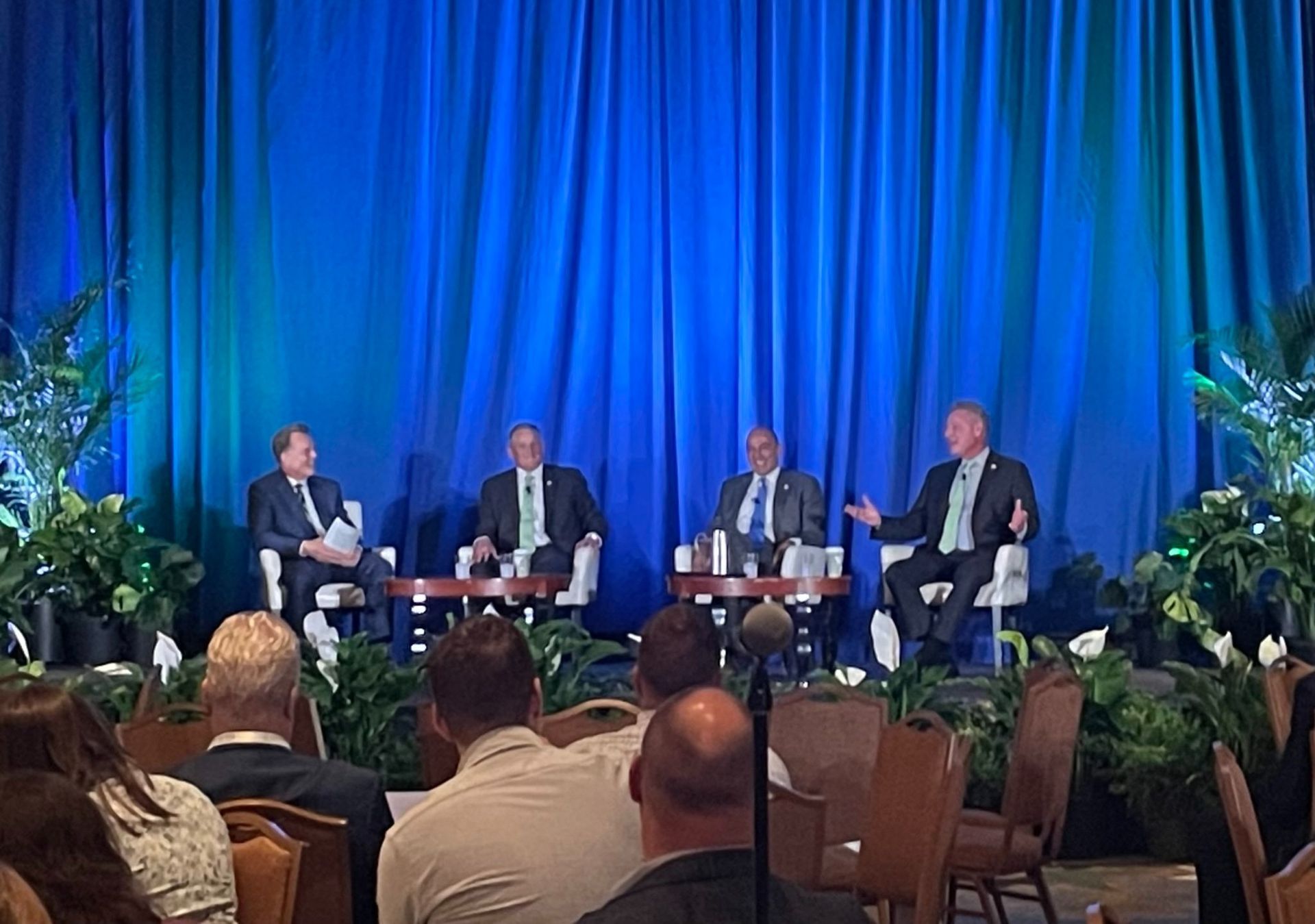
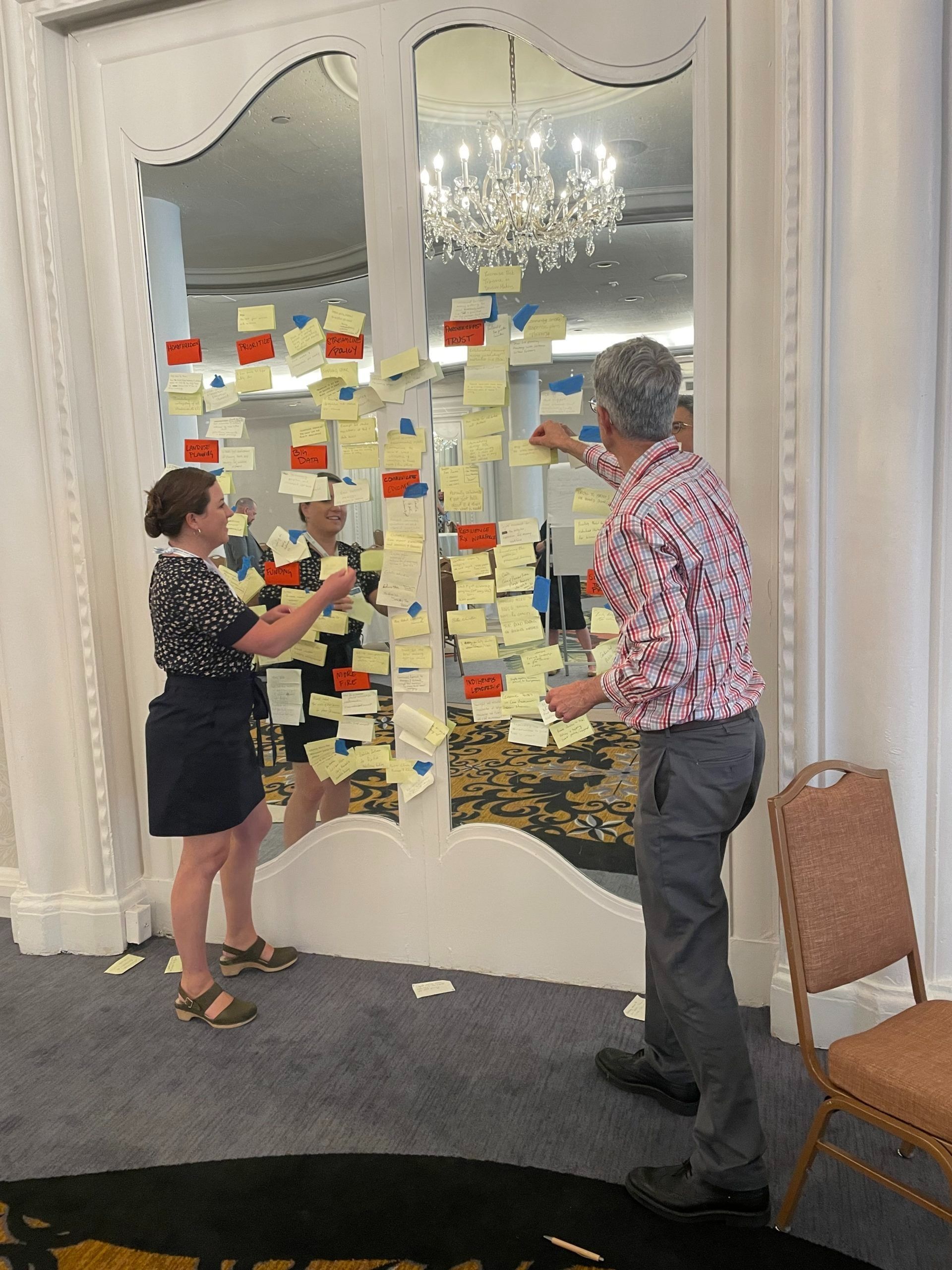
The 9th American Forest Congress built on the 7th and 8th Congresses and created a historic gathering of 500 leaders in our field. It was great to see so many Guild members and partner organizations at the Congress. We were well represented at the Congress with Guild members, board, and staff engaged in every facet of the Congress. In fact, the Congress was a demonstration that the Guild is embracing the leadership role we have earned in advancing the culture of forest stewardship. During the 7th Congress in 1996, the Guild was a brand new organization, still forming our principles and policy position. Now, three decades later, members’ work across the country demonstrates that it’s possible to make a career practicing Aldo Leopold’s land ethic in the woods. The Guild’s policy statements presage many of the resolutions the Congress produced (as discussed below).

Unfortunately, some things haven’t changed as much as one might hope since 1996. The divide between ‘industry’ and ‘environmentalists’ (to use stereotypical labels) remains, even if it is less stark than it was 30 years ago. The 7 th Congress came on the heels of the 1995 Salvage Rider, which had reignited the timber wars in the Pacific Northwest. Decades later, many mills have retooled to process the small logs produced from the restoration of fire-adapted forests (though, to be fair, even fewer old forests remain). In part because of the Guild and like-minded partners, ecological forestry and stewardship based on reciprocity between people and forests is more common, and even the standard of practice in some areas of the country.

While political issues like the Salvage Rider were front and center in the 7th Congress, the controversies that have dominated 2025 received surprisingly little attention on the main stage. Plenary sessions didn’t focus on the sale of federal lands, consolidation of federal fire management, defunding of research, rescission of the roadless rule, or dramatic reductions in the federal workforce. The dramatic and rapid changes in federal investments in forest stewardship were mainly dealt with in subtext and side conversations. The effort to remain non-partisan (and perhaps the fear of retribution) kept direct debate over the current administration’s policies off the main stage. However, it should be noted that the Congress Resolutions did include a positive statement on the importance of federal land management, resolving that “federal public forests managed by the U.S. Forest Service and Bureau of Land Management are integral to America’s wellbeing and natural heritage, and are governed by unique and critical mandates.”
The Congress Principles and Resolutions include a broad range of issues from the importance of expanding the workforce to the need for the “development and widespread implementation of rigorous, climate-informed forest stewardship.” One of the most widely supported resolutions focused on beneficial fire and is well-aligned with the recent Guild Policy Statement on Fire, Forest Management, and Communities. Another called for communication efforts to “advance public understanding of the benefits forests provide, and of the essential roles of active forest management and forest conservation in maintaining these benefits.” The statement on old-growth forests also matches Guild policy by calling for “conservation and stewardship practices that prioritize ecological integrity” to maintain and increase the abundance old forests. Many Guild members helped craft the resolution that pointed to ecological integrity as a north star for stewardship: “conserving biodiversity and ecological integrity should be a management priority for America’s federal forests, and to call for science-based, climate-responsive policies and management actions that:

1) Braid Indigenous knowledge with Western science;
2) Conserve ecologically critical forests; and
3) Embed robust, adaptive stewardship”
Perhaps most important for the Guild, the overlap of the Congress Resolutions with the Guild’s principles and policy gives us important momentum. I can’t help but feel that the fortuitous alignment of the Guild’s 30th anniversary and the resolutions of the Congress gives us a tremendous opportunity to expand the Guild’s positive impact.
Recent Posts