Northwest Innovative Forestry Summit Highlights – 2022

November 16, 2022

Written by Colleen Robinson and Maura Olivos and photos by the NIFS partnering organizations.

NIFS logo

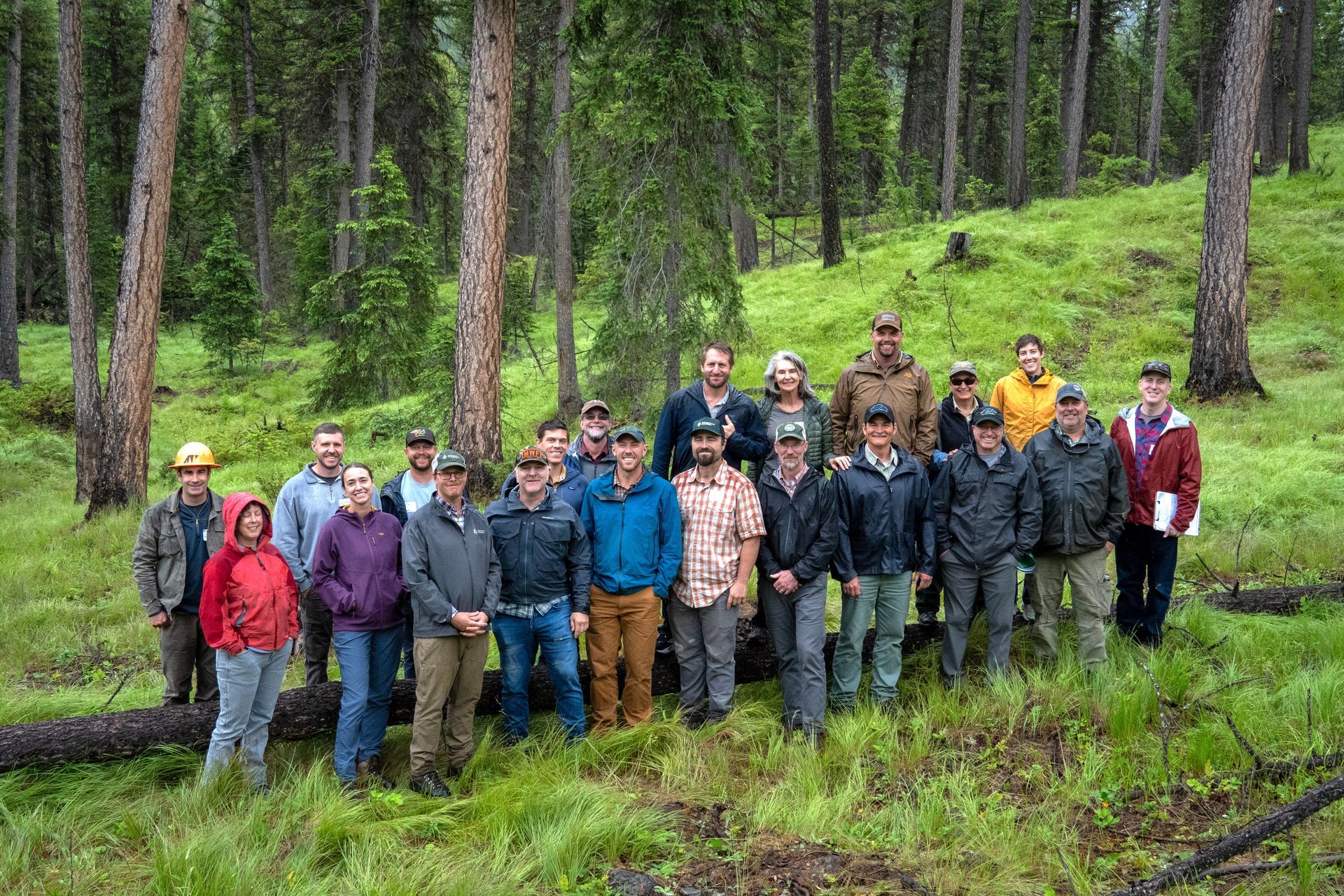
Together the Forest Stewards Guild, Northwest Natural Resource Group (NNRG), Oregon State University – College of Forestry (OSU), University of Washington – School of Environmental and Forest Sciences (UW), Intertribal Timber Council (ITC), and private forestry representatives kicked off the 2nd Annual and 1st in-person Northwest Innovative Forestry Summit in late September at UW’s Pack Forest in Eatonville, Washington. From the start, this event expressed the culmination of years of effort, needs, ideas, sharing, and desired connections. As one attendee affectionately voiced, “this is not your typical forestry conference.”

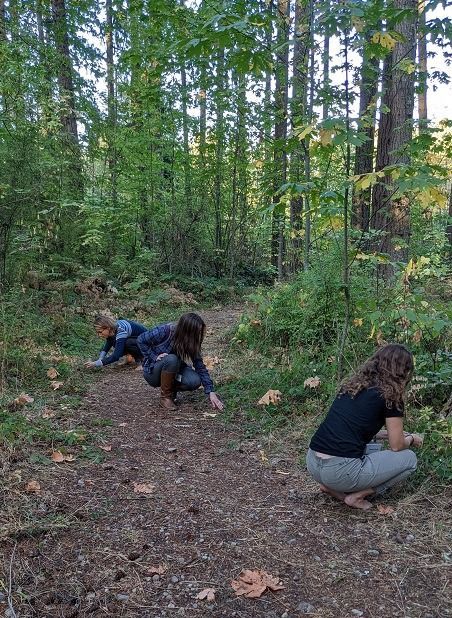
Participants using sense of touch in the woods.

The Summit began Friday evening September 30th with a “sense of place” session led by Colleen Robinson from the Guild, also a Certified Mindful Outdoor Guide. A handful of attendees gathered under trees with a willingness to slow down, be humble, and tune into their senses. This created a space for centeredness and connection with the wisdom, gifts, and presence of the flora and fauna (including humans) residents and descendants of Pack Forest. This framing exercise, and reminder of our place in a broader community of life, welcomed Summit participants with an intention to foster acceptance, be open to new experiences, and attentive to nature’s model of compassion and creativity. 

The event then continued to introduce Pack Forest to attendees with a short walk in the woods. Led by Greg Ettl Director of the Center for Sustainable Forestry at Pack Forest, the walk entailed a peek into Pack Forest’s history and how it has supported forestry research over the decades. Since the 1920’s professors and students have applied various harvest and processing methods, explored the financial sustainability of different forest products, and worked to open the doors for new future efforts such as the production of big leaf maple syrup. Greg also led a 3-hour forest tour the following day offering a far more in-depth view on the silviculture practices Pack Forest has hosted over the years. An additional short walk in the woods was led by Kim Littke, UW research alum looking at fertilization trials, sharing yet another example of the innovation fostered by Pack Forest. 

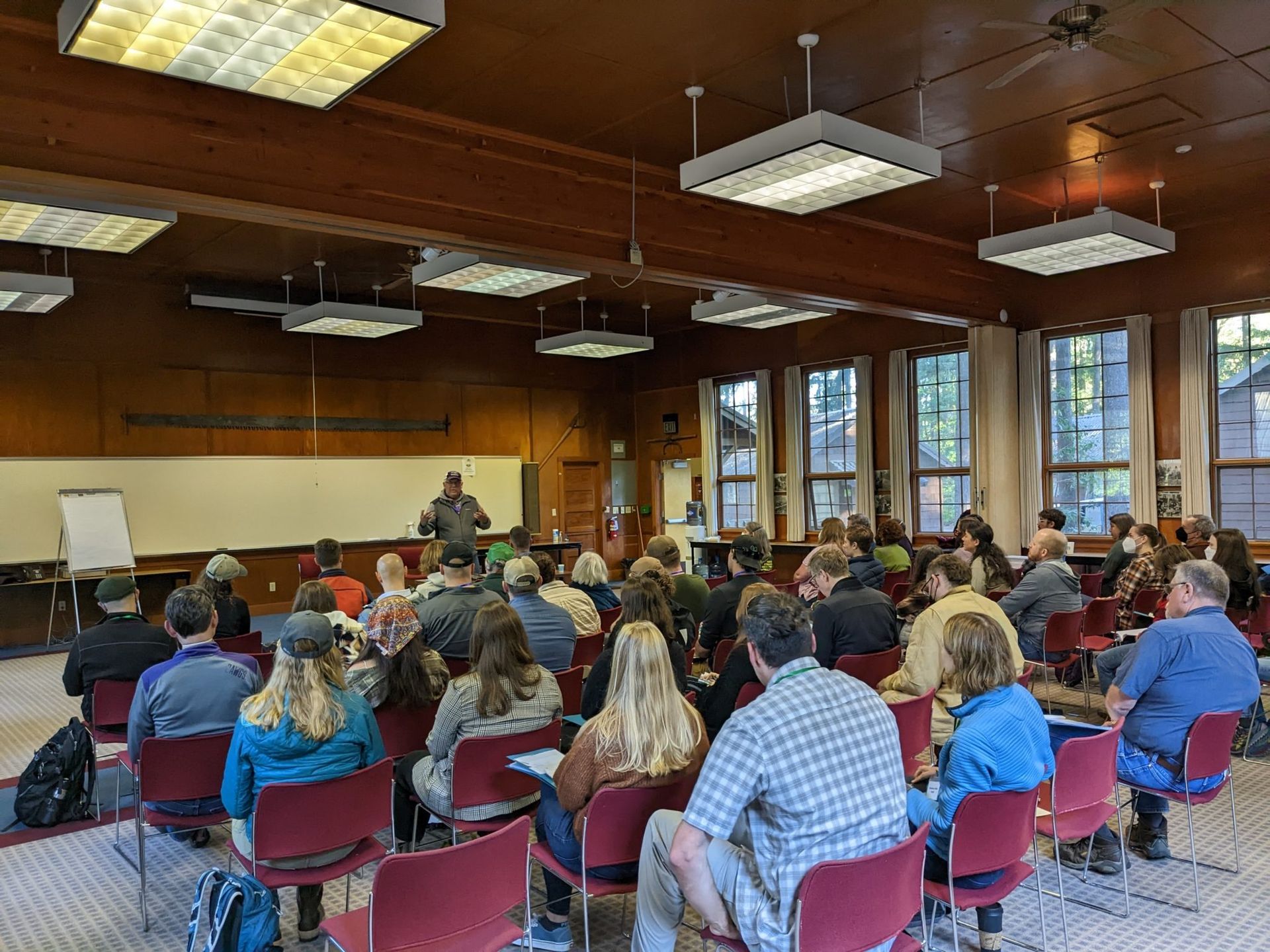
NIFS keynote session

Rising high on the list of significant moments for Summit participants were the powerful, honest, and enlightening keynotes given by Don Motanic of the Intertribal Timber Council (retired) and Steve Rigdon of Yakama Forest Products. They provided indigenous perspectives to forestry within tribal lands and even more essential, how the action of tending to forests and the cultural foods from within is at the heart of their culture, management, and relationship with the land. With humility and care they also shared the desire of indigenous people to go deeper in what it means to be a part of their own culture and the desire to learn more. Steve and Don’s words set the tone and path of the Summit for all in attendance. 

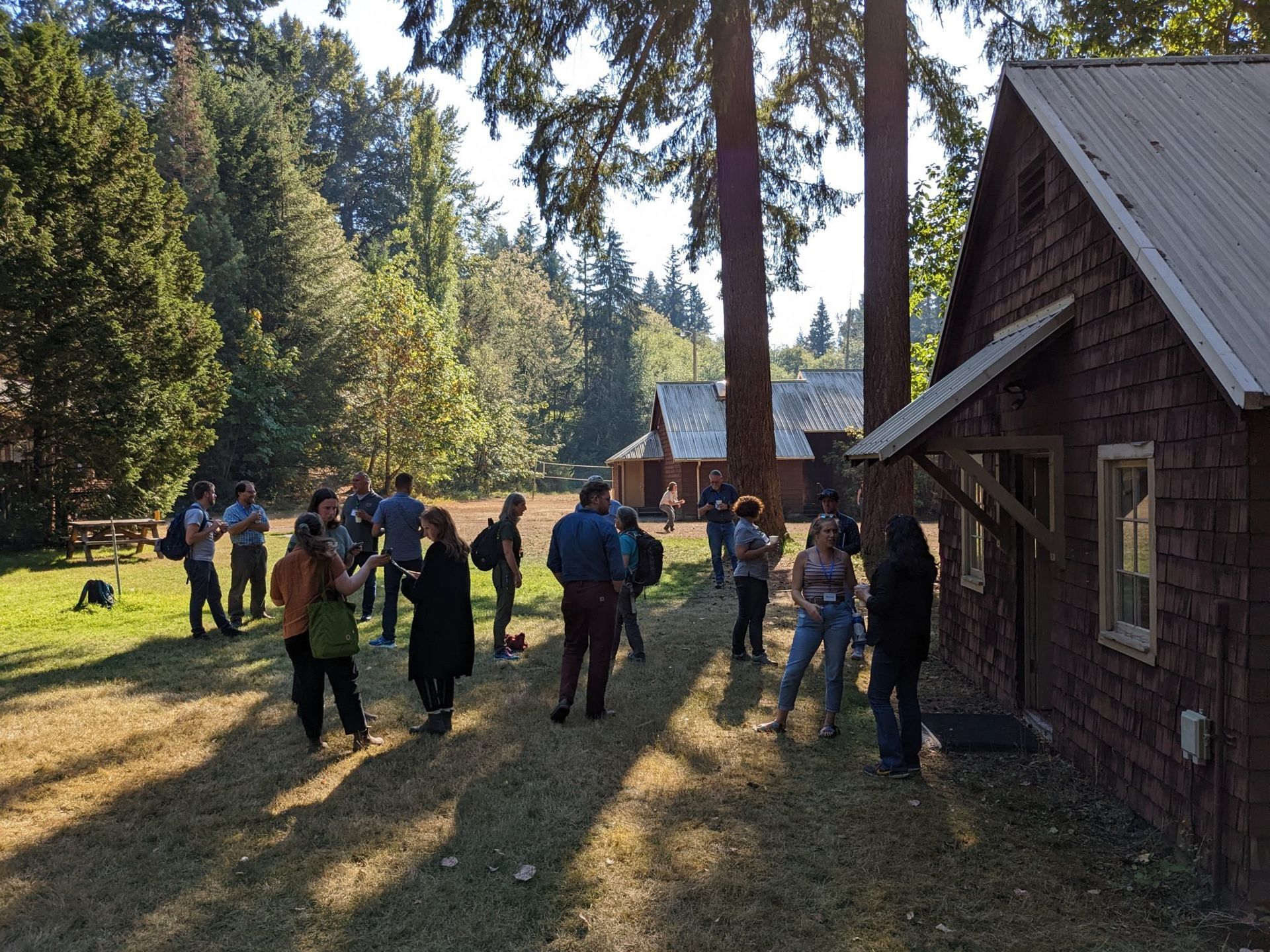
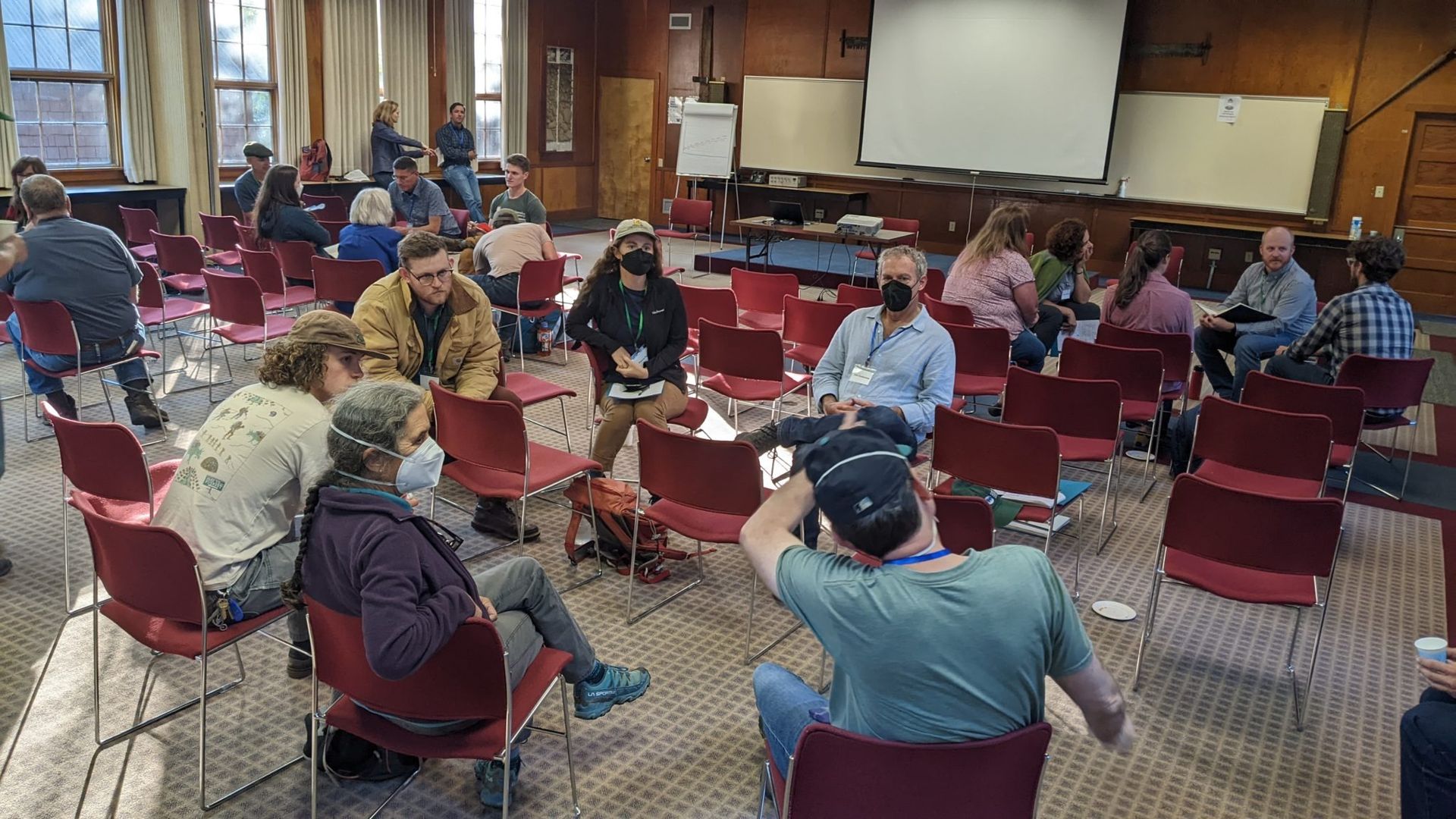
NIFS attendees visiting during a session break.

Building off the words from Steve and Don, the goal of the Summit was to bring people together from around the region, with diverse perspectives, experiences, and expertise to foster a co-learning community and expand on the role innovation has in ecologically, economically, and socially responsible forestry. Saturday looked to fulfill this goal with thought provoking and engaging discussions on climate smart forestry, restoration considerations in response to Emerald ash borer, growing older trees, data tools for public engagement, and the future of forestry professionals. Participants included representatives from academia, government agencies, non-profit, tribal, and private forestry. Standing out was the strong presence and engagement by our future of forestry with students from Oregon, Washington, and Michigan thanks to scholarship and grant funds from OSU and UW. 

NIFS participants in breakout groups in session.

Each session explored challenging considerations, and discussions unfolded on what innovation is in the first place. Out of this, more questions arose from participants around traditional ecological knowledge, collaborative planning, shifting western traditional management practices, and changing the culture of forestry. Diving deeper, participants asked why is there a disproportionate percentage of people of color within the natural resource field? How do we open doors to new opportunities that are better aligned with the natural landscape? And how do we go about adjusting our relationship to forests and each other? Overall, participants walked away with a different sense and broader definition for “innovation.”

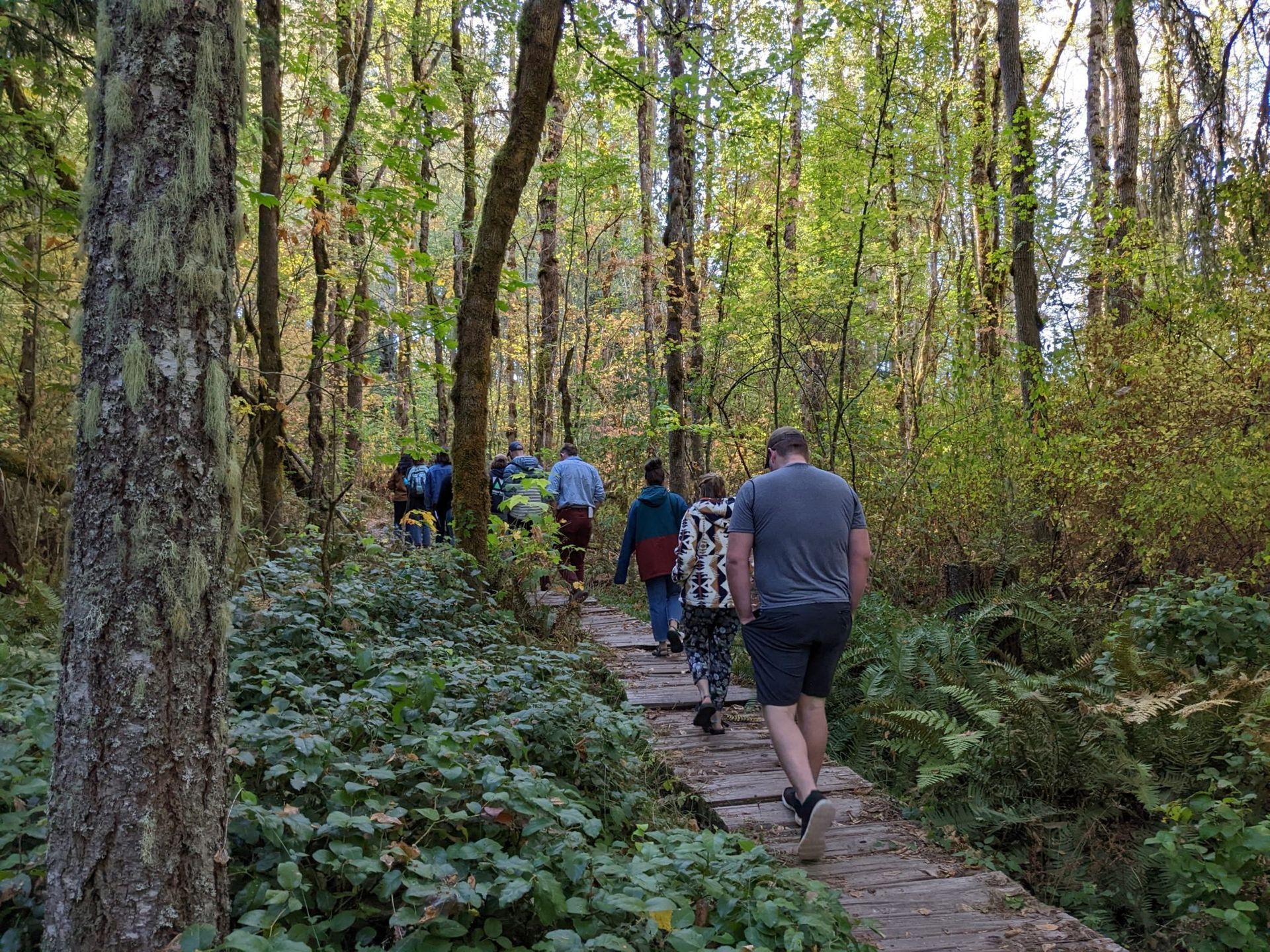
NIFS attendees walking in the woods.

Sunday continued with further mind-bending discussions on forest values and supporting forest health with birds in mind. The session on the human dimensions of forestry values was led by Cristina Eisenberg, OSU Associate Dean for Inclusive Excellence and Director of Tribal Initiatives. This discussion helped round out the weekend summit, helping those in attendance think beyond the monetary value of our practices and consider how forest interactions like reciprocity fit in with western forestry and science. This session also facilitated a personal, rich, and deep look into each participant’s expressions of their connections, skills, and contributions.

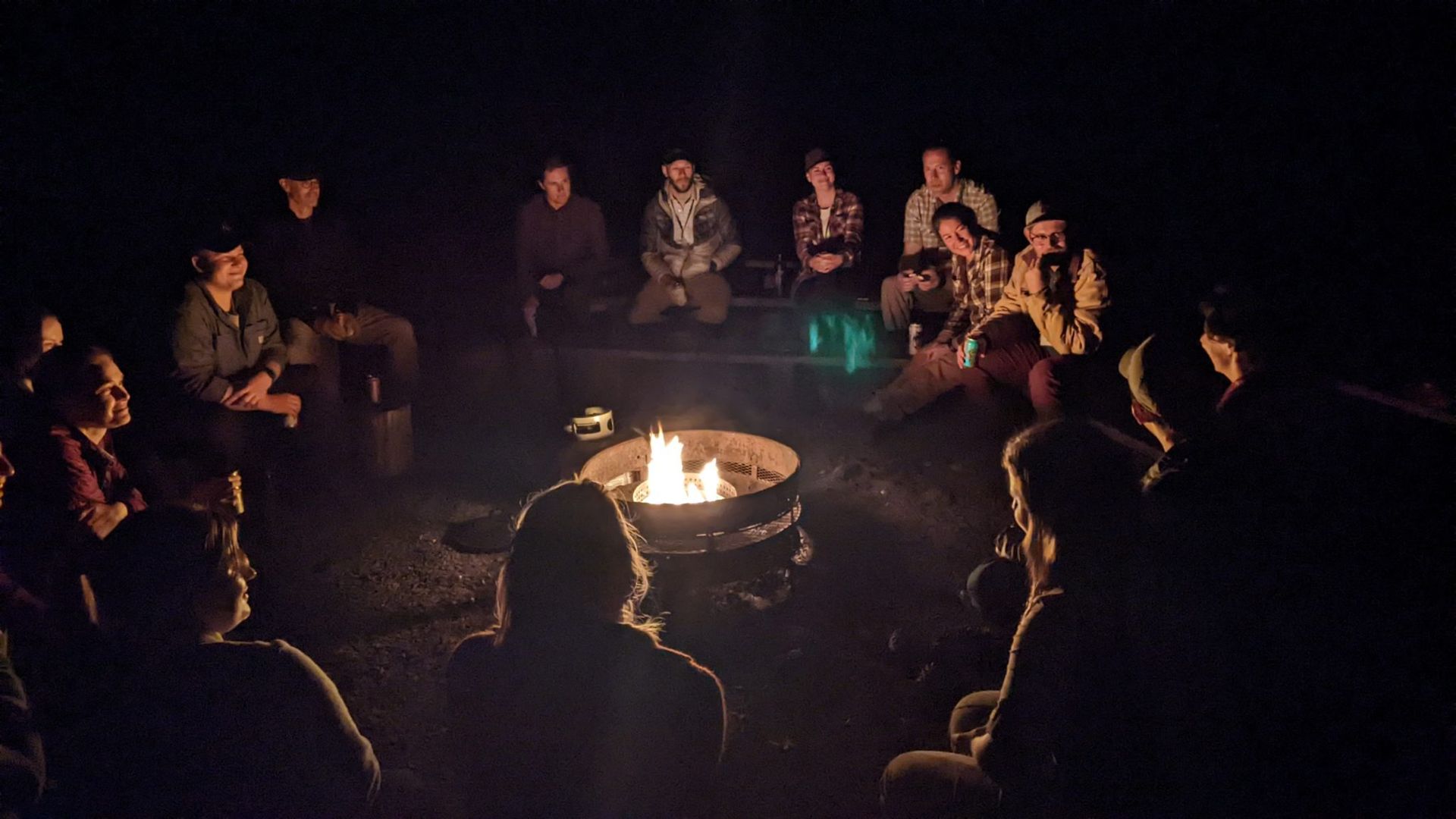
NFIS attendees around campfire

The connections that were made and the discussions that took place were just the tip of the iceberg for this community. One participant shared, “Our time together has reenergized my passion for the work I do and set a precedent for me to start tomorrow to broaden the way I think, collaborate, and implement natural resource practices.” In alignment the partners of the Northwest Innovative Forestry Summit plan to continue to support this person, all those that were able to attend the Summit, and all those that have supported the development of this community to realize innovation in forestry for the Pacific Northwest region. 

Thank you to all those who attended, supported and guided the 2022 Summit! For a full description of the 2022 Summit sessions and post-event notes and resources, visit www.nnrg.org/nifs2022

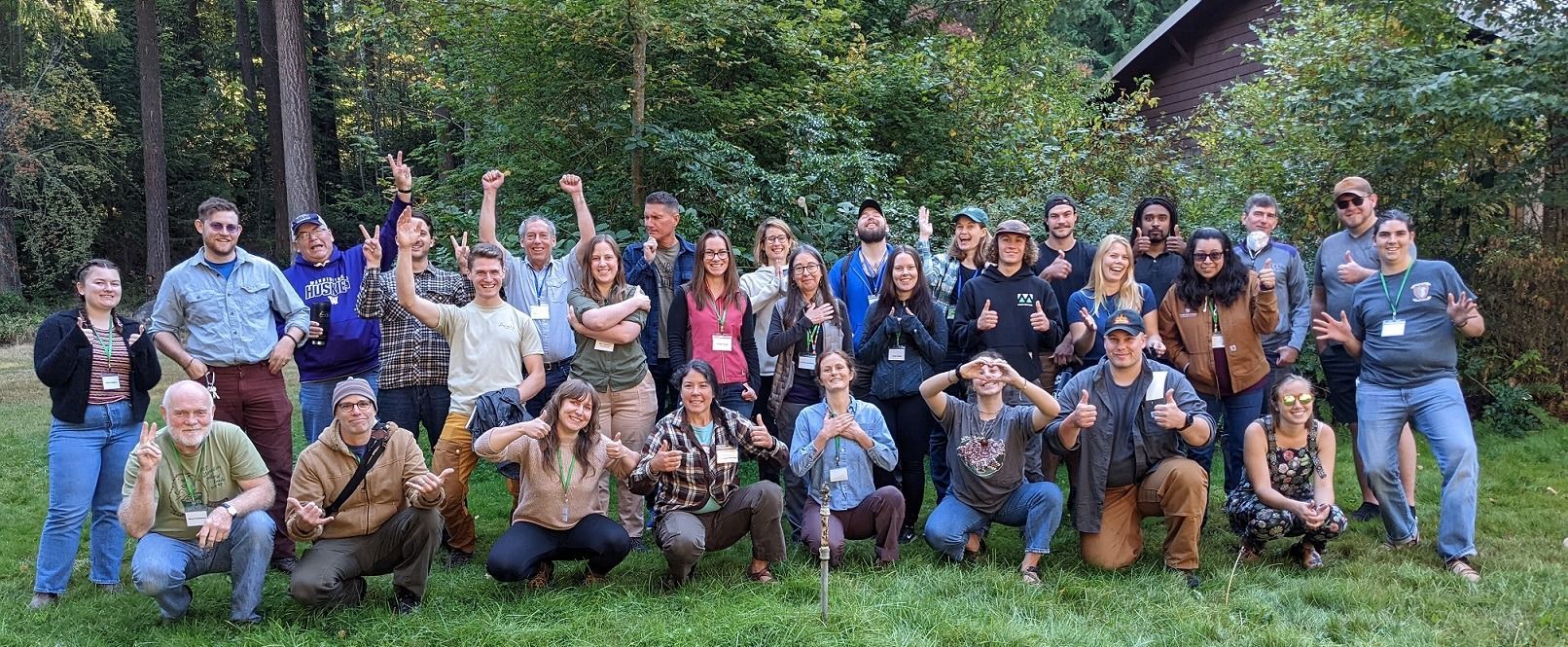
NIFS group photo

Recent Posts

By Aidan Juhl April 16, 2026
Written by Colleen Robinson
April 14, 2026
Written by Shannon Maes
April 14, 2026
In September 2025, the Guild launched a three-person Forest Stewards Apprenticeship (FSA) crew to work with the Penobscot Nation’s Department of Natural Resources (PN DNR). Over the course of their six-month season, apprentices Agenor Duhon, Gabe Stewart, and Jacob Baker shared a season of learning, collaboration, and hands-on stewardship of Penobscot Tribal lands.
April 14, 2026
This week, I stepped into the role of crew leader. We worked a full 40-hour week, splitting our time between Clifton Farms and a prescribed burn operation. On the first day in the field, we completed hack-and-squirt treatments on trees that had been marked the previous week. For the remainder of the week, we focused on marking trees for future hack-and-squirt work, maintaining a steady pace and ensuring accuracy in our selections.
April 7, 2026
As Guild members, our practice is fundamentally grounded in field observation. We know intuitively that forests are dynamic, living communities. Yet, for decades, the high-level systems used to value our work, specifically the carbon accounting ledgers tied to international frameworks like the Paris Agreement, have treated forests as static, quantifiable blocks of land. In a recent commentary published in One Earth, I argue that these legacy measurement, reporting, and verification (MRV) frameworks are failing. Ledger accounting relies on crude land-use delineations and outdated technology, effectively penalizing the natural, seasonal flux of the ecosystems we manage every day. By forcing landscapes into rigid “forest” versus “non-forest” binaries, such legacy systems miss the complex reality on the ground. But a major shift is underway.
March 18, 2026
Women have always been a part of forestry. Historically, women often helped guide family decisions about when to cut, which trees to save, and how best to steward their land for the next generation. Historical accounts from the Southern Appalachians describe women’s roles in decisions about timber harvesting and prioritizing long-term forest health. These often-uncredited contributions are even reflected in Aldo Leopold’s A Sand County Almanac (1949), in which describes his stewardship philosophy informed not only by his professional experience, but by shared responsibility, where the perspectives of his wife and daughters played an important role.
March 18, 2026
Although rural regions often host the highest concentrations of public and private forest land, they typically lack the sustainable workforce necessary for active management and stewardship. How do we address this foundational problem in forest conservation?
March 18, 2026
The Forest Stewards Guild has a unique dual mandate: practice and promote forest stewardship. Personally, I think the combination of practicing forest management and promoting best practices is what makes the Guild a vibrant and impactful organization.
February 17, 2026
We celebrate the remarkable career and legacy of Leslie (Les) Benedict, who has provided visionary leadership and dedicated service to the stewardship of forests, championing the preservation of the ecological and culturally important black ash. Benedict, a member of the Saint Regis Mohawk Tribe in Akwesasne, north of the Adirondacks in upstate New York, recently retired after serving as the Assistant Director of the Tribe’s Environment Division for over 35 years.
February 17, 2026
The Forest Stewards Guild has been working to support the National Park Service on forest stewardship projects throughout the eastern U.S. This month we are in the midst of a project to protect mounds at Effigy Mounds National Monument near Harpers Ferry Iowa. This site was designated as a National Monument in 1949 and preserves over 200 mounds built between 800 and 2,500 years ago. Mounds at this site include conical, linear, compound, and effigy mounds – constructed in the shape of animals. Please see the National Park Service page for more information about the mounds, the people who built them, and how to visit the site. The lidar images on that website of the Marching Bears and other mound groups are fascinating.
Show More