

Meet your 2024 Guild Board and MPC

January 17, 2024

Compiled by Colleen Robinson

Here at the Guild, this time of year graces us with new faces on our Board of Directors and our Membership and Policy Council. Though like snow, it’s not a given. We graciously accept your willingness to share your time and talents with the Guild in these roles. Thank you all for your service. Please help us welcome these new members and take your opportunities to get to know them better! Full bios and contact information are on the webpages linked in this article.

Incoming to our Board of Directors:

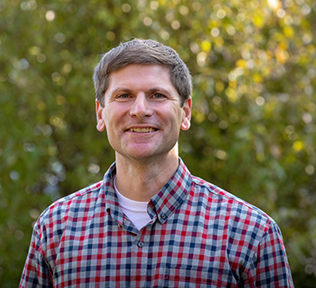
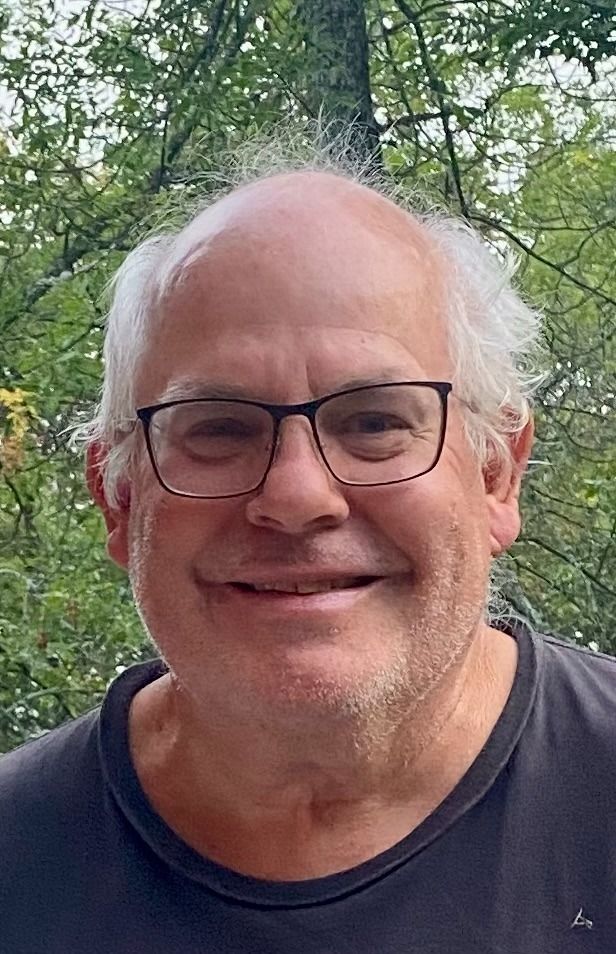
Tony D’Amato is a long-time Guild member and Professor at University of Vermont. Tony is the Director of Forestry Program and Director of UVM Research Forests. His research interests center on evaluating the efficacy of traditional and experimental silvicultural strategies at meeting the increasingly diverse range of forest management objectives on public and private land. His numerous publications include the textbook Ecological Silviculture: Foundations and Applications.

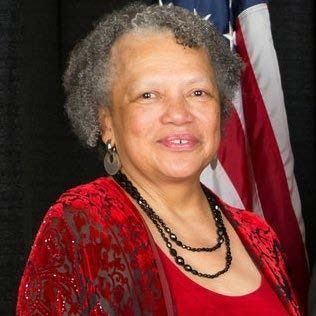
Sandra Denyse Jones is an independent rural community development consultant. She primarily works with African-American landowners and communities with low-incomes to preserve the culture and environment while providing economic opportunity and an improved quality of life. Because of her interest in community-based forestry and land ownership retention, Sandra served as a board member of the National Network of Forest Practitioners and the South Carolina Association of Cooperatives and Farmers. She is a founding board member of the Fund for Southern Communities and the Black Family Land Trust. Sandra is on the board of the Maxville Heritage Interpretive Center, which focuses on the history of the community of African American and white loggers in Wallowa County, Oregon.

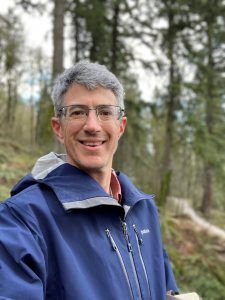
Ann Duff

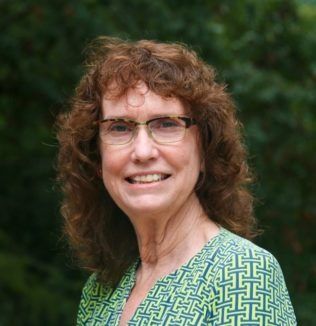
Ann Duff is the Fiber Sustainability Manager for WestRock company based in Fernandina Beach, Florida. Ann joined the Guild when she engaged with Guild staff through the Forest Stewardship Council (FSC) controlled wood risk mitigation work. She serves as Secretary/Treasurer of the Florida Forestry Association, oversees the Florida Master Logger training program for the Florida SFI Implementation Committee, and is a member of the Florida Forest Council, which is an advisory body to the Florida Forest Service.

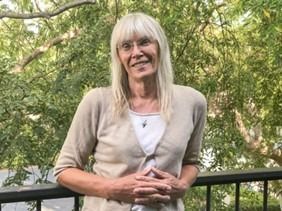
Brenda McComb is a Guild member and retired Professor, in the Department of Forest Ecosystems and Society at Oregon State University. She served on the planning committee for the Seeing the Forest for the Queers outreach effort to LGBTQ+ natural resource professionals. Her research focused on the effects of various forest stand and landscape management practices on wildlife. Among over 150 publications are three books, Trees of the Central Hardwoods Forests of North America (with Bob Muller and Don Leopold), Monitoring Animal Populations and their Habitats (with Ben Zuckerberg, Dave Vesely and Chris Jordan) and Wildlife Habitat Management: Concepts and Applications in Forestry.

Incoming Membership and Policy Council members share these brief sentiments and thank you for your recent vote!

Photo of Austin Himes

Austin Himes

“I joined and serve the Forest Stewards Guild because the Guild emphasizes balancing the different values forests provide and recognizes the need for grounding forest management in both science and humility. To me the Guild represents forestry that accounts for the diverse ways forests are important to people.” – Starkville, MS

Jack Singer

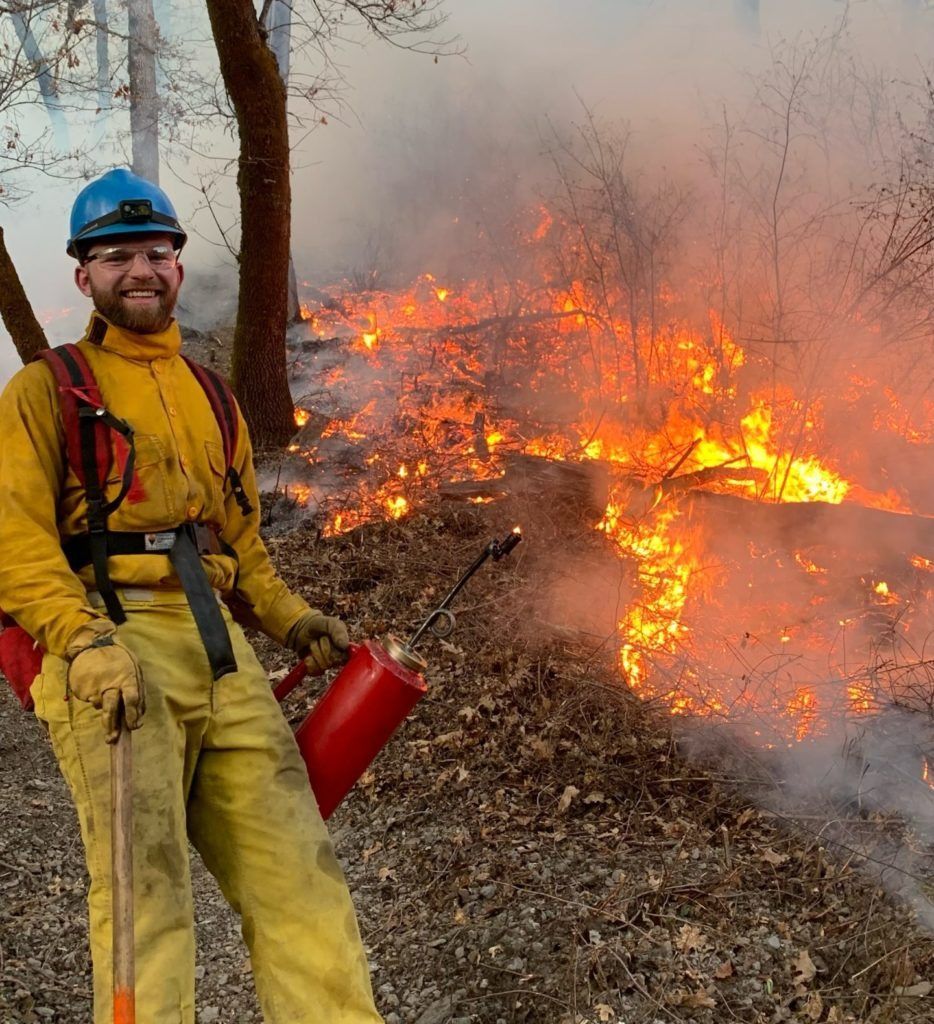
“Individuals and society alike depend on functioning forest ecosystems to survive, yet our forests continue to decline in terms of the aerial extent of forest cover, and the average age and size of dominant trees in our remaining forests. I believe that the Forest Stewards’ Guild’s Mission to normalize responsible forest management will help our forests, our society, and our profession to thrive for many generations to come, and I am honored to support the Guild with my service on the Membership and Policy Council.” – Ashland, OR

Photo of Jack Singer at prescribed fire
Sara Kelso

Sara Kelso

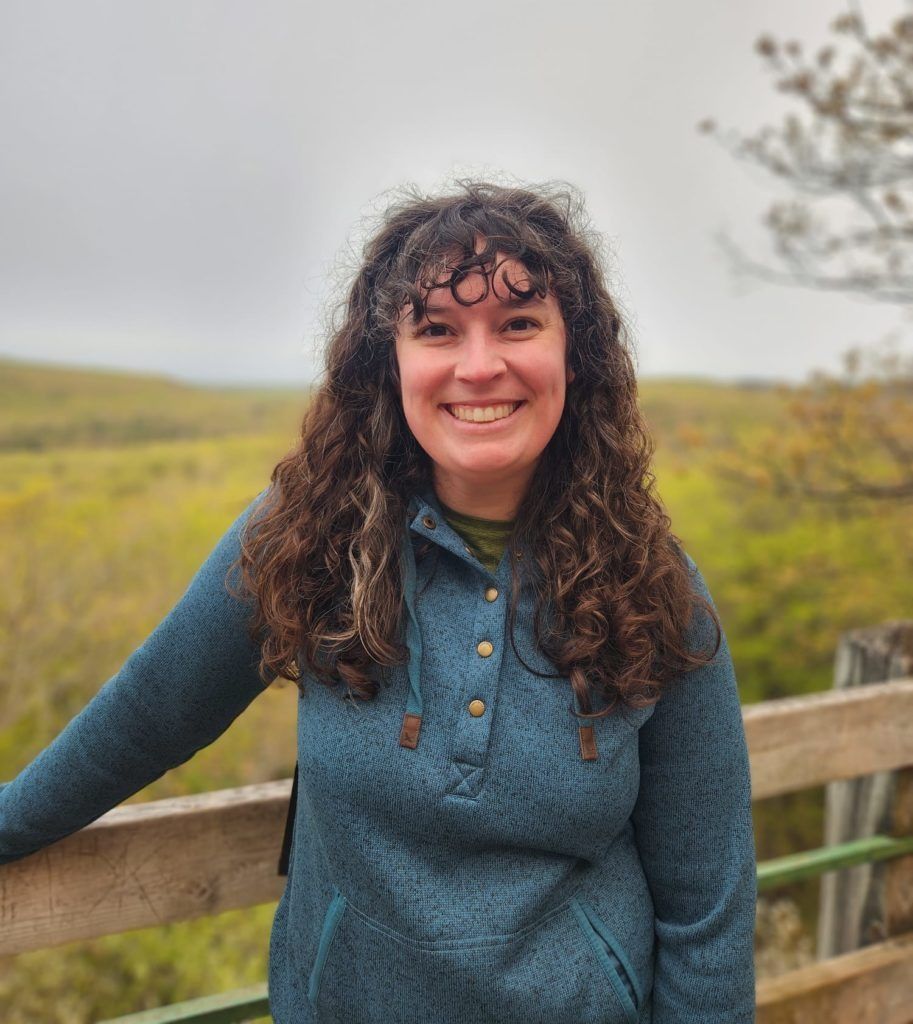
“As the future of our forests becomes more and more uncertain, the Guild embodies so much of what I view as important in forestry: continuous learning, responsible forest management, stewardship ethic, the diversity of those who use forests, and putting the forest first. I’m excited and honored to serve as a member of the Guild’s Membership and Policy Council as the Guild continues to positively influence our forests and our society.” – Marquette, Michigan

Richard Zell Donovan

“For forestry in the USA, I believe it is critical that the Guild support the conservation of critical and rare forest attributes, species, and natural communities, while at the same time knowing we need to have the support of local communities for practical solutions. Humans are part of the ecosystem, and Guild efforts need to constantly reinforce how critical the relationship is between us and forests.” – Jericho, VT.

Jeffrey Dubis

“I appreciate the Guild’s viewpoint that the forests have values that benefit society and that are also independent of society. The Guild’s emphasis on responsible, ecologically based forest management and commitment to education make it a valuable resource for individuals of all interests and backgrounds. The principles of the Guild, the many educational opportunities it offers, and its focus on diversity and inclusion should be an attraction to many of today’s young professionals.” – Wanakena, New York.

Recent Posts

By Aidan Juhl April 16, 2026
Written by Colleen Robinson
April 14, 2026
Written by Shannon Maes
April 14, 2026
In September 2025, the Guild launched a three-person Forest Stewards Apprenticeship (FSA) crew to work with the Penobscot Nation’s Department of Natural Resources (PN DNR). Over the course of their six-month season, apprentices Agenor Duhon, Gabe Stewart, and Jacob Baker shared a season of learning, collaboration, and hands-on stewardship of Penobscot Tribal lands.
April 14, 2026
This week, I stepped into the role of crew leader. We worked a full 40-hour week, splitting our time between Clifton Farms and a prescribed burn operation. On the first day in the field, we completed hack-and-squirt treatments on trees that had been marked the previous week. For the remainder of the week, we focused on marking trees for future hack-and-squirt work, maintaining a steady pace and ensuring accuracy in our selections.
April 7, 2026
As Guild members, our practice is fundamentally grounded in field observation. We know intuitively that forests are dynamic, living communities. Yet, for decades, the high-level systems used to value our work, specifically the carbon accounting ledgers tied to international frameworks like the Paris Agreement, have treated forests as static, quantifiable blocks of land. In a recent commentary published in One Earth, I argue that these legacy measurement, reporting, and verification (MRV) frameworks are failing. Ledger accounting relies on crude land-use delineations and outdated technology, effectively penalizing the natural, seasonal flux of the ecosystems we manage every day. By forcing landscapes into rigid “forest” versus “non-forest” binaries, such legacy systems miss the complex reality on the ground. But a major shift is underway.
March 18, 2026
Women have always been a part of forestry. Historically, women often helped guide family decisions about when to cut, which trees to save, and how best to steward their land for the next generation. Historical accounts from the Southern Appalachians describe women’s roles in decisions about timber harvesting and prioritizing long-term forest health. These often-uncredited contributions are even reflected in Aldo Leopold’s A Sand County Almanac (1949), in which describes his stewardship philosophy informed not only by his professional experience, but by shared responsibility, where the perspectives of his wife and daughters played an important role.
March 18, 2026
Although rural regions often host the highest concentrations of public and private forest land, they typically lack the sustainable workforce necessary for active management and stewardship. How do we address this foundational problem in forest conservation?
March 18, 2026
The Forest Stewards Guild has a unique dual mandate: practice and promote forest stewardship. Personally, I think the combination of practicing forest management and promoting best practices is what makes the Guild a vibrant and impactful organization.
February 17, 2026
We celebrate the remarkable career and legacy of Leslie (Les) Benedict, who has provided visionary leadership and dedicated service to the stewardship of forests, championing the preservation of the ecological and culturally important black ash. Benedict, a member of the Saint Regis Mohawk Tribe in Akwesasne, north of the Adirondacks in upstate New York, recently retired after serving as the Assistant Director of the Tribe’s Environment Division for over 35 years.
February 17, 2026
The Forest Stewards Guild has been working to support the National Park Service on forest stewardship projects throughout the eastern U.S. This month we are in the midst of a project to protect mounds at Effigy Mounds National Monument near Harpers Ferry Iowa. This site was designated as a National Monument in 1949 and preserves over 200 mounds built between 800 and 2,500 years ago. Mounds at this site include conical, linear, compound, and effigy mounds – constructed in the shape of animals. Please see the National Park Service page for more information about the mounds, the people who built them, and how to visit the site. The lidar images on that website of the Marching Bears and other mound groups are fascinating.
Show More