Wildlife Forestry in Bottomland Hardwood Forests

September 14, 2023

Written by Dakota Wagner 

Editor’s Note: This project managed and enhanced natural stands of bottomland hardwood forests in the Lower Mississippi Alluvial Valley of Arkansas, Mississippi, and Louisiana for the benefit of wildlife species and freshwater systems. The Guild and partners performed strategic and targeted outreach to 3,073 private forest landowners and practitioners, engaged 218 forest landowners and natural resource professionals through workshops and trainings, prepared forest management plans for 16 high-priority private landowners, and implemented enhancement activities on 1,109 acres of private lands and 300 acres of state lands. We thank our project partners LDWF, The Nature Conservancy’s Lower MS River Program, and Enviva Biomass for their involvement and support. 

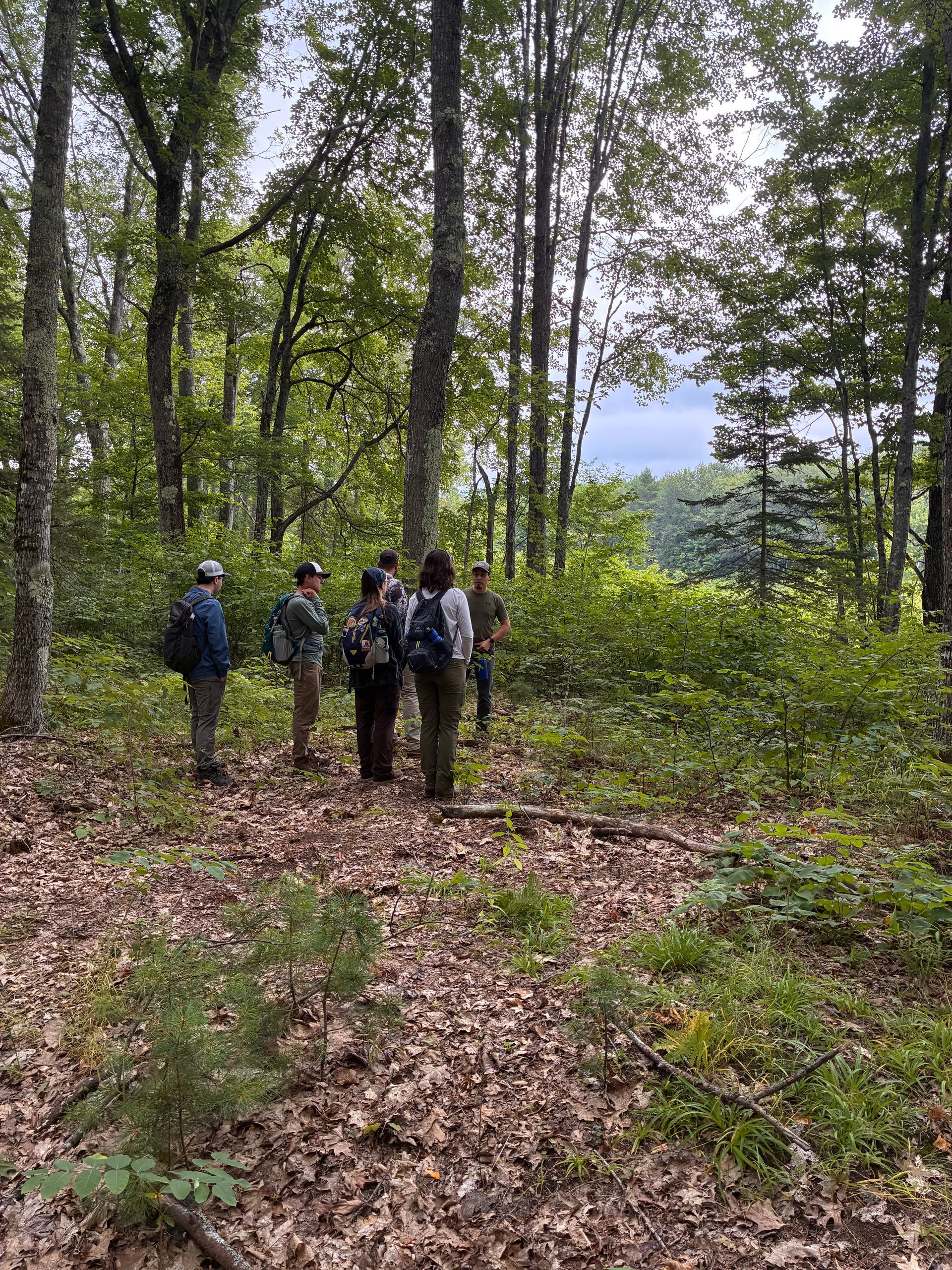
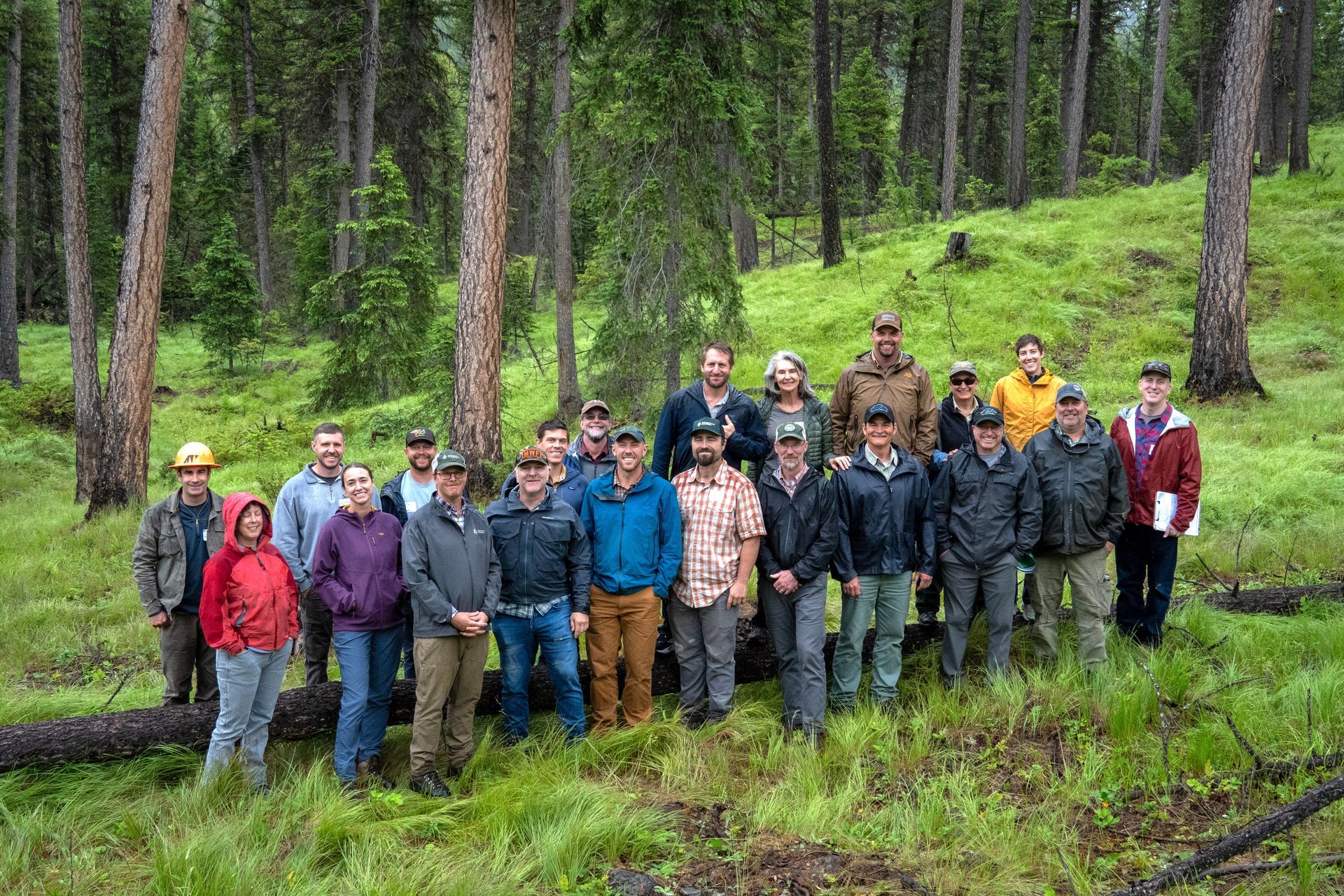
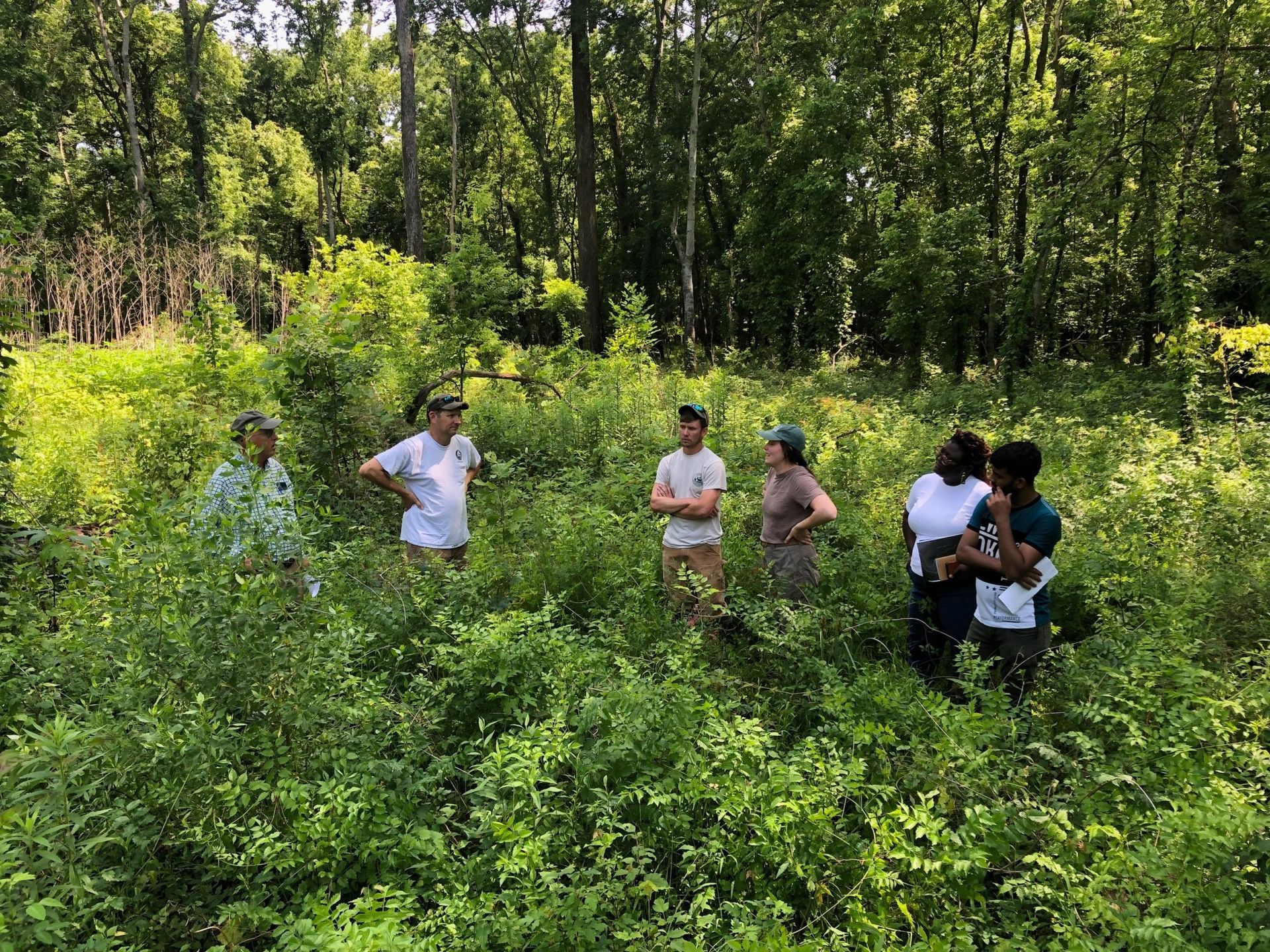
People standing in the woods at Grassy Lake WMA

What is “Guild-style” forestry? To me, it includes the tenets of ecological forestry with an added personal flair. Those who practice Guild-style forestry are curious, not afraid to try new things, and think on the ecosystem level. In my work with the Guild, I have come to learn another term for this type of practice: wildlife forestry. 

In November 2019, Duck Locascio spoke at a Learning Exchange in Baton Rouge, LA hosted by the Guild and the Louisiana Department of Wildlife and Fisheries (LDWF). He is a forestry program manager for LDWF and is one of the many advocates for wildlife forestry in the region. He described the practice as “managing forestland to improve wildlife habitat, as well as overall forest health, while improving timber stand conditions, providing for forest regeneration, and producing forest products in an ever-changing environment.” 

I must admit though, that the definition didn’t sink in until I got to see it for myself this past May. 

Since 2019, LDWF and the Guild have been partners on a National Fish and Wildlife funded project focused on promoting wildlife forestry practices in bottomland hardwood forests of the Lower Mississippi Alluvial Valley. As a part of the program, LDWF created two demonstration areas at Grassy Lake Wildlife Management Area (WMA) and Elbow Slough WMA exemplifying wildlife forestry concepts. The outcome of this work was to showcase wildlife forestry in bottomland hardwood forests through promoting desired tree species, increased forest structural diversity, increased tree-age class diversity, increased biodiversity, increased habitat for at-risk wildlife species, and increased overall forest health and resiliency. 

The demonstration sites were harvested in 2020, but the Covid-19 pandemic made it difficult to travel from my home office in North Carolina to Louisiana until May 2023. During the WMA tour with LDWF, I was joined by Guild member Jeff Denman and two students from the Mississippi State University Guild Student Chapter – a mini Guild Gathering. 

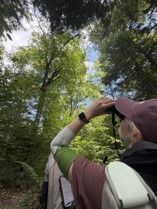
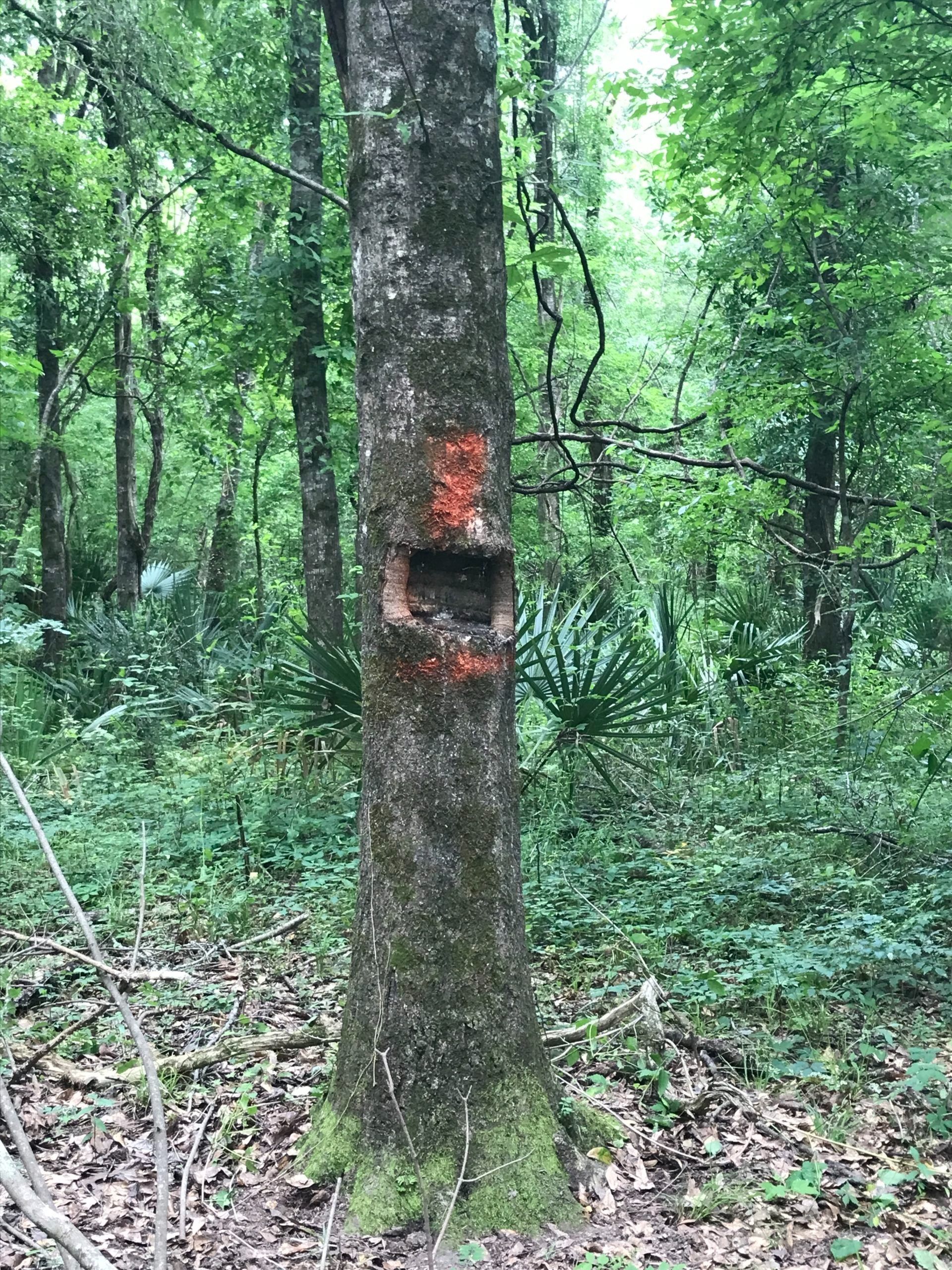
Tree with a human-made cavity in the trunk.

There are three things that stood out to me that day: 

  1. When implementing wildlife forestry practices in bottomland hardwood forests of this region, ‘wildlife’ also extends to fish. This inclusion is due to the recurring flooding during various months of the year. 
  2. State wildlife agencies often have greater freedom in embracing innovative approaches. For example, during a timber harvest LDWF requested that their contractor purposefully inflict controlled damage to select trees. This was done in hopes of expediting the decay process and deliberately creating cavities tailored to the habitat requirements of certain species. While at the site, Marc “Buddy” Dupuy, wildlife forester with LDWF noted “Don’t brainstorm with LDWF in the room if you don’t actually want us to try it.” When I think about Guild-style forestry, this is a perfect example. 
  3. While learning new forest types, it is equally as important to experience the accompanying local culture. The two international students and I were able to enjoy crawfish handpies for the first time during a lunch time pit stop. Needless to say, I still think about them while home in the mountains of North Carolina.   

forestry, wildlife forestry, and bird-friendly forestry are used. Regardless of what you call it, practicing forestry in a way that promotes ecologically, economically, and socially responsible management will be what sustains our forests into the future. 

Recent Posts

By Aidan Juhl April 16, 2026
Written by Colleen Robinson
April 14, 2026
Written by Shannon Maes
April 14, 2026
In September 2025, the Guild launched a three-person Forest Stewards Apprenticeship (FSA) crew to work with the Penobscot Nation’s Department of Natural Resources (PN DNR). Over the course of their six-month season, apprentices Agenor Duhon, Gabe Stewart, and Jacob Baker shared a season of learning, collaboration, and hands-on stewardship of Penobscot Tribal lands.
April 14, 2026
This week, I stepped into the role of crew leader. We worked a full 40-hour week, splitting our time between Clifton Farms and a prescribed burn operation. On the first day in the field, we completed hack-and-squirt treatments on trees that had been marked the previous week. For the remainder of the week, we focused on marking trees for future hack-and-squirt work, maintaining a steady pace and ensuring accuracy in our selections.
April 7, 2026
As Guild members, our practice is fundamentally grounded in field observation. We know intuitively that forests are dynamic, living communities. Yet, for decades, the high-level systems used to value our work, specifically the carbon accounting ledgers tied to international frameworks like the Paris Agreement, have treated forests as static, quantifiable blocks of land. In a recent commentary published in One Earth, I argue that these legacy measurement, reporting, and verification (MRV) frameworks are failing. Ledger accounting relies on crude land-use delineations and outdated technology, effectively penalizing the natural, seasonal flux of the ecosystems we manage every day. By forcing landscapes into rigid “forest” versus “non-forest” binaries, such legacy systems miss the complex reality on the ground. But a major shift is underway.
March 18, 2026
Women have always been a part of forestry. Historically, women often helped guide family decisions about when to cut, which trees to save, and how best to steward their land for the next generation. Historical accounts from the Southern Appalachians describe women’s roles in decisions about timber harvesting and prioritizing long-term forest health. These often-uncredited contributions are even reflected in Aldo Leopold’s A Sand County Almanac (1949), in which describes his stewardship philosophy informed not only by his professional experience, but by shared responsibility, where the perspectives of his wife and daughters played an important role.
March 18, 2026
Although rural regions often host the highest concentrations of public and private forest land, they typically lack the sustainable workforce necessary for active management and stewardship. How do we address this foundational problem in forest conservation?
March 18, 2026
The Forest Stewards Guild has a unique dual mandate: practice and promote forest stewardship. Personally, I think the combination of practicing forest management and promoting best practices is what makes the Guild a vibrant and impactful organization.
February 17, 2026
We celebrate the remarkable career and legacy of Leslie (Les) Benedict, who has provided visionary leadership and dedicated service to the stewardship of forests, championing the preservation of the ecological and culturally important black ash. Benedict, a member of the Saint Regis Mohawk Tribe in Akwesasne, north of the Adirondacks in upstate New York, recently retired after serving as the Assistant Director of the Tribe’s Environment Division for over 35 years.
February 17, 2026
The Forest Stewards Guild has been working to support the National Park Service on forest stewardship projects throughout the eastern U.S. This month we are in the midst of a project to protect mounds at Effigy Mounds National Monument near Harpers Ferry Iowa. This site was designated as a National Monument in 1949 and preserves over 200 mounds built between 800 and 2,500 years ago. Mounds at this site include conical, linear, compound, and effigy mounds – constructed in the shape of animals. Please see the National Park Service page for more information about the mounds, the people who built them, and how to visit the site. The lidar images on that website of the Marching Bears and other mound groups are fascinating.
Show More