Through Fire Nature Is Reborn, youth crew blog entry

April 17, 2024

Written by Jose Ramirez 

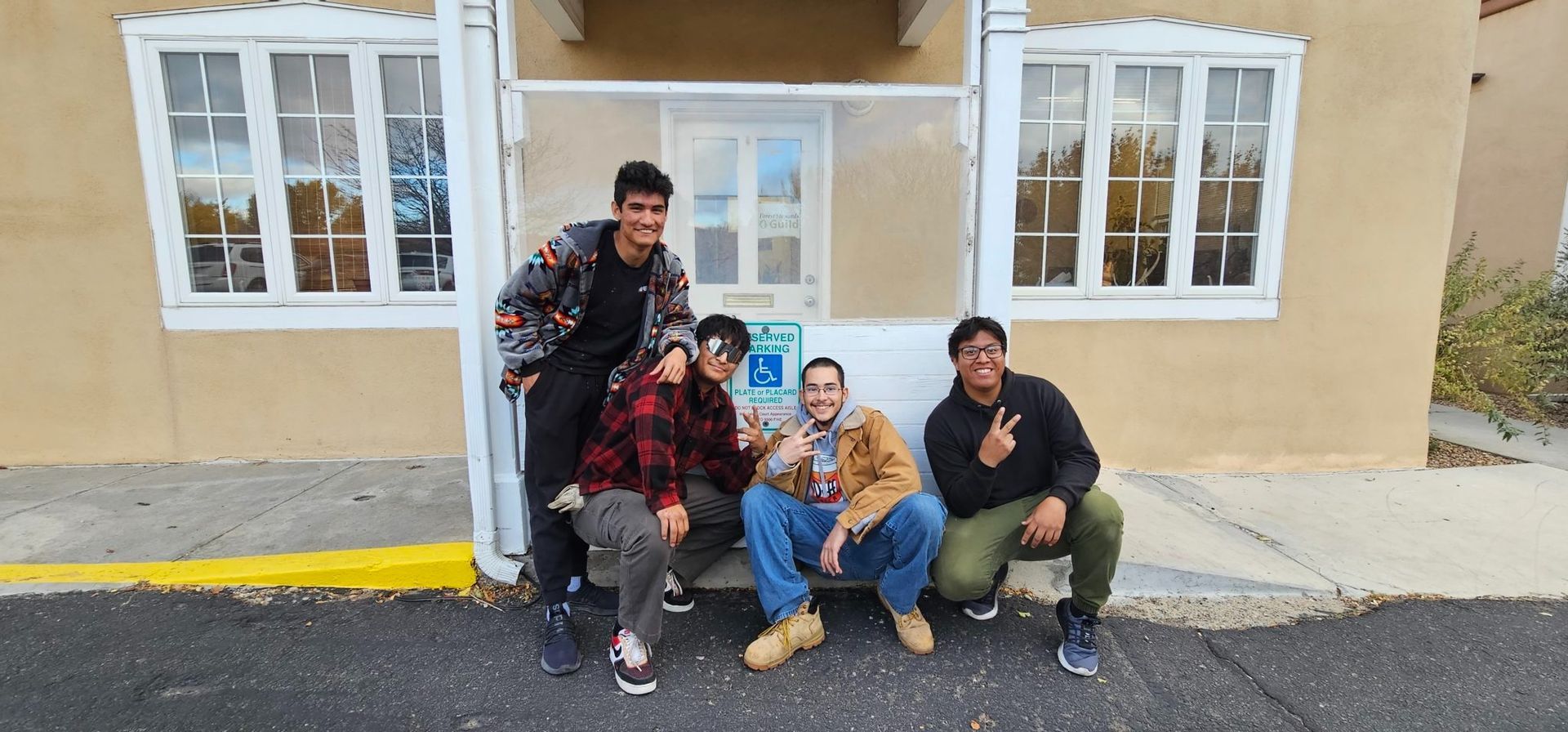
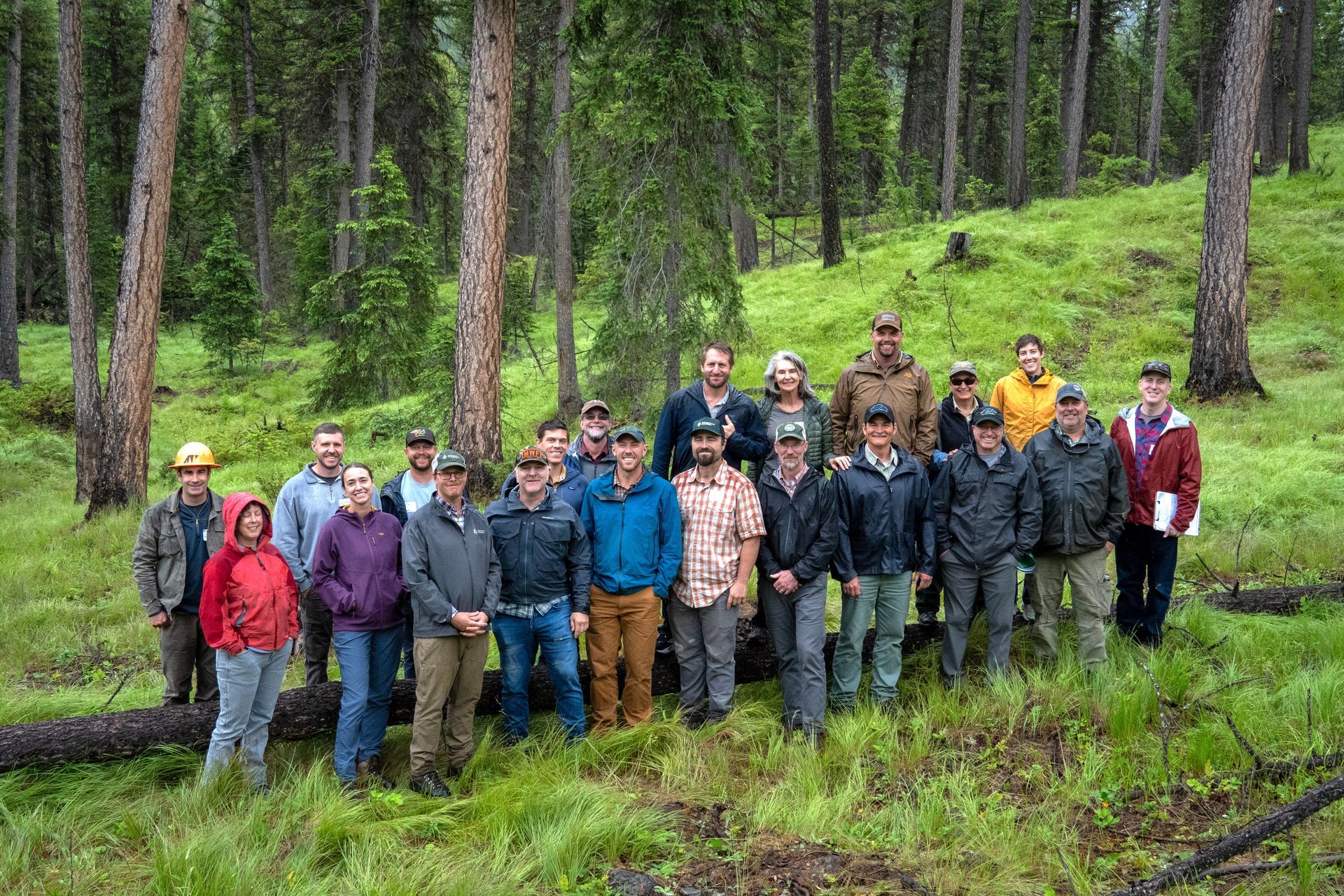
Photo of Jose's Forest Stewards Youth Corps Crew in 2021.

Through hardships to the stars, nothing comes easy in life. Through hard work you can accomplish anything, this is my story. During 2021 I reached a low point in my life after I graduated high school, I did not know what career path to follow. One of my mentors from Communities in Schools presented me with an opportunity, an internship. Adrian Sotelo (CIS), my former mentor, presented me with Future Focused Education and River Source. At my internship with River Source I gained knowledge of how to alter the characteristics of stream flow and build dams with natural resources. I also learned a new love for nature. A conversation came up with Rich Schrader (River Source Director) about wildland firefighting, and he introduced me to The Forest Stewards Guild.

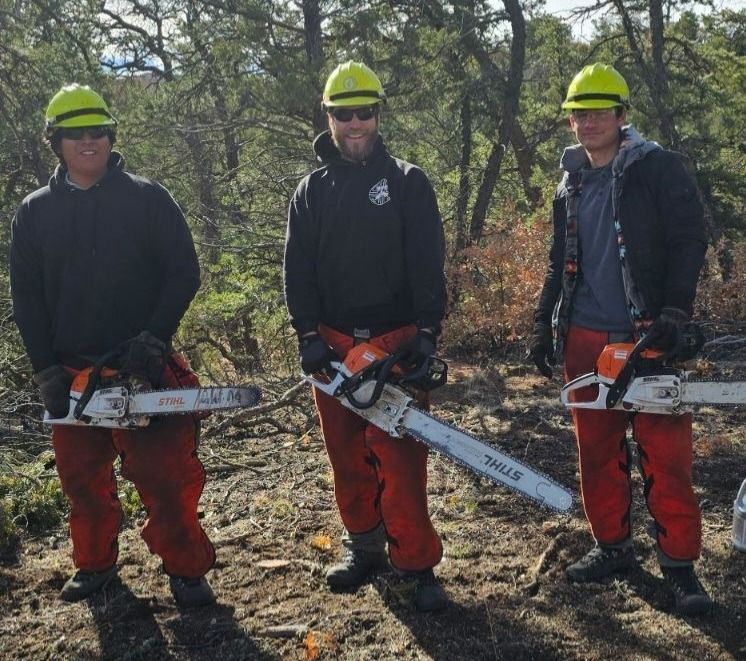
Photo of Jose's 2023 Youth Corps Fall Fire & Fuels Crew

Fall of 2021 I started my journey as a wildland firefighter. I learned a lot in the Forest Stewards Youth Corps Fire and Fuels program, learning new things was a goal I set myself for the 2021 season. I learned how to use a chainsaw, read a map, identify north, east, south and west. I also learned about prescribed burns and how humans have an impact on the environment. One of the most important things I learned wasn’t about fire or chainsaws. It was about me, I learned that giving up wasn’t an option. I really struggled on the pack test, and it took me 3 tries, getting closer each time, till I got it done. I also struggled with chainsaw maintenance and felling a tree, but like any other challenge in life I conquered it and adapted, I worked hard and trained a lot.

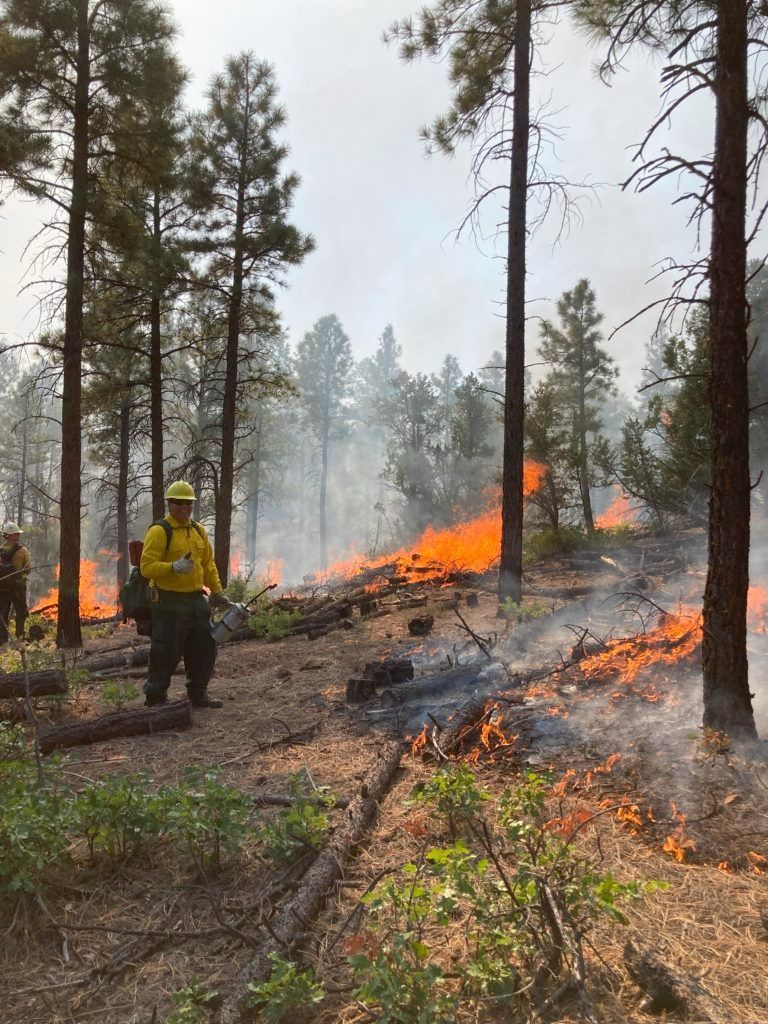
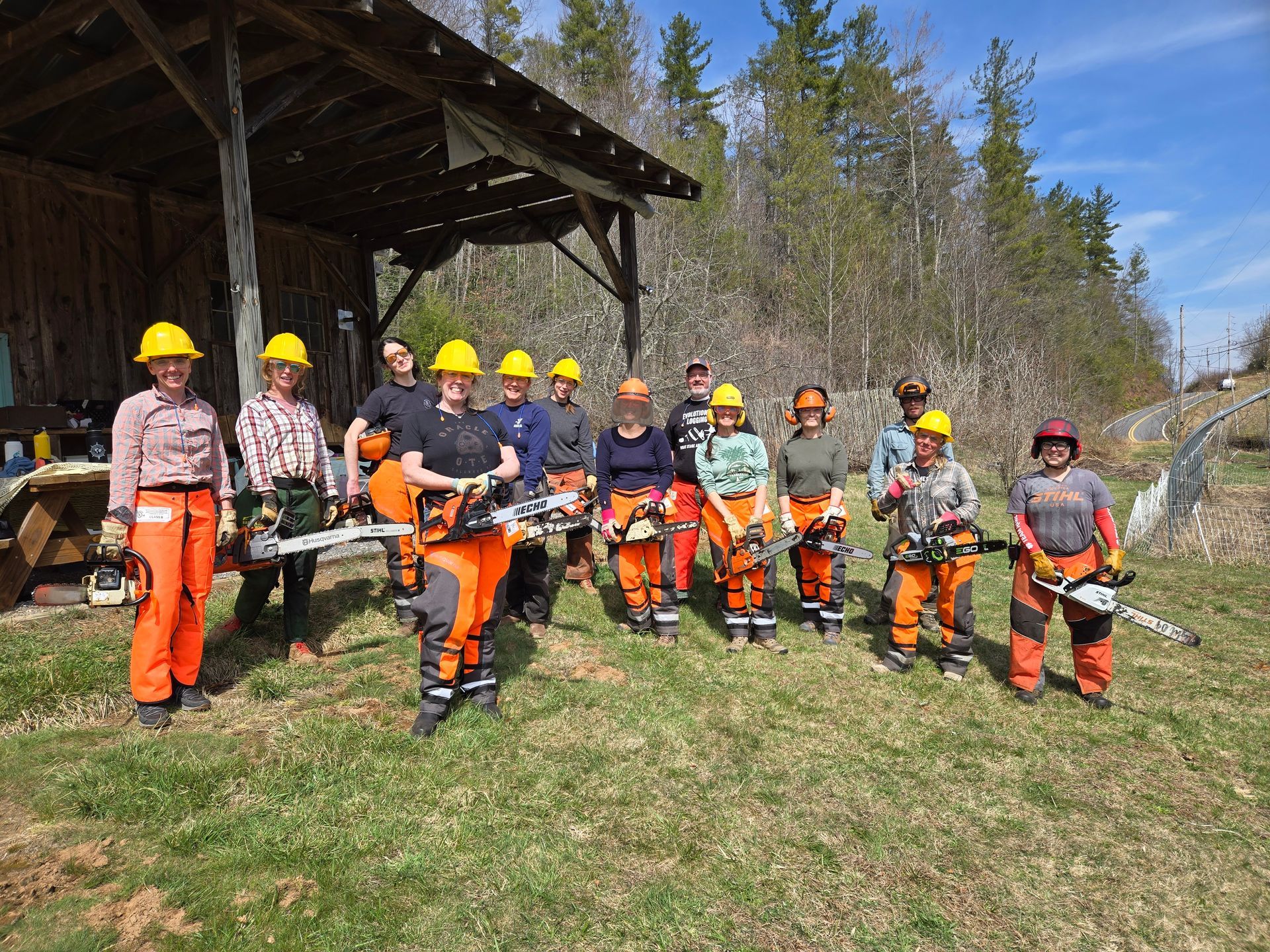
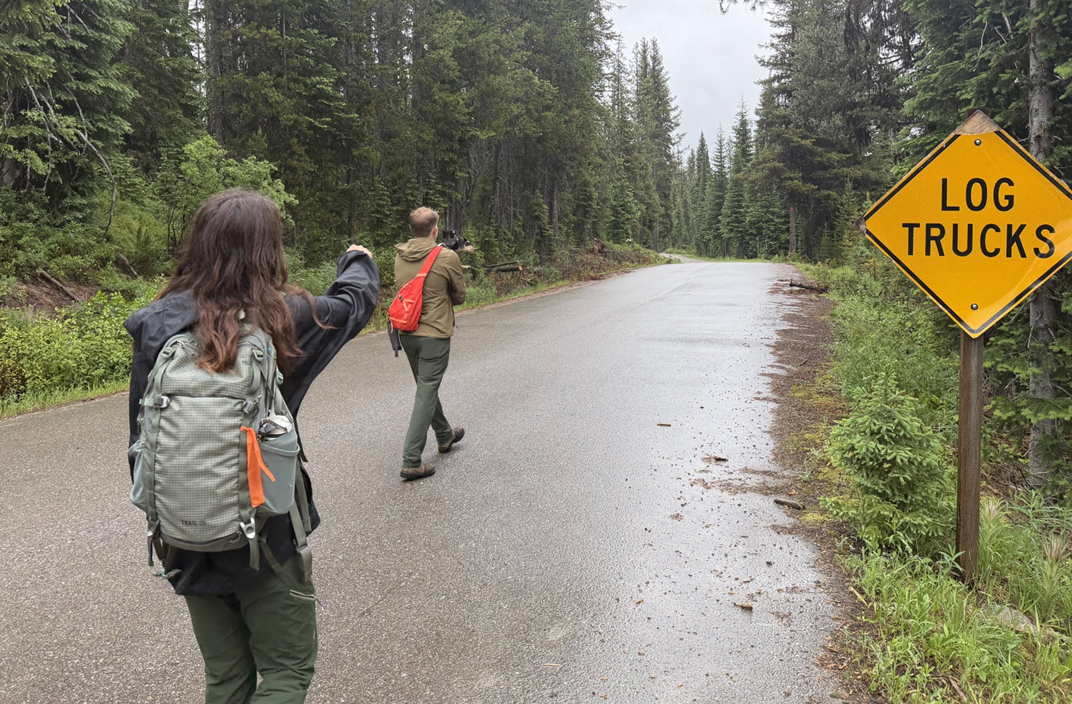
Cottonwood Gulch prescribed fire crews at work in 2023

After the 2021 season ended, I took a break from fire, but I remembered that my old crew lead was a volunteer firefighter. It piqued my interest, so I decided to go to the nearest fire station near me and pursued volunteering as a firefighter. I was working as a care provider and a volunteer firefighter for the first 6 months of 2023. I received an email from the Guild about hiring for the Forest Stewards Youth Corps and I applied. At first, I applied as a crewmember, but Sam Berry (Forest Stewards Guild Southwest Associate Director) encouraged me to apply as crew leader for the fall 2023 FSYC Season. I thought about it for a while, I was anxious. I took the leap of faith and went for it. With the chance I got from the Guild, I learned the biggest part of being a good leader was being humble, being open minded, and listening to my crew members. I had a quote to keep my crew motivated during stressful times. (Insert 2023 Crew here) “One heart one unit” was the quote, at first, I said it as a joke, but it developed a motto for keeping everyone positive. I noticed that my crew worked well together because we all learned together. I taught them about the paperwork I was doing, and they taught me that one person cannot change the world alone, you need a crew. Then the end of the great FSYC 2023 season came. That wasn’t my end with the Guild, I applied to their winter prescribed fire squad and got the opportunity.

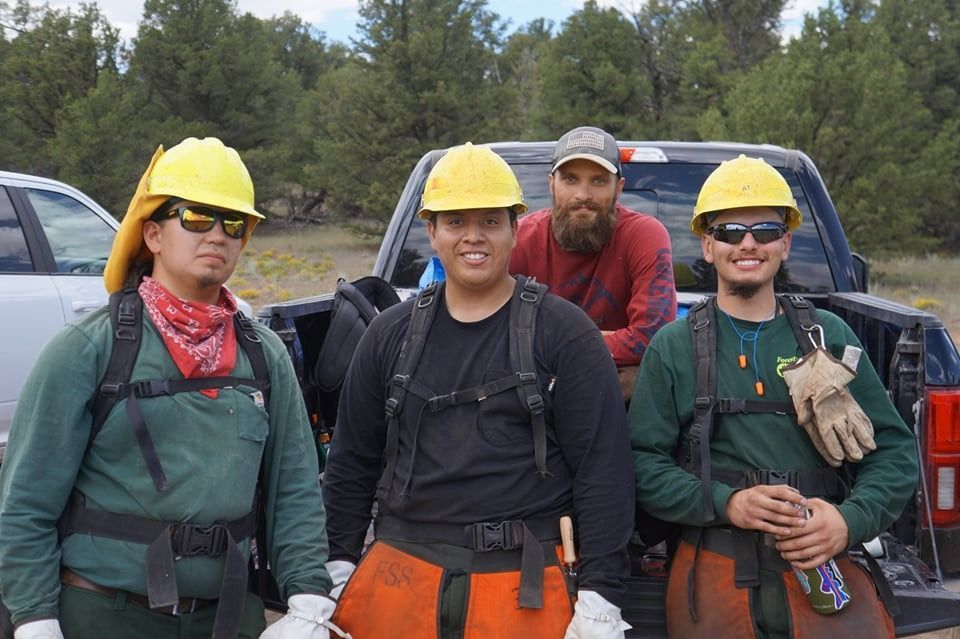
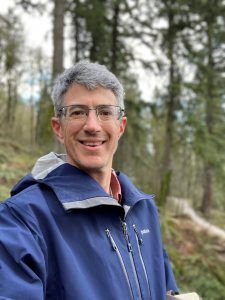
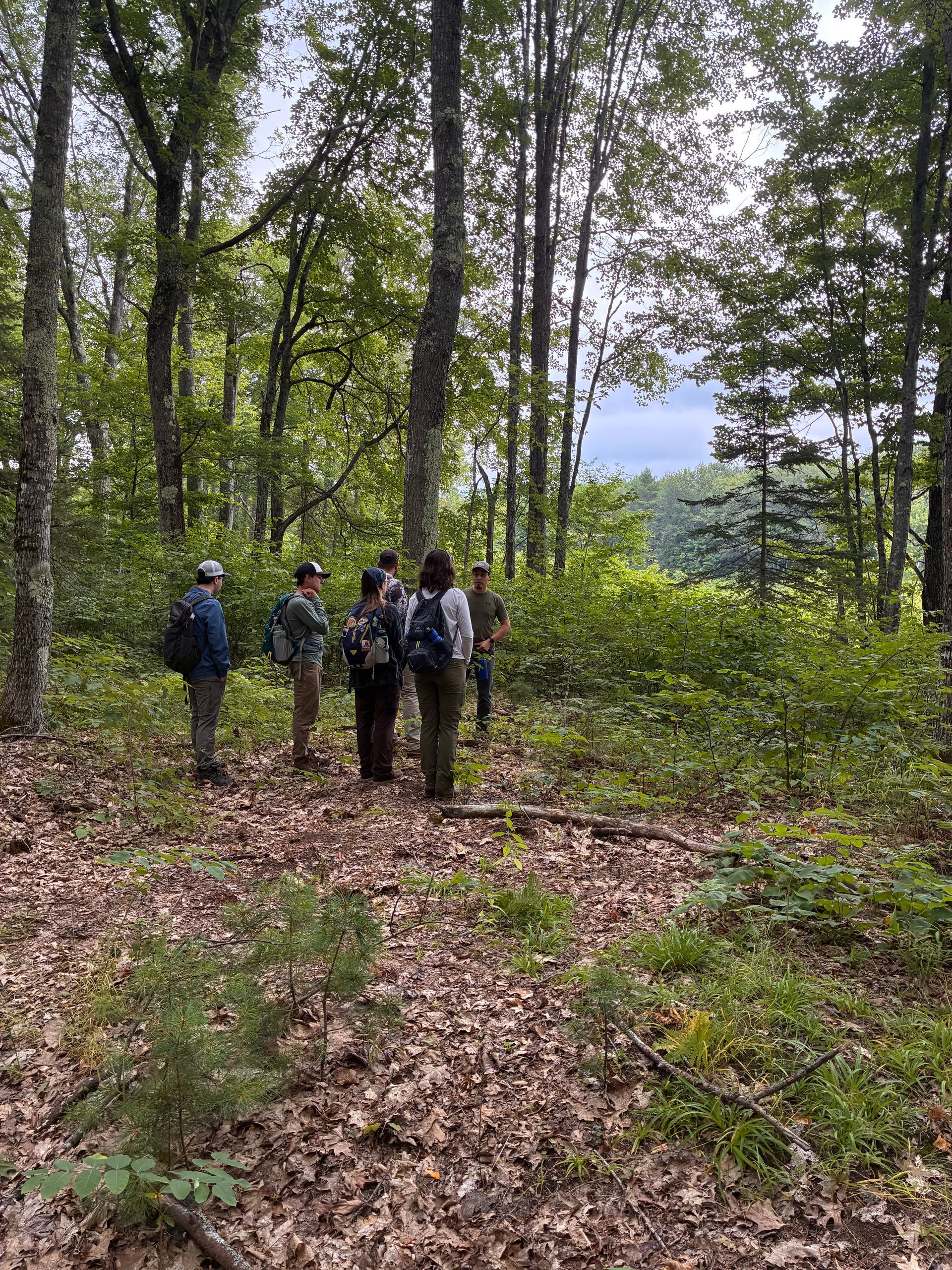
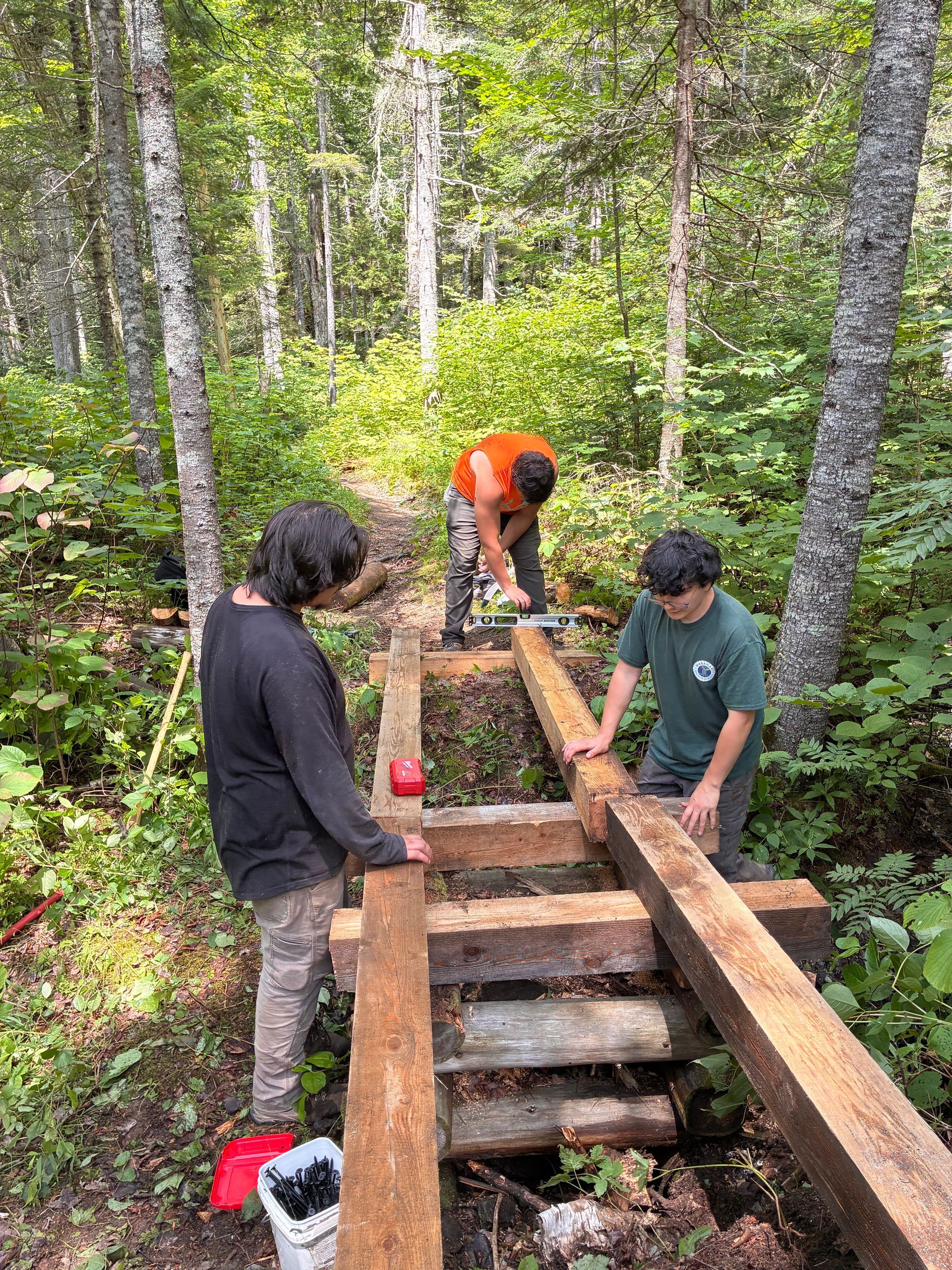
Jose and three others in the all hands all lands crew in 2023

With the winter prescribed fire crew, I understood that burning piles is much harder than anticipated. Hiking through four feet of snow and sometimes even swimming through the snow to get to a pile, builds a lot of character. Jokes aside, it was a learning experience, that’s why I joined the winter prescribed fire crew. I joined because of the drive to learn and expand my knowledge about fire, it has helped at the fire station as well. In my honest opinion during the winter prescribed fire crew, I gained a lot of personal development and learned a lot. I gained knowledge about radios, more chainsaw tricks and firing operations. We also got to teach an intern about chainsaws and a project we are working on making piles. She learned about felling and bucking trees. She also learned about O.H.L.E.C Objectives, Hazards, Leans, Escape Routes and Cut Plans. I gained a lot of knowledge and wisdom during this pile burn squad, a lot of personal growth and it helped me achieve the personal goals I set at the beginning of the season, passing the pack test of course and expanding my knowledge of fire and radios. I appreciate the Guild staff and what they have helped me achieve, my plans haven’t changed, I want to change the world and do great things and hopefully inspire others to do the same.

Recent Posts

By Aidan Juhl April 16, 2026
Written by Colleen Robinson
April 14, 2026
Written by Shannon Maes
April 14, 2026
In September 2025, the Guild launched a three-person Forest Stewards Apprenticeship (FSA) crew to work with the Penobscot Nation’s Department of Natural Resources (PN DNR). Over the course of their six-month season, apprentices Agenor Duhon, Gabe Stewart, and Jacob Baker shared a season of learning, collaboration, and hands-on stewardship of Penobscot Tribal lands.
April 14, 2026
This week, I stepped into the role of crew leader. We worked a full 40-hour week, splitting our time between Clifton Farms and a prescribed burn operation. On the first day in the field, we completed hack-and-squirt treatments on trees that had been marked the previous week. For the remainder of the week, we focused on marking trees for future hack-and-squirt work, maintaining a steady pace and ensuring accuracy in our selections.
April 7, 2026
As Guild members, our practice is fundamentally grounded in field observation. We know intuitively that forests are dynamic, living communities. Yet, for decades, the high-level systems used to value our work, specifically the carbon accounting ledgers tied to international frameworks like the Paris Agreement, have treated forests as static, quantifiable blocks of land. In a recent commentary published in One Earth, I argue that these legacy measurement, reporting, and verification (MRV) frameworks are failing. Ledger accounting relies on crude land-use delineations and outdated technology, effectively penalizing the natural, seasonal flux of the ecosystems we manage every day. By forcing landscapes into rigid “forest” versus “non-forest” binaries, such legacy systems miss the complex reality on the ground. But a major shift is underway.
March 18, 2026
Women have always been a part of forestry. Historically, women often helped guide family decisions about when to cut, which trees to save, and how best to steward their land for the next generation. Historical accounts from the Southern Appalachians describe women’s roles in decisions about timber harvesting and prioritizing long-term forest health. These often-uncredited contributions are even reflected in Aldo Leopold’s A Sand County Almanac (1949), in which describes his stewardship philosophy informed not only by his professional experience, but by shared responsibility, where the perspectives of his wife and daughters played an important role.
March 18, 2026
Although rural regions often host the highest concentrations of public and private forest land, they typically lack the sustainable workforce necessary for active management and stewardship. How do we address this foundational problem in forest conservation?
March 18, 2026
The Forest Stewards Guild has a unique dual mandate: practice and promote forest stewardship. Personally, I think the combination of practicing forest management and promoting best practices is what makes the Guild a vibrant and impactful organization.
February 17, 2026
We celebrate the remarkable career and legacy of Leslie (Les) Benedict, who has provided visionary leadership and dedicated service to the stewardship of forests, championing the preservation of the ecological and culturally important black ash. Benedict, a member of the Saint Regis Mohawk Tribe in Akwesasne, north of the Adirondacks in upstate New York, recently retired after serving as the Assistant Director of the Tribe’s Environment Division for over 35 years.
February 17, 2026
The Forest Stewards Guild has been working to support the National Park Service on forest stewardship projects throughout the eastern U.S. This month we are in the midst of a project to protect mounds at Effigy Mounds National Monument near Harpers Ferry Iowa. This site was designated as a National Monument in 1949 and preserves over 200 mounds built between 800 and 2,500 years ago. Mounds at this site include conical, linear, compound, and effigy mounds – constructed in the shape of animals. Please see the National Park Service page for more information about the mounds, the people who built them, and how to visit the site. The lidar images on that website of the Marching Bears and other mound groups are fascinating.
Show More