
The Guild receives a Central Appalachia Habitat Stewardship grant

January 19, 2022

Written by Shawn Swartz

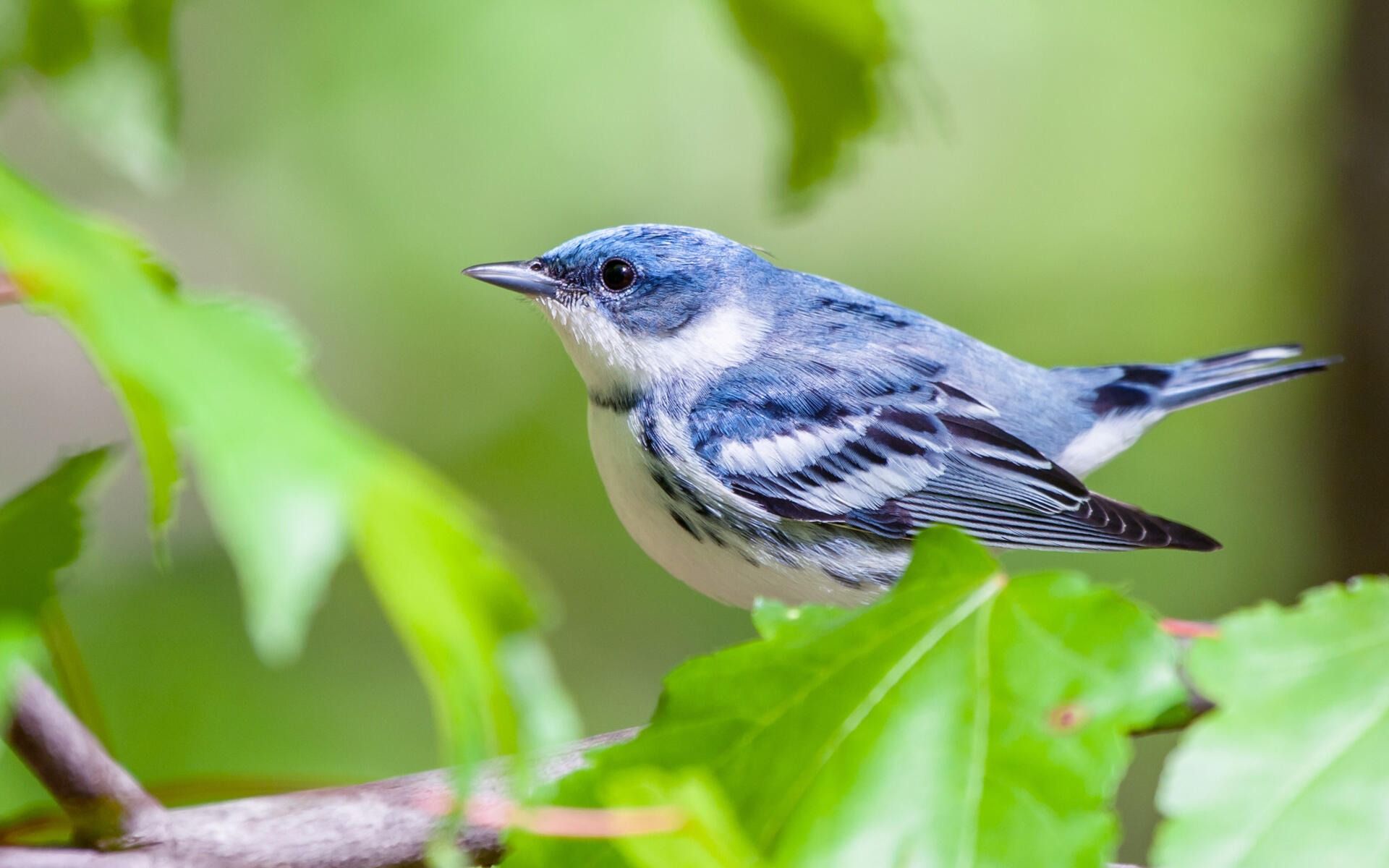
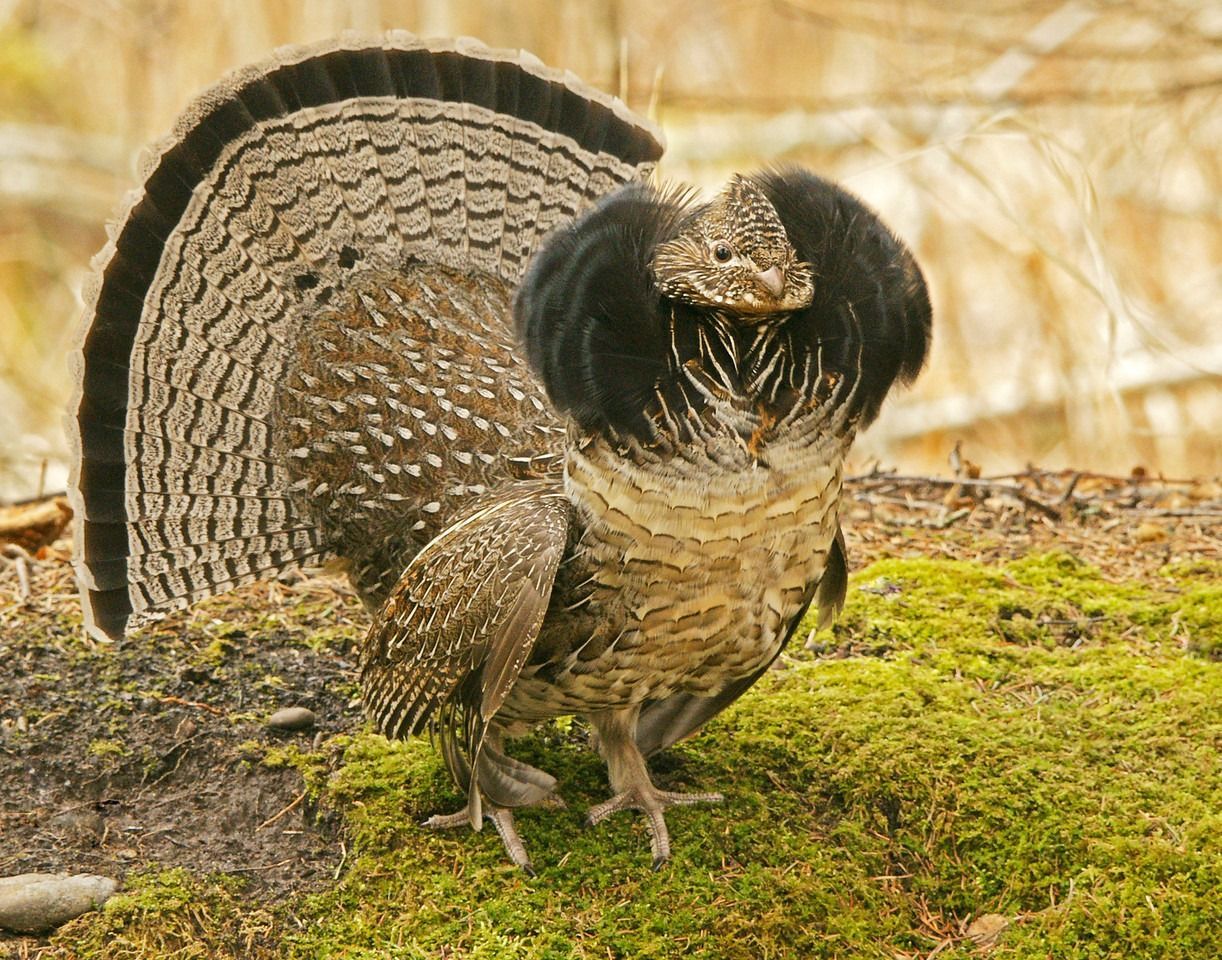
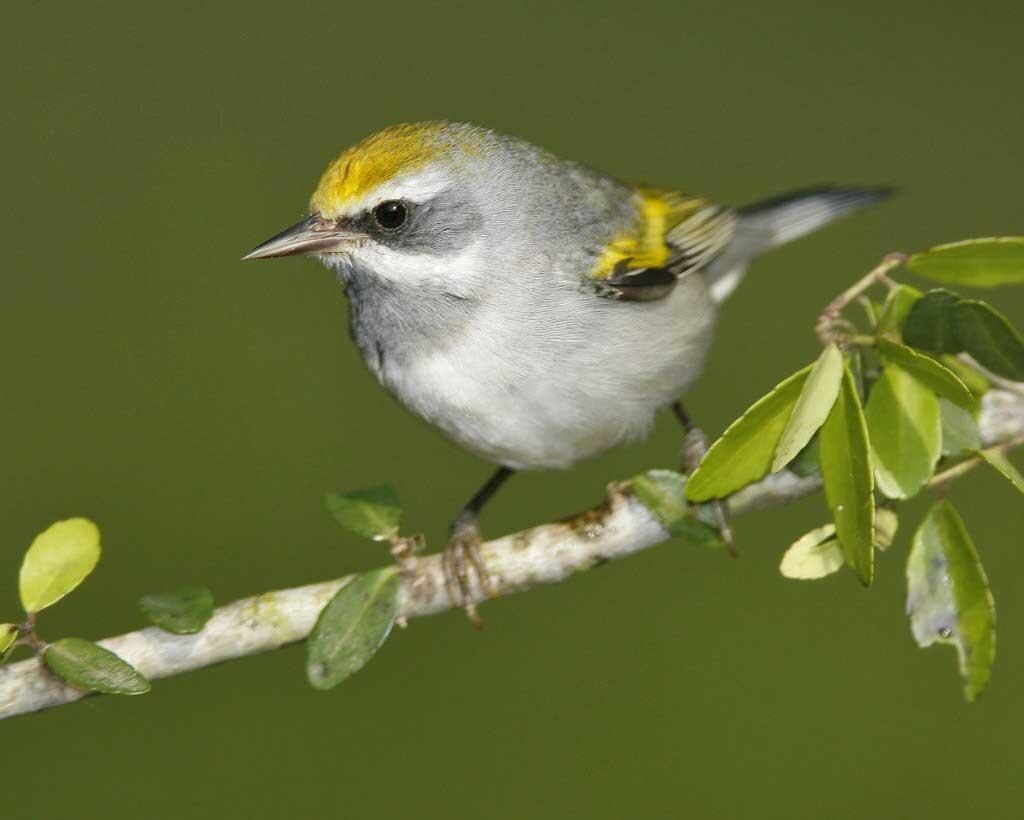
The Forest Stewards Guild is pleased to announce that we have received funding from the National Fish and Wildlife Foundation as part of their Central Appalachia Habitat Stewardship Project, created to restore forest and freshwater habitat for central Appalachian wildlife. Central Appalachia boasts some of the most biologically diverse, temperate deciduous forests in the United States. Some of the wildlife benefitted by this project including ruffed grouse, brook trout, hellbender, and forest birds. The Central Appalachia Habitat Stewardship Project will enable more than 40 different landowners to improve management on more than 1,100 acres of public and private forests and monitor bird populations on 18,000 acres of forests.

The funding will allow the Forest Stewards Guild to increase awareness, capacity, and acreage for bird-friendly forestry in Central Appalachia. Our team will develop a dynamic forest plan across 5,000 acres of privately-owned forest in West Virginia. Three new demonstration sites will be developed on this forest block and will serve as hubs for 5 outreach and technical training opportunities for landowners, practitioners, and future practitioners. This training will increase capacity by training both potential and current NRCS technical service providers. The dynamic forest block will further serve as the landscape for connectivity mapping and bird occupancy mapping, which will be incorporated into an ArcGIS StoryMap that will be pivotal in effective landowner and practitioner outreach and training. Our team will develop a forest management plan template that will increase efficiency and capacity for wildlife forestry in Central Appalachia and that will connect landowners to cost share through NRCS.

The Forest Stewards Guild is proud to have received this award and is excited to work with the National Fish and Wildlife Foundation along with the many other partners involved in the project to increase the environmental, economic, and social health and resilience of the Central Appalachian Forests.

Recent Posts

By Aidan Juhl April 16, 2026
Written by Colleen Robinson
April 14, 2026
Written by Shannon Maes
April 14, 2026
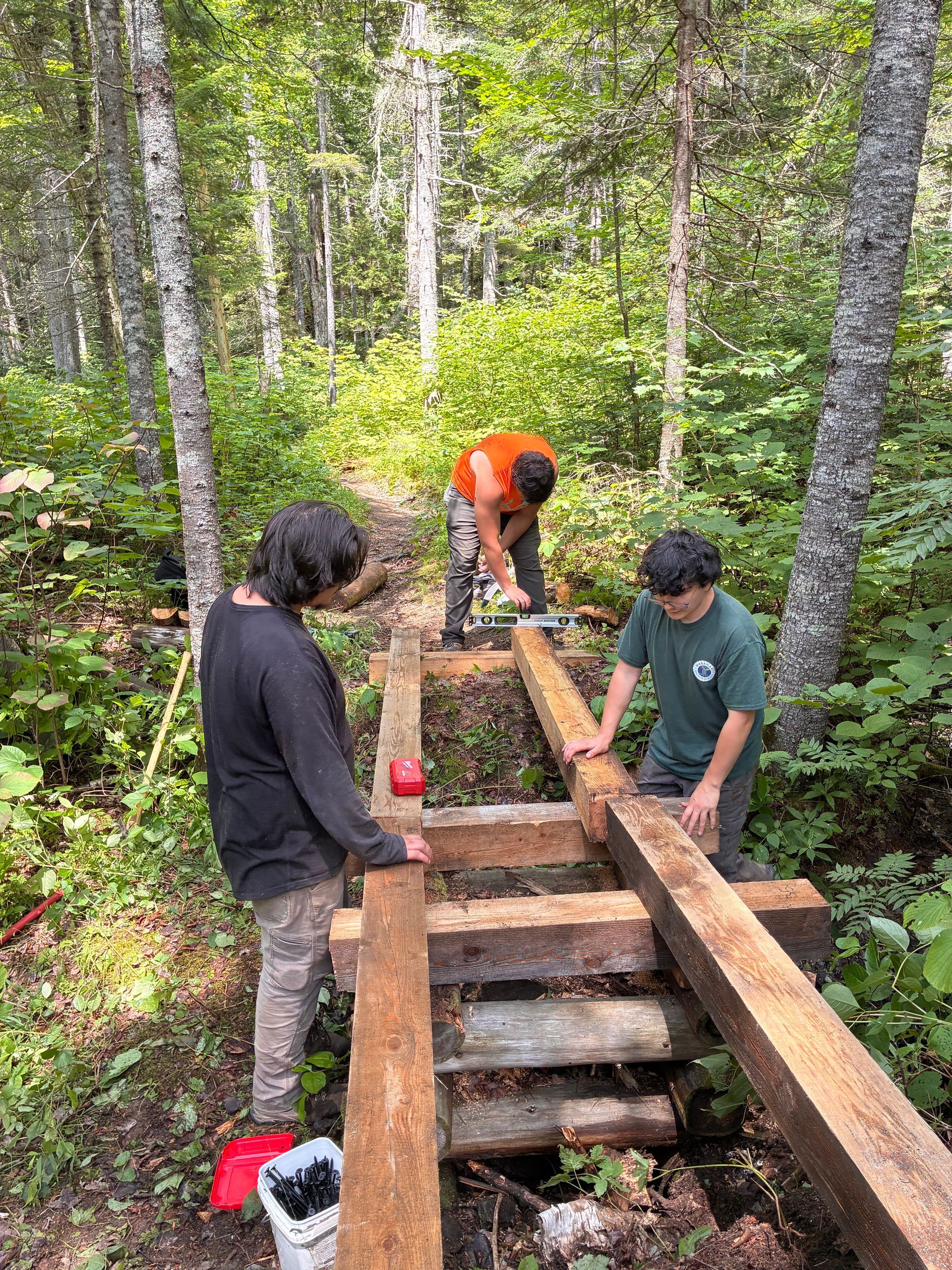
In September 2025, the Guild launched a three-person Forest Stewards Apprenticeship (FSA) crew to work with the Penobscot Nation’s Department of Natural Resources (PN DNR). Over the course of their six-month season, apprentices Agenor Duhon, Gabe Stewart, and Jacob Baker shared a season of learning, collaboration, and hands-on stewardship of Penobscot Tribal lands.
April 14, 2026
This week, I stepped into the role of crew leader. We worked a full 40-hour week, splitting our time between Clifton Farms and a prescribed burn operation. On the first day in the field, we completed hack-and-squirt treatments on trees that had been marked the previous week. For the remainder of the week, we focused on marking trees for future hack-and-squirt work, maintaining a steady pace and ensuring accuracy in our selections.
April 7, 2026
As Guild members, our practice is fundamentally grounded in field observation. We know intuitively that forests are dynamic, living communities. Yet, for decades, the high-level systems used to value our work, specifically the carbon accounting ledgers tied to international frameworks like the Paris Agreement, have treated forests as static, quantifiable blocks of land. In a recent commentary published in One Earth, I argue that these legacy measurement, reporting, and verification (MRV) frameworks are failing. Ledger accounting relies on crude land-use delineations and outdated technology, effectively penalizing the natural, seasonal flux of the ecosystems we manage every day. By forcing landscapes into rigid “forest” versus “non-forest” binaries, such legacy systems miss the complex reality on the ground. But a major shift is underway.
March 18, 2026
Women have always been a part of forestry. Historically, women often helped guide family decisions about when to cut, which trees to save, and how best to steward their land for the next generation. Historical accounts from the Southern Appalachians describe women’s roles in decisions about timber harvesting and prioritizing long-term forest health. These often-uncredited contributions are even reflected in Aldo Leopold’s A Sand County Almanac (1949), in which describes his stewardship philosophy informed not only by his professional experience, but by shared responsibility, where the perspectives of his wife and daughters played an important role.
March 18, 2026
Although rural regions often host the highest concentrations of public and private forest land, they typically lack the sustainable workforce necessary for active management and stewardship. How do we address this foundational problem in forest conservation?
March 18, 2026
The Forest Stewards Guild has a unique dual mandate: practice and promote forest stewardship. Personally, I think the combination of practicing forest management and promoting best practices is what makes the Guild a vibrant and impactful organization.
February 17, 2026
We celebrate the remarkable career and legacy of Leslie (Les) Benedict, who has provided visionary leadership and dedicated service to the stewardship of forests, championing the preservation of the ecological and culturally important black ash. Benedict, a member of the Saint Regis Mohawk Tribe in Akwesasne, north of the Adirondacks in upstate New York, recently retired after serving as the Assistant Director of the Tribe’s Environment Division for over 35 years.
February 17, 2026
The Forest Stewards Guild has been working to support the National Park Service on forest stewardship projects throughout the eastern U.S. This month we are in the midst of a project to protect mounds at Effigy Mounds National Monument near Harpers Ferry Iowa. This site was designated as a National Monument in 1949 and preserves over 200 mounds built between 800 and 2,500 years ago. Mounds at this site include conical, linear, compound, and effigy mounds – constructed in the shape of animals. Please see the National Park Service page for more information about the mounds, the people who built them, and how to visit the site. The lidar images on that website of the Marching Bears and other mound groups are fascinating.
Show More