Supporting wildland firefighters and a resilience workforce

October 16, 2024

Written by Zander Evans

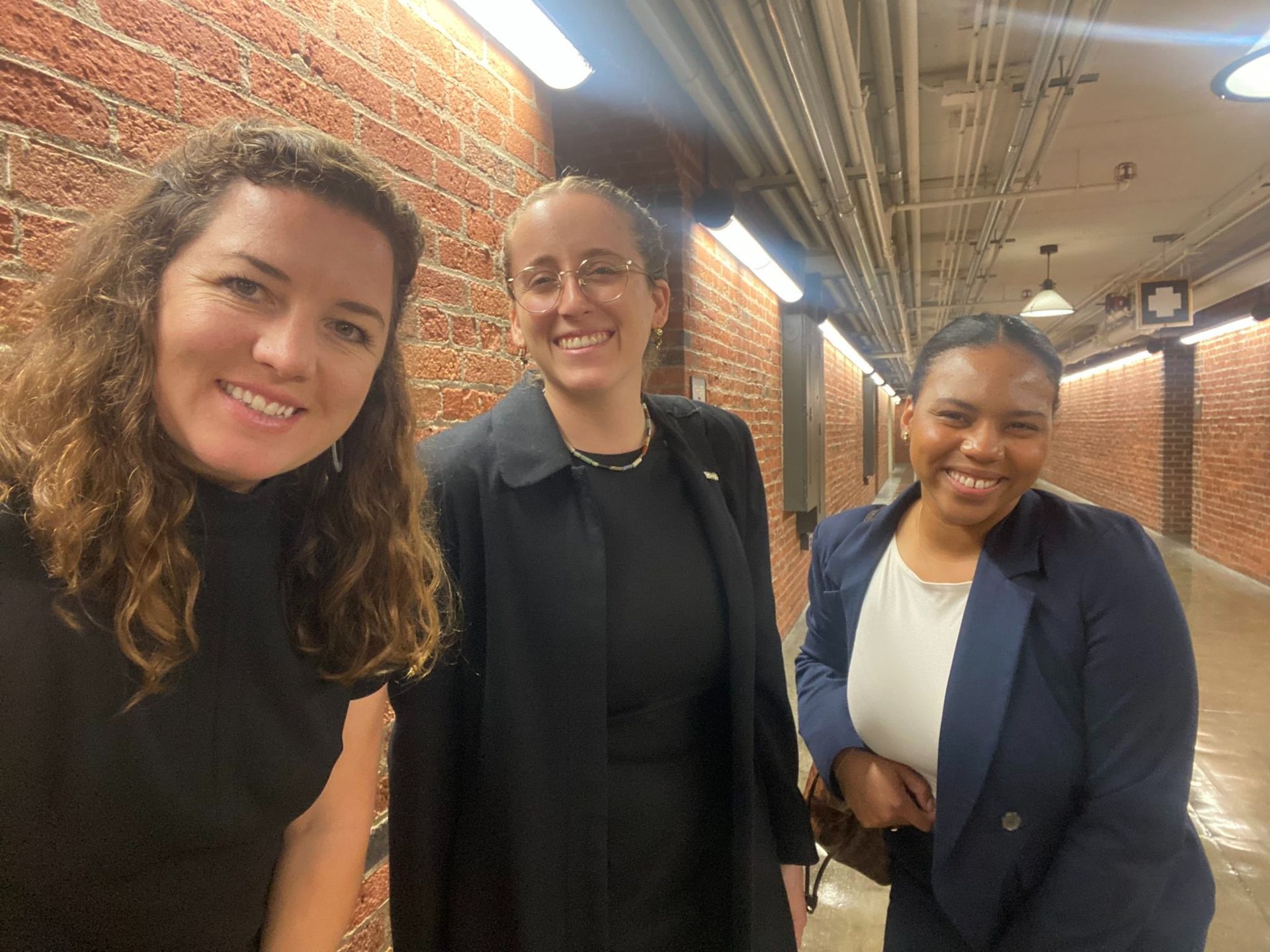
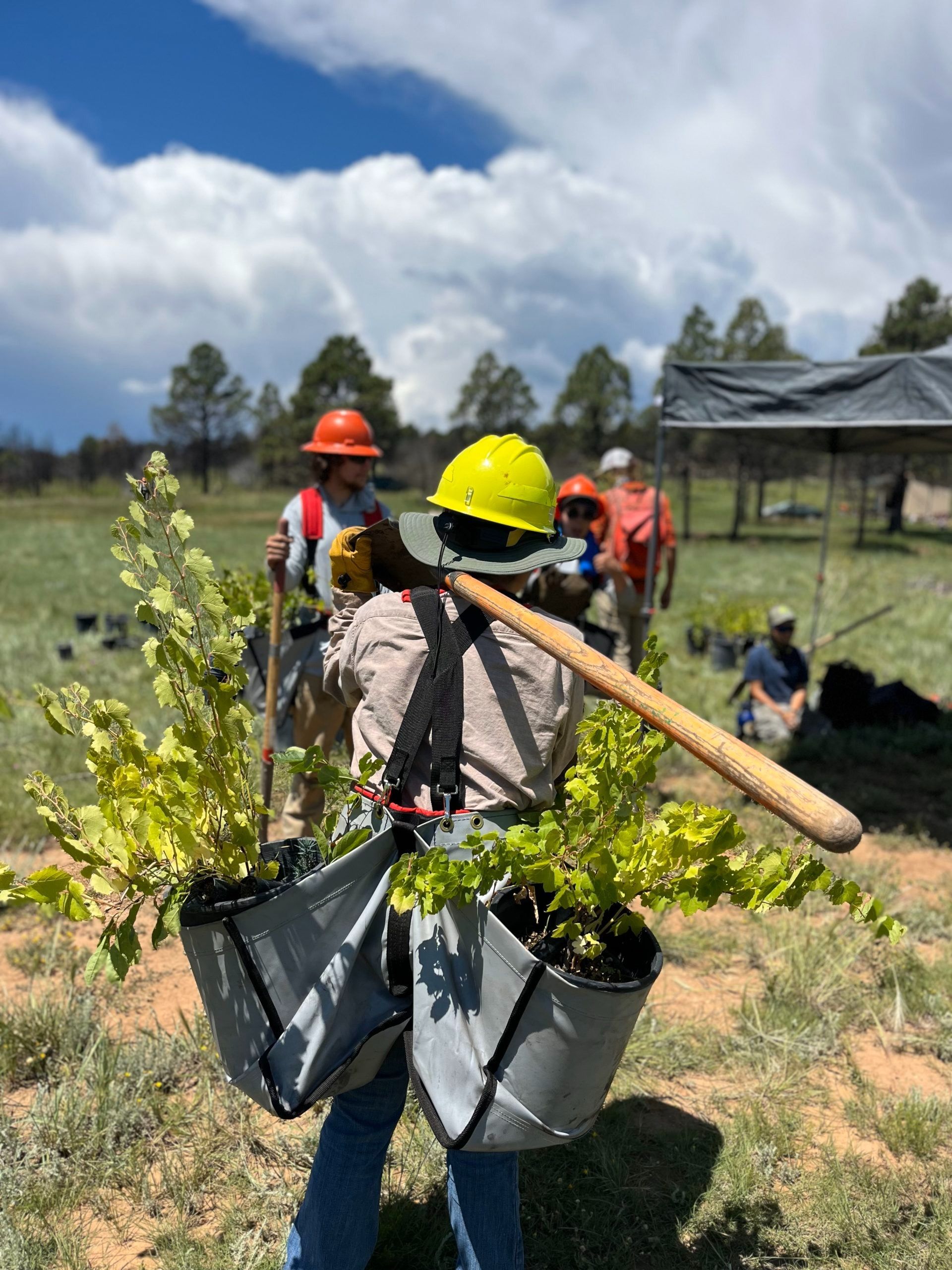
The Guild is actively advocating for and building a resilience workforce, which means a wildland fire workforce that also integrates planting, thinning, and other restoration work. On a recent trip to Washington D.C., two Guild directors, Esmé Cadiente and Eytan Krasilovsky, educated policymakers on the critical benefits of investing in a resilience workforce. As the leader of the Wildfire Resilience Coalition, Esmé has been organizing a broad coalition of groups to ensure that practitioners have a direct hand in shaping effective policy, particularly around workforce

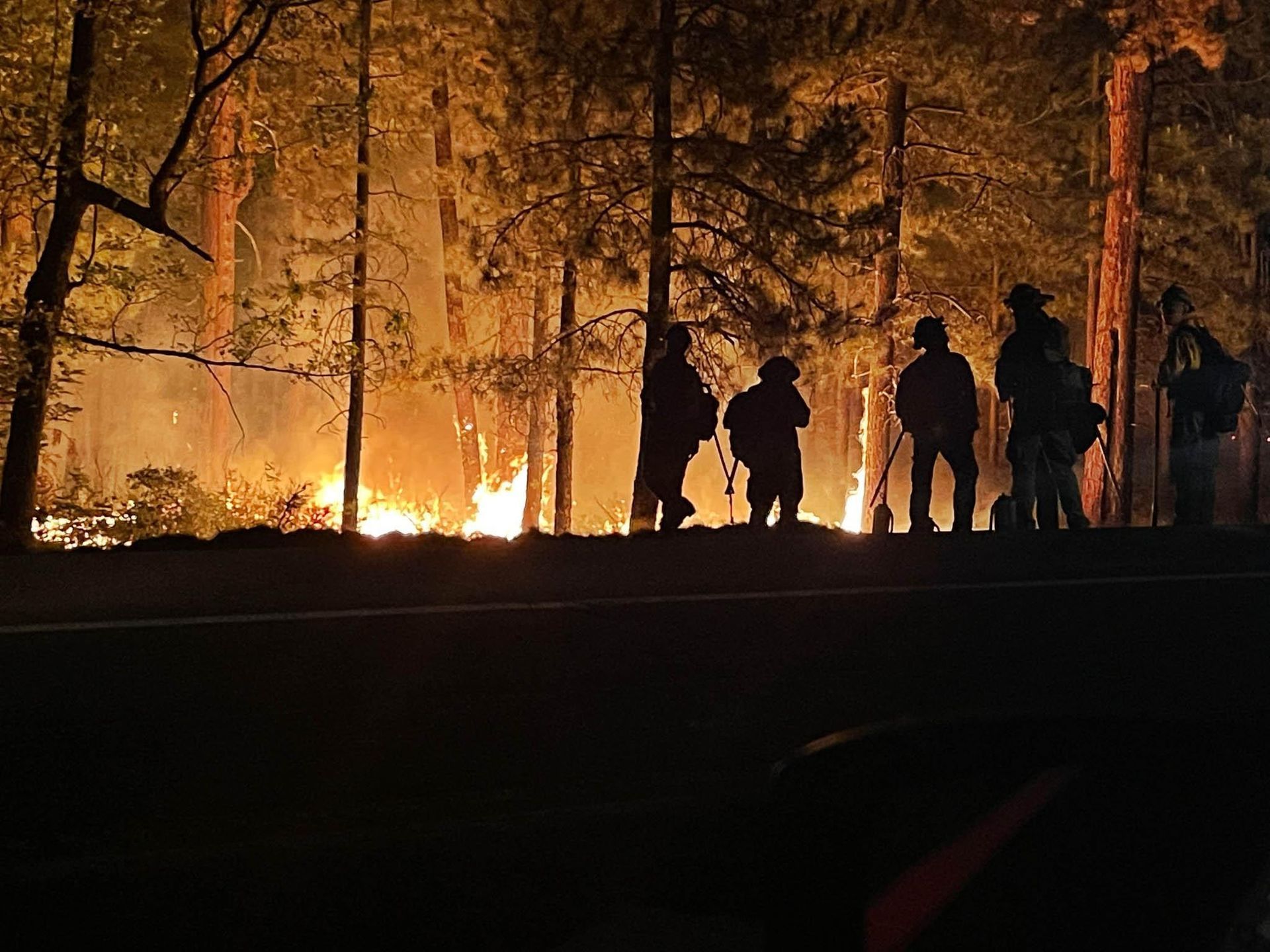
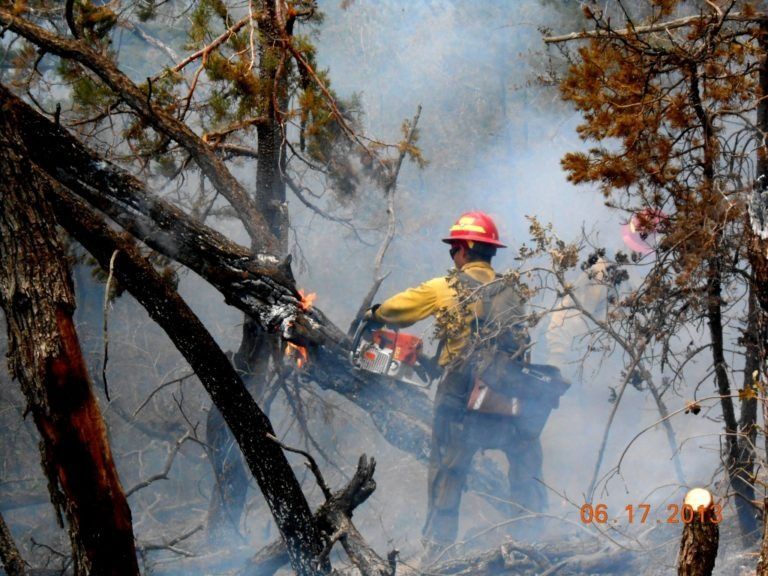
While the Guild recognizes that firefighters are just one component of a broader holistic resilience workforce, they are currently at the forefront due to pressing issues around wages and retention. Wildland firefighters are the single most important resource we have for protecting lives, communities, forests, and grasslands from devastating fires across the United States. They not only provide safe and effective fire suppression but also play key roles in promoting resilience before fires and mitigating damage afterward. Today’s wildland firefighters are highly skilled and certified through a rigorous qualification system. They travel around the country, spending long stretches away from their homes as part of incident response teams. Wildfire management is inherently a collaborative effort, relying on partnerships between federal, state, Tribal, local, and volunteer entities. 

Nearly 20,000 federal wildland firefighters work for the Department of Interior and the Department of Agriculture, making up a significant portion of the resources that respond to large wildfires across the nation. In July 2024 alone, almost 28,000 firefighters were engaged in battling 95 large fires burning over 3,400 square miles. The US Forest Service had 11,393 wildland firefighters on staff (GS-9 and below) in 2024, with an additional 5,000 higher-level positions augmenting this force. Similarily, the Department of Interior employs around 5,000 wildland firefighters. Beyond federal resources, state agencies, municipalities, and private companies also play a crucial role in the broader wildland fire workforce, contributing significantly to the nation’s wildfire response efforts (see this recent blog from the Guild’s Maya Hilty for more details). 

In general, federal firefighters are paid less than their counterparts in private companies and state agencies. A 2023 study found that federal firefighter salaries lag behind state agencies by nearly a third. There is huge variation in wildland firefighter pay driven by experience, overtime, hazard pay, and role which makes comparisons challenging. However, low wages are a clear cause for recruitment and retention problems (see for example Belval et al 2024, GAO-23-105517). Anecdotal reports indicate that attrition is worst among those with extensive experience who are most difficult to replace. Through the 2021 Infrastructure Investment and Jobs Act (IIJA), federal wildland firefighters received a well-deserved pay increase. Now it is crucial that policymakers make this increase permanent. 

While increasing pay for federal wildland firefighters is a necessary and critical step toward addressing recruitment and retention issues, it alone is not sufficient. Pay disparities for non-federal firefighters also require attention to ensure retention issues are fixed across the board and not simply shifted. Perhaps more important than salary is the constellation of other issues that make firefighting a stressful and hazardous job.

Even in the best circumstances, firefighters work hard in steep terrain, hot temperatures, dangerous environments, and under the stress of emergency situations. Firefighters deserve the best possible mental health support to respond to their exposure to trauma and life-threatening situations, long hours of physically demanding work, sleep deprivation, and separation from family during assignments. Currently, research suggests nearly half of wildland firefighters reported depression or anxiety (see Granberg et al. 2023). Because of their dependence on hazard and overtime pay, often firefighters are forced to take stressful assignments to ensure financial sustainability instead of taking time off for mental health, family matters, or other personal reasons. Not surprisingly, the work-life balance in firefighting jobs has a negative impact on morale. Groups like Grassroots Wildland Firefighters and the Woods Institute at Stanford have detailed proposals to improve the work-life balance and mental health for wildland firefighters. 

As the Wildland Fire Mitigation and Management Commission noted in their report, we must invest in retention initiatives to stem the loss of highly trained and experienced firefighters. Similarly, we need to expand recruitment strategies and create efficient hiring pathways that support the development of a larger, more diverse, and inclusive workforce. To build on recruiting, we need to create and fund interagency training and development opportunities for fireline leadership roles, particularly those requiring higher experience levels and qualifications. We must also bolster the year-round firefighting workforce able to work on fire mitigation and recovery, including an expansion of prescribed burning, in addition to responding to fires. According to data from 2022, half the federal wildland firefighting workforce is only employed seasonally, for a maximum of six months. 

Another critical issue that requires a holistic approach to land management and workforce challenges is housing. Building a robust wildfire and resilience workforce requires significantly increasing access to permanent, temporary, and seasonal housing options. Housing shortages, especially in rural and wildfire-prone areas, have become a major barrier to recruitment and retention of firefighters and other land management professionals. 

Long-term wildfire resilience depends on the wildland fire workforce before, during, and after wildfires occur. This includes activities like prescribed burning, hazardous fuels reduction, post-fire restoration, replanting, and watershed protection. Access to temporary and affordable housing not only supports firefighters on the front lines but also those involved in these broader land stewardship activities that enhance forest health and mitigate future wildfire risks. The Guild will continue to advocate for policies that support firefighters and their crucial role in stewarding forests across the country. This includes pushing for workforce investments that address wage parity, housing availability, and building the broader resilience workforce.

Recent Posts

By Aidan Juhl April 16, 2026
Written by Colleen Robinson
April 14, 2026
Written by Shannon Maes
April 14, 2026
In September 2025, the Guild launched a three-person Forest Stewards Apprenticeship (FSA) crew to work with the Penobscot Nation’s Department of Natural Resources (PN DNR). Over the course of their six-month season, apprentices Agenor Duhon, Gabe Stewart, and Jacob Baker shared a season of learning, collaboration, and hands-on stewardship of Penobscot Tribal lands.
April 14, 2026
This week, I stepped into the role of crew leader. We worked a full 40-hour week, splitting our time between Clifton Farms and a prescribed burn operation. On the first day in the field, we completed hack-and-squirt treatments on trees that had been marked the previous week. For the remainder of the week, we focused on marking trees for future hack-and-squirt work, maintaining a steady pace and ensuring accuracy in our selections.
April 7, 2026
As Guild members, our practice is fundamentally grounded in field observation. We know intuitively that forests are dynamic, living communities. Yet, for decades, the high-level systems used to value our work, specifically the carbon accounting ledgers tied to international frameworks like the Paris Agreement, have treated forests as static, quantifiable blocks of land. In a recent commentary published in One Earth, I argue that these legacy measurement, reporting, and verification (MRV) frameworks are failing. Ledger accounting relies on crude land-use delineations and outdated technology, effectively penalizing the natural, seasonal flux of the ecosystems we manage every day. By forcing landscapes into rigid “forest” versus “non-forest” binaries, such legacy systems miss the complex reality on the ground. But a major shift is underway.
March 18, 2026
Women have always been a part of forestry. Historically, women often helped guide family decisions about when to cut, which trees to save, and how best to steward their land for the next generation. Historical accounts from the Southern Appalachians describe women’s roles in decisions about timber harvesting and prioritizing long-term forest health. These often-uncredited contributions are even reflected in Aldo Leopold’s A Sand County Almanac (1949), in which describes his stewardship philosophy informed not only by his professional experience, but by shared responsibility, where the perspectives of his wife and daughters played an important role.
March 18, 2026
Although rural regions often host the highest concentrations of public and private forest land, they typically lack the sustainable workforce necessary for active management and stewardship. How do we address this foundational problem in forest conservation?
March 18, 2026
The Forest Stewards Guild has a unique dual mandate: practice and promote forest stewardship. Personally, I think the combination of practicing forest management and promoting best practices is what makes the Guild a vibrant and impactful organization.
February 17, 2026
We celebrate the remarkable career and legacy of Leslie (Les) Benedict, who has provided visionary leadership and dedicated service to the stewardship of forests, championing the preservation of the ecological and culturally important black ash. Benedict, a member of the Saint Regis Mohawk Tribe in Akwesasne, north of the Adirondacks in upstate New York, recently retired after serving as the Assistant Director of the Tribe’s Environment Division for over 35 years.
February 17, 2026
The Forest Stewards Guild has been working to support the National Park Service on forest stewardship projects throughout the eastern U.S. This month we are in the midst of a project to protect mounds at Effigy Mounds National Monument near Harpers Ferry Iowa. This site was designated as a National Monument in 1949 and preserves over 200 mounds built between 800 and 2,500 years ago. Mounds at this site include conical, linear, compound, and effigy mounds – constructed in the shape of animals. Please see the National Park Service page for more information about the mounds, the people who built them, and how to visit the site. The lidar images on that website of the Marching Bears and other mound groups are fascinating.
Show More