Shared Stewardship
Written by Michael McNorvell and Zander Evans
Collaborative approaches to stewardship have become essential for effective management of forest lands across the United States. While multi-partner cooperation in stewardship has existed for decades, “Shared Stewardship” as an official United States Forest Service (USFS) strategy was introduced in 2018 to identify shared priorities, marshal complementary capacities, and work across jurisdictional and geographic boundaries. It seeks to set the framework for management of millions of acres of our public lands, and because of the pivotal role of the USFS across the national forestry sector, Shared Stewardship will undoubtedly influence policies and programs that determine the direction of land management moving forward. The public is well served to understand the approach, its benefits, and its potential shortcomings.
The Shared Stewardship Toolkit
Shared Stewardship is a broad strategy rather than a detailed program or legally defined authority, so understanding its potential requires parsing a wide variety of actions, case studies, and statements. Many of the policies, authorities, and strategies employed under Shared Stewardship have been used to engage co-management of federal lands for years – sometimes decades – as standalone tools. One of the most familiar and widely-used is the Good Neighbor Authority (GNA), which grants federal agencies Congressional authority to enter into agreements with states, Tribes, and local governments. GNA is at the center of what most think of as “shared stewardship” between federal and state entities.
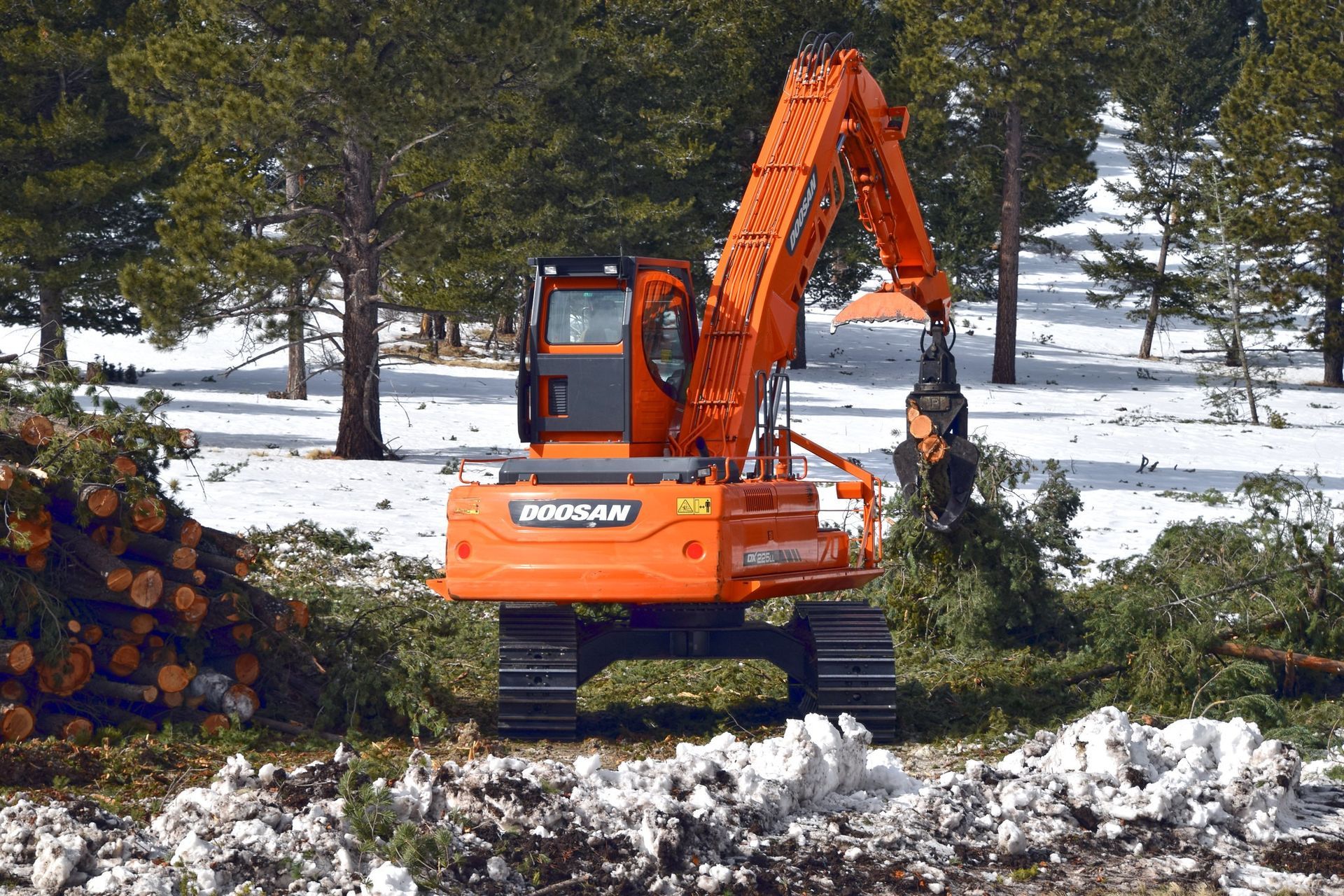
GNA is indeed a powerful tool, and still some situations prevent the efficient application of the authority for forest management, necessitating other strategies and delivery methods. USFS has compiled ten “Tools for Implementation” under their Shared Stewardship guide that highlights what tools are available and where they are most applicable under the Shared Stewardship strategy. Once the appropriate tool(s) is identified, Shared Stewardship is actualized most often through a Memorandum of Understanding (MOU), which states the justification for the agreement and the terms parties agree to.
So, Is There Anything New with Shared Stewardship?
Presidential administrations often build on and refine prior federal land management frameworks to reflect evolving priorities and on-the-ground realities. Shared Stewardship draws from earlier cross-boundary wildfire and forest management strategies, like the Wildfire Crisis Strategy, and the National Cohesive Wildland Fire Management Strategy, while placing a more explicit emphasis on state involvement and leadership. As this approach continues to take shape, there is an opportunity to ensure that state-led co-management is implemented in ways that maintain consistency across jurisdictions, support shared accountability, and effectively leverage the respective strengths of federal and partners.
- Shared Stewardship is based on seven central ideas from USFS:
- Work with states to set priorities and co-manage risk across broad landscapes.
- Use new tools to conduct targeted investment planning.
- Focus work on broad outcomes rather than outputs.
- Capitalize on new or expanded federal authorities such as categorical exclusions.
- Improve the USFS’s internal processes.
- Use all active management tools including prescribed fire.
- Apply a risk-based response to wildfire.
State assistance with federal land management is increasingly important as federal natural resource agencies navigate ongoing workforce transitions and capacity constraints. Since January 2025, USFS has experienced significant staffing reductions, with additional adjustments likely as agencies continue to realign priorities and resources. Long before 2025, however, the USFS has relied on the capacity and expertise of state agencies to advance core forestry objectives. This reliance is likely to grow as states and federal partners work together to meet the administration’s goal of increasing domestic timber production by 25 percent (see Executive Order 14225, Immediate Expansion of American Timber Production).
States’ Role in Shared Stewardship
Most recent Shared Stewardship agreements are between individual states and the USFS, though federal partnerships with tribes and other non-state entities also exist under Shared Stewardship including with the Leech Lake Band of Ojibwe (see Putting Shared Stewardship into Practice), the Western Governors’ Association, and with Sierra Pacific Industries. As Shared Stewardship MOU’s are formulated to meet the needs of individual states, so too are the strategies used to implement Shared Stewardship on unique ecosystems. Thus, each state has taken a slightly different approach to implement its vision of Shared Stewardship
Tom Schultz, the current Chief of the USFS, has provided his perspective on the central role of states in federal land management in a book chapter about cooperative federalism: “States can attain primacy to administer the federal laws on private, state, and even federal lands under the oversight of the federal government.” In cooperative federalism, states administer federal laws to manage and protect federal public lands in cooperation with the Forest Service. Chief Schultz sees state assistance in planning, development, and implementation as a way of reducing conflicts and gridlock, increasing the pace and scale of forest management, and allowing USFS to retain its decision-making authority.
The ‘Oregon Model’
Signed in 2019, Shared Stewardship between the Oregon Department of Forestry (ODF) and USFS has taken a distinctly grassroots, bottom-up approach to co-managing federal lands. Grounded first and foremost in Oregon’s tradition of engaging forest stewardship collaboratives, Oregon’s MOU highlights the necessary role of tribal nations, industry practitioners, environmental groups, non-governmental organizations, community partners, and effective collaboratives in planning and executing landscape restoration on public and private lands. Oregon Shared Stewardship tasks all implementors with creating “[a] governance process that respects and builds on Oregon’s grassroots collaborative approach” ensuring local priorities and capacities shape project prioritization and implementation with limited funds.
Oregon’s collaborative approach resulted in a strong emphasis on landscape-scale resilience and addressing wildfire hazards to communities, evident in their 20-Year Landscape Resiliency Strategy. By the end of 2023, ODF’s Landscape Resiliency Program had provided $20 million in funding from the Oregon legislature to nine collaboratively led projects, and outperformed its treated acreage goal of around 211,000 acres. By 2025, an additional $10 million helped surpass treated-acreage objectives by more than 4,000 acres. These treatments have had the collective benefit of improving wildfire response and ecosystem health, all while encouraging commercially or ecologically desirable tree species, enhancing wildlife habitat, and providing woody material for culturally and commercially significant stream restoration projects. From the numbers, it presents a strong case for letting communities lead landscape-scale forest stewardship in their own backyards.
The “New” Montana Model: What’s Different?
Montana’s 2025 MOU on Shared Stewardship is similar in shape and sound to Oregon’s; both create Shared Stewardship frameworks for implementation, emphasize wildfire risk reduction, and maintain a multi-jurisdictional focus for landscape-scale resilience. So, what’s different? Well, they say timing is everything, and the Montana MOU on Shared Stewardship is informed in no small part by Executive Order 14225, which directly preceded its signing.
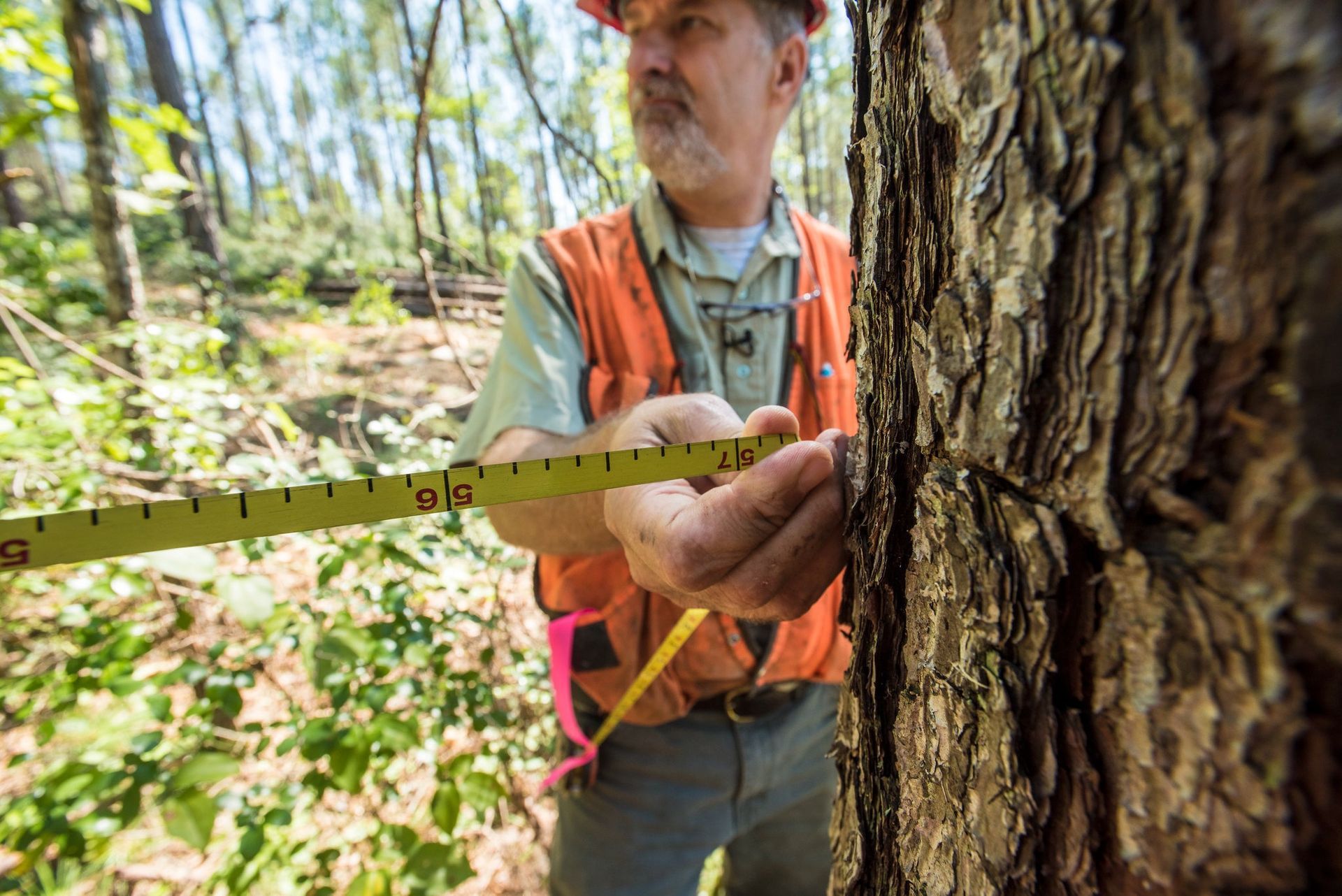
The Montana MOU highlights prioritization of activities that “restore American self-reliance and economic security.” It responds to recent lumber mill closures and supports forest-dependent, rural economies. The agreement is framed as a large‑scale forest management expansion focused on wildfire resilience, timber extraction, and increasing pace and scale of forest treatments. The USFS and Montana Department of Natural Resources are working together to identify and implement projects, focusing initially on 200,000 acres in northwest Montana where timber industry capacity remains but needs support. Chief Schultz has cited Montana’s Shared Stewardship as a model for future agreements. For example, the new Shared Stewardship agreement with Idaho sets a goal of doubling state-led projects on federal forests to 100 million board feet by 2030.
Opportunities to Increase Collaboration
Shared Stewardship provides an effective framework for addressing wildfire risk across millions of acres of federal and adjacent forest lands. Experience has shown that collaborative stewardship approaches can be both effective and durable, as demonstrated by long-standing partnerships such as those in Oregon. As Shared Stewardship emphasizes state leadership within a cooperative federalist framework, continued dialogue around roles, pacing, and implementation will help ensure that expansion is matched with operational capacity and on-the-ground readiness. Aligning this approach with the ambitious goals of the Immediate Expansion of American Timber Production Executive Order will be essential for scaling efforts efficiently while maintaining long-term forest resilience.
The growing emphasis on states and the practical reliance on GNA risks overlooking other important collaborators. Tribes have tremendous potential to partner with the USFS, particularly on lands they have stewarded long before the advent of the USFS or even the U.S. As sovereign nations, Tribes have access to a range of authorities and tools including GNA, the Tribal Forest Protection Act, Reserve Treaty Rights Land, and 638 Compacting. Tribal forest stewardship programs could be engaged to address a range of federal stewardship challenges. Other important players are excluded from GNA such as NGOs. Organizations like The Nature Conservancy, Sustainable Northwest, Wallowa Resources, Mount Adams Resource Stewards, and the Guild, have brought creativity, flexibility, and people-power to collaborative forest management for decades and should continue to play their central role.
Other questions remain about how states handle important parts of public land management like public engagement, comment, administrative review, and Tribal consultation. Few would claim the existing complexities of federal forest management are working perfectly, but a rapid shift to a state-led approach may neglect federal responsibilities.
The Guild is working to support stewardship of federal lands and is actively engaged in Shared Stewardship. As always, we advocate for management that meets ecological, economic, and social needs. Please reach out if you have Shared Stewardship success stories or are interested in participating in peer-learning workshops to discuss what’s working in the woods via Shared Stewardship.
Recent Posts