
Ponderosa Pine Utilization Summit

December 17, 2025

Written by Zander Evans

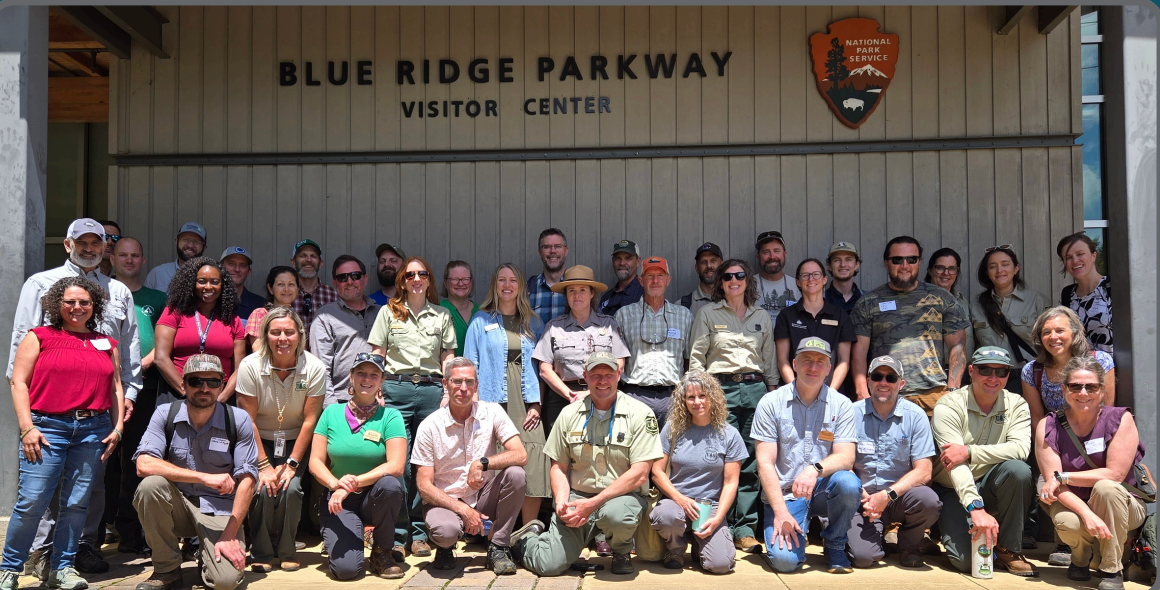
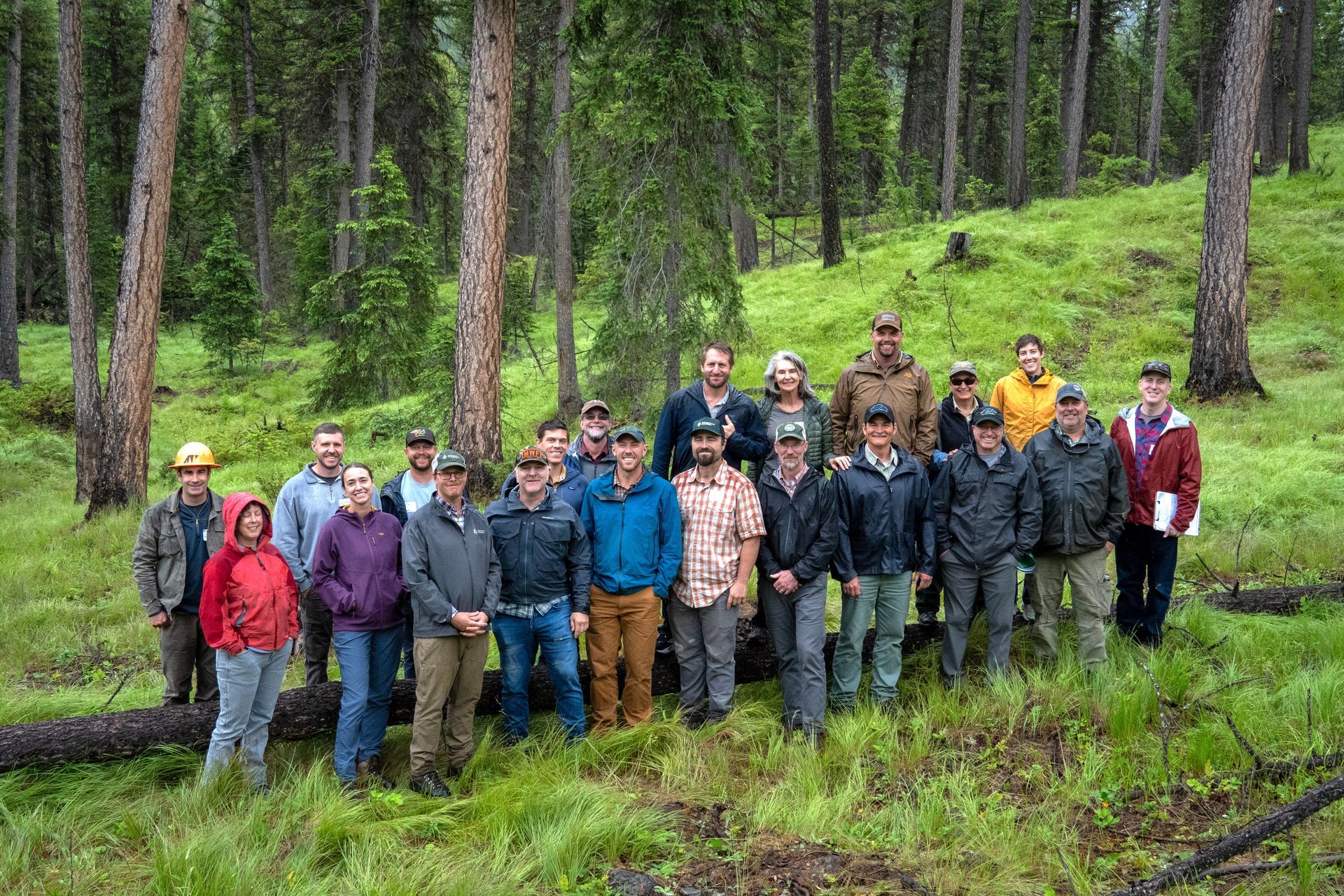
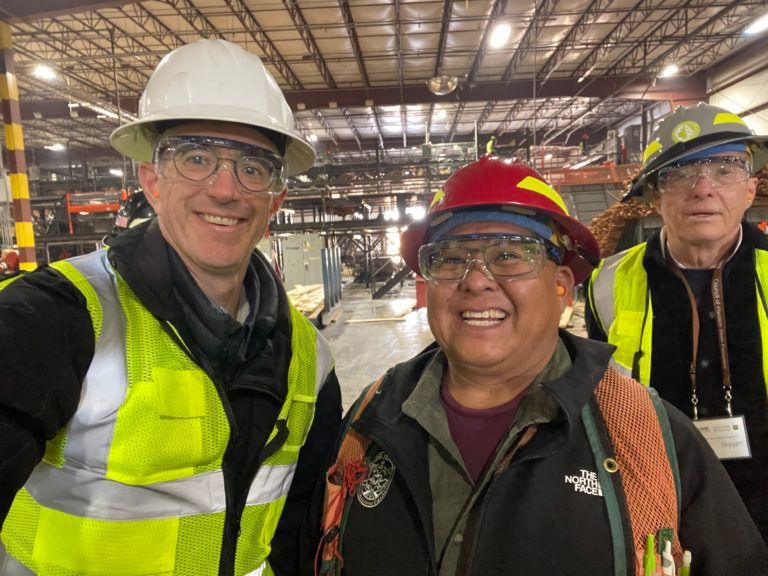
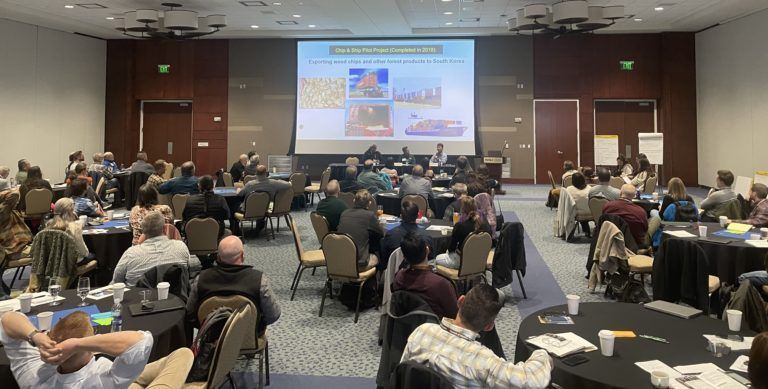
During the first snow of the season, the Guild partnered with the Council of State Foresters, US Forest Service, and others to host the Ponderosa Pine Utilization Summit in Flagstaff, Arizona. Over 120 experts from forest industry, research, land management, non-governmental organizations, utilities, and other sectors worked together on November 18 and 19th to identify key barriers, develop practical solutions, explore innovations, and identify the necessary resources to expand ponderosa pine utilization and speed restoration across the West. The agenda first focused on careful description of the challenges and then dug into actionable solutions. 

Ponderosa pine forests are a cornerstone of resilient western landscapes, historically maintained by frequent, low-intensity fires which create open, drought-tolerant stands. A century of fire suppression and changes in land use have increased forest density, fuel loads, and the risk of high-severity wildfire. At the same time, utilization of ponderosa pine for timber and other forest products has declined, leaving limited markets for small-diameter and low-value material. The combination of a loss of milling infrastructure, and lack of viable markets threatens slow active forest management, increasing the risk of high-severity wildfire to both communities and landscapes.   

Key challenges identified at the Summit included inconsistent timber supply due to regulatory complexity and litigation, limited markets and secondary infrastructure for low-value material, high transportation costs, and workforce recruitment and retention barriers. Promising solutions include long-term planning in NEPA-ready landscapes, stacking funding across sources, distributed and co-located wood processing facilities, conversion of residuals into value-added products, investment incentives for infrastructure, and collaborative workforce development strategies.   

With the challenge clear, participants shifted to solutions.   Lead Facilitator for the Summit and Guild member Karen Hardigg said “What was most exciting for me was learning how others are tackling the same issues in completely different places. Being in a room with industry, agencies, researchers, and practitioners from across the West helped us see what’s possible and offered actions people can take home and apply.”   

Summit participants shared examples from across the range of ponderosa pine where collaboration among land managers and businesses within a region or woodshed, including partners who might have been overlooked in the past, helped make wood supply more consistent. For example, Tribes, utilities, and non-industrial private landowners can provide wood as a complement to large acreages like the National Forests.   

High transportation costs and dispersed mills often make ponderosa pine utilization economically challenging. Participants discussed the benefit of co-locating processing facilities into a “wood campus” that could reduce transportation costs and create efficiencies by operators sharing infrastructure. Another recurring theme was that secondary processing capacity is foundational to the success of mills. For example, John Galvan who works for Jemez Pueblo’s Department of Natural Resources and serves on the Guild’s Board of Directors shared the success at Walatowa Timber Industries’ Mill (as described in the latest issue of Forest Steward). 

To overcome the persistent challenge of limited markets for low-value and small diameter wood, targeted incentives such as tax credits, accelerated depreciation, or infrastructure sighting support, could encourage investment in biomass and other secondary processing facilities. Participants noted the opportunities for mass timber and cross-laminated timber, particularly as a way of providing affordable housing. The Summit highlighted innovative new products with potential for wide adoption, and hence increased demand for ponderosa pine. 

The need for dependable workforce wove throughout the Summit. Gaps in forestry, logging, trucking, and mill work surfaced in the discussions. Participants shared successful approaches to recruiting and retaining workers. A more detailed report focused on actions to advance ponderosa pine utilization and restoration efforts will be available in the new year.   

Recent Posts

By Aidan Juhl April 16, 2026
Written by Colleen Robinson
April 14, 2026
Written by Shannon Maes
April 14, 2026
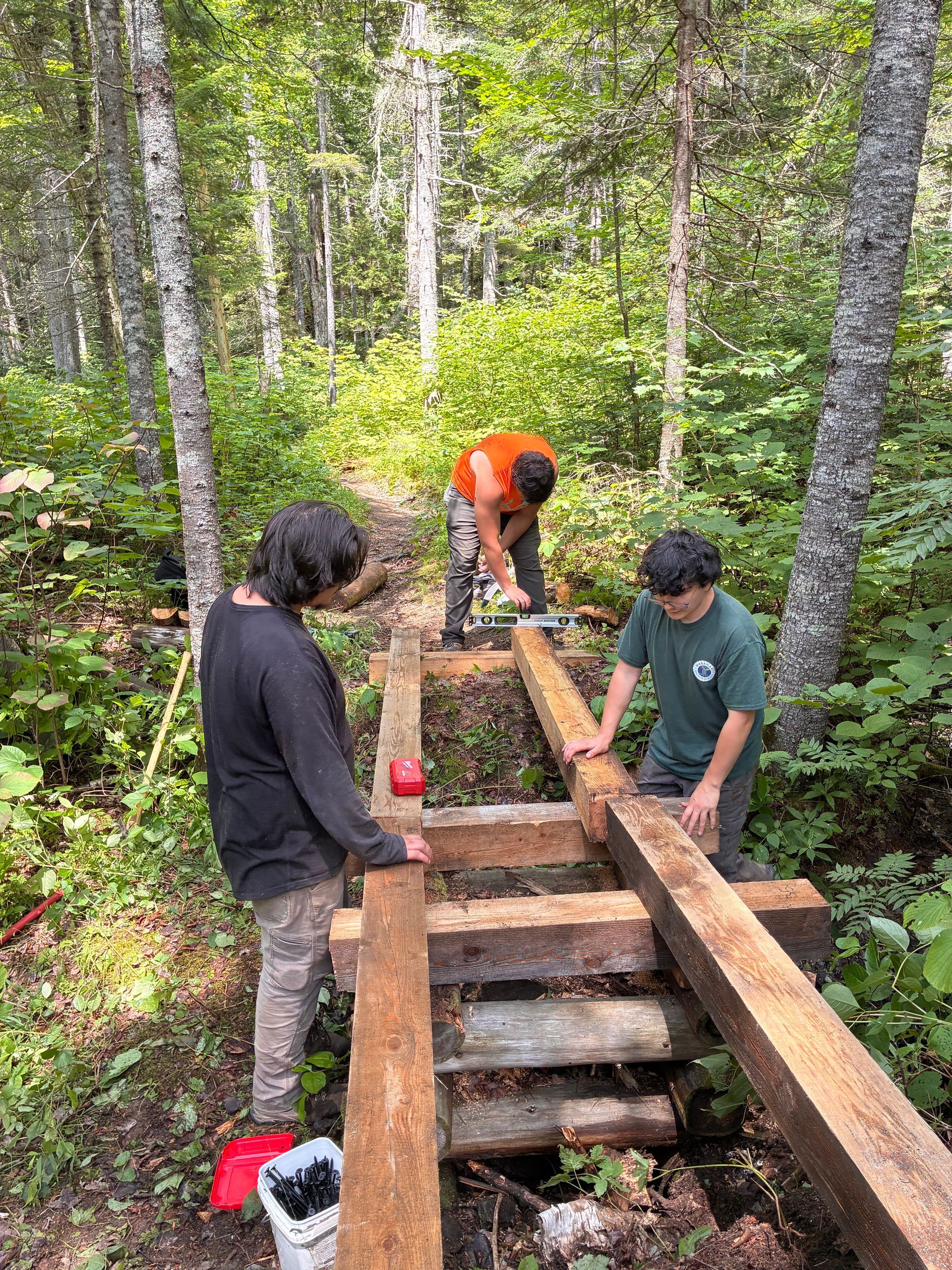
In September 2025, the Guild launched a three-person Forest Stewards Apprenticeship (FSA) crew to work with the Penobscot Nation’s Department of Natural Resources (PN DNR). Over the course of their six-month season, apprentices Agenor Duhon, Gabe Stewart, and Jacob Baker shared a season of learning, collaboration, and hands-on stewardship of Penobscot Tribal lands.
April 14, 2026
This week, I stepped into the role of crew leader. We worked a full 40-hour week, splitting our time between Clifton Farms and a prescribed burn operation. On the first day in the field, we completed hack-and-squirt treatments on trees that had been marked the previous week. For the remainder of the week, we focused on marking trees for future hack-and-squirt work, maintaining a steady pace and ensuring accuracy in our selections.
April 7, 2026
As Guild members, our practice is fundamentally grounded in field observation. We know intuitively that forests are dynamic, living communities. Yet, for decades, the high-level systems used to value our work, specifically the carbon accounting ledgers tied to international frameworks like the Paris Agreement, have treated forests as static, quantifiable blocks of land. In a recent commentary published in One Earth, I argue that these legacy measurement, reporting, and verification (MRV) frameworks are failing. Ledger accounting relies on crude land-use delineations and outdated technology, effectively penalizing the natural, seasonal flux of the ecosystems we manage every day. By forcing landscapes into rigid “forest” versus “non-forest” binaries, such legacy systems miss the complex reality on the ground. But a major shift is underway.
March 18, 2026
Women have always been a part of forestry. Historically, women often helped guide family decisions about when to cut, which trees to save, and how best to steward their land for the next generation. Historical accounts from the Southern Appalachians describe women’s roles in decisions about timber harvesting and prioritizing long-term forest health. These often-uncredited contributions are even reflected in Aldo Leopold’s A Sand County Almanac (1949), in which describes his stewardship philosophy informed not only by his professional experience, but by shared responsibility, where the perspectives of his wife and daughters played an important role.
March 18, 2026
Although rural regions often host the highest concentrations of public and private forest land, they typically lack the sustainable workforce necessary for active management and stewardship. How do we address this foundational problem in forest conservation?
March 18, 2026
The Forest Stewards Guild has a unique dual mandate: practice and promote forest stewardship. Personally, I think the combination of practicing forest management and promoting best practices is what makes the Guild a vibrant and impactful organization.
February 17, 2026
We celebrate the remarkable career and legacy of Leslie (Les) Benedict, who has provided visionary leadership and dedicated service to the stewardship of forests, championing the preservation of the ecological and culturally important black ash. Benedict, a member of the Saint Regis Mohawk Tribe in Akwesasne, north of the Adirondacks in upstate New York, recently retired after serving as the Assistant Director of the Tribe’s Environment Division for over 35 years.
February 17, 2026
The Forest Stewards Guild has been working to support the National Park Service on forest stewardship projects throughout the eastern U.S. This month we are in the midst of a project to protect mounds at Effigy Mounds National Monument near Harpers Ferry Iowa. This site was designated as a National Monument in 1949 and preserves over 200 mounds built between 800 and 2,500 years ago. Mounds at this site include conical, linear, compound, and effigy mounds – constructed in the shape of animals. Please see the National Park Service page for more information about the mounds, the people who built them, and how to visit the site. The lidar images on that website of the Marching Bears and other mound groups are fascinating.
Show More