Maine TREX 2022

October 20, 2022

Written by Amanda Mahaffey 

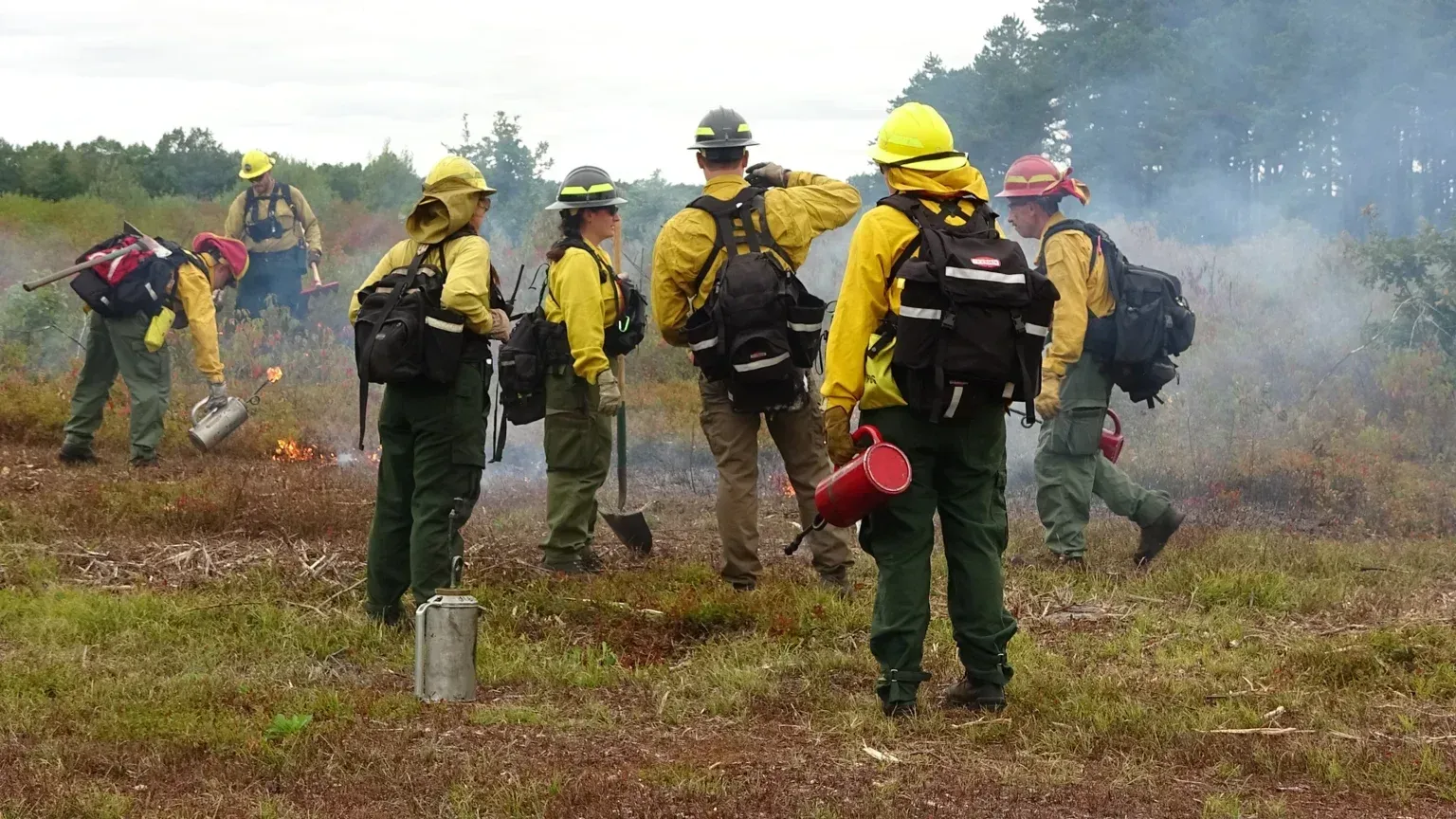
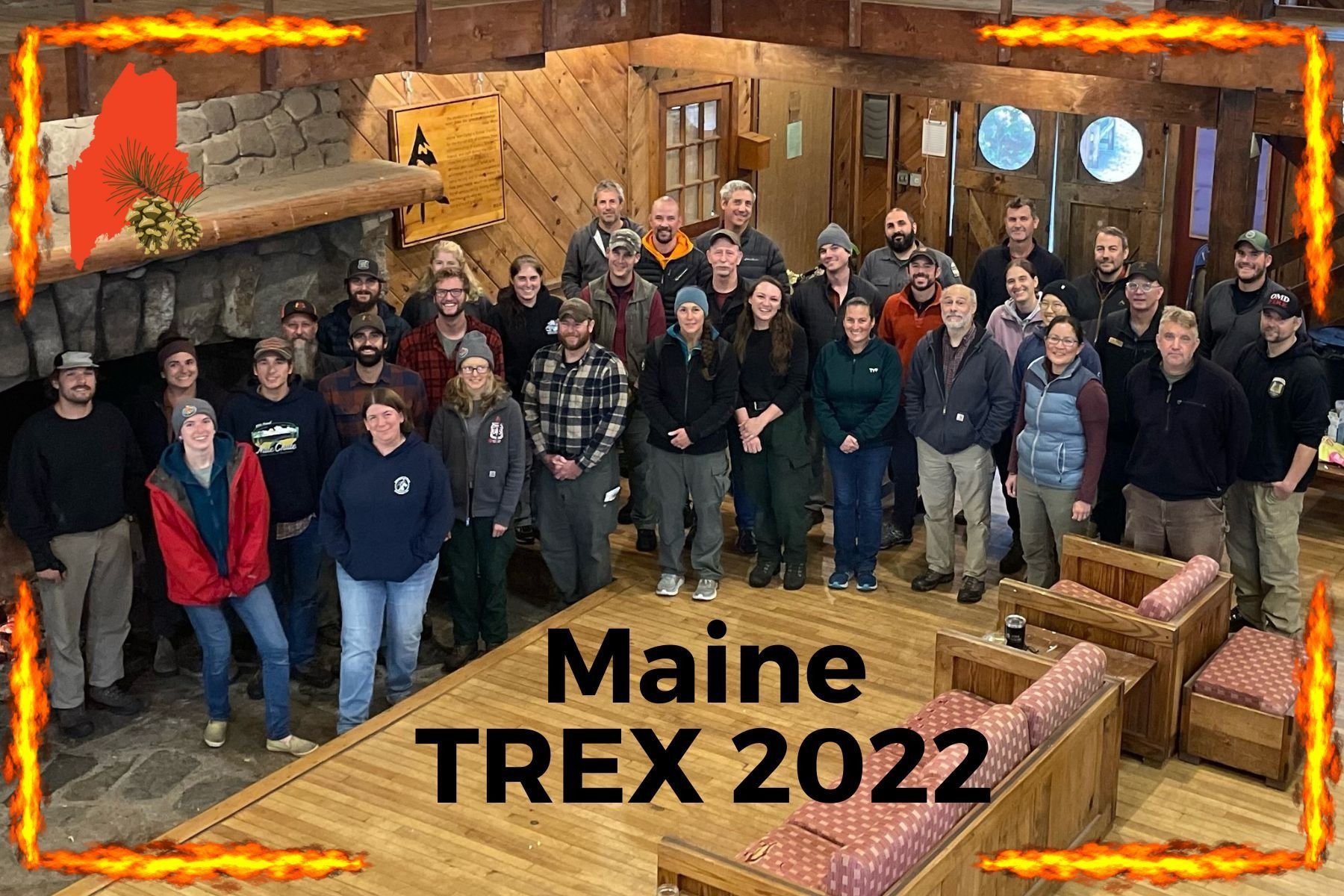
September is traditionally a promising time for fall burning in southern Maine. The fall of 2022 brought more rain than one would want for prescribed fire, but not enough to dampen the mood for over 30 participants and training leaders who gathered for the long-awaited ME-TREX. A TREX, or prescribed fire training exchange, is a training event conceived of by The Nature Conservancy to advance the pace and scale of prescribed fire across the landscape. The 2022 ME-TREX was the first of its kind in the Northeast. Like other TREXs, the ME-TREX brought its own flavor to the TREX “recipe” of training, treatment, and outreach. The two-week event was intended to accomplish ecological burning and reduce hazardous fuels. Through this work, participants would grow their fireline qualifications and experience. The story of the impact of this work on the landscape would be amplified through purposeful outreach within and beyond the fire community. 

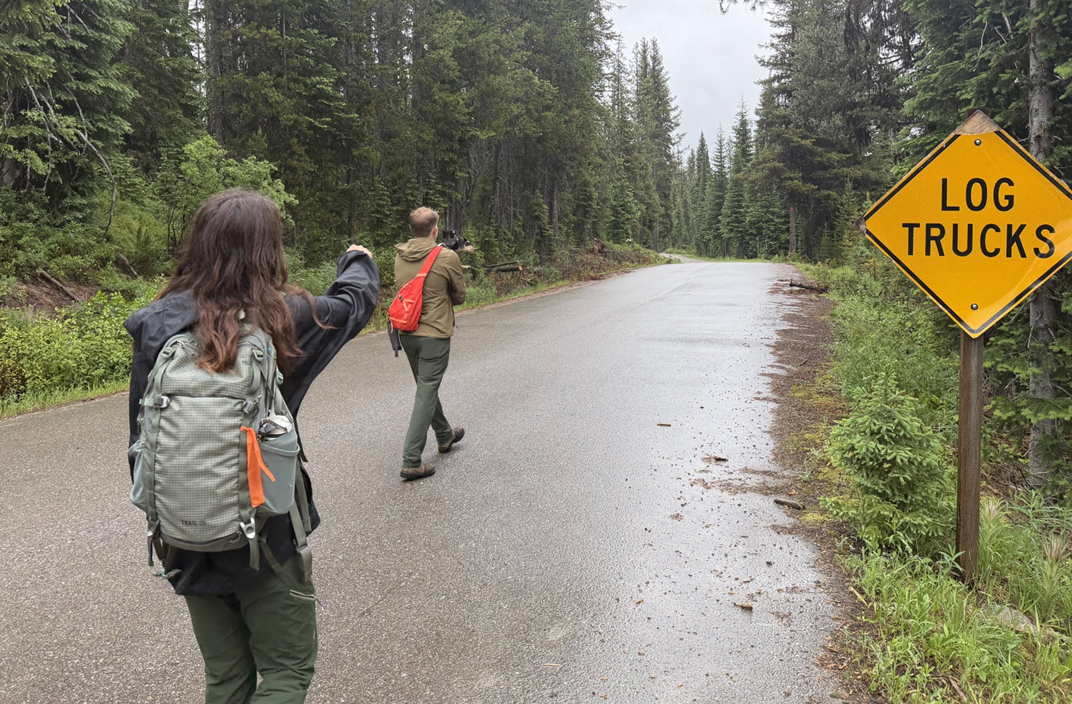
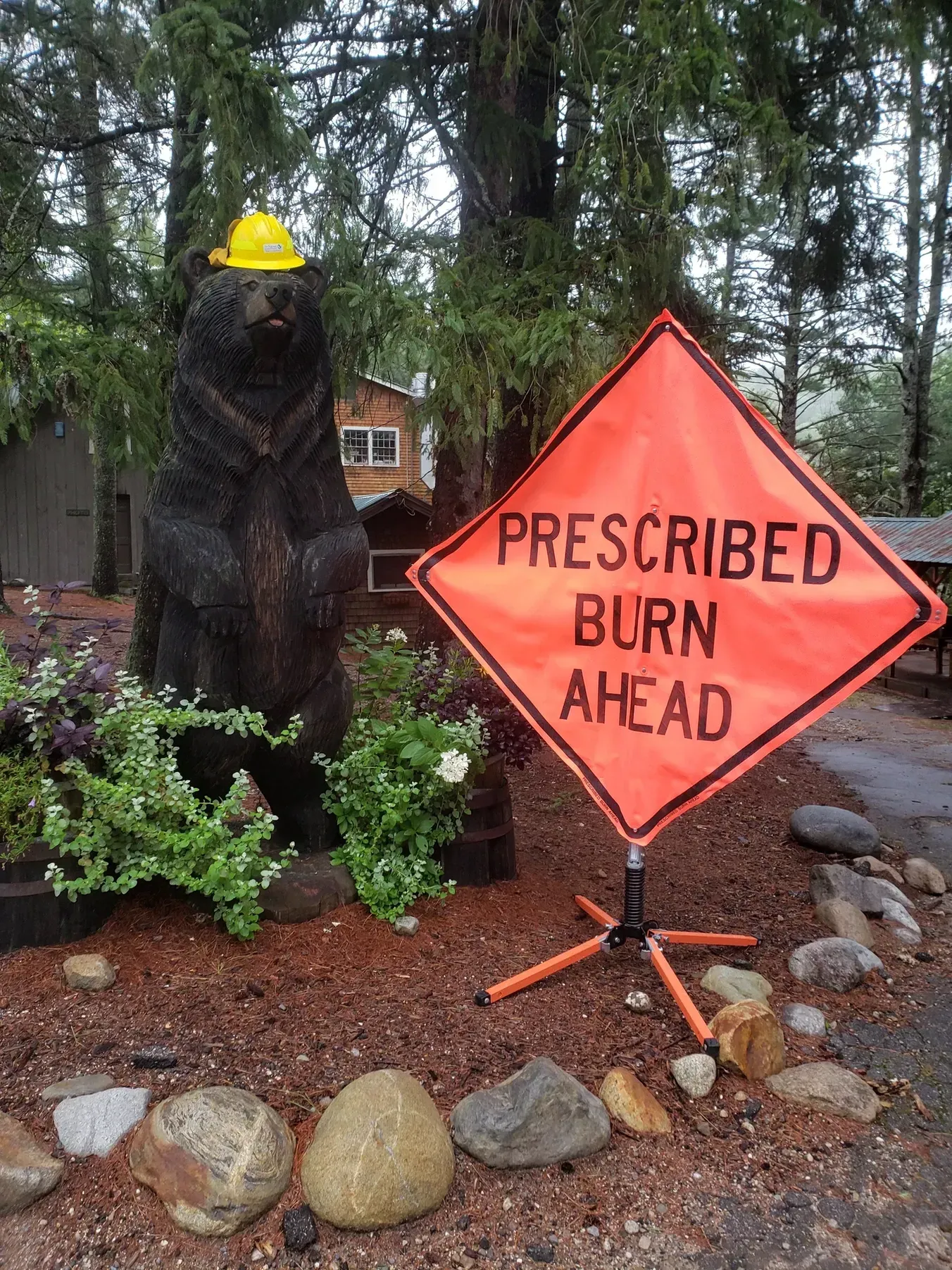
RX Fire sign

The planning, which had begun prior to the coronavirus pandemic, was led by a core team of Maine Prescribed Fire Council leaders representing The Nature Conservancy’s (TNC) Maine Chapter, The Maine Forest Service, the Maine Army National Guard, and the Forest Stewards Guild. As September approached, this team was augmented into the ME-TREX Incident Management Team (IMT) with help from ESRI, the U.S. Fish and Wildlife Service, and the Oregon Military Department. In addition to these agencies, the TREX was also made possible by key support from the Northeastern Forest Fire Protection Compact (NFFPC), the North Atlantic Fire Science Exchange (NAFSE), and TNC’s Fire Learning Network. The Maine Teen Camp in Porter was our base of operations, and a welcome home-away-from-home during the training event. 

Travelers came from Oregon, Wisconsin, Florida, Georgia, Maryland, Virginia, West Virginia, Pennsylvania, Rhode Island, New Hampshire, Maine, New York, Vermont, and Nova Scotia. Our participants represented a variety of state and federal agencies, TNC chapters, stewardship organizations, and universities. While it rained outside, the participants and IMT went through check-in and orientation to Maine’s fire landscape and the variety of wildland fire engines and UTVs. Icebreaker activities helped build group cohesion. The fireplace, which was the only source of heat in the camp, became the centerpoint of social activities over the next two weeks. 

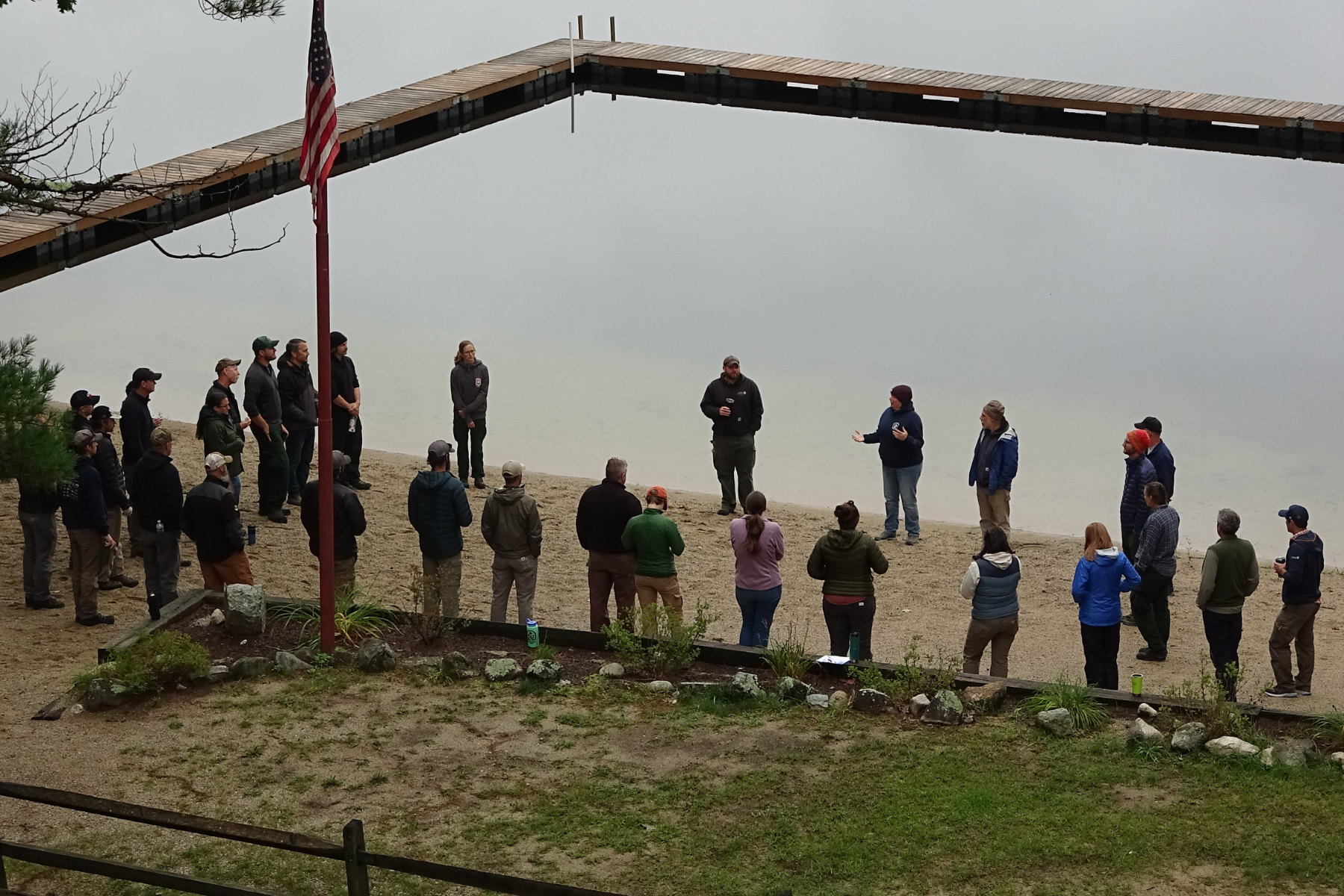
Group by the lake

Morning briefings featured a variety of voices on weather, safety, incident objectives, operations, and logistics. While the fuels dried outdoors, we learned about fire-related topics in Maine including pine barrens ecology, fire weather tools by the National Weather Service, Indigenous blueberry burning, Maine’s fire history, gender dynamics in fire, and the work of TNC in Maine. We also practiced Firewise assessments and mock-media interviews, toured the Maine Forest Service’s Mobile Command Vehicle, and ran SimTable exercises. Later in the program, our group was joined by legendary figures in fire science and management from the Northeast, including Dave Crary (retired from Cape Cod National Seashore), Tim Simmons (retired from MassWildlife), and Dr. Bill Patterson (retired from UMass-Amherst), all of whom were integral to building a culture of prescribed fire in this landscape over the past several decades. Their voices joined us in fireside chats, field conversations, and formal presentations that greatly enhanced our participants’ understanding of the role of prescribed fire in the Northeast. 

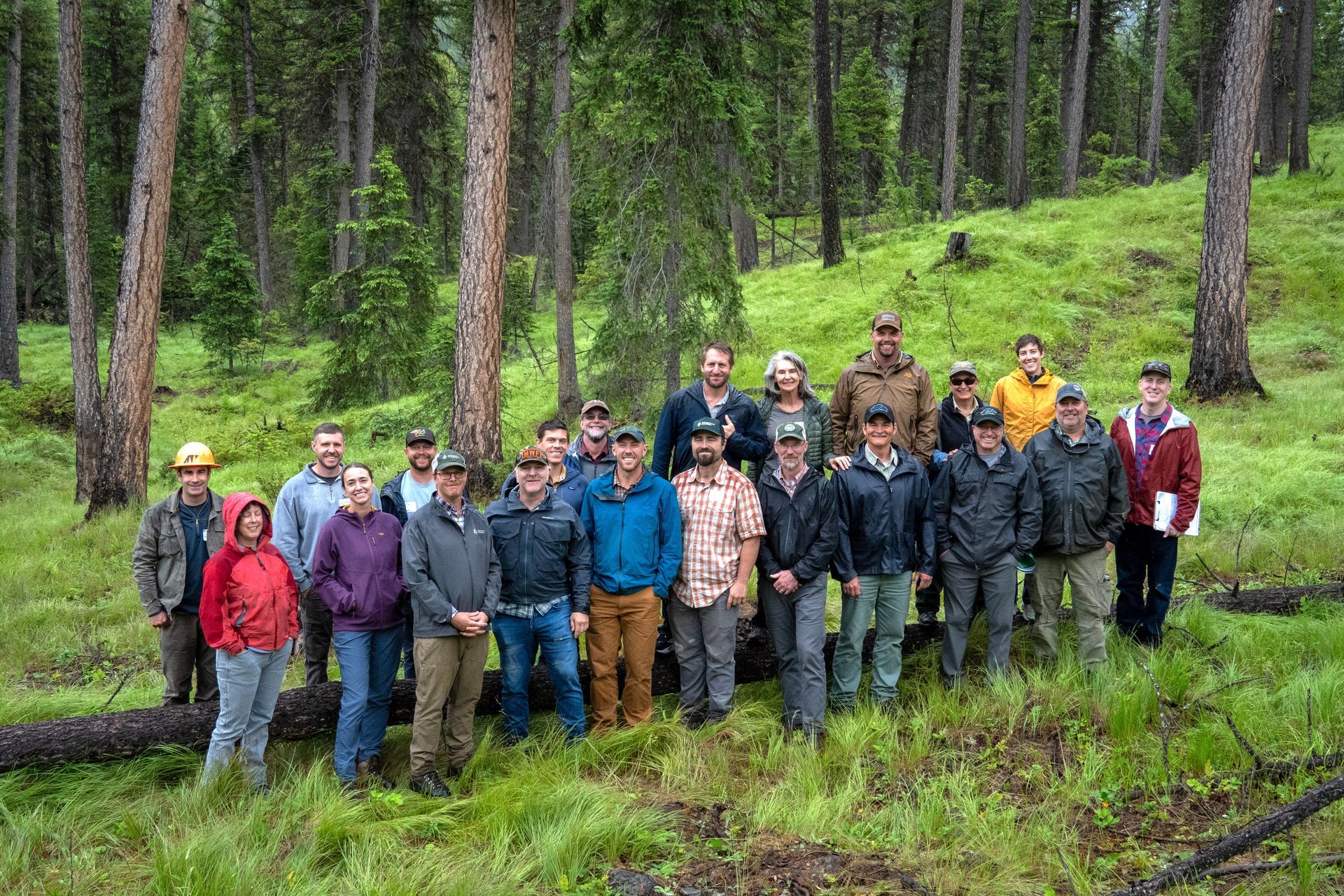
Maine TREX 2022 group

As the days rolled into one another, the ME-TREX group bonded. Every single person was committed to the culture of shared learning. Everyone was there to be trained, but also to practice mentorship of others. This pillar of TREXs is critical to ensuring a well-trained, supported future of firefighters and fire lighters. The IMT worked hard for hours every night planning the command structure for the next day’s operations to maximize the opportunities for learning and building fireline qualifications. The universally supportive nature of our TREX group made for an outstanding training environment. We worked hard, laughed hard, and felt fulfilled at the end of each long day. This welcoming culture made a huge impression on our single-day participants, 4-6 of whom would join us daily for a taste of the TREX experience and go home inspired to become more involved in prescribed fire. We were glad to be able to be inclusive of these fire partners to help build interest in prescribed fire among their home volunteer fire departments, agencies, and universities. 

As we catch our collective breath after an intense two weeks, we at the Maine Prescribed Fire Council are already dreaming about the future. We want to have more TREXs in the Northeast, hopefully rotating the host location around the region. 

This is a summary of the full story, available on the North Atlantic Fire Science Exchange website. 

Recent Posts

By Aidan Juhl April 16, 2026
Written by Colleen Robinson
April 14, 2026
Written by Shannon Maes
April 14, 2026
In September 2025, the Guild launched a three-person Forest Stewards Apprenticeship (FSA) crew to work with the Penobscot Nation’s Department of Natural Resources (PN DNR). Over the course of their six-month season, apprentices Agenor Duhon, Gabe Stewart, and Jacob Baker shared a season of learning, collaboration, and hands-on stewardship of Penobscot Tribal lands.
April 14, 2026
This week, I stepped into the role of crew leader. We worked a full 40-hour week, splitting our time between Clifton Farms and a prescribed burn operation. On the first day in the field, we completed hack-and-squirt treatments on trees that had been marked the previous week. For the remainder of the week, we focused on marking trees for future hack-and-squirt work, maintaining a steady pace and ensuring accuracy in our selections.
April 7, 2026
As Guild members, our practice is fundamentally grounded in field observation. We know intuitively that forests are dynamic, living communities. Yet, for decades, the high-level systems used to value our work, specifically the carbon accounting ledgers tied to international frameworks like the Paris Agreement, have treated forests as static, quantifiable blocks of land. In a recent commentary published in One Earth, I argue that these legacy measurement, reporting, and verification (MRV) frameworks are failing. Ledger accounting relies on crude land-use delineations and outdated technology, effectively penalizing the natural, seasonal flux of the ecosystems we manage every day. By forcing landscapes into rigid “forest” versus “non-forest” binaries, such legacy systems miss the complex reality on the ground. But a major shift is underway.
March 18, 2026
Women have always been a part of forestry. Historically, women often helped guide family decisions about when to cut, which trees to save, and how best to steward their land for the next generation. Historical accounts from the Southern Appalachians describe women’s roles in decisions about timber harvesting and prioritizing long-term forest health. These often-uncredited contributions are even reflected in Aldo Leopold’s A Sand County Almanac (1949), in which describes his stewardship philosophy informed not only by his professional experience, but by shared responsibility, where the perspectives of his wife and daughters played an important role.
March 18, 2026
Although rural regions often host the highest concentrations of public and private forest land, they typically lack the sustainable workforce necessary for active management and stewardship. How do we address this foundational problem in forest conservation?
March 18, 2026
The Forest Stewards Guild has a unique dual mandate: practice and promote forest stewardship. Personally, I think the combination of practicing forest management and promoting best practices is what makes the Guild a vibrant and impactful organization.
February 17, 2026
We celebrate the remarkable career and legacy of Leslie (Les) Benedict, who has provided visionary leadership and dedicated service to the stewardship of forests, championing the preservation of the ecological and culturally important black ash. Benedict, a member of the Saint Regis Mohawk Tribe in Akwesasne, north of the Adirondacks in upstate New York, recently retired after serving as the Assistant Director of the Tribe’s Environment Division for over 35 years.
February 17, 2026
The Forest Stewards Guild has been working to support the National Park Service on forest stewardship projects throughout the eastern U.S. This month we are in the midst of a project to protect mounds at Effigy Mounds National Monument near Harpers Ferry Iowa. This site was designated as a National Monument in 1949 and preserves over 200 mounds built between 800 and 2,500 years ago. Mounds at this site include conical, linear, compound, and effigy mounds – constructed in the shape of animals. Please see the National Park Service page for more information about the mounds, the people who built them, and how to visit the site. The lidar images on that website of the Marching Bears and other mound groups are fascinating.
Show More