Learning Drives Innovation in the Pacific Northwest

August 17, 2023

Written by Peter Hayes

NIFS logo

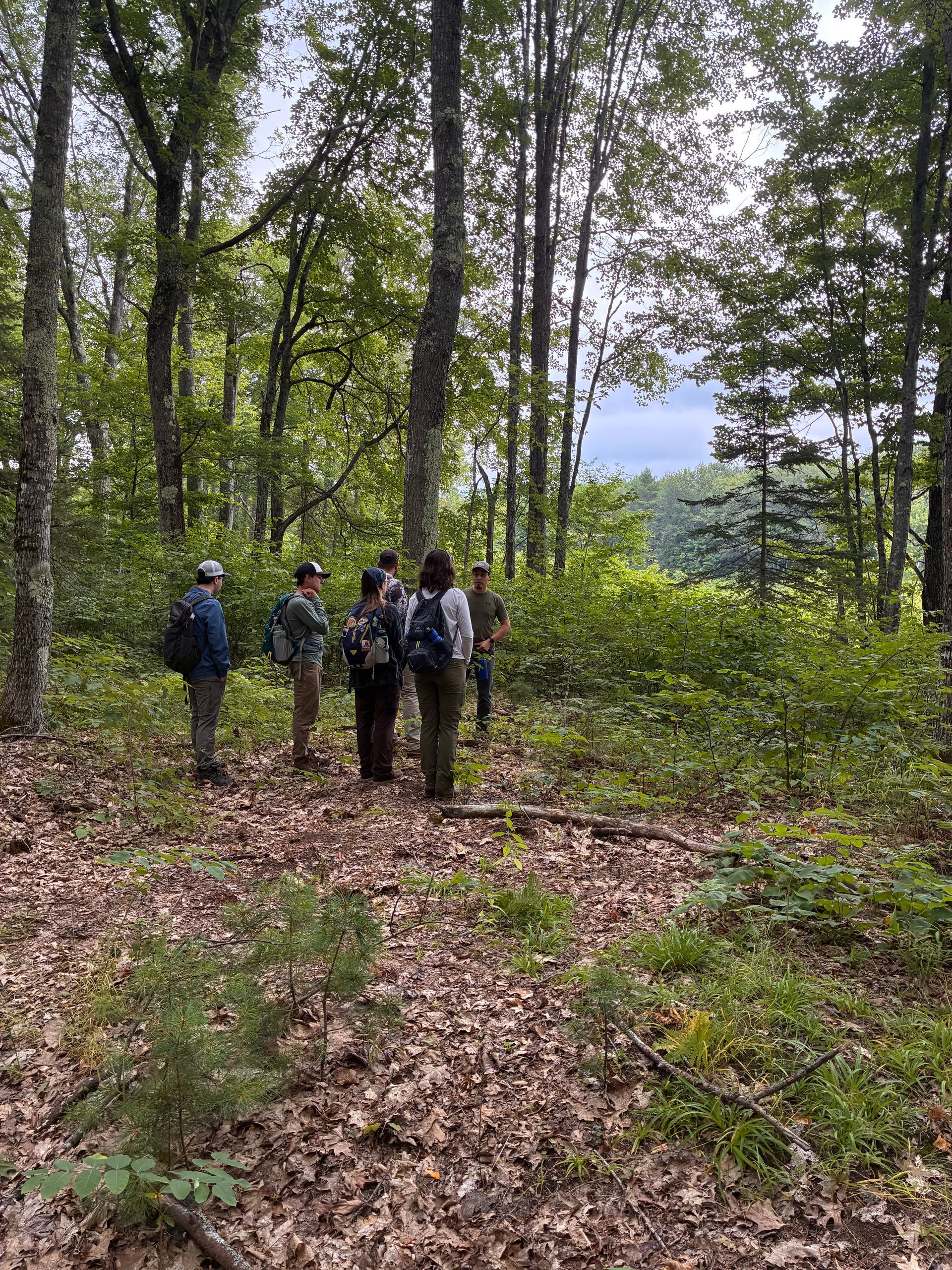
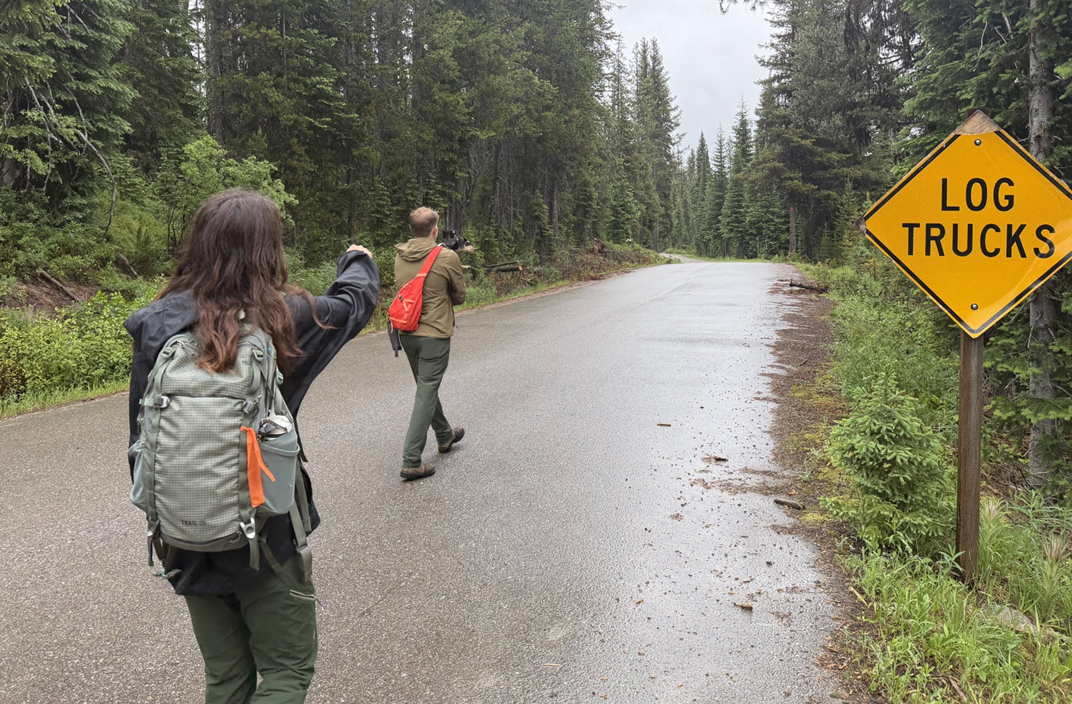
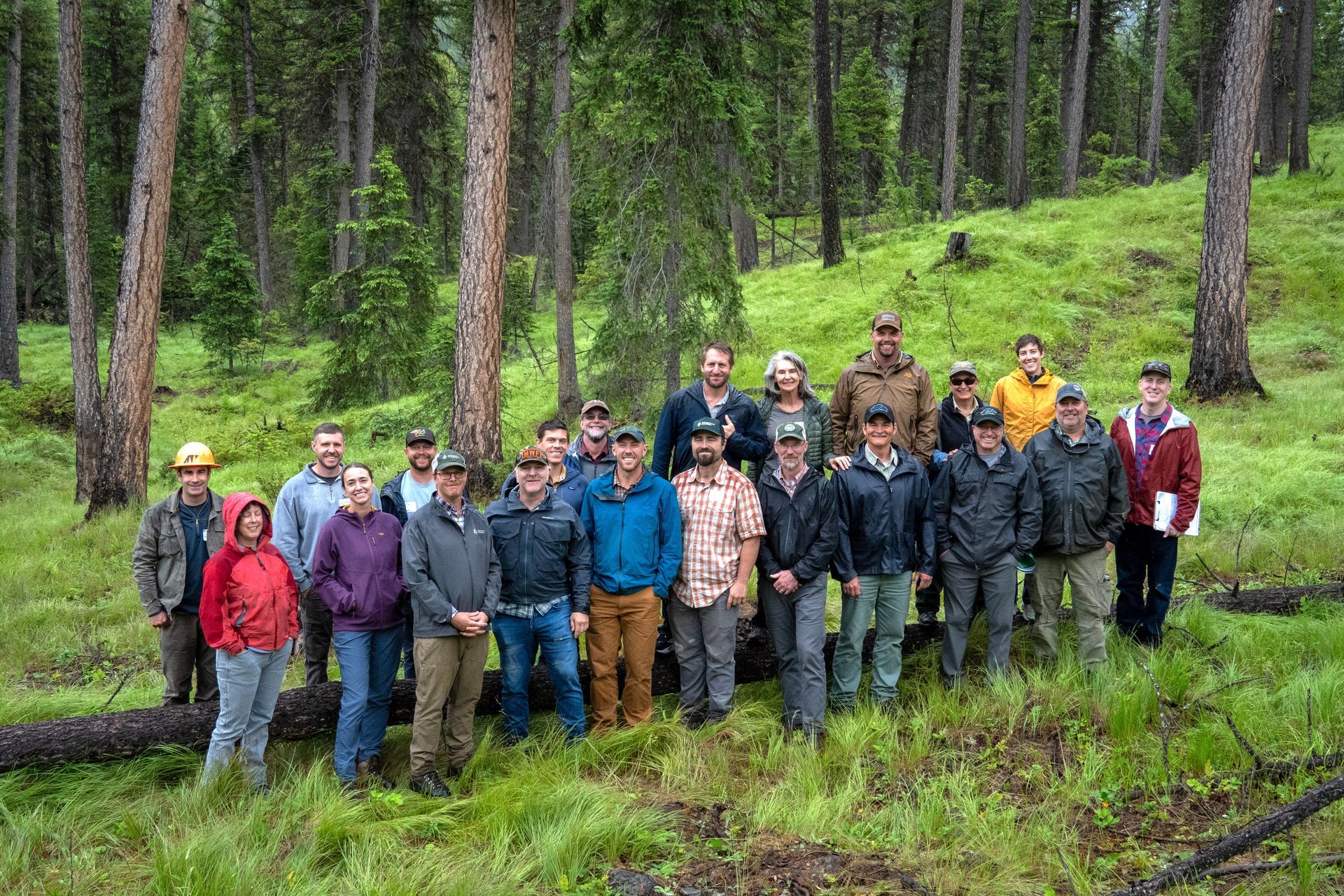
Join me in imagining several linked scenes that will take place in the coming months. They’re so familiar to all of us – a circle of bluejeaned, booted, sun hatted or hard hatted, lively folks on the side of a road or trail, surrounded by vibrant forest, listening intently to one another – and a virtual, zoom-assisted circle of the same ilk, complete with tanned faces backed by shelves of books that you can’t quite make out. The combination of these scenes will take place in August and October thanks to this year’s learning opportunities made possible by the Northwest Innovative Forestry Summit (NIFS). Both forms of circles, virtual and welcomely real, will gather participants with valuable differences and important commonalities. Since it was launched in 2021, NIFS has creatively drawn together diverse and committed mixes of forest-connected Northwesterners to explore the vital role of practical innovation in forestry, past, present, and future.  The Guild is one of five partner organizations driving NIFS’ success.

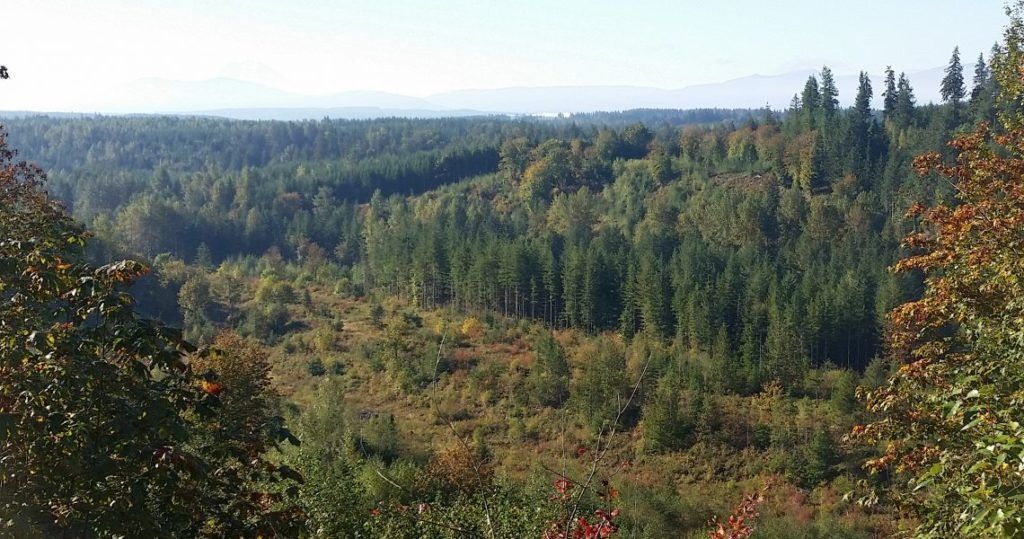
Photo of Stossel Creek area

This year’s mix of virtual and in-forest activities will explore the roles of experimentation in general, and our region’s experimental forests in particular, in supporting forest-related innovation. The differences among the participants will reflect NIFS’ ongoing success in building and using bridges. These bridges span across sectors of the forest community (public, Tribal, private, non-profit), generational (youngest students to wise elders), geographic (treating the Columbia River as integrator, not as divider), and gender, sexual orientation, cultural heritage, and more. Differences become assets thanks to the group members’ common bonds, of which, I anticipate two will stand out. All will bring shared interest and commitment to forests and mutually sustaining relationships with forests. I expect a second common bond will be that each participant will bring their own, unique involvement with a progression of activities:


  • Step one: observing the stresses and challenges shaping local forests.
  • Step two: framing questions and related learning.
  • Step three: experimentation in hopes of answering the questions.
  • Step four: innovatively applying the newly acquired knowledge to help address the challenges and relieve the stresses.

When step four loops back to connect with step one, another circle may be formed that leads to ongoing and familiar cycles of observation, questioning, investigation, and innovative application of new knowledge.

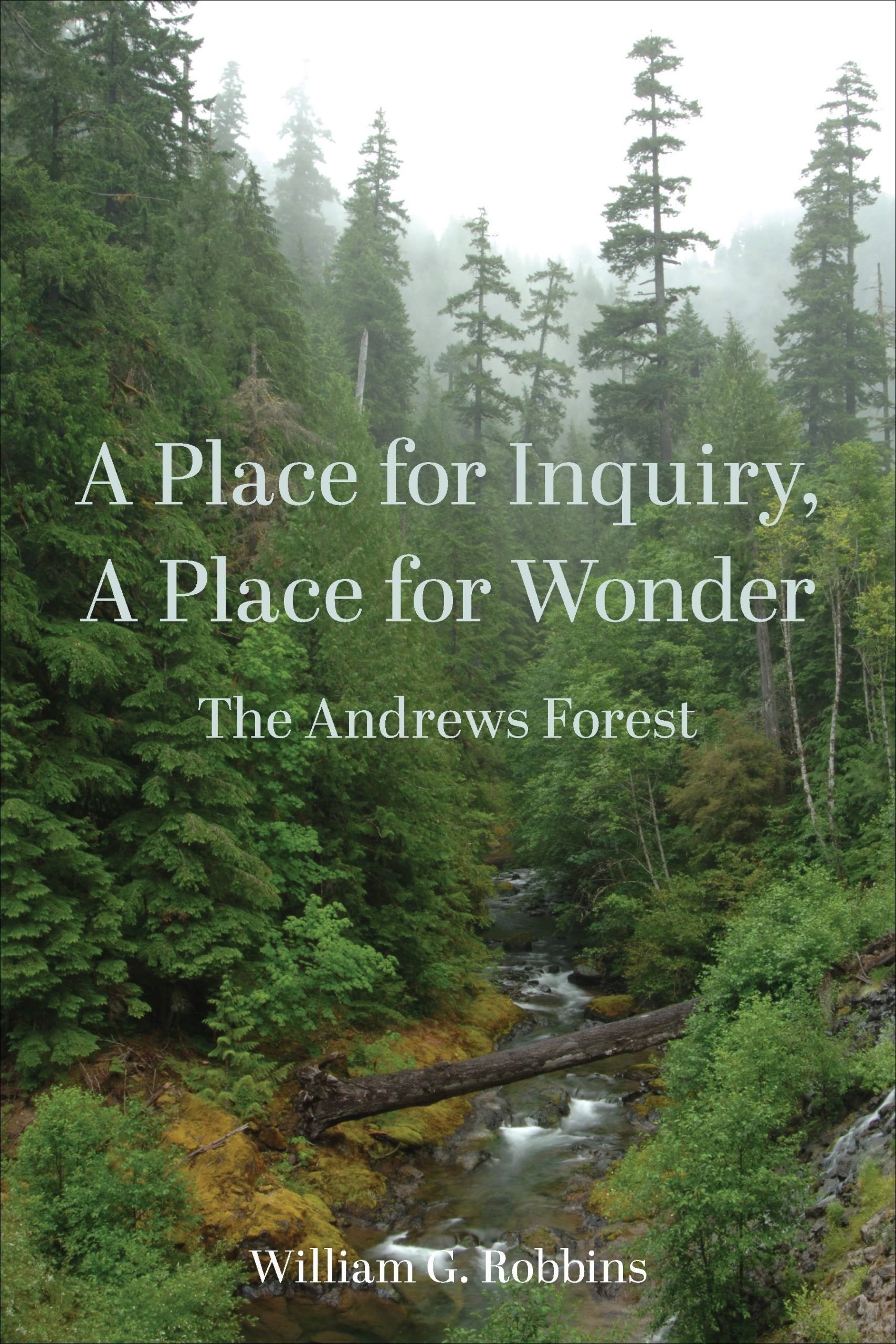
Book cover of A Place for Inquiry

These cycles have been a part of all forested lands for as long as humans have lived and depended on them. Regardless, there is always so much more we can learn from them. In addition to the learning opportunities offered by NIFS, excellent learning resources are all around us. In anticipation of the upcoming workshop focused on our region’s experimental forests, I lost myself in three relatively recent books. Each book is focused on one of the forests that we’ll have to postpone visiting with NIFS in 2023, due to current wildfires. But we can read Robbins’ A Place of Inquiry, A Place of Wonder and Luoma’s The Hidden Forest to carry us into the H.J. Andrews Forest’s remarkable history and contributions. The value of these books is enhanced when read in combination with Herring and Greene’s Forest of Time; A Century of Science at Wind River Experimental Forest. With Wind River being established in 1910 and the Andrews in 1948, the work of both reflect the ever-shifting nature of the questions that society judges to be most pressing. While all three books dig deeply into the stories specific forests, they also help us appreciate how their histories and research questions reflect the dramatic evolution of the relationships between people and forests in this region and the wider world.

Time will tell where explorations of the upcoming NIFS-sponsored webinar and field workshop at Stossel Creek in Washington will lead, but I am confident that all participants will value the ways that our shared inquiry, learning, and connection-building leave us inspired and better equipped to meet the challenges ahead.

Recent Posts

By Aidan Juhl April 16, 2026
Written by Colleen Robinson
April 14, 2026
Written by Shannon Maes
April 14, 2026
In September 2025, the Guild launched a three-person Forest Stewards Apprenticeship (FSA) crew to work with the Penobscot Nation’s Department of Natural Resources (PN DNR). Over the course of their six-month season, apprentices Agenor Duhon, Gabe Stewart, and Jacob Baker shared a season of learning, collaboration, and hands-on stewardship of Penobscot Tribal lands.
April 14, 2026
This week, I stepped into the role of crew leader. We worked a full 40-hour week, splitting our time between Clifton Farms and a prescribed burn operation. On the first day in the field, we completed hack-and-squirt treatments on trees that had been marked the previous week. For the remainder of the week, we focused on marking trees for future hack-and-squirt work, maintaining a steady pace and ensuring accuracy in our selections.
April 7, 2026
As Guild members, our practice is fundamentally grounded in field observation. We know intuitively that forests are dynamic, living communities. Yet, for decades, the high-level systems used to value our work, specifically the carbon accounting ledgers tied to international frameworks like the Paris Agreement, have treated forests as static, quantifiable blocks of land. In a recent commentary published in One Earth, I argue that these legacy measurement, reporting, and verification (MRV) frameworks are failing. Ledger accounting relies on crude land-use delineations and outdated technology, effectively penalizing the natural, seasonal flux of the ecosystems we manage every day. By forcing landscapes into rigid “forest” versus “non-forest” binaries, such legacy systems miss the complex reality on the ground. But a major shift is underway.
March 18, 2026
Women have always been a part of forestry. Historically, women often helped guide family decisions about when to cut, which trees to save, and how best to steward their land for the next generation. Historical accounts from the Southern Appalachians describe women’s roles in decisions about timber harvesting and prioritizing long-term forest health. These often-uncredited contributions are even reflected in Aldo Leopold’s A Sand County Almanac (1949), in which describes his stewardship philosophy informed not only by his professional experience, but by shared responsibility, where the perspectives of his wife and daughters played an important role.
March 18, 2026
Although rural regions often host the highest concentrations of public and private forest land, they typically lack the sustainable workforce necessary for active management and stewardship. How do we address this foundational problem in forest conservation?
March 18, 2026
The Forest Stewards Guild has a unique dual mandate: practice and promote forest stewardship. Personally, I think the combination of practicing forest management and promoting best practices is what makes the Guild a vibrant and impactful organization.
February 17, 2026
We celebrate the remarkable career and legacy of Leslie (Les) Benedict, who has provided visionary leadership and dedicated service to the stewardship of forests, championing the preservation of the ecological and culturally important black ash. Benedict, a member of the Saint Regis Mohawk Tribe in Akwesasne, north of the Adirondacks in upstate New York, recently retired after serving as the Assistant Director of the Tribe’s Environment Division for over 35 years.
February 17, 2026
The Forest Stewards Guild has been working to support the National Park Service on forest stewardship projects throughout the eastern U.S. This month we are in the midst of a project to protect mounds at Effigy Mounds National Monument near Harpers Ferry Iowa. This site was designated as a National Monument in 1949 and preserves over 200 mounds built between 800 and 2,500 years ago. Mounds at this site include conical, linear, compound, and effigy mounds – constructed in the shape of animals. Please see the National Park Service page for more information about the mounds, the people who built them, and how to visit the site. The lidar images on that website of the Marching Bears and other mound groups are fascinating.
Show More