Growth in the Guild’s Southwest Region

July 5, 2022

Several authors contributed

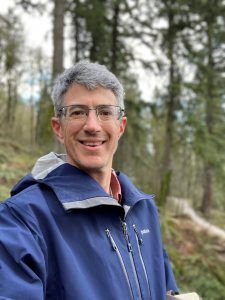
We’re excited to welcome Cody, Cora, Mateo and Andrew to the Southwest office. Our growing staff were drawn to work for the Guild by our mission. Each of these individuals add necessary expertise and vigor to our flourishing programs in the Southwest office. 

With the onset of two large Collaborative Forestry Landscape Restoration Program projects in the Southwest in 2022, new additions to the Guild expand our capacity to implement these cross-boundary, landscape scale restoration projects aimed at reducing community fire risk and improving ecological conditions. 

Furthermore, the Guild’s mission continues to resonate with young adults who are interested in developing careers in forestry and skills as fire practitioners. New Guild staff expand our capacity to deliver the Forest Stewards Youth Corps Program in the summer and the fall to develop the next generation of forest stewards and create a career pathway for rural youth in forestry and fire.The Guild is pleased to introduce our newest staff members, who are already hitting the ground running! 

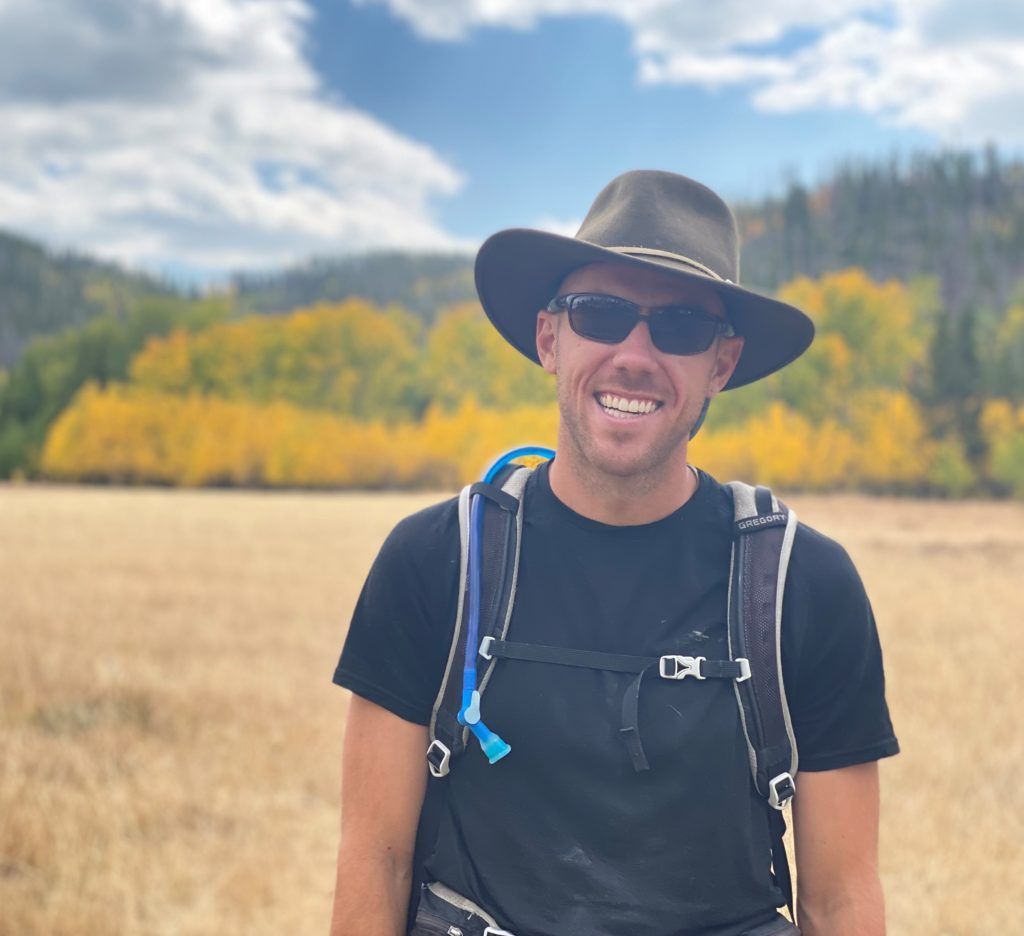
Cody Dems, Southwest Project Coordinator

Cody joined the Guild to work at the confluence of people and forests. With a background in prescribed fire implementation and research, community outreach, and ecological monitoring, Cody supports multiple programs throughout the Southwest. Ever learning, Cody is excited to combine landscape-scale planning with on-the-ground projects to restore, protect, and promote resilient forest communities. He has a B.S. in Resource Conservation from The University of Montana and an M.S. in Forest Resources from Penn State.

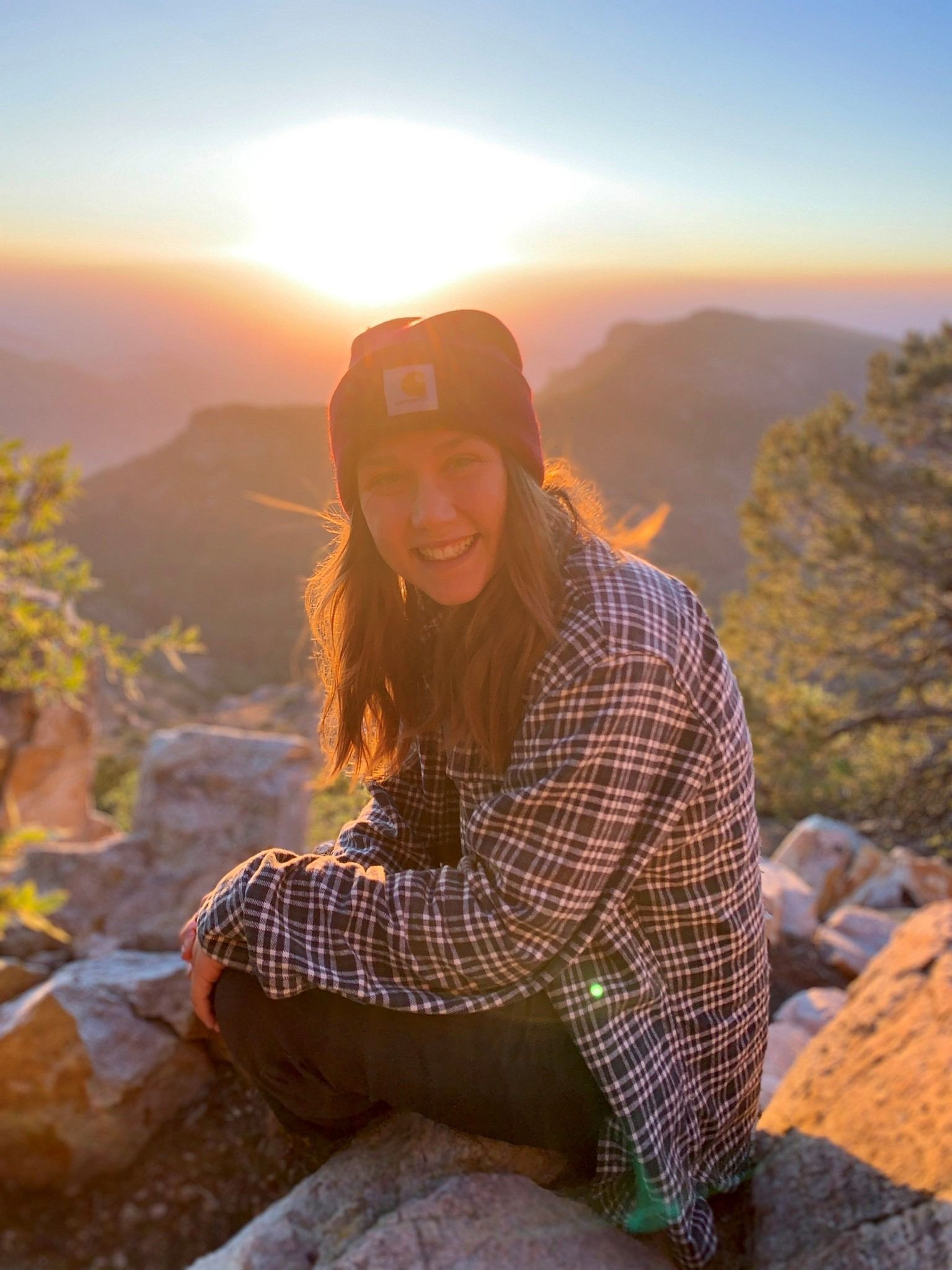
Cora Stewart

Cora Stewart, Southwest Field Coordinator

Cora is passionate about helping young adults develop professionally within the fields of forestry and conservation. She first discovered this interest as a canoe guide for teens in the Boundary Waters Canoe Area, where she enjoyed developing relationships and seeing youth grow in their confidence and understanding of the world around them. Cora continued to pursue her passion by joining the Peace Corps as an agroforestry volunteer in Senegal, Africa, where she worked with middle school aged girls to promote gender equality and environmental leadership. Upon the end of her service, Cora moved to New Mexico, where she fell in love with the mountain and desert landscape and discovered the Forest Stewards Guild. She now works extensively with the Forest Stewards Youth Corps, visiting and supporting crews across Central New Mexico. When she’s not outside with crews or in the office, Cora enjoys going for bike rides, kayaking, hiking, painting, and eating burritos.

Mateo Pomilia, Southwest Program Manager

Mateo brings diverse international experience to the Guild, having worked for a decade and a half in biodiversity conservation, agroecology and intercultural education throughout South and Central America, southern Africa and the U.S. Mateo’s interests include traditional ecological knowledge, ecological restoration, protected areas governance and intersections between environmental and social justice. Mateo is ecstatic to join the Guild’s efforts to collaboratively manage forest landscapes in northern New Mexico for resilience, biodiversity conservation and the benefit of local communities. Mateo holds a MSc in Biodiversity and Conservation from the University of Leeds (UK) and a BA from the University of North Carolina – Chapel Hill. Mateo is an avid outdoorsman, linguist, and songwriter-singer.

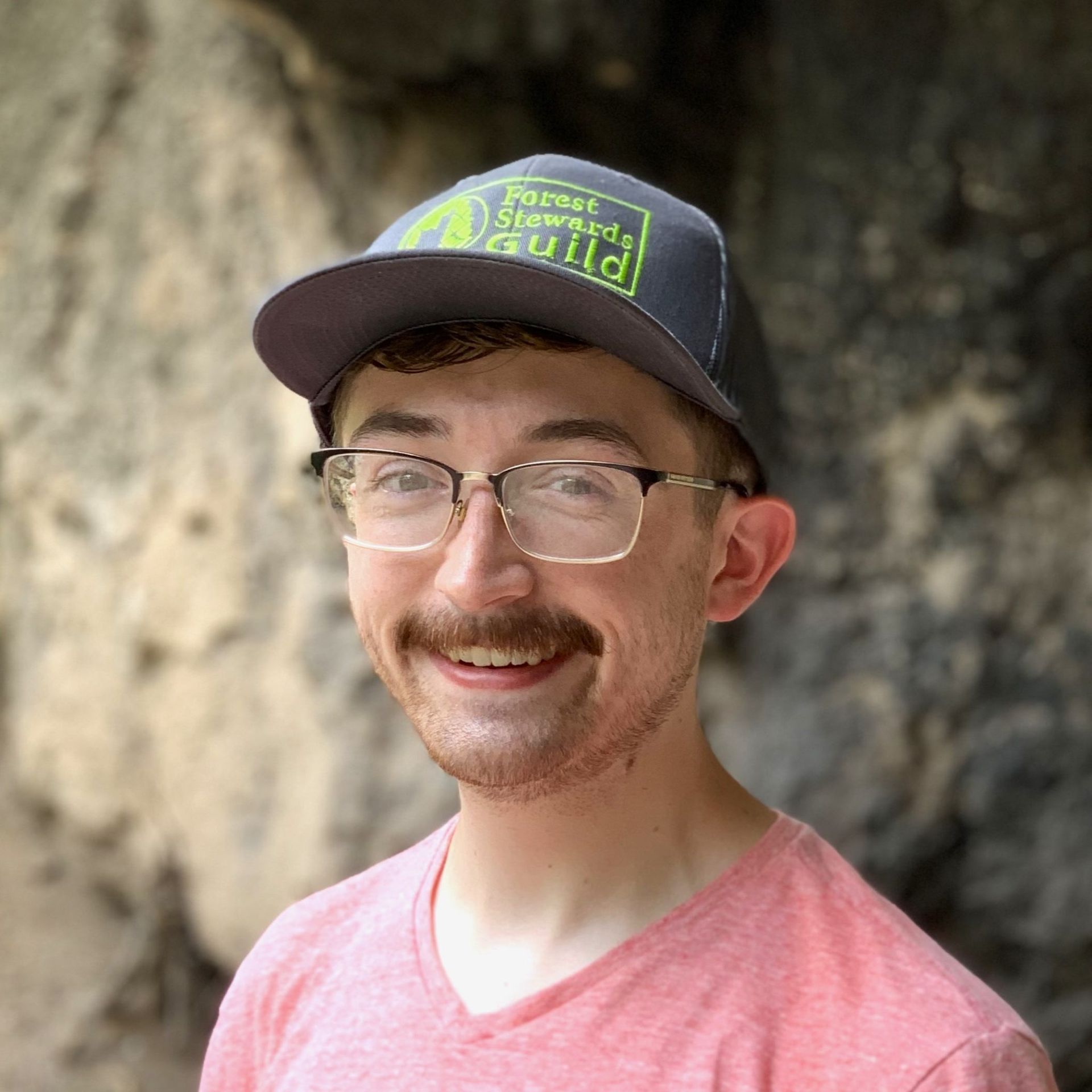
Andrew Jones

Andrew Jones, Rio Chama Collaborative Forest Landscape Restoration Program (CFLRP) Manager

Andrew’s work in Northern New Mexico and Southern Colorado focuses on reducing the risk of uncharacteristic wildfire, restoring natural fire regimes, increasing forest diversity and old growth characteristics, improving fish and wildlife habitat and connectivity, conserving critical habitat to help recover threatened and endangered species, improving water quality and watershed function, mitigating climate change impacts, enhancing economic sustainability, improving quality of life and, building on partnerships and collaboration. He looks forward to seeing how the project evolves and has a positive effect on the Rio Chama landscape over the coming years.

Originally from Maryland, Andrew grew up exploring forests along the East Coast. He attributes his love of forests to his parents, who took him to local, state, and national parks as often as possible. He visited the Southwest frequently with his family, fell in love with the region, and feels lucky to call New Mexico home now.

Andrew holds a M.P.A. degree with concentrations in Environmental Policy, Natural Resource Management, Sustainability, and Sustainable Development from Indiana University, as well as B.S. degrees in Biology from Salisbury University and Environmental Science from the University of Maryland Eastern Shore.

When not working for the Guild, Andrew enjoys traveling, running, hiking, camping, cooking and learning more about the history and culture of his adopted state.

Recent Posts

By Aidan Juhl April 16, 2026
Written by Colleen Robinson
April 14, 2026
Written by Shannon Maes
April 14, 2026
In September 2025, the Guild launched a three-person Forest Stewards Apprenticeship (FSA) crew to work with the Penobscot Nation’s Department of Natural Resources (PN DNR). Over the course of their six-month season, apprentices Agenor Duhon, Gabe Stewart, and Jacob Baker shared a season of learning, collaboration, and hands-on stewardship of Penobscot Tribal lands.
April 14, 2026
This week, I stepped into the role of crew leader. We worked a full 40-hour week, splitting our time between Clifton Farms and a prescribed burn operation. On the first day in the field, we completed hack-and-squirt treatments on trees that had been marked the previous week. For the remainder of the week, we focused on marking trees for future hack-and-squirt work, maintaining a steady pace and ensuring accuracy in our selections.
April 7, 2026
As Guild members, our practice is fundamentally grounded in field observation. We know intuitively that forests are dynamic, living communities. Yet, for decades, the high-level systems used to value our work, specifically the carbon accounting ledgers tied to international frameworks like the Paris Agreement, have treated forests as static, quantifiable blocks of land. In a recent commentary published in One Earth, I argue that these legacy measurement, reporting, and verification (MRV) frameworks are failing. Ledger accounting relies on crude land-use delineations and outdated technology, effectively penalizing the natural, seasonal flux of the ecosystems we manage every day. By forcing landscapes into rigid “forest” versus “non-forest” binaries, such legacy systems miss the complex reality on the ground. But a major shift is underway.
March 18, 2026
Women have always been a part of forestry. Historically, women often helped guide family decisions about when to cut, which trees to save, and how best to steward their land for the next generation. Historical accounts from the Southern Appalachians describe women’s roles in decisions about timber harvesting and prioritizing long-term forest health. These often-uncredited contributions are even reflected in Aldo Leopold’s A Sand County Almanac (1949), in which describes his stewardship philosophy informed not only by his professional experience, but by shared responsibility, where the perspectives of his wife and daughters played an important role.
March 18, 2026
Although rural regions often host the highest concentrations of public and private forest land, they typically lack the sustainable workforce necessary for active management and stewardship. How do we address this foundational problem in forest conservation?
March 18, 2026
The Forest Stewards Guild has a unique dual mandate: practice and promote forest stewardship. Personally, I think the combination of practicing forest management and promoting best practices is what makes the Guild a vibrant and impactful organization.
February 17, 2026
We celebrate the remarkable career and legacy of Leslie (Les) Benedict, who has provided visionary leadership and dedicated service to the stewardship of forests, championing the preservation of the ecological and culturally important black ash. Benedict, a member of the Saint Regis Mohawk Tribe in Akwesasne, north of the Adirondacks in upstate New York, recently retired after serving as the Assistant Director of the Tribe’s Environment Division for over 35 years.
February 17, 2026
The Forest Stewards Guild has been working to support the National Park Service on forest stewardship projects throughout the eastern U.S. This month we are in the midst of a project to protect mounds at Effigy Mounds National Monument near Harpers Ferry Iowa. This site was designated as a National Monument in 1949 and preserves over 200 mounds built between 800 and 2,500 years ago. Mounds at this site include conical, linear, compound, and effigy mounds – constructed in the shape of animals. Please see the National Park Service page for more information about the mounds, the people who built them, and how to visit the site. The lidar images on that website of the Marching Bears and other mound groups are fascinating.
Show More