Fall FSYC Training

November 17, 2025

Written by Andrew Pearson

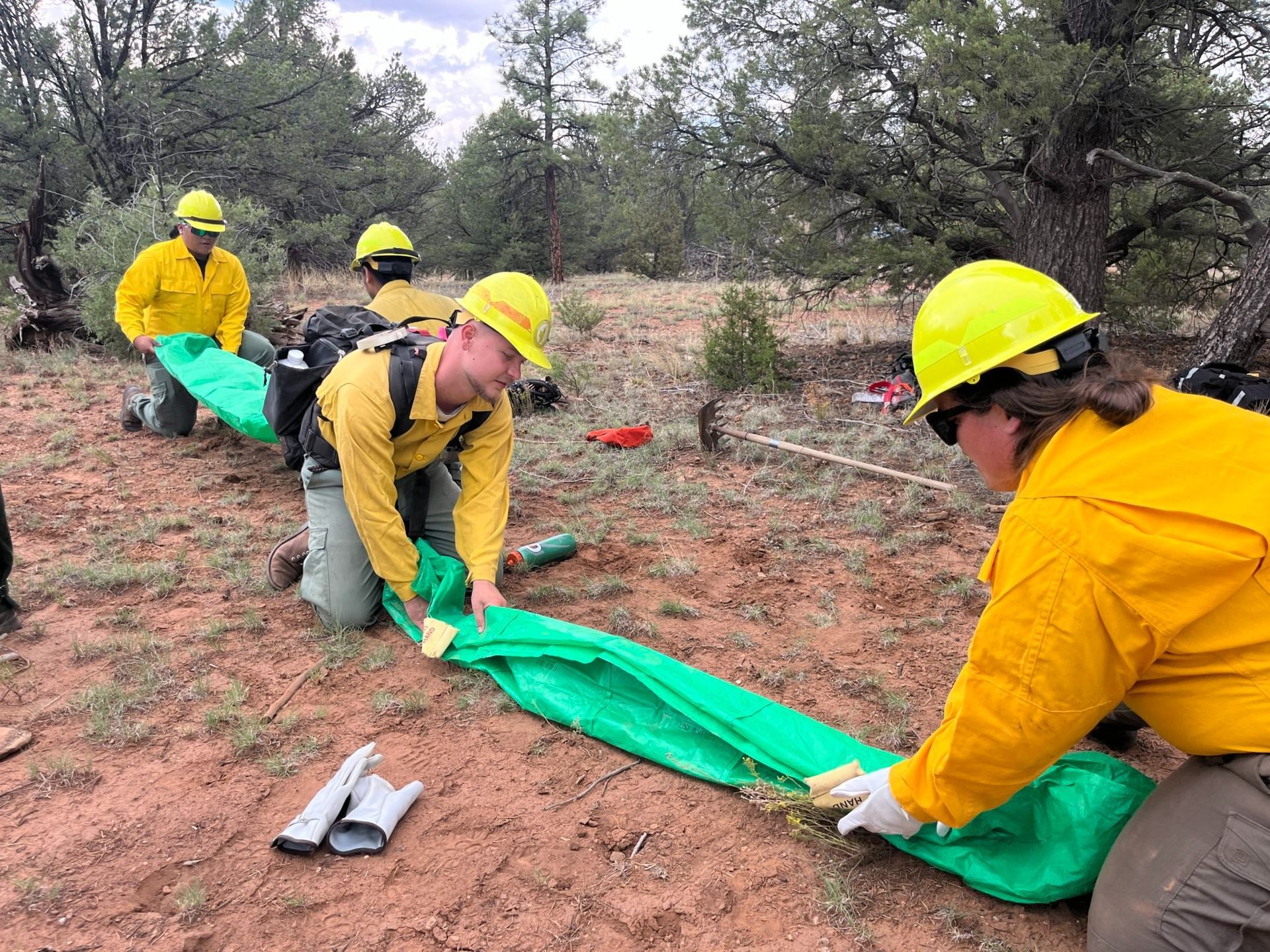
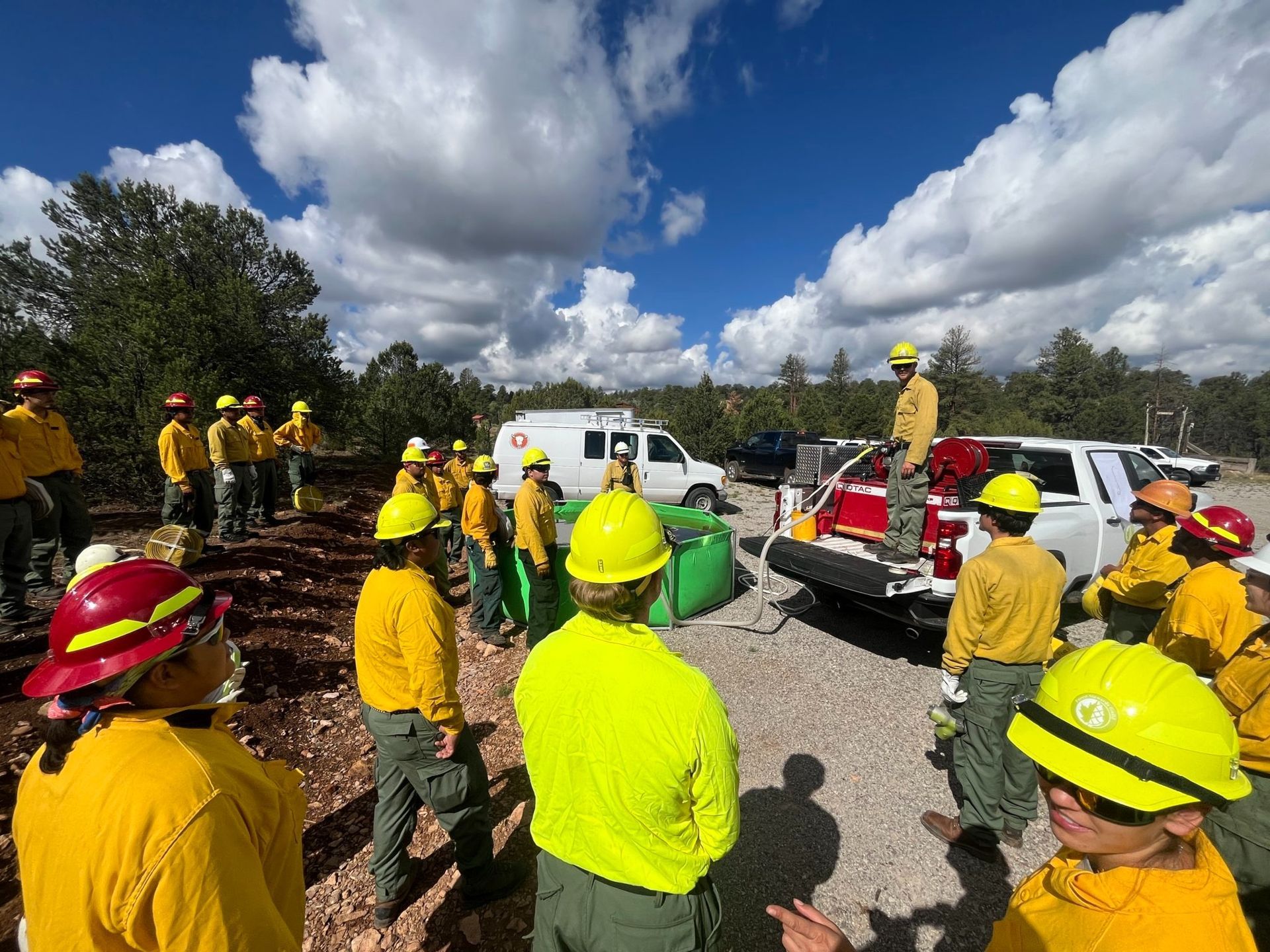
The first full week of training encompassed all the coursework and fieldwork necessary to become a wildland firefighter. Crew members studied the factors of fire behavior, weather effects, and topography before heading outside to complete hands-on training. Physically constructing a hose assembly from a fire engine was a tangible bridge from the theoretical classroom work already completed. Other important lessons included hand line construction (and the realization of how tiring it is!), radio communications, and backcountry navigation. The social-emotional aspect of this week of training was also a vital learning experience; crews camped out together, shared meals, and spent free time playing basketball in a gravel lot. In an age of increasing social deprivation, simply connecting with one another without technological distractions was a huge success. 

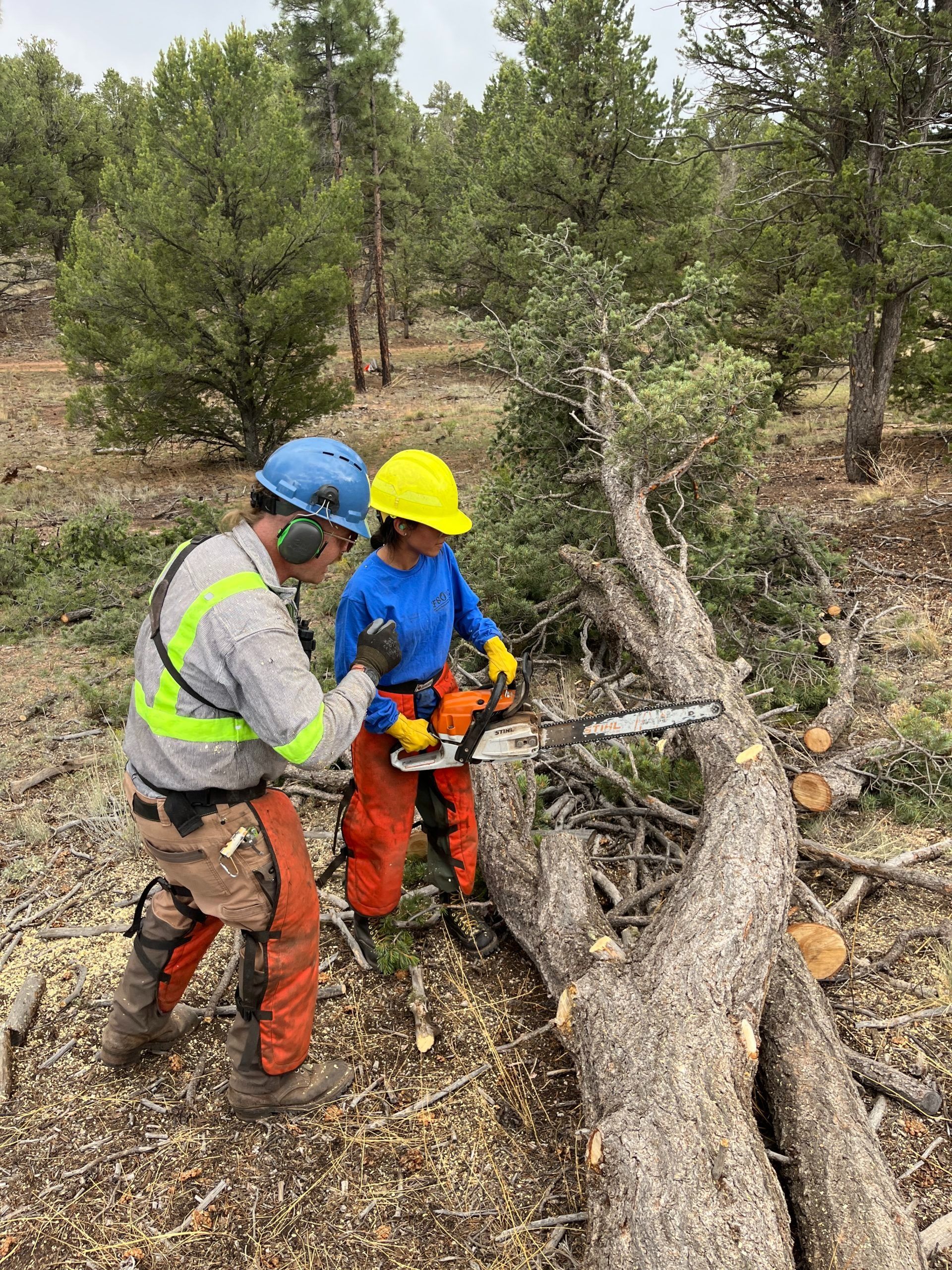
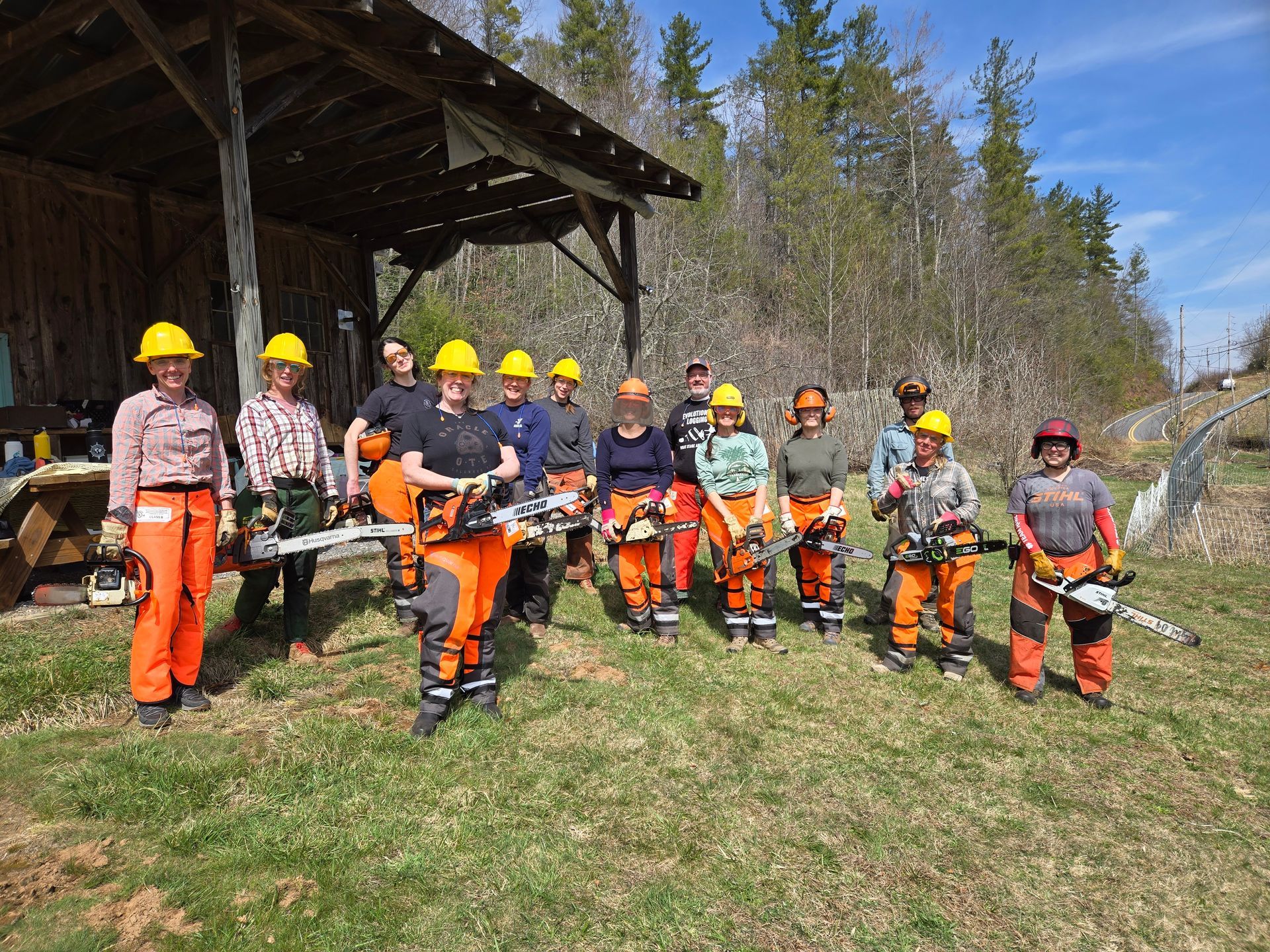
After a long Labor Day weekend full of rest, relaxation, and hot showers, the crews gathered back together for the last week of their formal onboarding: wildland fire chainsaw training. While many rural New Mexicans have some level of experience operating chainsaws to gather firewood, there’s a big difference between running a saw on private land for personal projects and operating one on a fire line to complete operational objectives. In a way, the crew members with no prior saw experience had an easier time as there was no pre-existing muscle memory or poor technique to overcome. Chainsaws are a powerful tool on the fireline, capable of downing hazardous trees, clearing brush, and bucking up burning logs into manageable lengths. With that utility, however, comes an inherent amount of risk; a misguided tree falling can easily damage personnel or vehicles, and an ounce of carelessness by the saw operator can result in an emergency evacuation. To combat this, heavy emphasis in training is placed on proper saw control, situational awareness, and backcountry medical care in the event of an incident. Crews practiced evacuating a victim from the forest on a team-carry litter and the complex logistics that exercise entails. By the end of the week, each crew member had demonstrated aptitude by assessing a tree’s hazards, creating a falling plan, and executing that plan to a safe completion. 

Upon finishing these two weeks of immersive training, our three crews returned to their host units to begin the crucial on-the-ground work they were brought on to complete including fire line preparation, forest thinning, and prescribed burn implementation. But before the first shovel even hit the ground, the FSYC program had already become a resounding success. Empowering and enabling young New Mexicans to contribute to their local economies and ecologies has always been a stated goal of FSYC, but to watch a cohort of inexperienced individuals transform into a confident, proficient, and cohesive professional unit capable of anything they put their minds to, now and in the future, is the real beauty of the program. Whether these crew members continue on to careers in wildland fire, forest management, or something completely unrelated one thing remains true: FSYC continues to serve as a powerful tool for professional development, personal growth, and investment in the next generation of rural New Mexican communities.

On a warm morning in late August, fifteen strangers gathered in Albuquerque, New Mexico for their first glimpse of what would become a life-changing chapter in their careers. As new crew members in the Guild’s Forest Stewards Youth Corps (FSYC) program, these individuals had expressed an interest in working in natural resources in their home communities; few had any prior experience in this field but a willingness to learn and a determination to stick with it would prove key. Over the course of the next three days, the bigger picture of what this seasonal job would demand became clear as each crew became a tight-knit cadre. Though no promises of physical comfort or consistent scheduling were made, the three crews from Mountainair, Santa Fe, and Pueblo of Jemez were eager to get their hands dirty. 

Recent Posts

By Aidan Juhl April 16, 2026
Written by Colleen Robinson
April 14, 2026
Written by Shannon Maes
April 14, 2026
In September 2025, the Guild launched a three-person Forest Stewards Apprenticeship (FSA) crew to work with the Penobscot Nation’s Department of Natural Resources (PN DNR). Over the course of their six-month season, apprentices Agenor Duhon, Gabe Stewart, and Jacob Baker shared a season of learning, collaboration, and hands-on stewardship of Penobscot Tribal lands.
April 14, 2026
This week, I stepped into the role of crew leader. We worked a full 40-hour week, splitting our time between Clifton Farms and a prescribed burn operation. On the first day in the field, we completed hack-and-squirt treatments on trees that had been marked the previous week. For the remainder of the week, we focused on marking trees for future hack-and-squirt work, maintaining a steady pace and ensuring accuracy in our selections.
April 7, 2026
As Guild members, our practice is fundamentally grounded in field observation. We know intuitively that forests are dynamic, living communities. Yet, for decades, the high-level systems used to value our work, specifically the carbon accounting ledgers tied to international frameworks like the Paris Agreement, have treated forests as static, quantifiable blocks of land. In a recent commentary published in One Earth, I argue that these legacy measurement, reporting, and verification (MRV) frameworks are failing. Ledger accounting relies on crude land-use delineations and outdated technology, effectively penalizing the natural, seasonal flux of the ecosystems we manage every day. By forcing landscapes into rigid “forest” versus “non-forest” binaries, such legacy systems miss the complex reality on the ground. But a major shift is underway.
March 18, 2026
Women have always been a part of forestry. Historically, women often helped guide family decisions about when to cut, which trees to save, and how best to steward their land for the next generation. Historical accounts from the Southern Appalachians describe women’s roles in decisions about timber harvesting and prioritizing long-term forest health. These often-uncredited contributions are even reflected in Aldo Leopold’s A Sand County Almanac (1949), in which describes his stewardship philosophy informed not only by his professional experience, but by shared responsibility, where the perspectives of his wife and daughters played an important role.
March 18, 2026
Although rural regions often host the highest concentrations of public and private forest land, they typically lack the sustainable workforce necessary for active management and stewardship. How do we address this foundational problem in forest conservation?
March 18, 2026
The Forest Stewards Guild has a unique dual mandate: practice and promote forest stewardship. Personally, I think the combination of practicing forest management and promoting best practices is what makes the Guild a vibrant and impactful organization.
February 17, 2026
We celebrate the remarkable career and legacy of Leslie (Les) Benedict, who has provided visionary leadership and dedicated service to the stewardship of forests, championing the preservation of the ecological and culturally important black ash. Benedict, a member of the Saint Regis Mohawk Tribe in Akwesasne, north of the Adirondacks in upstate New York, recently retired after serving as the Assistant Director of the Tribe’s Environment Division for over 35 years.
February 17, 2026
The Forest Stewards Guild has been working to support the National Park Service on forest stewardship projects throughout the eastern U.S. This month we are in the midst of a project to protect mounds at Effigy Mounds National Monument near Harpers Ferry Iowa. This site was designated as a National Monument in 1949 and preserves over 200 mounds built between 800 and 2,500 years ago. Mounds at this site include conical, linear, compound, and effigy mounds – constructed in the shape of animals. Please see the National Park Service page for more information about the mounds, the people who built them, and how to visit the site. The lidar images on that website of the Marching Bears and other mound groups are fascinating.
Show More