Collaboratively Building (local) Capacity to Reduce Wildfire Risk

August 15, 2024

Written by Polly Weigand

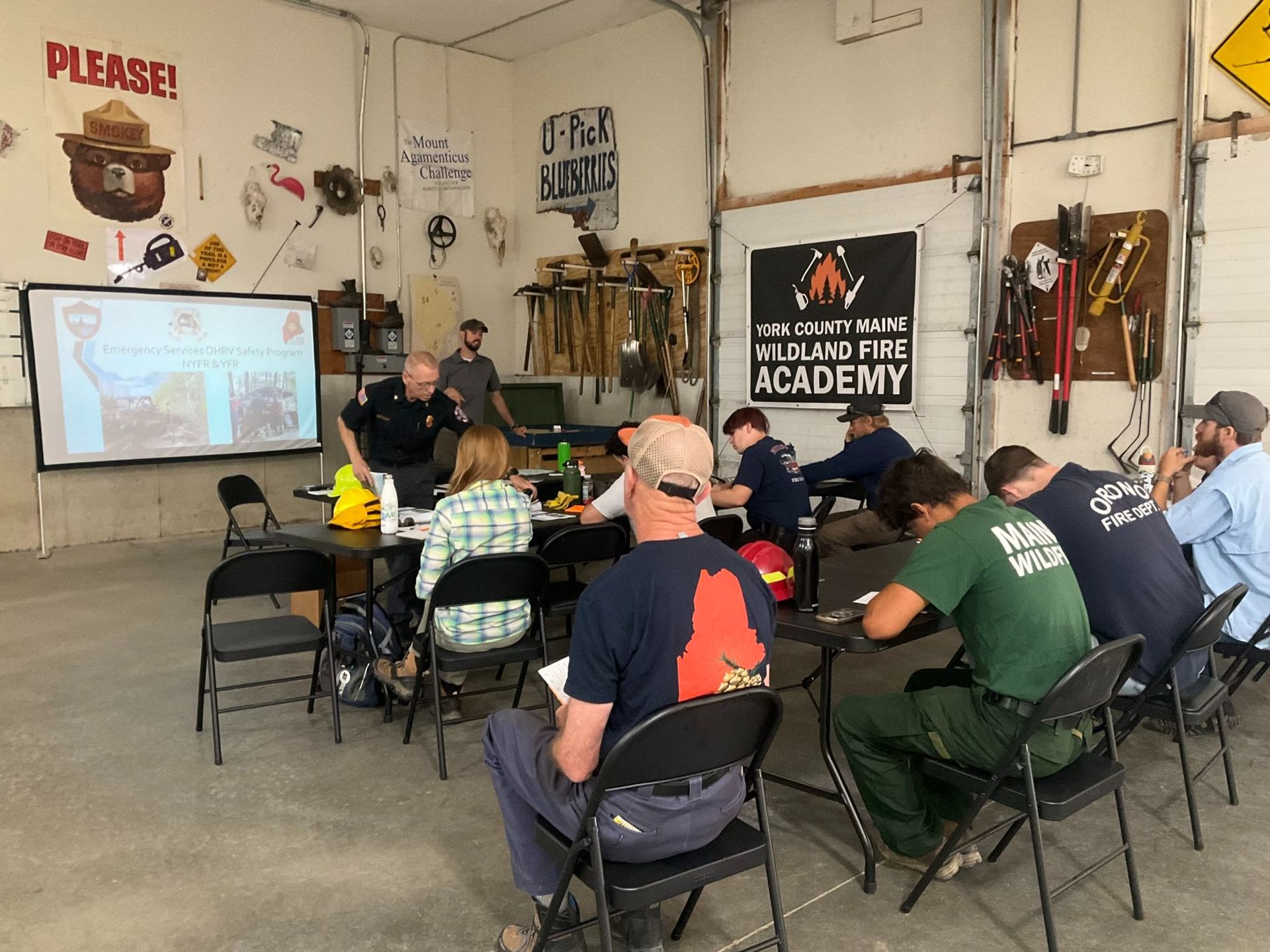
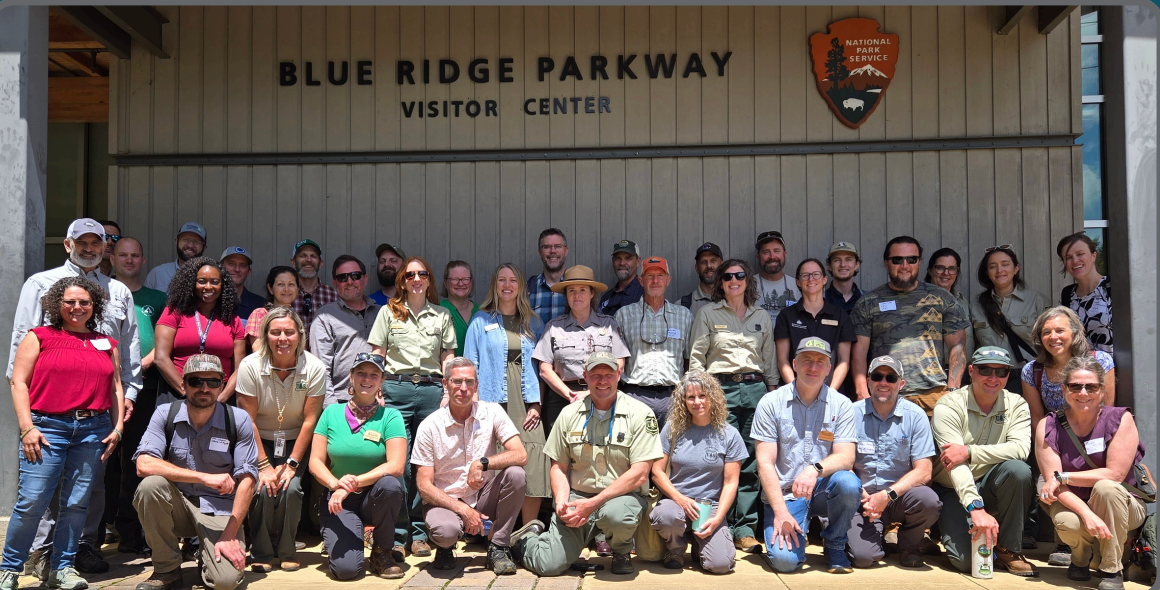
In 2021, the Guild in partnership with the Maine Prescribed Fire Council, The Nature Conservancy, USDA- Forest Service, Maine Forest Service, Maine Army National Guard, York County Emergency Management Agency, and the York County Community College successfully secured US Forest Service Wildfire Risk Reduction grant funding. The aim was to advance the development of a Maine-Massabesic Region Community Wildfire Protection Plan and implement a suit of Wildfire Risk Reduction practices. This June, after many years of collaborative planning, the inaugural York County Maine Wildland Fire Academy marked a significant interagency collaborative achievement.

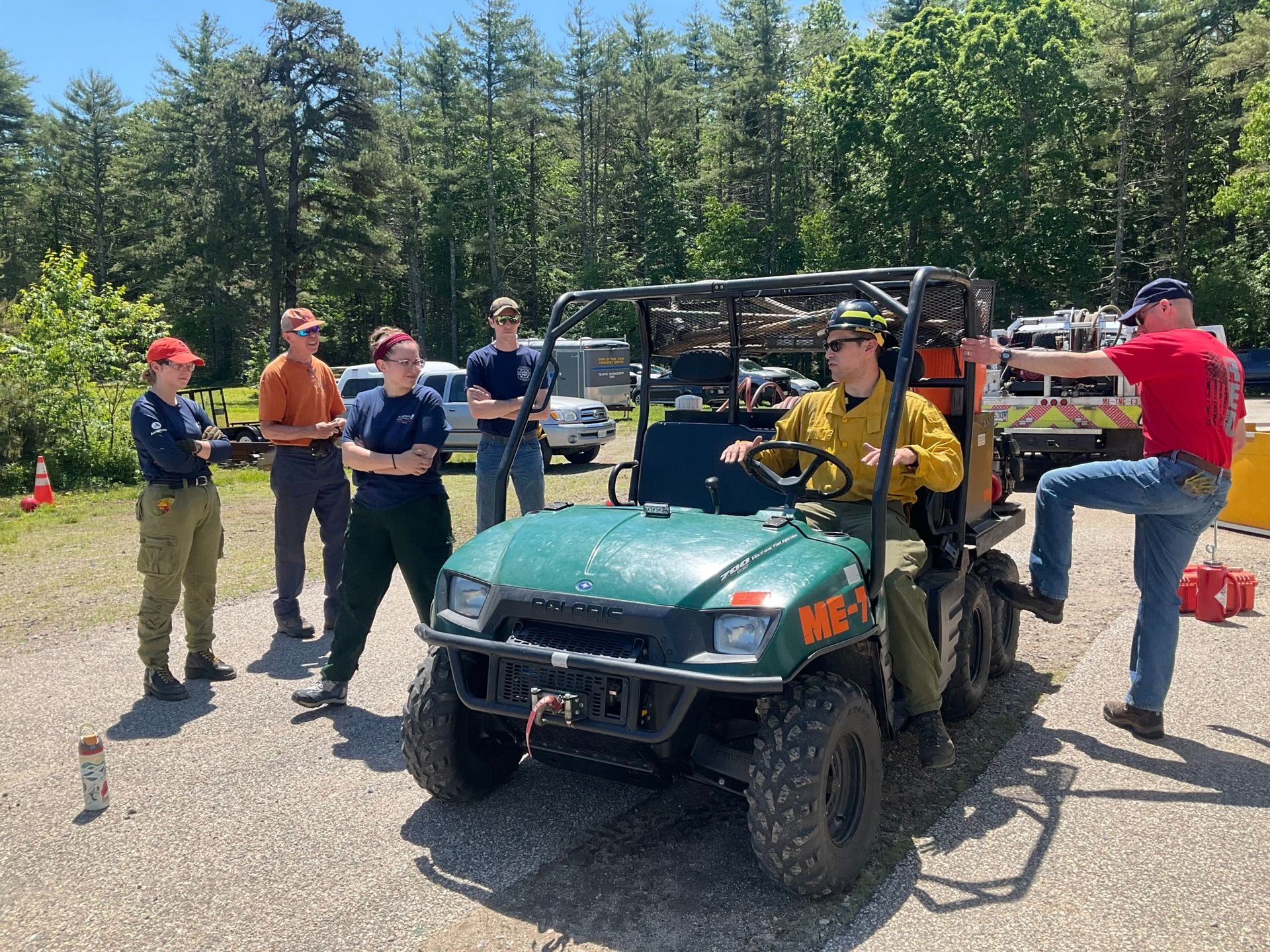
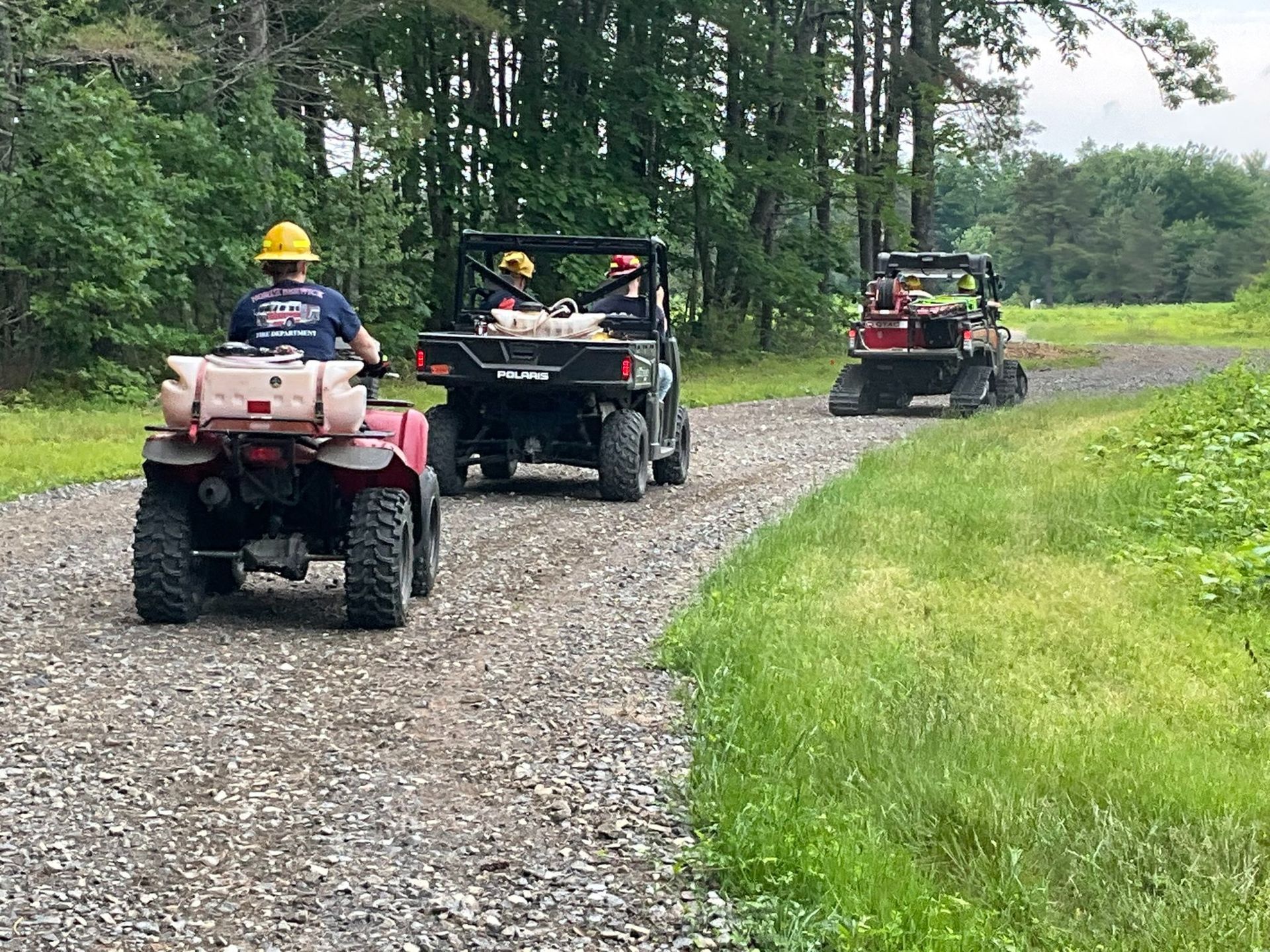
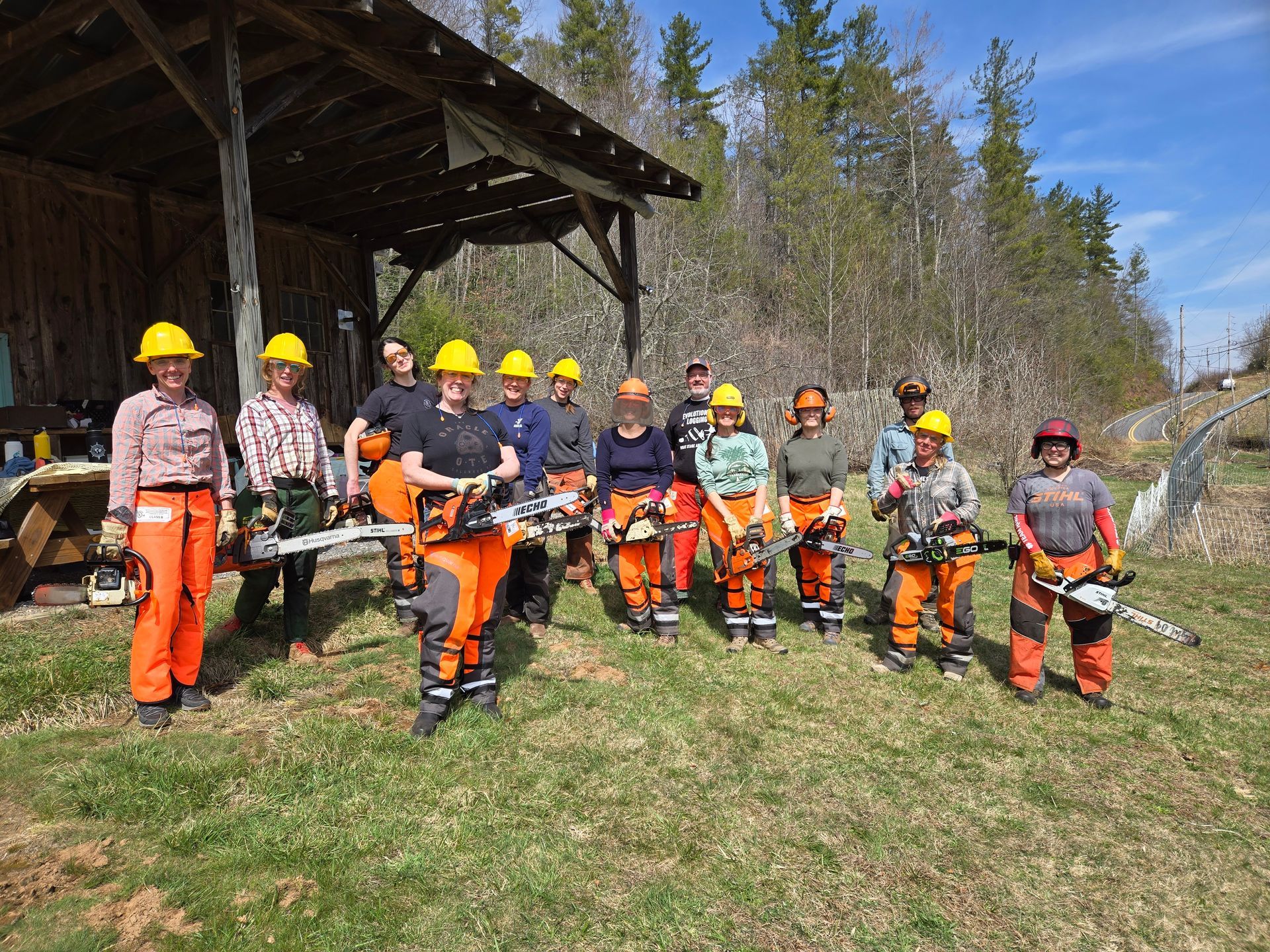
Six classes, including Basic Wildland Firefighter Training (s130-190), Portable Pumps and Water Use (s211), UTV Operator Safety, First Aid/ CPR, and Firefighter Type 1 (s131 and GT 131) were offered to provide the mandatory training, foundational knowledge, technical skills, and leadership training for beginning and early career wildland fire fighters as well as structural firefighters. Enrollment response was sufficient to host all the classes.

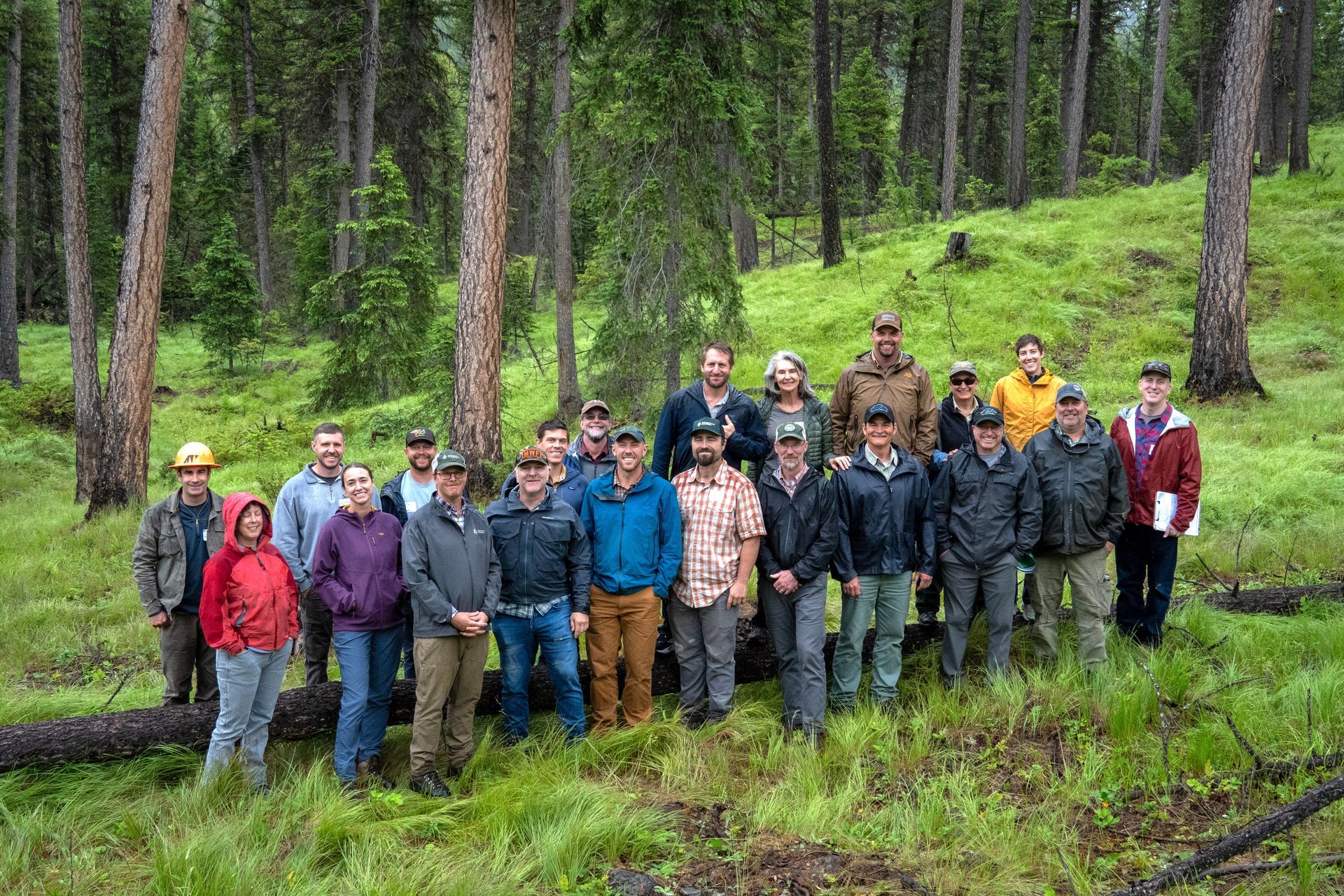
The week’s event was a resounding success! After all the fire line was dug, hose backhauled and rolled, pumps and hand tools stashed back in the cache, UTV operations concluded, CPR skills honed, practice fire shelters refolded (which is by far the biggest accomplishment), and required paperwork submitted, over 30 newly qualified wildland fire fighters (FFT2) were already eagerly anticipating the opportunity to step up to the fire line to put their new skills to work. Of the other 47 attendees who were already qualified as FFT2, a total of 16, 10, and 8 individuals completed s211, UTV operations, and First Aid/CPR courses, respectively. Equally beneficial to building capacity, 11 Firefighter Type 2’s were able to open their squad boss task book and demonstrate their tactical and leadership competencies to serve as a Squad Boss (FFT!),

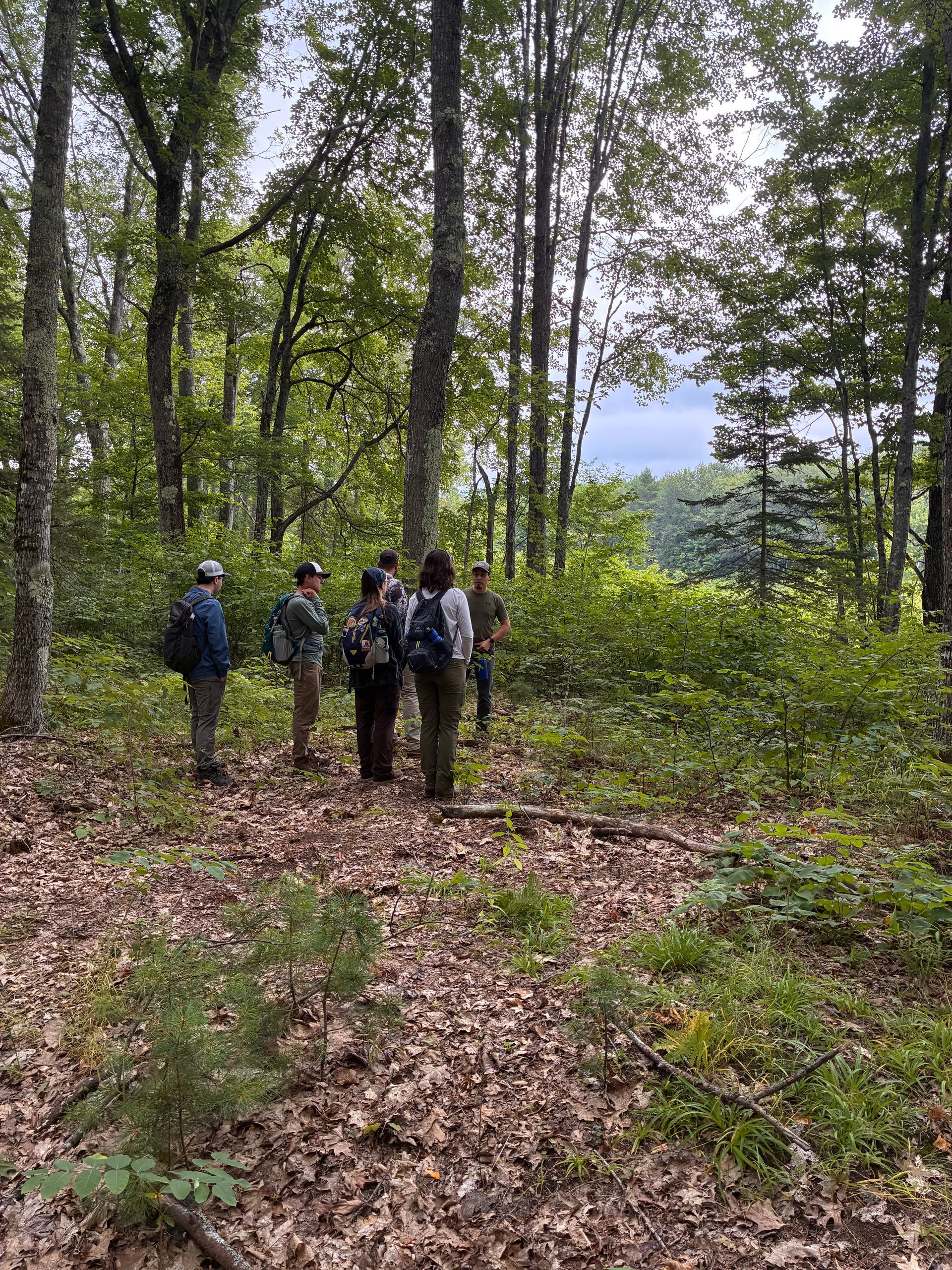
You may have wondered when the topic of wildfire was first referenced, why in Maine ? Indeed, the “way that life should be” state has the propensity to be scorched by wildfire. Especially in the Massabesic region of southern Maine. York County was chosen as the Academy location, being centrally located within the greater Massabesic region that extends into New Hampshire. It is a fire adapted landscape, which supports some of the highest levels of rare and unique species assemblages within the prominent sandplain grassland, heath, and pine barren dominated plant communities, making it ecologically distinct and more prone to wildfire than the more abundant mixed conifer forests commonly associated with these two states.

The Massabesic Region of Maine also has a long history of large and catastrophic wildfires, including the “Great Fire of 1947” which consumed more than 200,000 acres, took 16 lives, and destroyed over 1,000 homes. As the second most populous county in Maine, due to its proximity to Boston, the region continues to experience a sustained risk of wildfire with the expansion of wildland urban interface, densely stocked forests, and high recreational use.

Building capacity for wildfire risk reduction through locally accessible wildfire suppression and prescribed fire management training via the York County Maine Wildland Fire Academy is the most recent accomplishment to be recognized under this wildfire risk reduction grant. Ensuring ready access to water resources by Fire Departments through the installation of dry hydrants; conducting fuel reduction and rearrangement through selective thinning and mastication within Kennebunk plains forests; and outfitting fire department staff with appropriate wildland fire personal protective gear are other funded initiatives. The final component, currently in draft, is the development Massabesic Community Wildfire Protection Plan.

As the grant ends this fall, the Guild and the interagency partnership recognizes the significant investments and the value of the established collaborative framework. Impressive expertise, funds, staff, equipment, and facilities have been leveraged through this, and planning has started already for next year’s York Maine Wildland Fire Academy.

Recent Posts

By Aidan Juhl April 16, 2026
Written by Colleen Robinson
April 14, 2026
Written by Shannon Maes
April 14, 2026
In September 2025, the Guild launched a three-person Forest Stewards Apprenticeship (FSA) crew to work with the Penobscot Nation’s Department of Natural Resources (PN DNR). Over the course of their six-month season, apprentices Agenor Duhon, Gabe Stewart, and Jacob Baker shared a season of learning, collaboration, and hands-on stewardship of Penobscot Tribal lands.
April 14, 2026
This week, I stepped into the role of crew leader. We worked a full 40-hour week, splitting our time between Clifton Farms and a prescribed burn operation. On the first day in the field, we completed hack-and-squirt treatments on trees that had been marked the previous week. For the remainder of the week, we focused on marking trees for future hack-and-squirt work, maintaining a steady pace and ensuring accuracy in our selections.
April 7, 2026
As Guild members, our practice is fundamentally grounded in field observation. We know intuitively that forests are dynamic, living communities. Yet, for decades, the high-level systems used to value our work, specifically the carbon accounting ledgers tied to international frameworks like the Paris Agreement, have treated forests as static, quantifiable blocks of land. In a recent commentary published in One Earth, I argue that these legacy measurement, reporting, and verification (MRV) frameworks are failing. Ledger accounting relies on crude land-use delineations and outdated technology, effectively penalizing the natural, seasonal flux of the ecosystems we manage every day. By forcing landscapes into rigid “forest” versus “non-forest” binaries, such legacy systems miss the complex reality on the ground. But a major shift is underway.
March 18, 2026
Women have always been a part of forestry. Historically, women often helped guide family decisions about when to cut, which trees to save, and how best to steward their land for the next generation. Historical accounts from the Southern Appalachians describe women’s roles in decisions about timber harvesting and prioritizing long-term forest health. These often-uncredited contributions are even reflected in Aldo Leopold’s A Sand County Almanac (1949), in which describes his stewardship philosophy informed not only by his professional experience, but by shared responsibility, where the perspectives of his wife and daughters played an important role.
March 18, 2026
Although rural regions often host the highest concentrations of public and private forest land, they typically lack the sustainable workforce necessary for active management and stewardship. How do we address this foundational problem in forest conservation?
March 18, 2026
The Forest Stewards Guild has a unique dual mandate: practice and promote forest stewardship. Personally, I think the combination of practicing forest management and promoting best practices is what makes the Guild a vibrant and impactful organization.
February 17, 2026
We celebrate the remarkable career and legacy of Leslie (Les) Benedict, who has provided visionary leadership and dedicated service to the stewardship of forests, championing the preservation of the ecological and culturally important black ash. Benedict, a member of the Saint Regis Mohawk Tribe in Akwesasne, north of the Adirondacks in upstate New York, recently retired after serving as the Assistant Director of the Tribe’s Environment Division for over 35 years.
February 17, 2026
The Forest Stewards Guild has been working to support the National Park Service on forest stewardship projects throughout the eastern U.S. This month we are in the midst of a project to protect mounds at Effigy Mounds National Monument near Harpers Ferry Iowa. This site was designated as a National Monument in 1949 and preserves over 200 mounds built between 800 and 2,500 years ago. Mounds at this site include conical, linear, compound, and effigy mounds – constructed in the shape of animals. Please see the National Park Service page for more information about the mounds, the people who built them, and how to visit the site. The lidar images on that website of the Marching Bears and other mound groups are fascinating.
Show More