A Look into the Collaborative Efforts in the Zuni Mountains

July 10, 2024

Written by Daisy Smith 

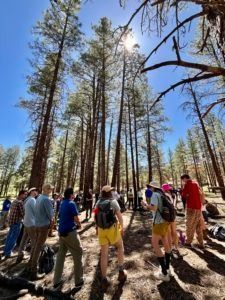
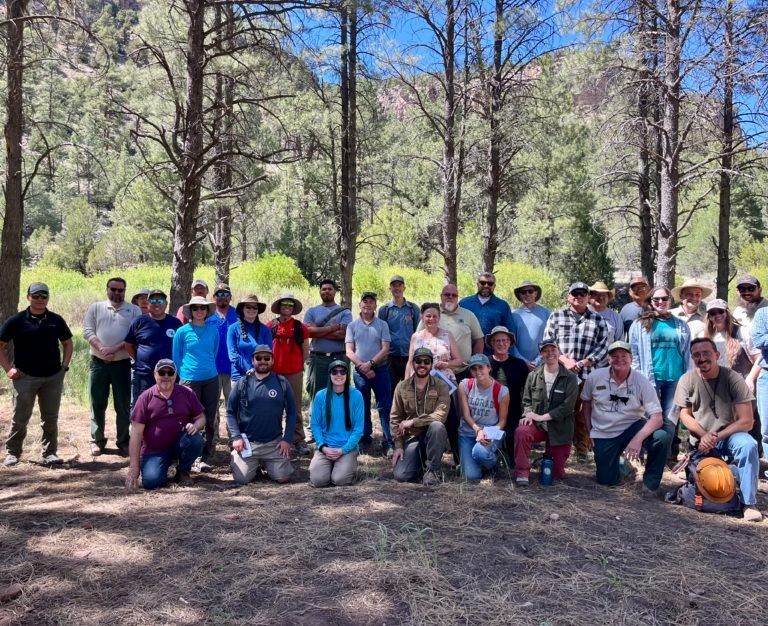
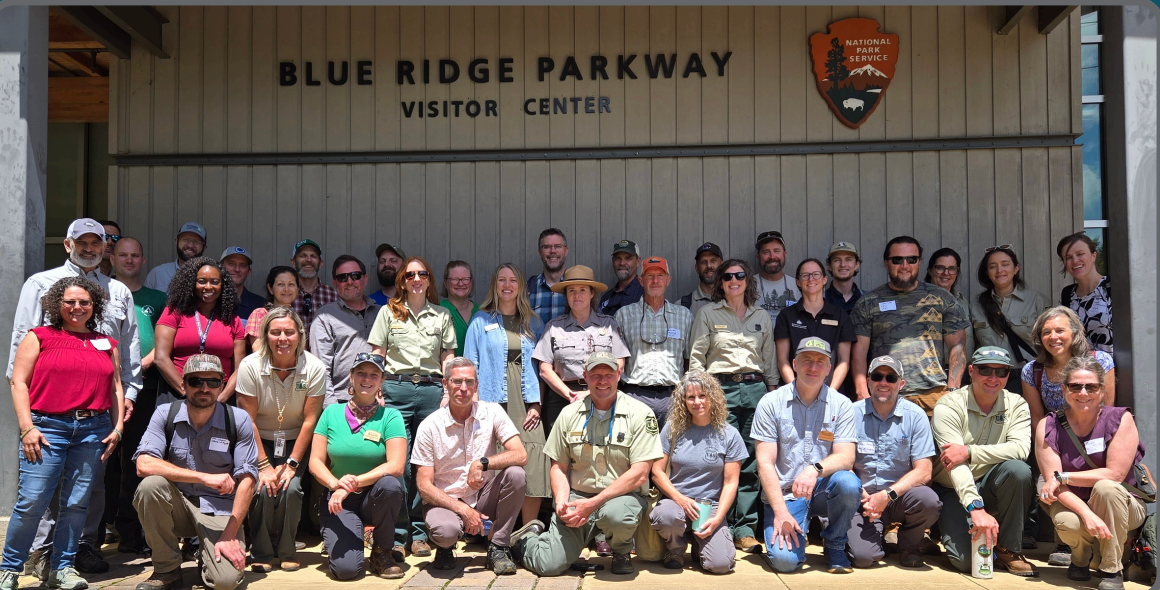
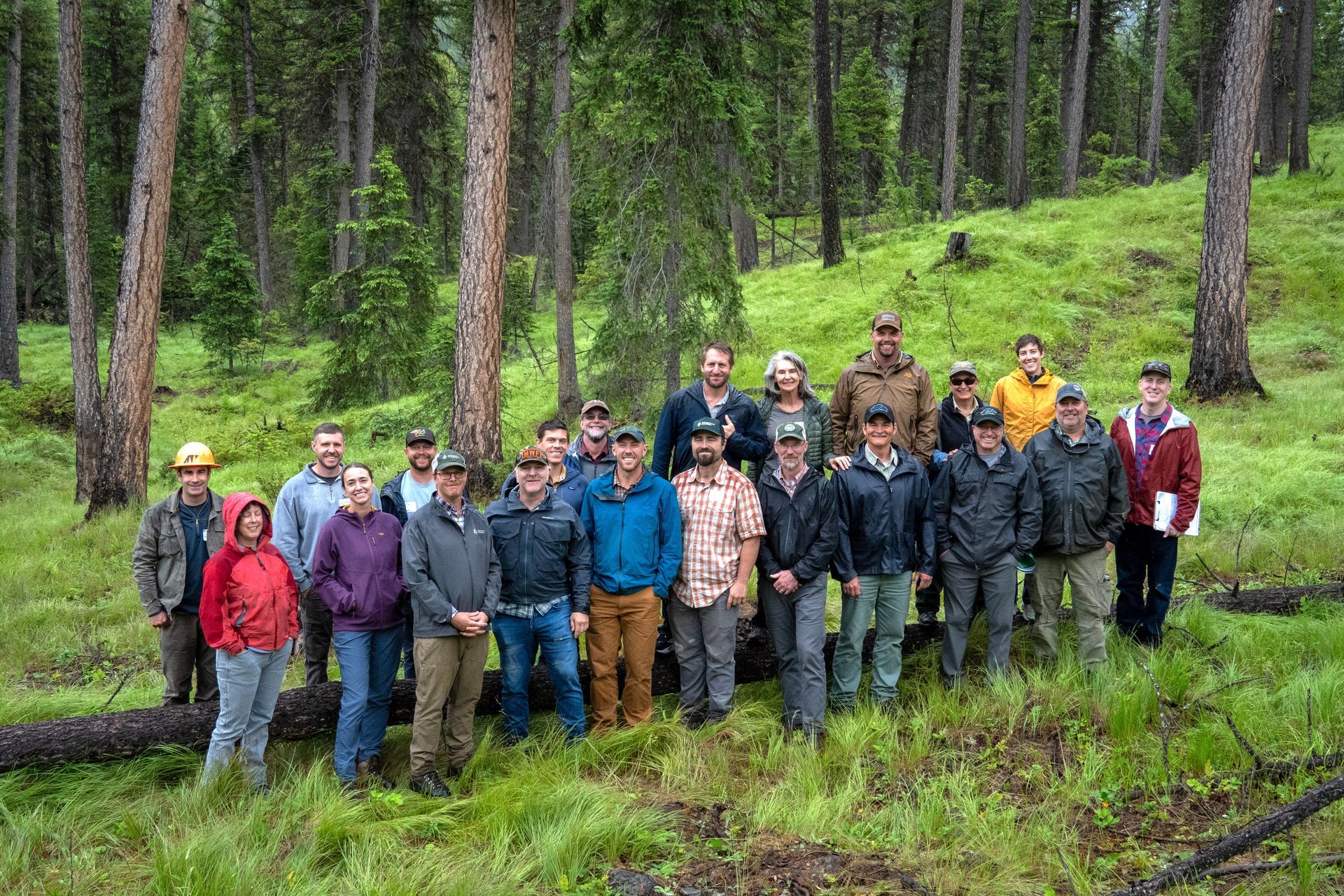
On June 5th, 2024, I attended the Zuni Mountains Collaborative – Annual Field Tour in west-central New Mexico. As a new intern at the Forest Stewards Guild, this was a fantastic way for me to better understand and observe some of the Guild’s important collaborative natural resource work. 

The Zuni Mountains Collaborative (ZMC) started with informal partnerships between the Cibola National Forest, The Forest Stewards Guild, and multiple other stakeholders. As the partnerships grew and formalized over time, a structured collaborative was created to better steward the landscape in this region. These efforts paid off in a substantial way in 2011 when the Collaborative received crucial federal funding through a 10-year Collaborative Forest Landscape Restoration Program (CFLRP) award. The generous support of CFLRP and the hard work of partners warranted many positive outcomes. Some of these include the effective implementation of forest restoration treatments across thousands of acres, a robust monitoring program, and the creation of many new jobs. Since 2005, the ZMC has worked to serve and support a vital ecosystem and improve the livelihoods of residents in McKinley and Cibola counties with a progressive approach to forest management and natural resource work, driven by community stewardship and valuable personal and professional relationships. 

The June field tour began at Cottonwood Gulch Expeditions, a private educational camp and partner of the ZMC. Guild staffers Rachel Bean and Mateo Pomilia gave a brief introduction and thanked partners, staff, and community members for joining the tour. Jordan Stone, executive director of Cottonwood Gulch, then described how in early October 2023, a cooperative prescribed fire was implemented at the camp with the aim of reintroducing regular fire to the landscape. Stone described the timeline, planning, and nature of the recent fire along with the challenges and enablers that make it possible to intentionally burn on private property to restore forest health. He detailed efforts to address escaped fire, smoke, and other concerns within surrounding communities, a special point of focus following the trauma of the 2022 Hermits Peak/Calf Canyon Fire Complex in northern New Mexico. Eddie Baca, a ZMC partner and fire management officer with the Forest Service, described other collaborative efforts on past burns in the area that took place on federal land and how the Guild has been a key partner in improving safety and adding fire personnel, especially through the All Hands All Lands Burn Team. The discussion turned to the importance of special burning techniques to promote healthy soil and diverse woody material and ensure there is opportunity for proper age regeneration in the forest. The morning wrapped up with some final thoughts from partners about thinning and potential solutions for the surplus of wood left behind after trees are cut.   

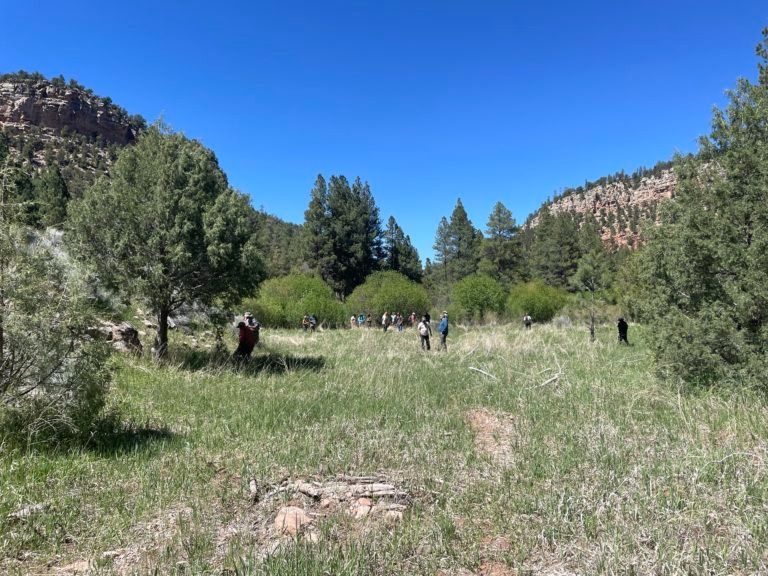
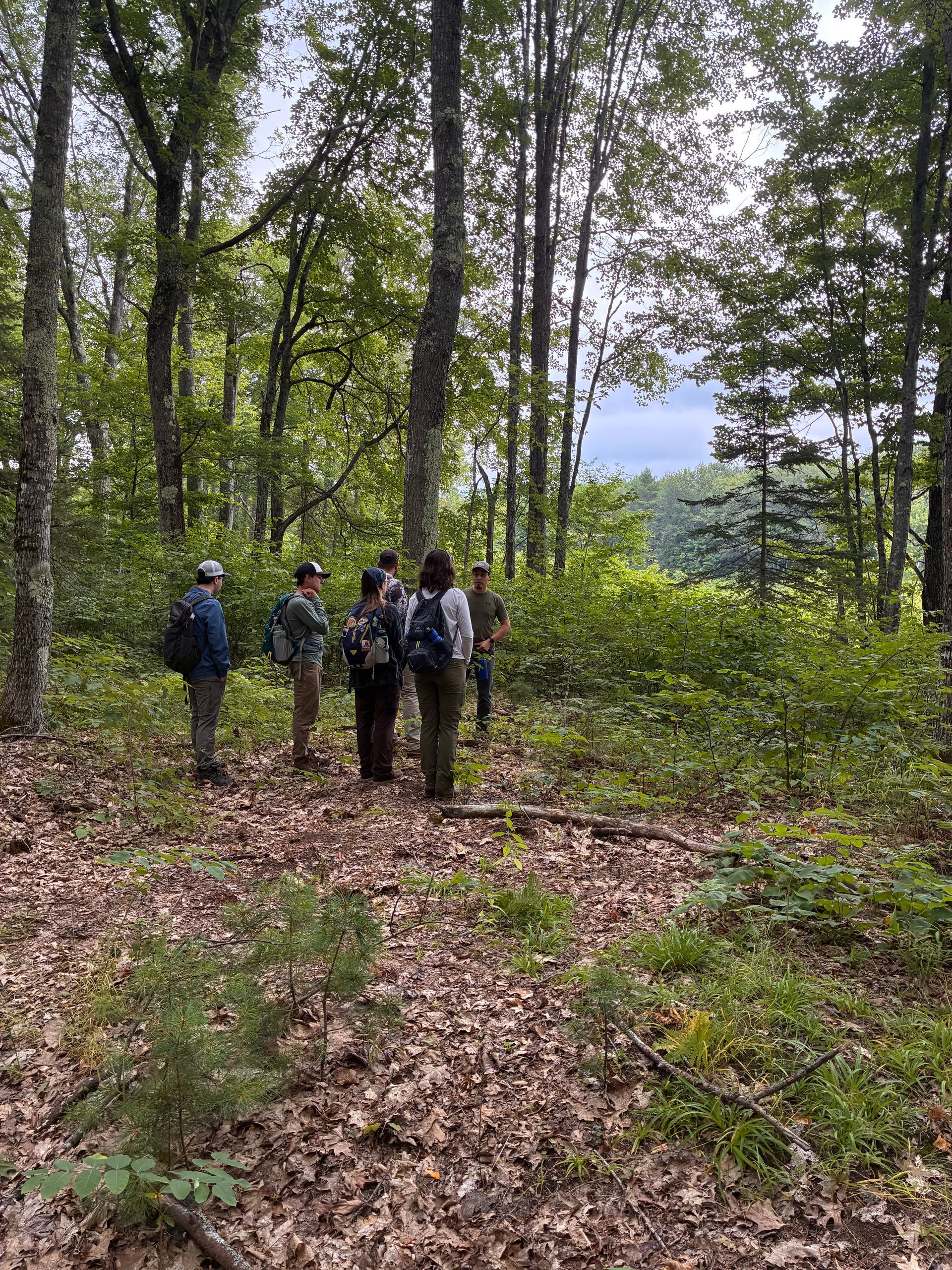
After a quick break for lunch, we continued to the next location, Bluewater Creek. Gathered under some shade with a view of the canyon walls and a freshly green riparian area snaking along the creek, we heard some more about the challenges and current undertakings of the ZMC. Range specialists Donald Serrano and Curtis Chee touched on the dynamic of livestock in the area and then explained the challenges of feral horses running wild on the land and the difficulty of removing them for the sake of the environment without serious pushback from the public. From there the discussion shifted to current wildlife populations in the area, watershed management, and the CFLRP’s approach to handling invasives. Guild employee Mateo Pomilia made a great point stating “Invasives are not necessarily the problem, it has more to do with how we move about the landscape, so not completely eradicating them, but learning to live with them.” The day ended with a quick activity of spotting and identifying native and invasive species in the surrounding creek and riparian area. 

Observing the thought, planning, diverse expertise, and hard work that goes into the ZMC project was something that gave me a deeper understanding of the important efforts that the Forest Stewards Guild is involved in. It was especially neat to hear about how this project has changed over the years, the challenges that evolve, and the opportunities that emerge thanks to factors like climate change and new regulations. The unique nature of the ZMC project stands as a true testament to the power of collaboration in environmental management and forest stewardship, which works to preserve the natural heritage of the Zuni Mountains and cultivate a sustainable future for the communities that call this special region home.

Recent Posts

By Aidan Juhl April 16, 2026
Written by Colleen Robinson
April 14, 2026
Written by Shannon Maes
April 14, 2026
In September 2025, the Guild launched a three-person Forest Stewards Apprenticeship (FSA) crew to work with the Penobscot Nation’s Department of Natural Resources (PN DNR). Over the course of their six-month season, apprentices Agenor Duhon, Gabe Stewart, and Jacob Baker shared a season of learning, collaboration, and hands-on stewardship of Penobscot Tribal lands.
April 14, 2026
This week, I stepped into the role of crew leader. We worked a full 40-hour week, splitting our time between Clifton Farms and a prescribed burn operation. On the first day in the field, we completed hack-and-squirt treatments on trees that had been marked the previous week. For the remainder of the week, we focused on marking trees for future hack-and-squirt work, maintaining a steady pace and ensuring accuracy in our selections.
April 7, 2026
As Guild members, our practice is fundamentally grounded in field observation. We know intuitively that forests are dynamic, living communities. Yet, for decades, the high-level systems used to value our work, specifically the carbon accounting ledgers tied to international frameworks like the Paris Agreement, have treated forests as static, quantifiable blocks of land. In a recent commentary published in One Earth, I argue that these legacy measurement, reporting, and verification (MRV) frameworks are failing. Ledger accounting relies on crude land-use delineations and outdated technology, effectively penalizing the natural, seasonal flux of the ecosystems we manage every day. By forcing landscapes into rigid “forest” versus “non-forest” binaries, such legacy systems miss the complex reality on the ground. But a major shift is underway.
March 18, 2026
Women have always been a part of forestry. Historically, women often helped guide family decisions about when to cut, which trees to save, and how best to steward their land for the next generation. Historical accounts from the Southern Appalachians describe women’s roles in decisions about timber harvesting and prioritizing long-term forest health. These often-uncredited contributions are even reflected in Aldo Leopold’s A Sand County Almanac (1949), in which describes his stewardship philosophy informed not only by his professional experience, but by shared responsibility, where the perspectives of his wife and daughters played an important role.
March 18, 2026
Although rural regions often host the highest concentrations of public and private forest land, they typically lack the sustainable workforce necessary for active management and stewardship. How do we address this foundational problem in forest conservation?
March 18, 2026
The Forest Stewards Guild has a unique dual mandate: practice and promote forest stewardship. Personally, I think the combination of practicing forest management and promoting best practices is what makes the Guild a vibrant and impactful organization.
February 17, 2026
We celebrate the remarkable career and legacy of Leslie (Les) Benedict, who has provided visionary leadership and dedicated service to the stewardship of forests, championing the preservation of the ecological and culturally important black ash. Benedict, a member of the Saint Regis Mohawk Tribe in Akwesasne, north of the Adirondacks in upstate New York, recently retired after serving as the Assistant Director of the Tribe’s Environment Division for over 35 years.
February 17, 2026
The Forest Stewards Guild has been working to support the National Park Service on forest stewardship projects throughout the eastern U.S. This month we are in the midst of a project to protect mounds at Effigy Mounds National Monument near Harpers Ferry Iowa. This site was designated as a National Monument in 1949 and preserves over 200 mounds built between 800 and 2,500 years ago. Mounds at this site include conical, linear, compound, and effigy mounds – constructed in the shape of animals. Please see the National Park Service page for more information about the mounds, the people who built them, and how to visit the site. The lidar images on that website of the Marching Bears and other mound groups are fascinating.
Show More