A Guild Gathering to celebrate a quarter-century

September 16, 2021

Written by Colleen Robinson

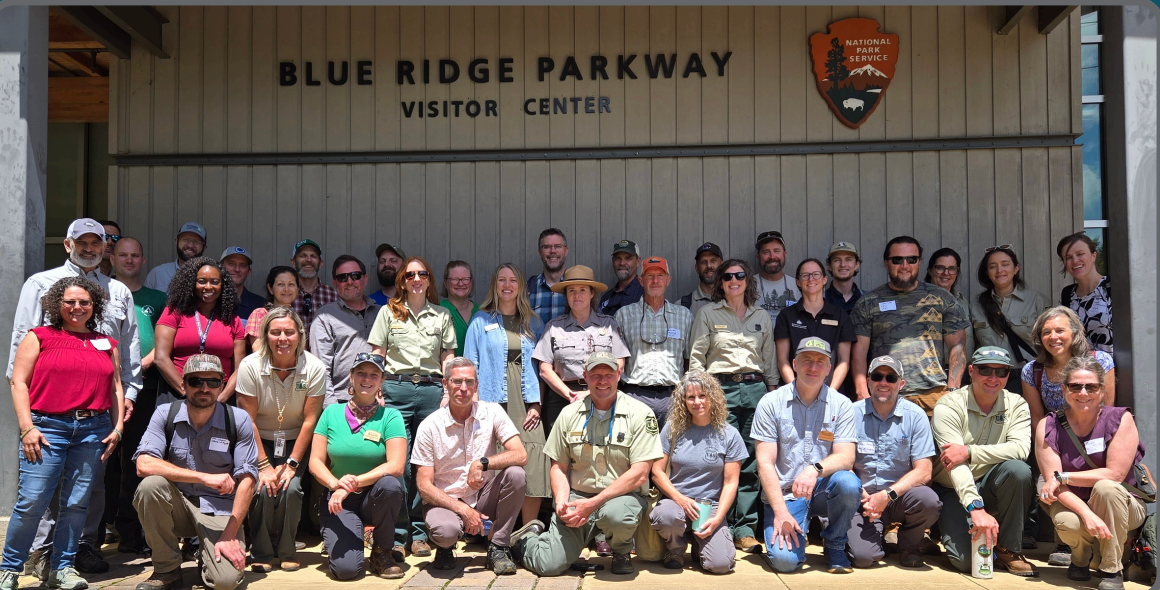
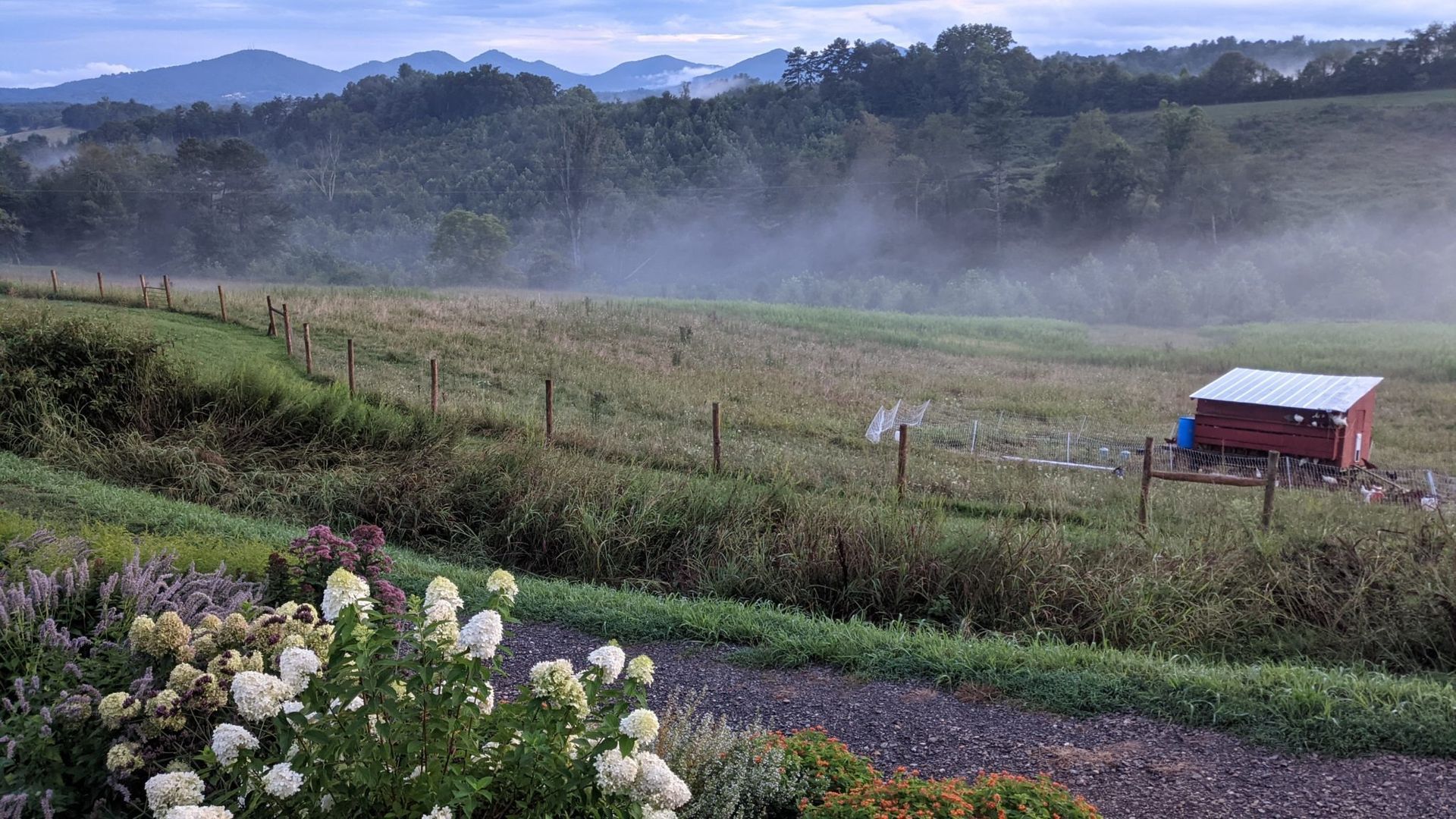
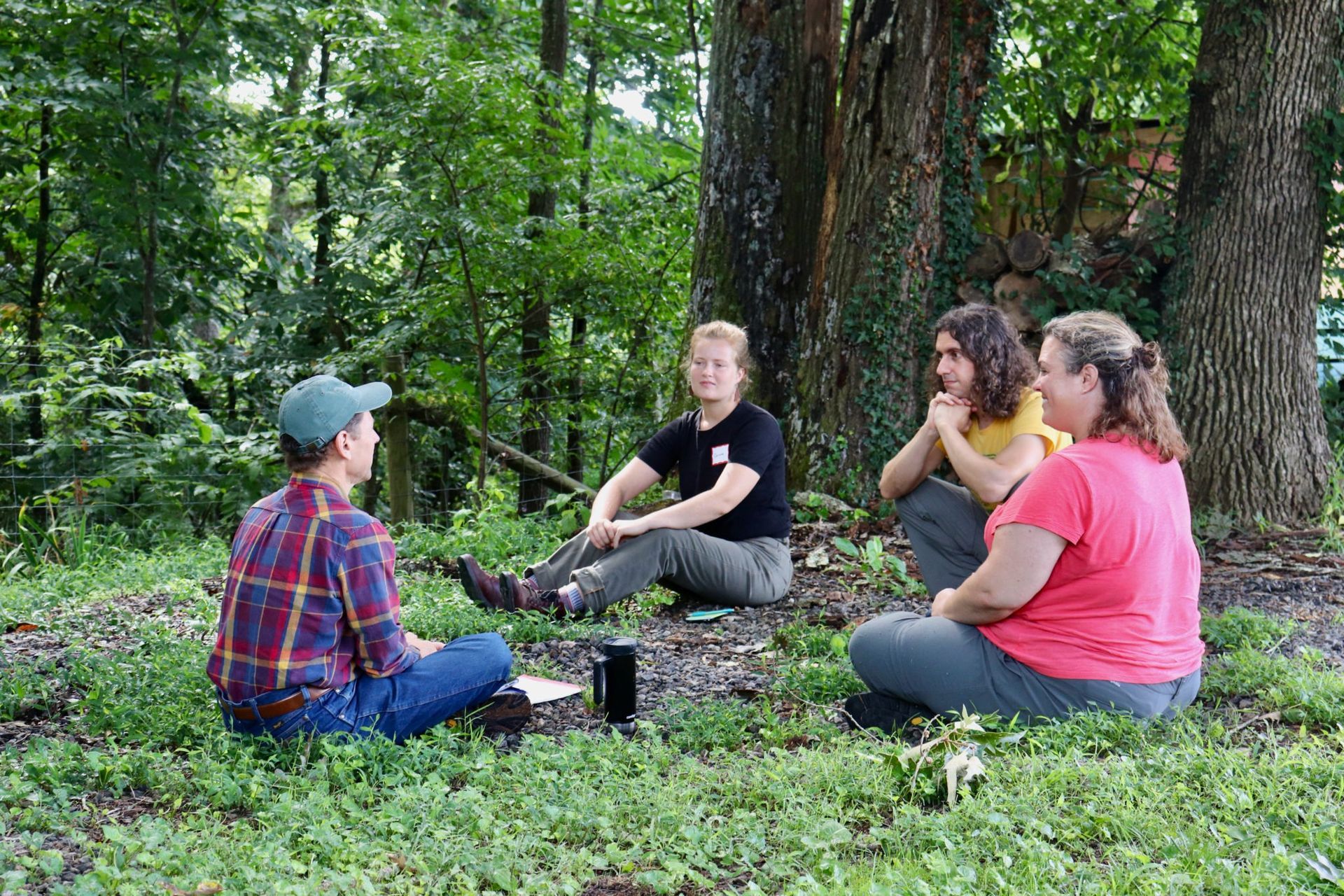
Atop a knoll overlooking a ribbon valley and mountains in the distance, we gathered at the Southern Appalachian Highlands Conservancy Community Farm. This 140-acre community farm hosts incubator farms, environmentally-friendly land management, and an education center, all surrounded by forested hills that were newly-revealed to us each morning as dense fog lifted leisurely out of the valley. Oaks wise in their tenure here, stand tall and inspiring around the education center. All of this welcomed us as we gathered to teach, learn, acquaint ourselves, and celebrate a common vision that spans across the country through members and partners of the Forest Stewards Guild. We began with our tradition of Guild introduction circles, to learn more about how each of us came to value this common vision.

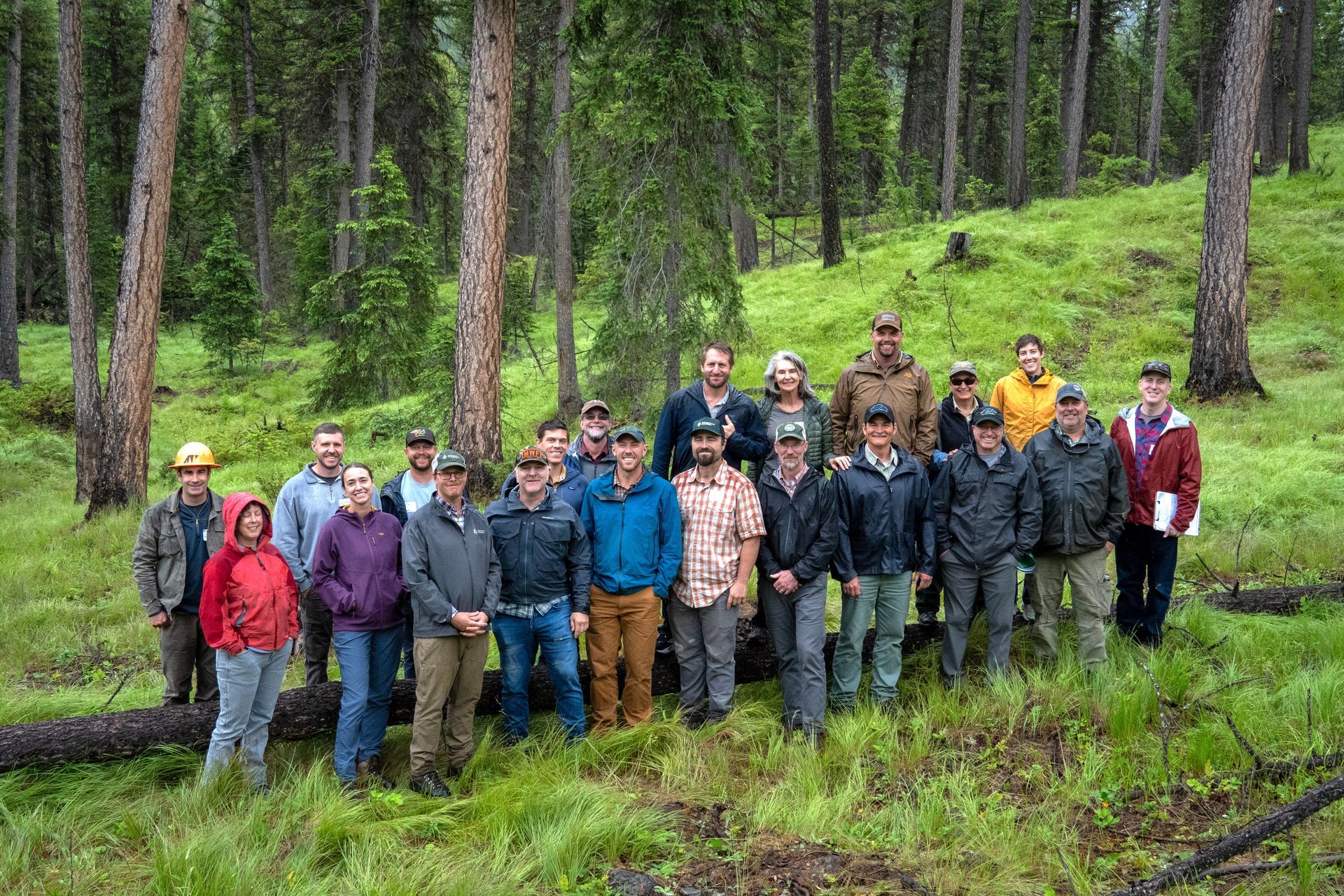
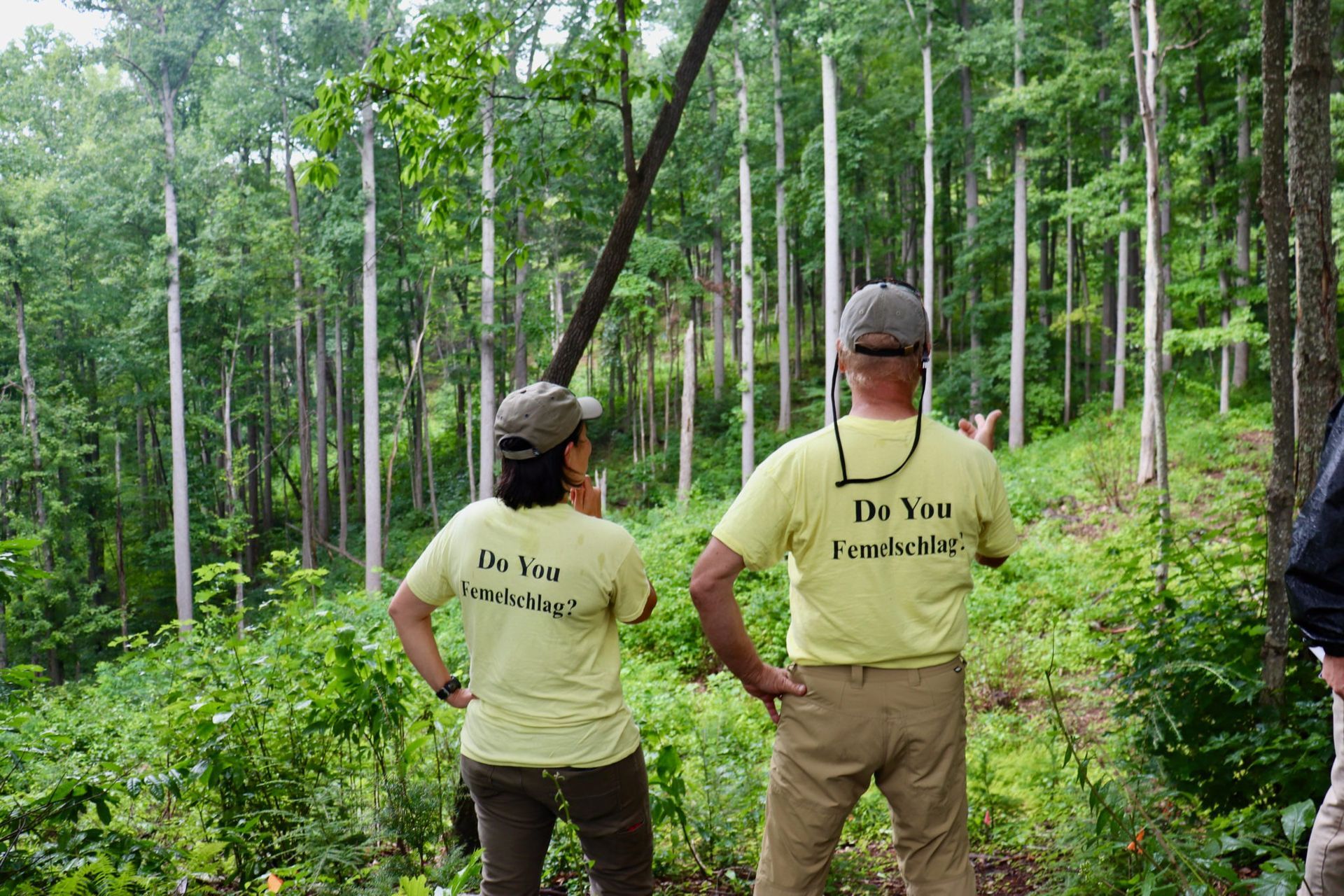
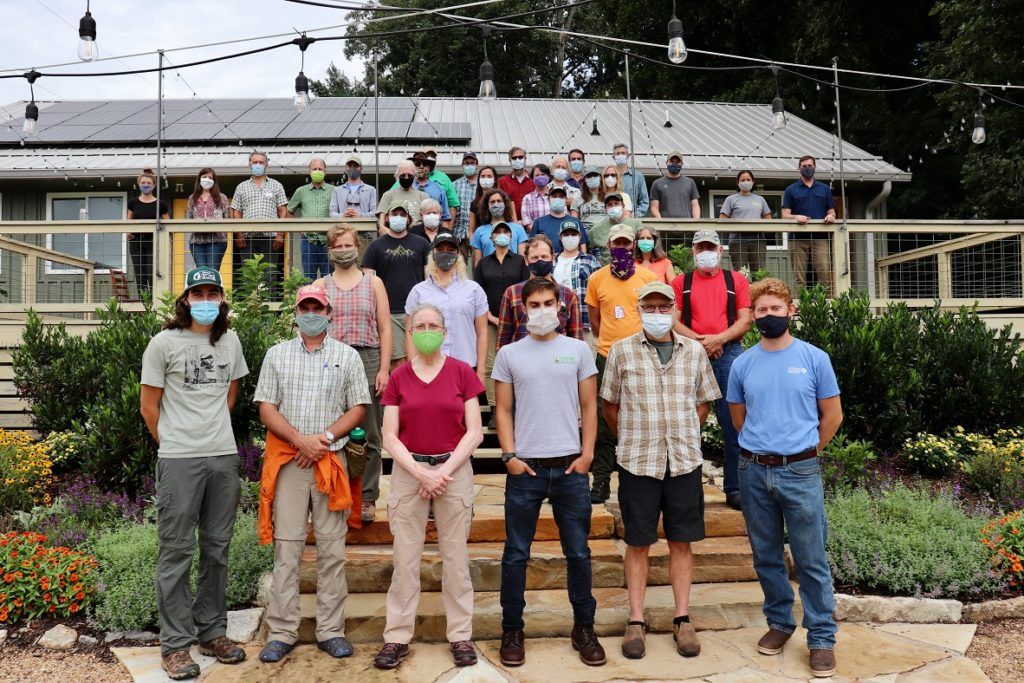
A happy 26th birthday indeed, as 45 people joined together representing every Guild region. We heard presentations that looked back on our forestry history. In the case of Femelshlag, it was particularly interesting to highlight the aspects of practices that are still valid today and helpful for supporting our forests, while at the same time discussing very different motivations for such practices over time. Some of these motivations are human-focused and some are not. According to the Guild, they are all worth considering for their role in site specific forestry prescriptions, as we honor the Guild’s third principle: “The forest has value in its own right, independent of human intentions and needs.”

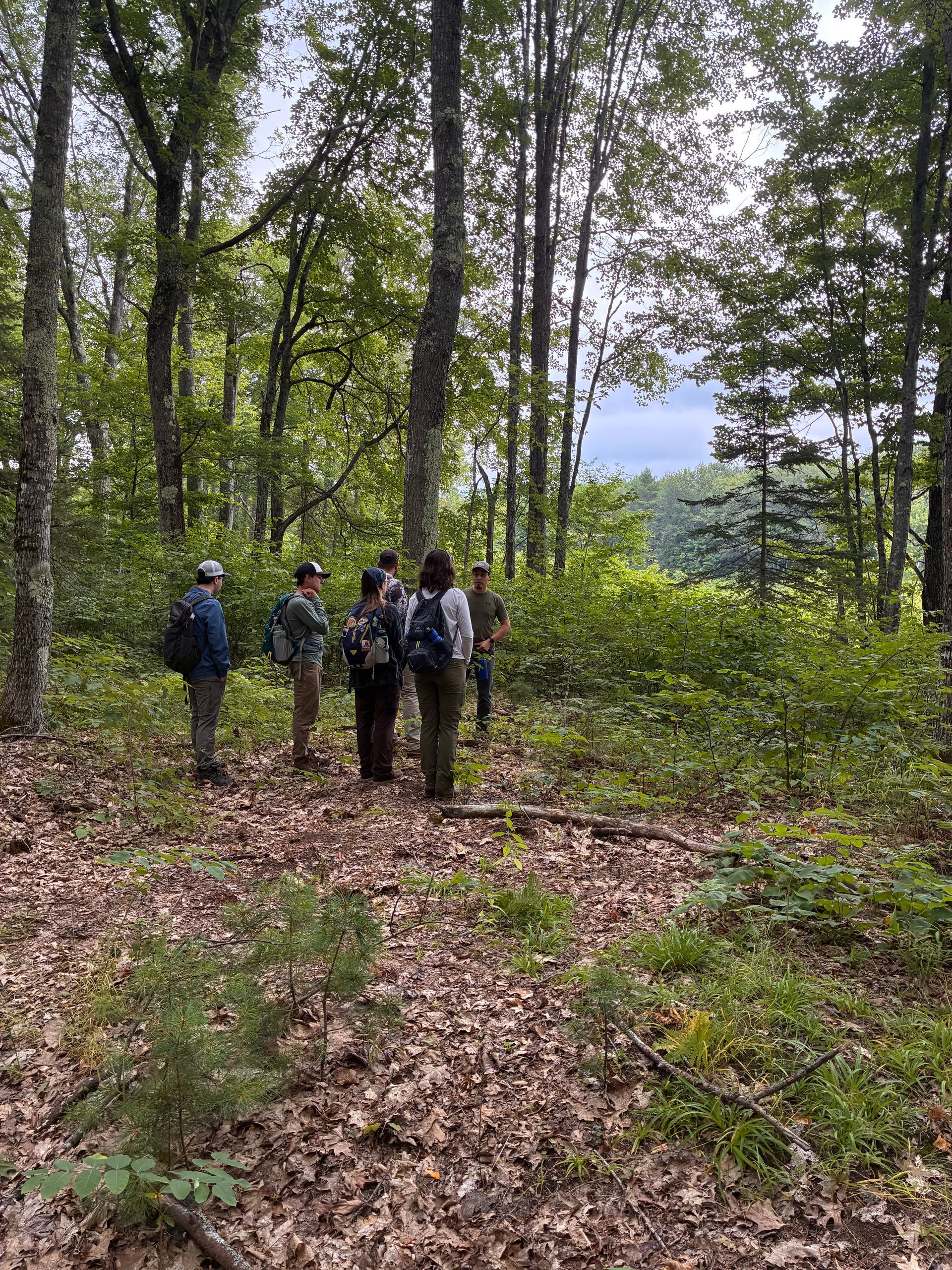
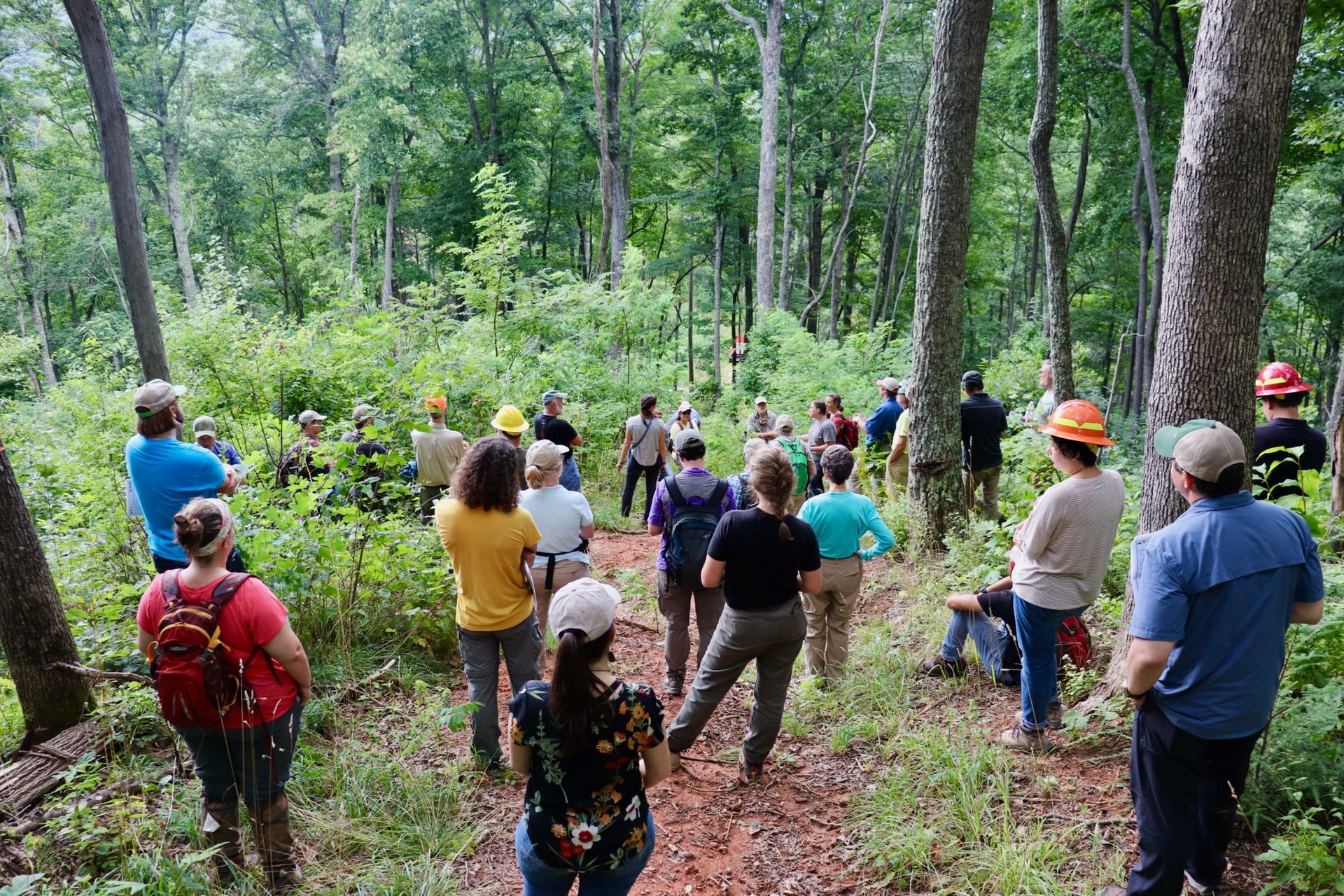
Presentations on each day were followed by field tours. Common to every Guild Gathering, we were there to hear the data, peruse the science, and observe in the forest. The Guild’s fifth principal: “The practice of forestry must be grounded in field observation and experience as well as in the biological sciences. This practical knowledge should be developed and shared with both traditional and non-traditional educational institutions and programs” was modeled through presentations by The Nature Conservancy and University of the South Sewanee, who are working to observe, study, practice, and disseminate knowledge for and from forests in the south. We explored the links between forest health and the health of entire ecosystems depending on those healthy forests, through field sites focused on bird-habitat, soil health and stability, and water resources. When considering all of this, we celebrate the Guild’s first principle:

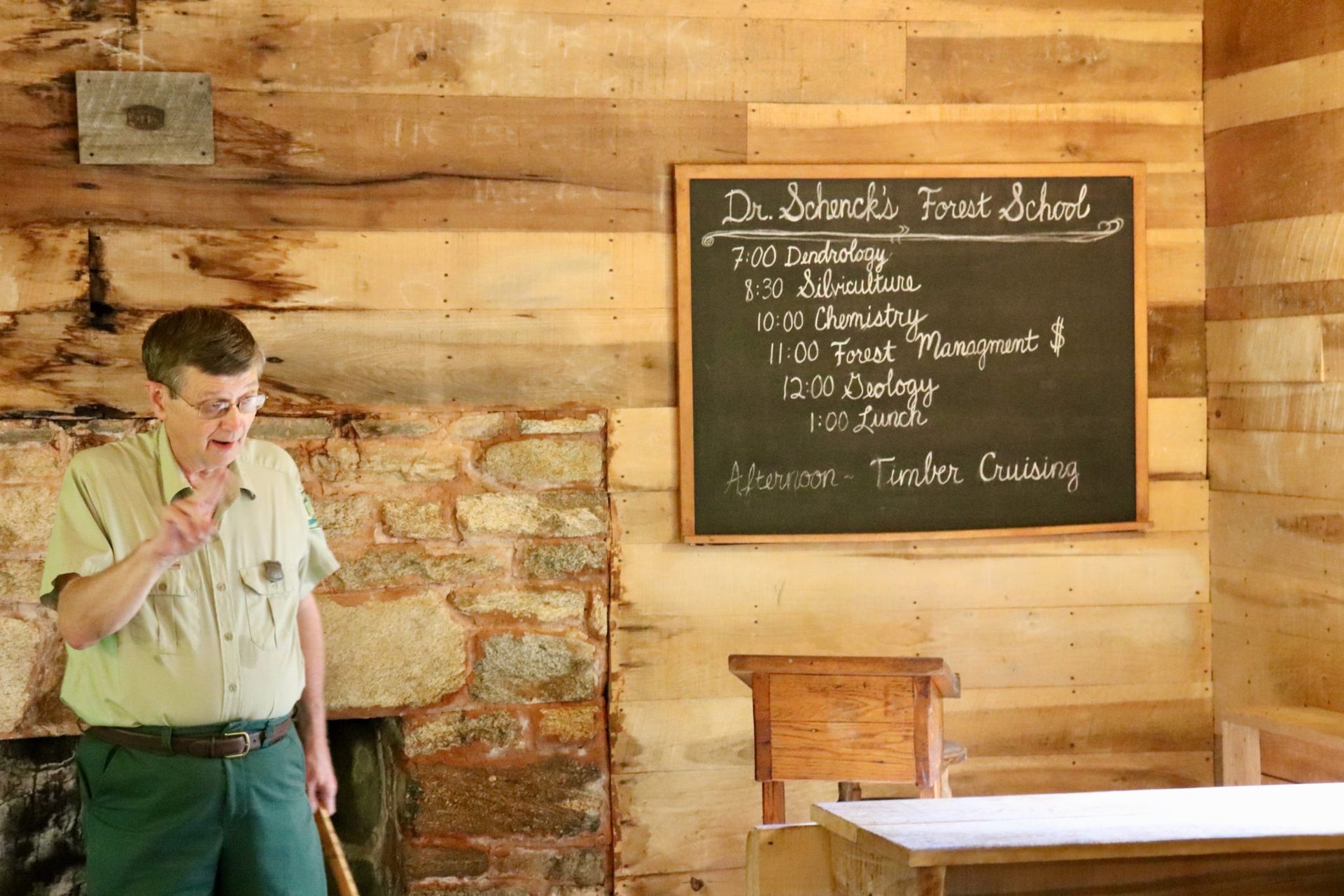
The well-being of human society is dependent on responsible forest management that places the highest priority on the maintenance and enhancement of the entire forest ecosystem.” When presenting on Coastal Plain Longleaf Management and sharing information on Remnant Old Growth Longleaf Pine Savannas and Forests, we were called to attend to the Guild’s second principle: “The natural forest provides a model for sustainable resource management; therefore, responsible forest management imitates nature’s dynamic processes and minimizes impacts when harvesting trees and other products.” A highlight for some on the last day of the event was a “bucket list” visit to the Cradle of Forestry, where Bob Beanblossom brought the past to life before our eyes through skilled storytelling and a glimpse back in time to the nation’s first forestry school founded in 1898.

Perhaps the most valuable of all the time we spent together in Asheville was unstructured, and focused on networking and community building. We all arrived with a wealth of knowledge. Multiple perspectives and region-specific backgrounds were represented among us. Collectively, we probably held hundreds of questions in our minds and hearts, about the practicality, feasibility, ethics, and temporal relevance of ideas and practices on the landscape. A Guild Gathering naturally nurtures and evolves conversation around these questions, though the community knowledge at hand. In no other place, at no other time, would the same inquiries or brainstorms or research references or collaborations occur just as they did here in this mist-layered valley in late August 2021. Staying open and engaged in these opportunities is one of our most important duties, as we celebrate Guild’s fourth principal:

“Human knowledge of forest ecosystems is limited. Responsible management that sustains the forest requires a humble approach and continuous learning.” Though we also have a duty to compassionately challenge each other. To reach through what we know to be true and glimpse what else might be possible. To remind each other as we get swept up by life and logistics and critique, of the foundation from which we come to this work. For 26 years, Guild Gatherings have provided a safe and welcoming place to do this, among a community of people who each in their own ways are contributing to something so much greater than ourselves, as stated in the Guild’s sixth principle: “Our first duty is to forests and their future. When confronted with circumstances that threaten the integrity of the forest and conflict with the Mission and Principles of the Forest Stewards Guild, members must respond through education, advocacy, or where necessary, disassociation. Guild membership signifies a commitment to the highest forest stewardship ethic.” 

These principals are alive and well in our Guild community. It feels right to celebrate that. Our 26th Anniversary celebration was a reflection on so much we’ve accomplished in the past and an inspiration for the future of our effort, our communities, and the forests. Thank you to all who participated in this event, in person and in spirit. Visit our 25th Anniversary webpage to view PDFs from presentations given at the event, read quotes, and enjoy photos as we can get them posted.

Recent Posts

By Aidan Juhl April 16, 2026
Written by Colleen Robinson
April 14, 2026
Written by Shannon Maes
April 14, 2026
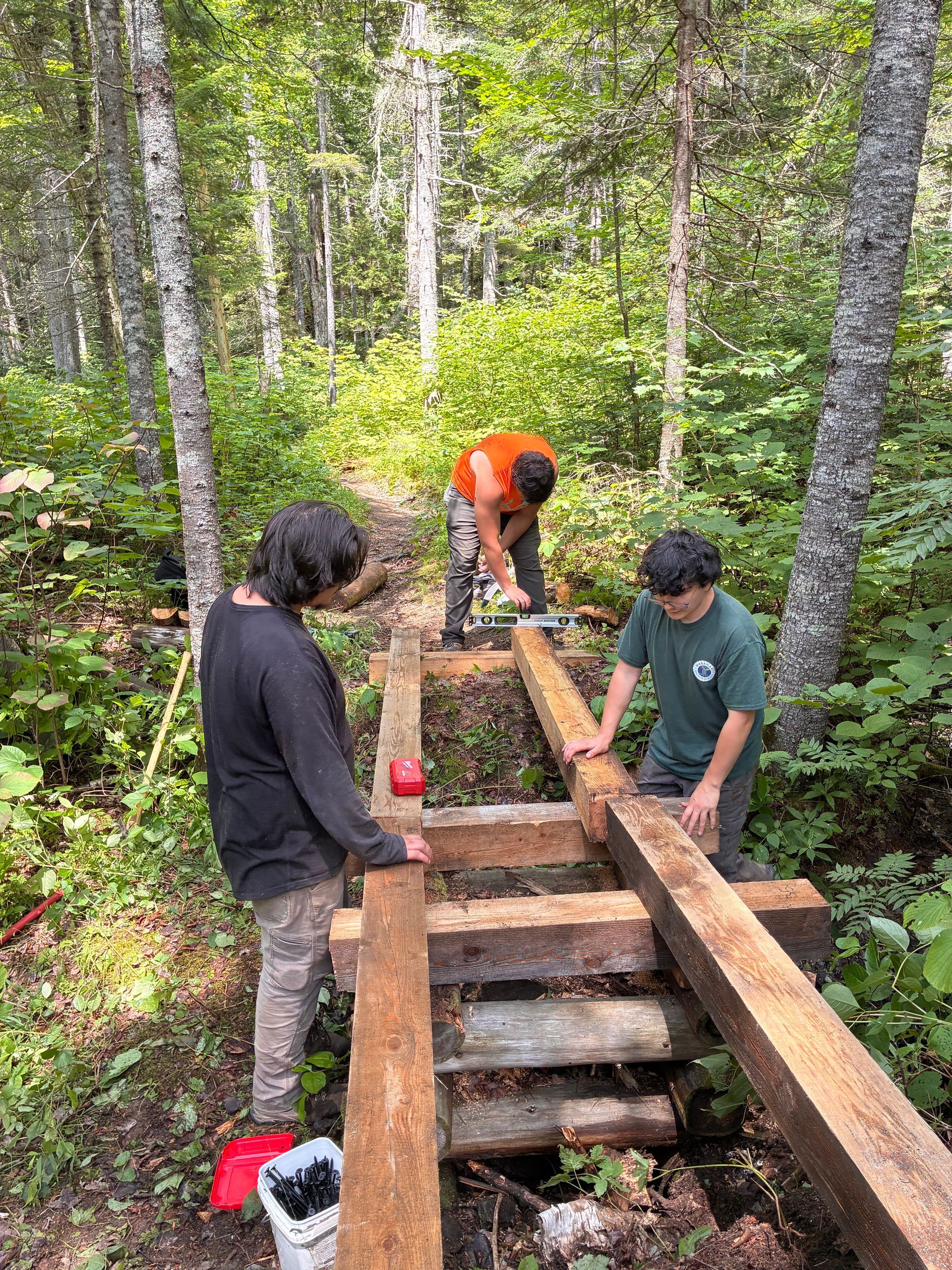
In September 2025, the Guild launched a three-person Forest Stewards Apprenticeship (FSA) crew to work with the Penobscot Nation’s Department of Natural Resources (PN DNR). Over the course of their six-month season, apprentices Agenor Duhon, Gabe Stewart, and Jacob Baker shared a season of learning, collaboration, and hands-on stewardship of Penobscot Tribal lands.
April 14, 2026
This week, I stepped into the role of crew leader. We worked a full 40-hour week, splitting our time between Clifton Farms and a prescribed burn operation. On the first day in the field, we completed hack-and-squirt treatments on trees that had been marked the previous week. For the remainder of the week, we focused on marking trees for future hack-and-squirt work, maintaining a steady pace and ensuring accuracy in our selections.
April 7, 2026
As Guild members, our practice is fundamentally grounded in field observation. We know intuitively that forests are dynamic, living communities. Yet, for decades, the high-level systems used to value our work, specifically the carbon accounting ledgers tied to international frameworks like the Paris Agreement, have treated forests as static, quantifiable blocks of land. In a recent commentary published in One Earth, I argue that these legacy measurement, reporting, and verification (MRV) frameworks are failing. Ledger accounting relies on crude land-use delineations and outdated technology, effectively penalizing the natural, seasonal flux of the ecosystems we manage every day. By forcing landscapes into rigid “forest” versus “non-forest” binaries, such legacy systems miss the complex reality on the ground. But a major shift is underway.
March 18, 2026
Women have always been a part of forestry. Historically, women often helped guide family decisions about when to cut, which trees to save, and how best to steward their land for the next generation. Historical accounts from the Southern Appalachians describe women’s roles in decisions about timber harvesting and prioritizing long-term forest health. These often-uncredited contributions are even reflected in Aldo Leopold’s A Sand County Almanac (1949), in which describes his stewardship philosophy informed not only by his professional experience, but by shared responsibility, where the perspectives of his wife and daughters played an important role.
March 18, 2026
Although rural regions often host the highest concentrations of public and private forest land, they typically lack the sustainable workforce necessary for active management and stewardship. How do we address this foundational problem in forest conservation?
March 18, 2026
The Forest Stewards Guild has a unique dual mandate: practice and promote forest stewardship. Personally, I think the combination of practicing forest management and promoting best practices is what makes the Guild a vibrant and impactful organization.
February 17, 2026
We celebrate the remarkable career and legacy of Leslie (Les) Benedict, who has provided visionary leadership and dedicated service to the stewardship of forests, championing the preservation of the ecological and culturally important black ash. Benedict, a member of the Saint Regis Mohawk Tribe in Akwesasne, north of the Adirondacks in upstate New York, recently retired after serving as the Assistant Director of the Tribe’s Environment Division for over 35 years.
February 17, 2026
The Forest Stewards Guild has been working to support the National Park Service on forest stewardship projects throughout the eastern U.S. This month we are in the midst of a project to protect mounds at Effigy Mounds National Monument near Harpers Ferry Iowa. This site was designated as a National Monument in 1949 and preserves over 200 mounds built between 800 and 2,500 years ago. Mounds at this site include conical, linear, compound, and effigy mounds – constructed in the shape of animals. Please see the National Park Service page for more information about the mounds, the people who built them, and how to visit the site. The lidar images on that website of the Marching Bears and other mound groups are fascinating.
Show More